Quick Answer
Yes, a leaf blower can clear light, dry, powdery snow, but it struggles with wet, heavy, or deep snow. Cold weather also reduces battery output, so battery models may run short. Gas backpack blowers usually handle winter conditions better. Clear snow in thin layers, and stop when slush forms.

Pros
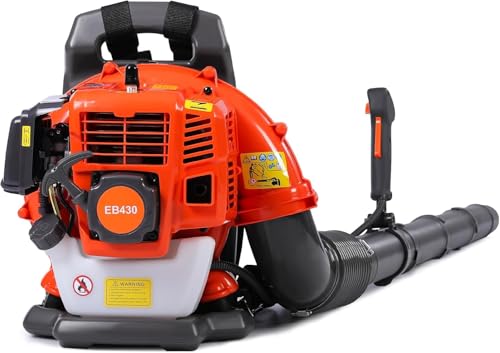
- 53cc 2-stroke engine produces 1.9kW output
- Rated for 559 CFM airflow and 174 MPH air speed
- Padded ergonomic backpack harness with vibration dampers
- 31.1-ounce fuel tank supports 50-60 minute runtimes
- Dual-layer air filter helps protect the engine
Cons
- Requires 50:1 two-cycle gas and oil premixing
- Dry weight is 19.6 pounds before adding fuel

Pros
- High-output 75.6cc 2-cycle gas engine
- Claims up to 847 CFM and 236 MPH air power
- Ergonomic padded harness with vibration dampening
- Continuous operation without battery recharge pauses
Cons
- Heavy construction weighing approximately 30.2 pounds
- Requires manual 25:1 gas-and-oil fuel mixing

Pros
- Rated up to 880 CFM and 275 MPH
- Powered by a 72cc 3.7-HP 2-cycle engine
- Includes both flat and round nozzles
- Cruise control and throttle lock maintain RPM
- Padded backpack harness helps isolate engine heat
Cons
- Weighs 21 pounds dry
- Requires 2-cycle gas and oil mixing
Every winter, homeowners ask the same question after the first snowfall: can the leaf blower already sitting in the garage double as a snow removal tool? The short answer is yes, under very specific conditions. The longer answer involves airflow physics, snow crystal structure, battery chemistry, and engine cooling design, all of which determine whether your blower clears a walkway cleanly or simply wastes battery power while snow melts into slush on the pavement.
This guide breaks down the exact physics of why leaf blowers move some snow and fail on others, gives you a diagnostic matrix to decide before you step outside, and covers the maintenance steps that protect your equipment from winter damage. Whether you own a cordless leaf blower or a gas backpack unit, the principles below apply.
The Physics: Why Airflow Moves Snow (and When It Doesn’t)
A leaf blower doesn’t “push” snow the way a shovel does. It entrains snow particles into a high-velocity air stream and carries them away. This works because snow is not a solid mass , it’s a collection of individual ice crystals with air gaps between them. The blower’s job is to generate enough shear force at the surface to overcome the friction and inter-crystal bonding holding those particles in place. To evaluate matched hardware tolerances, consult our detailed overview of how to choose leaf blower.
Air Velocity vs. Air Volume: The Two Numbers That Matter
Every leaf blower spec sheet lists two critical figures: CFM (cubic feet per minute) and MPH (miles per hour, sometimes expressed as air speed). They measure different things, and snow removal depends on both.
| Spec | What It Measures | Role in Snow Removal |
|---|---|---|
| CFM (Air Volume) | Total air moved per minute through the tube | Determines how much snow you can displace per pass, critical for depth |
| MPH (Air Velocity) | Speed of air at the nozzle opening | Determines whether snow crystals actually lift off the surface, critical for adhesion |
A blower with high MPH but low CFM (like many compact handheld units) can break the bond on a thin dusting but lacks the volume to move deeper accumulation. A blower with high CFM but low MPH (like some wide-nozzle electric models) moves a lot of air but may not generate enough shear to lift packed snow. For snow, you want both numbers high, which is why commercial backpack blowers outperform small handhelds in winter.
Snow Density: The Variable That Overrides Everything
Snow density varies enormously depending on temperature and moisture content. This is the single biggest factor in whether a leaf blower works.
| Snow Type | Temperature Range | Density | Blower Performance |
|---|---|---|---|
| Dry powder | Below 15°F (−9°C) | 5 to 7 lb/ft³ | Excellent, moves easily at 350+ CFM |
| Light/average snow | 15 to 25°F (−9 to −4°C) | 7 to 12 lb/ft³ | Good, requires 500+ CFM for depths over 2 inches |
| Wet/heavy snow | 28 to 32°F (−2 to 0°C) | 15 to 21 lb/ft³ | Poor, too dense, sticks to surfaces, requires 700+ CFM and still struggles |
| Slush | Above 32°F (0°C) | 25+ lb/ft³ | Not viable, blower cannot generate enough force |
The practical takeaway: if the temperature is near freezing and snow is wet enough to pack into a snowball, a leaf blower will not clear it effectively. Field reports consistently show blowers performing well on powder up to 3 to 5 inches and failing on wet snow above 2 inches.
Diagnostic Matrix: Should You Use a Leaf Blower on Your Snow?
Before you pull the blower out of storage, run through this decision matrix. Answer each question honestly based on current conditions.
Step 1: Check Temperature
Look at your outdoor thermometer or weather app. If the temperature is above 32°F (0°C), stop here, the snow is too wet, and you’ll waste time creating slush. If it’s between 20 to 32°F (−7 to 0°C), proceed with caution; snow may be borderline wet. Below 20°F (−7°C), conditions are optimal for blower use.
Step 2: Assess Snow Depth and Type
Push a ruler or stick into the snow at several points. If depth is under 3 inches and snow is dry (crumbles easily, doesn’t clump), a leaf blower is viable. If depth exceeds 5 inches or snow is wet/packed, switch to a shovel or snow blower.
Step 3: Evaluate Your Blower’s Specs
Check your blower’s CFM rating. Under 350 CFM: limited to dustings under 1 inch. 350 to 500 CFM: handles 2 to 3 inches of powder. 500 to 700 CFM: handles 3 to 5 inches of powder. Above 700 CFM (commercial backpack units): can tackle 5+ inches of dry snow, though efficiency drops.
Step 4: Consider Battery State (Cordless Only)
Lithium-ion batteries lose significant capacity in cold weather. If your battery is below 40% charge or the temperature is under 20°F (−9°C), expect 30 to 50% less runtime than rated. Bring a fully charged spare battery, or use a gas-powered unit for extended clearing.
Quick Decision Table
| Condition | Leaf Blower Viable? | Recommended Action |
|---|---|---|
| Below 20°F, dry powder, under 3 inches | Yes | Use leaf blower, optimal conditions |
| 20 to 32°F, light snow, under 2 inches | Yes, with caution | Use leaf blower, monitor for wet spots |
| 28 to 32°F, wet snow, any depth | No | Use shovel or snow blower |
| Any temp, snow over 5 inches | No | Use snow blower or hire service |
| Any temp, packed/icy snow | No | Apply ice melt, then clear with shovel |
Equipment Comparison: Which Blower Type Works Best in Snow?
Not all leaf blowers are created equal for winter use. Here’s how the main categories compare.
Gas-Powered Backpack Blowers
These are the most effective option for snow. Commercial units like the Echo X Series produce 700+ CFM and 200+ MPH, enough to move 4 to 5 inches of dry powder. The gas engine doesn’t suffer from cold-weather battery degradation, and runtime is limited only by fuel capacity. The trade-off: weight (15 to 25 lbs), noise (80 to 95 dB), and emissions. For large driveways or frequent snowfall, this is the professional-grade choice.
Cordless Battery Blowers
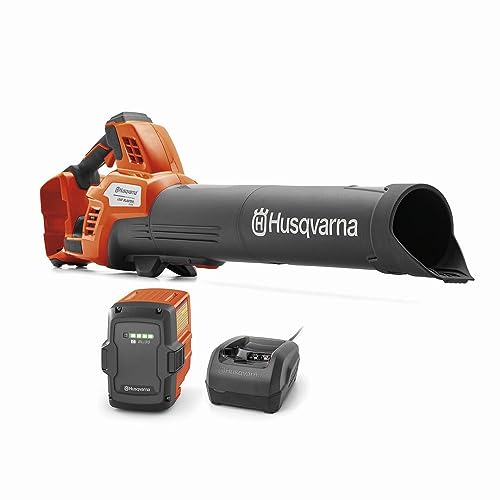
Modern 56V and 80V cordless blowers (like EGO, Greenworks, Ryobi 40V) produce 500 to 750 CFM and work well for small to medium jobs, decks, steps, short walkways, car clearing. The limitation is cold-weather battery performance. Below 20°F, expect reduced runtime; below 10°F, some batteries shut off entirely as a protective measure. Keep batteries indoors until use, and carry a spare.
Electric Corded Blowers
Plug-in electric blowers (typically 12 to 14 amp) produce 350 to 500 CFM and are adequate for light dustings on small areas. They don’t suffer from battery cold issues, but the cord limits mobility and creates a tripping hazard on icy surfaces. Not recommended for serious snow removal.
Handheld vs. Backpack: A Practical Comparison
For snow specifically, backpack units outperform handhelds in every metric except portability. If you’re comparing options, our detailed backpack vs handheld blower comparison covers the trade-offs in depth. For winter use, the extra CFM and runtime of a backpack unit justify the added weight.
Step-by-Step: How to Clear Snow with a Leaf Blower
If conditions meet the criteria above, follow this procedure for safe, effective clearing.
Step 1: Prepare the Equipment
For gas blowers: check fuel level, inspect the air filter for moisture or ice blockage, and ensure the spark plug is clean. For battery blowers: insert a fully charged battery, and if possible, keep the spare battery in an insulated bag or pocket to preserve its charge. Attach a flat or concentrator nozzle if available, these focus airflow and increase MPH at the point of contact.
Step 2: Start Early, Work in Passes
Don’t wait for snowfall to end. Clear every 1 to 2 inches of accumulation rather than letting it build. Work in overlapping passes, holding the nozzle 4 to 6 inches above the surface at a 30 to 45 degree angle. This angle directs airflow across the surface (shearing snow off) rather than straight down (which packs snow tighter).
Step 3: Clear from the Edges Inward
Start at the perimeter of the area and work toward the center, or blow snow downwind. This prevents you from blowing snow onto already-cleared surfaces. On driveways, clear a path down the middle first, then widen it outward.
Step 4: Handle Problem Areas Separately
Steps, tight corners, and areas around vehicles often trap snow where airflow can’t reach effectively. Use a broom or small shovel for these spots, then use the blower for final cleanup. For cars, hold the blower 12 to 18 inches from the surface and work from top down, this prevents scratching and uses gravity to help move snow.
Step 5: Post-Use Maintenance
After clearing, wipe down the blower housing to remove snow and moisture. For gas units, run the engine for 2 to 3 minutes to burn off any moisture that entered the carburetor. For battery units, bring the battery indoors immediately and allow it to reach room temperature before recharging, charging a cold battery can damage cells.
Equipment Protection: Preventing Winter Damage
Using a leaf blower in snow exposes it to conditions it wasn’t designed for. Here’s what can go wrong and how to prevent it.
Gas Engines: Air Cooling and Moisture
Gas leaf blowers use air-cooled engines, a fan on the flywheel pulls air over the engine block to dissipate heat. When blowing snow, cold air and snow can temporarily overcool the engine, causing condensation to form inside the cylinder and carburetor. This can lead to hard starting, misfires, or rust over time. Prevention: avoid prolonged use in wet snow, run the engine for a few minutes after use to evaporate moisture, and use fuel stabilizer in your gas can.
Battery Systems: Cold-Weather Degradation
Lithium-ion batteries operate best between 32 to 100°F (0 to 38°C). Below freezing, internal resistance increases, reducing both power output and capacity. Repeated exposure to sub-freezing temperatures during use, and especially during charging, shortens battery lifespan. Prevention: store batteries indoors, warm them to room temperature before charging, and avoid leaving batteries in the blower overnight in an unheated garage.
General Wear
Snow and ice can scratch plastic housings, corrode metal fasteners, and clog air intakes. After winter use, inspect the intake screen, clean the housing, and apply a light coat of silicone lubricant to metal parts. For a comprehensive maintenance schedule covering year-round care, see our guide to chainsaw and outdoor tool maintenance, the principles apply to all small engine and battery-powered equipment.
When a Leaf Blower Is the Wrong Tool
Leaf blowers have clear limits in winter. Recognizing them saves time and prevents equipment damage.
Wet Snow Above 28°F
Wet snow is 2 to 3 times denser than dry powder and adheres to surfaces through surface tension. No consumer-grade blower generates enough force to move it efficiently. You’ll drain the battery (or burn fuel) moving a fraction of the area a shovel clears in the same time.
Depth Over 5 Inches
Even high-CFM blowers struggle beyond 5 inches of dry snow. The air stream can’t penetrate deep enough to lift the full column, and you’ll end up carving trenches rather than clearing flat surfaces. For deeper accumulation, a single-stage snow blower handles the job with less physical effort.
Packed or Icy Snow
Snow that has been walked on, driven over, or partially melted and refrozen becomes a solid mass. Airflow cannot break the bond between ice and pavement. Apply ice melt first, wait 15 to 20 minutes, then clear with a shovel or scraper.
Large Driveways
Clearing a 2-car driveway (400 to 600 sq ft) with a leaf blower in 3 inches of snow takes 30 to 60 minutes and multiple battery swaps. A single-stage snow blower does the same job in 10 to 15 minutes. For context on choosing the right power equipment for your property size, our gas or electric leaf blower comparison covers runtime and power trade-offs in detail.
Safety Considerations
Winter use adds hazards that don’t exist during fall leaf season.
Slip and Fall Risk
Blowing snow can expose ice patches you didn’t know were underneath. Wear boots with aggressive tread, work slowly, and be especially careful on slopes and steps.
Cold-Weather Physical Strain
Shoveling snow is a leading cause of winter cardiac events. While a leaf blower reduces the physical exertion compared to shoveling, you’re still working in cold conditions with added weight (backpack units). Take breaks, stay hydrated, and dress in layers. For workplace applications, review OSHA equipment safety regulations on cold stress and powered equipment operation.
Noise and Neighbor Relations
Gas blowers produce 80 to 95 dB, comparable to a gas lawn mower. Many municipalities restrict gas blower use to certain hours. Check local ordinances before operating early in the morning or late at night after a snowfall.
Maintenance Intervals for Winter Blower Use
If you plan to use your leaf blower regularly through winter, follow this schedule.
| Task | Frequency | Details |
|---|---|---|
| Inspect air filter | Every use | Check for snow, ice, or moisture blockage; replace if saturated |
| Check spark plug (gas) | Every 5 hours of use | Clean or replace if fouled; cold starts stress plugs |
| Drain fuel or add stabilizer | End of season | Prevents gumming in carburetor during storage |
| Battery warm-up before charge | Every time | Allow battery to reach 50°F+ before plugging in charger |
| Clean intake screen | Weekly during winter use | Snow and ice can clog airflow, reducing performance |
| Inspect nozzle and tube | Monthly | Check for cracks from cold-weather brittleness |
Common Questions on Do Leaf Blowers Work On Snow Answered
What temperature is too cold for a battery leaf blower?
Most lithium-ion batteries function below 32°F but lose significant capacity. Below 20°F, expect 30 to 40% reduced runtime. Below 10°F, some batteries trigger low-temperature protection and shut off entirely. Keep batteries indoors until the moment of use and carry spares in an insulated bag.
Can a leaf blower melt snow?
No. Leaf blowers move air at ambient temperature, they don’t generate heat. The air stream may feel slightly warmer due to friction at the nozzle, but this is negligible and won’t melt snow. If you need melting capability, look at heated car dryers or snow melt systems.
Is it better to blow snow or use a broom for light dustings?
For under 1 inch of dry powder on a small deck or steps, a push broom is quieter, cheaper, and equally effective. A leaf blower becomes worthwhile when clearing larger areas (over 100 sq ft) or when snow depth exceeds 1 inch.
Will blowing snow damage my leaf blower?
Occasional use on dry powder is unlikely to cause damage if you follow post-use maintenance. The risks increase with wet snow (moisture intrusion), prolonged cold exposure (battery degradation), and skipping post-use drying/storage steps. Follow the maintenance schedule above to minimize wear.
Bottom Line
Leaf blowers work on snow, but only dry, powdery snow under 3 to 5 inches deep, in temperatures below 20°F, with a blower rated 350+ CFM. They’re excellent for quick clears on steps, decks, porches, and vehicles, and they reduce the physical strain of shoveling. They’re not a replacement for a snow blower on large driveways or heavy snowfall, and they’re useless on wet, packed, or icy surfaces.
Match your expectations to your equipment: a commercial backpack blower handles serious powder, a cordless handheld handles light residential jobs, and anything less than 350 CFM is limited to dustings. Check conditions before you start, protect your equipment with proper maintenance, and know when to put the blower away and reach for the shovel.
Blowers and Light Snow Clearing
Leaf blowers can move light, dry snow from walkways and decks, but they struggle with wet or packed snow. They are not designed as snow throwers. Users planning winter use can review general equipment safety resources from American National Standards Institute (ANSI).