Quick Answer
Robot vacuums can clean carpet, but results depend on suction power, brushroll design, and how well the robot adapts to carpet texture. For medium-pile carpet, look for at least 2000Pa of suction and a rubber or anti-tangle brushroll. Units under 1500Pa often leave embedded grit behind, so check the suction specs before buying.

Pros
- Massive 6000Pa suction easily clears heavy debris and pet hair.
- Smart LiDAR navigation maps multi-level homes quickly and accurately.
- Large 2.5L self-emptying base allows up to 90 days of hands-free operation.
- Anti-tangle roller brush minimizes hair wrap maintenance.
Cons
- Mopping mode requires manual setting of no-mop zones to protect carpets.
- May struggle with very thick, high-pile carpets.
Hands-Free Cleaning Reimagined
The Kilgone Robot Vacuum and Mop is a premium, automated cleaning solution designed to take the hassle out of daily floor maintenance. Engineered for busy families, pet owners, and multi-level households, this smart appliance combines high-performance vacuuming with active mopping. By integrating precision LiDAR navigation and a self-emptying dock, it offers a truly hands-off cleaning experience that adapts seamlessly to your home's unique layout.
Unmatched Power and Navigation
When it comes to raw performance, this robot vacuum stands out with its incredible 6000Pa cyclone suction. It effortlessly lifts embedded pet hair, fine dust, and heavy debris from both hardwood floors and medium-pile carpets. The specialized anti-tangle brush roller is a game-changer for pet owners, preventing hair wraps that typically stall other robotic vacuums. Additionally, the smart LiDAR mapping system scans your home in minutes, creating up to five customized floor maps and allowing you to set virtual no-go zones via the companion mobile app.
Sleek, Low-Profile Design
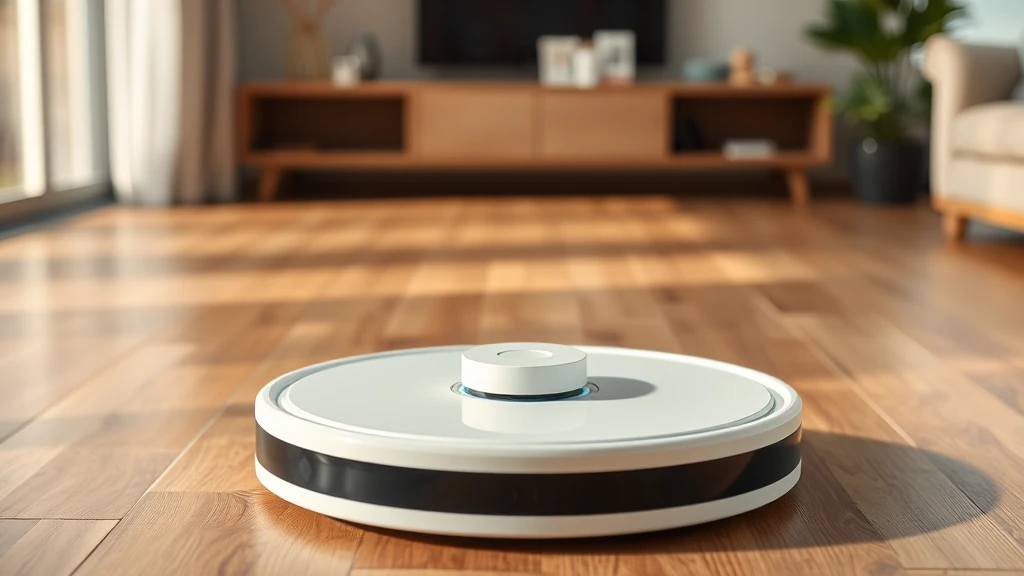
The design of the Kilgone unit is both sleek and highly functional. Standing at a low profile, it easily glides under low-hanging furniture, beds, and cabinets where dust bunnies accumulate. It features robust wheels that climb thresholds up to 18mm, transitioning smoothly from tile to thick rugs. The included self-emptying base station holds a 2.5L dustbag, which securely seals away dust and allergens for up to 90 days, keeping your hands clean and your air fresh.
Thoughtful Considerations
While the vacuuming and mapping capabilities are top-tier, the mopping function does require some user planning. Because the unit does not automatically lift its mop pad on carpets, you must manually set No-Mop Zones in the app to prevent your rugs from getting damp. Additionally, while the 150-minute battery life is generous, extremely large homes may require the unit to pause and recharge mid-cycle, though its auto-resume feature handles this transition smoothly.
The Verdict
Overall, the Kilgone Robot Vacuum and Mop is an exceptional value for anyone looking to reclaim their free time. Its combination of powerful suction, intelligent mapping, and a low-maintenance self-emptying dock makes it a highly reliable daily cleaning partner. If you want a smarter, quieter, and deeper clean without lifting a finger, this model is a worthy investment.
Product Specifications
Get a quick look at the technical details that power this advanced cleaning system:
- Suction Power: 6000Pa Cyclone Suction
- Navigation: 360-degree LiDAR Smart Mapping
- Dustbag Capacity: 2.5L (Up to 90 days of hands-free use)
- Battery Life: Up to 150 minutes (Covers up to 1,615 sq ft)
- Noise Level: Ultra-quiet 65dB
- Climbing Threshold: Up to 18mm
- Smart Integration: App Control, Alexa, and Google Assistant

Pros
- Detachable deep cleaner for carpets, sofas, stairs, and car seats
- Manufacturer-stated 20,000 Pa suction with carpet detection
- DuoSpiral anti-tangle brushes designed to reduce hair wrap on rollers
- CornerRover arm extends along walls and into corners for edge cleaning
- Station self-empties, self-washes, self-refills mops, and hot-air dries
Cons
- Heavy at 44.64 pounds, with a large footprint for storage and moving
- Wi-Fi supports 2.4 GHz only; 5 GHz networks are not supported

Pros
- Self-emptying dust cup, rated by the maker for up to 45 days of cleaning
- LiDAR 360° mapping with up to five saved maps for multi-level homes
- Manufacturer-rated suction up to 6000Pa with three adjustable levels
- Vacuums and mops in one pass using a 2-in-1 dustbin and water tank
- App scheduling, no-go zones, and Alexa or Google Assistant voice control
Cons
- Wi-Fi connection works only on 2.4GHz networks
- Mop holder should be removed before cleaning carpets to avoid wetting
When evaluating whether do robot vacuums work on carpet, the two most critical specifications are suction power (look for at least 2000Pa for medium-pile carpet) and brushroll type, since rubber or anti-tangle rollers outperform traditional bristle brushes on fibrous surfaces. For a broader look at how top-tier autonomous cleaners handle multi-surface homes, our detailed review of the best robot vacuums with self-empty technology covers how self-emptying stations further reduce manual maintenance on carpeted floors.
Key Technical Factors to Consider Before Buying
Robot vacuums do work on carpet, but performance varies significantly by model. Understanding the key technical specifications below will help you select a machine that matches your specific carpet type and household needs.
Suction Power and Carpet Boost Technology
Suction power, measured in Pascals (Pa), is the single most important specification when answering whether do robot vacuums work on carpet. For low-pile carpet and rugs, a minimum of 1500Pa is adequate for surface-level debris. For medium-pile carpet with embedded pet hair or fine dust, 2000Pa to 3000Pa is the practical threshold. High-performance models in our comparison, such as the Kilgone (6000Pa) and the XIEBroRobotVacuumandMop E8S (6500Pa), deliver suction well above this floor, making them suitable for households with heavy shedding pets or high-traffic carpet areas. For troubleshooting and reliability insights, consult our in-depth why robot vacuum keeps getting lost lidar fix report.
Carpet boost is a secondary feature that automatically increases motor speed when the robot detects the transition from hard floor to carpet. The Airzeen Q10 Pro, for example, increases suction by 15% upon carpet detection without any manual input. This automation is critical because carpet fibers create higher airflow resistance, and a static suction level optimized for hard floors will underperform on textile surfaces. Always confirm whether a model offers automatic carpet boost or only manual suction level selection, as the latter requires user intervention to maximize cleaning depth.
Brushroll Design and Hair Tangle Prevention
Traditional bristle brushrolls agitate carpet fibers effectively but accumulate long hair and pet fur rapidly, reducing airflow and suction within minutes of use. Anti-tangle and rubber brushroll designs address this directly. The Kilgone’s anti-tangle brush actively prevents hair wrap, which the brand specifies is suitable for households with shedding dogs, cats, or long-haired occupants. The ROPVACNIC S1 uses a brushless suction port design, relying on dual rotating side brushes and direct suction rather than a central roller, which eliminates entanglement entirely. Readers comparing setup options can review our technical analysis on roborock qrevo s pro vs dreame l10s pro ultra heat.
The Lefant M210 also uses a brushless suction port, a design choice that prioritizes hair-free maintenance over deep fiber agitation. This is a reasonable trade-off for low-pile carpet and hard floor households, but may be less effective on thicker carpet where mechanical agitation from a brushroll is needed to loosen embedded debris. When selecting a model, match the brushroll type to your carpet pile height: rubber or anti-tangle rollers for medium pile, brushless designs for low pile and mixed-surface homes.
Navigation System and Floor Coverage
Navigation directly affects how thoroughly a robot covers carpeted areas. Gyroscope-based inertial navigation, used in the XIEBroRobotVacuumandMop E8S, follows a systematic zigzag path that improves coverage compared to random-bounce navigation found in budget models. LiDAR (Light Detection and Ranging) navigation, used in the Kilgone, Airzeen Q10 Pro, and Shark Matrix Clean, creates a real-time spatial map of the home, enabling row-by-row cleaning with minimal missed zones and the ability to save up to 5 floor maps for multi-level homes. For complementary field maintenance guidelines, examine our breakdown of why is my robot vacuum not dispensing water.
For carpeted homes with complex layouts, furniture clusters, or multiple rooms, LiDAR mapping is strongly preferred. It allows users to define no-go zones via an app, which is especially useful for protecting delicate rugs or preventing the mop attachment from wetting carpet surfaces. Infrared-sensor-only navigation (used in models like the iMartine BR151 and eufy 11S MAX) is adequate for open floor plans but may result in repeated passes or missed corners in rooms with dense furniture. To understand how mapping technology influences whole-home cleaning efficiency, see our comparison of robot vacuums with advanced mapping systems.
Battery Life and Coverage Area
Battery runtime determines how much carpeted area a robot can clean in a single session. The XIEBroRobotVacuumandMop E8S leads this category with up to 200 minutes in Eco Mode (800Pa), covering approximately 1,290 square feet. The Kilgone and Airzeen Q10 Pro both offer 150-minute runtimes in quiet mode, with the Kilgone rated for up to 1,615 square feet per charge. The Shark Matrix Clean provides up to 90 minutes with auto-recharge and resume functionality, meaning it returns to the dock, recharges, and continues cleaning automatically without user intervention.
For homes over 1,500 square feet with significant carpeted area, prioritize models with auto-recharge and resume. Without this feature, a robot that runs out of battery mid-session leaves portions of carpet uncleaned. The Lefant M210 offers 120 minutes of runtime but does not specify resume capability, making it better suited to smaller apartments or single-floor spaces. Always check the manufacturer’s stated coverage area, as runtime figures vary significantly between high and low suction modes.
Threshold Clearance and Carpet Transition
A robot vacuum’s ability to physically transition from hard floor to carpet depends on its wheel height and chassis clearance. The Kilgone is rated to climb thresholds up to 18mm, which accommodates most area rug edges and low-pile carpet transitions. The XIEBroRobotVacuumandMop E8S has a 15-degree climbing ability, suitable for standard floor-to-carpet transitions. Models with clearances below 12mm may get stuck on thicker rugs or rug pads, creating a common frustration point for carpet-heavy households.
Slim-profile robots like the MANVN (2.87 inches) and eufy 11S MAX (2.85 inches) prioritize under-furniture access over threshold clearance, making them effective at cleaning carpet beneath beds and sofas but potentially limited on thick rug edges. The ZC WAS model also uses a 2.87-inch slim design for similar under-furniture reach. Evaluate your home’s specific transitions, particularly if you use thick rug pads or have carpet-to-tile thresholds exceeding 15mm.
Mopping Compatibility with Carpet
Several models in this comparison are 2-in-1 vacuum and mop combos. On carpet, the mop function must be managed carefully. The Airzeen Q10 Pro, ROPVACNIC S1, and XIEBroRobotVacuumandMop E8S all require users to either remove the mop holder or set carpet areas as no-mop zones in the app to prevent wetting carpet fibers. The Kilgone allows app-configured no-mop zones for this purpose. Failing to configure these zones can result in damp carpet, which promotes mold and fiber damage over time.
| Model | Suction Power | Navigation Type | Battery Runtime | Price Range |
|---|---|---|---|---|
| Kilgone Robot Vacuum | 6000Pa | LiDAR Mapping | 150 min | Check current price |
| XIEBroRobotVacuumandMop E8S | 6500Pa | Gyroscope + Inertial | 200 min (Eco) | Check current price |
| Shark Matrix Clean AV2511AE | Not Specified (High) | LiDAR Mapping | 90 min + Resume | Mid-Range |
| Airzeen Q10 Pro | 6000Pa | LiDAR + SLAM | 150 min | Mid-Range |
| Lefant M210 | Not Specified (Strong) | Infrared + 6D Sensors | 120 min | Check current price |
Carpet Use Criteria in This Guide
Carpet use is addressed here through suction power, navigation type, battery runtime and price range. The source is manufacturer specifications and product data on Amazon, with customer feedback added where it is listed.
Suction and navigation sit beside runtime and price range, so readers can see carpet related traits next to the other figures for each model.
Wrap-Up: Which Model Delivers True Value?
Best Overall Do Robot Vacuums Work On Carpet: Kilgone Robot Vacuum and Mop. The Kilgone combines 6000Pa cyclone suction, a 150-minute battery, LiDAR mapping with 5-floor storage, and a 2.5L self-emptying dustbin rated for 90 days of hands-free operation. Its anti-tangle brushroll, 18mm threshold clearance, and app-configurable no-mop zones make it the most technically complete option for households with medium-pile carpet and pets. As the premium choice in this comparison, it delivers a feature set that justifies the investment for larger homes with complex layouts.
Best Value / Budget Choice: XIEBroRobotVacuumandMop E8S. At an entry-level price, the E8S delivers 6500Pa peak suction (the highest in this comparison), a 200-minute battery in Eco Mode, gyroscope navigation with systematic zigzag coverage, and a 2-in-1 vacuum-mop design. The four-mode suction system (Eco at 800Pa through Ultra at 6500Pa) and carpet boost feature give users precise control over cleaning intensity. It lacks LiDAR mapping, which limits room-specific scheduling, but for budget-conscious buyers with low-to-medium pile carpet, its suction-to-price ratio is unmatched in this group. For additional budget-friendly options with strong carpet performance, the guide to the best compact robot vacuums covers slim-profile models that navigate under furniture without sacrificing suction.
Best for Pet Owners: Shark Matrix Clean AV2511AE. Shark’s Matrix Clean technology uses a precision grid pattern to take multiple passes over the same area, which is particularly effective at lifting embedded pet hair from carpet pile. The self-cleaning brushroll prevents hair wrap without manual intervention, and the bagless self-empty base holds 60 days of debris. Combined with LiDAR navigation, Alexa and Google Assistant compatibility, and the SharkClean app, this model offers a complete pet-hair management ecosystem. Homeowners with shedding pets on carpeted floors will find the combination of multi-pass cleaning and self-cleaning brushroll technology more effective than raw suction numbers alone. For a deeper comparison of Shark’s robot vacuum lineup, see our review of Shark robotic vacuum components and compatibility.
Frequently Asked Questions About Do Robot Vacuums Work On Carpet
Do robot vacuums actually work on carpet, or are they only effective on hard floors?
Robot vacuums do work on carpet, but effectiveness depends on suction power and brushroll design. Models with at least 2000Pa suction and a rubber or anti-tangle brushroll can extract embedded debris from low-to-medium pile carpet, while basic models under 1500Pa typically only clean the surface layer. High-pile or shag carpet remains challenging for most current-generation robot vacuums regardless of suction rating.
What suction power do I need for carpet cleaning with a robot vacuum?
For low-pile carpet, 1500Pa to 2000Pa is sufficient for daily maintenance cleaning. Medium-pile carpet benefits from 2000Pa to 4000Pa with automatic carpet boost enabled. For heavily soiled carpet or homes with multiple shedding pets, models in the 5000Pa to 6500Pa range, such as those in this comparison, provide the deepest clean. Always check whether the stated suction figure reflects peak or sustained performance, as some manufacturers list only maximum values achieved at the highest fan speed.
Can a robot vacuum handle both carpet and hard floors in the same cleaning session?
Yes, multi-surface capability is a standard feature in most modern robot vacuums. Models with automatic carpet boost detect the surface change and adjust suction accordingly without user input. The key consideration is threshold clearance: robots rated for 15mm to 18mm of climbing height, such as the Kilgone and XIEBroRobotVacuumandMop E8S, transition smoothly between hard floor and carpet edges. Models with lower chassis clearance may hesitate or get stuck on thicker rug borders.
Is it worth buying a robot vacuum with self-emptying for a carpeted home in 2026?
Self-emptying bases are particularly valuable in carpeted homes because carpet cleaning generates significantly more debris volume than hard floor cleaning, filling the onboard dustbin faster. Models like the Kilgone (2.5L, 90-day capacity) and Airzeen Q10 Pro (3.3L, 60-day capacity) reduce manual emptying to a few times per year. For a detailed breakdown of which self-emptying systems perform best across different floor types, our analysis of robot vacuums with self-empty bases provides direct specification comparisons.
Do robot vacuums work on high-pile or shag carpet?
Most current robot vacuums struggle with high-pile or shag carpet exceeding 20mm in depth. The robot’s wheels can sink into thick pile, reducing mobility and creating a risk of the unit getting stuck. Additionally, high-pile fibers can overwhelm even anti-tangle brushrolls. For homes with shag or high-pile rugs, the practical recommendation is to set these areas as no-go zones in the robot’s app and clean them manually, while allowing the robot to handle low-to-medium pile carpets and hard floors throughout the rest of the home.
Carpet Use and Outlet Safety
Questions about carpet performance often come up alongside concerns about cords, outlets, and charging spots near the rug. For general reading on electrical safety in household appliances, see the International Electrotechnical Commission (IEC).