Quick Answer
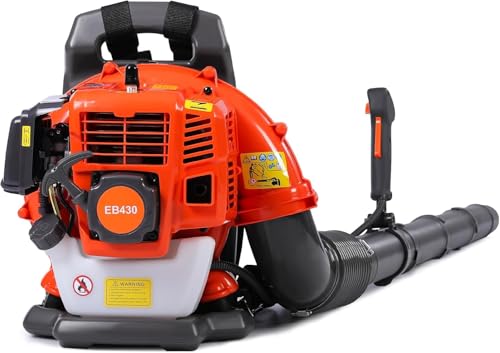
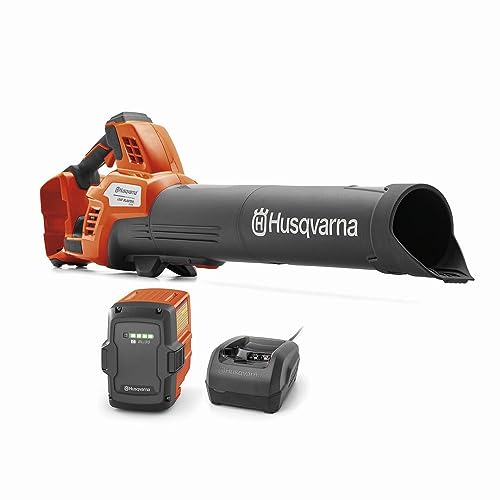
Backpack blower weight varies by model and power source, and dry weight leaves out fuel or battery. Harness design matters more than raw mass for fatigue, because hip belts move load to your pelvis. Compare harness padding and weight distribution, and consider fuel or battery weight when you choose.

Pros
- High-output clearing power with a rated 88 m/s maximum blowing force
- Efficient Stihl 4-MIX engine designed for large-area clearing
- Integrated Stihl anti-vibration system reduces operator strain
- Adjustable blow tube and soft-grip handle
- Wide, padded shoulder straps enhance comfort during long jobs
Cons
- Substantial total weight of approximately 23.8 pounds
- Requires ongoing small-engine fuel mixing and routine upkeep

Pros
- Equipped with a 64.8cc 4-MIX gas engine
- Engineered for low vibration levels during prolonged wear
- Adjustable blower tube accommodates varied operator heights
- Durable backpack harness supports heavy-duty outdoor cleanups
Cons
- Weighs over 24 pounds before adding fuel
- Requires ongoing gas engine maintenance and fuel mixing
Pros
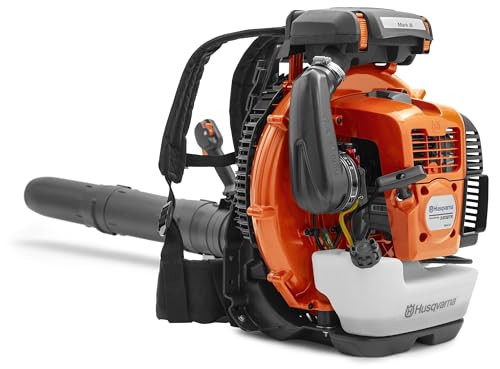
- Strong rated output of 1000 CFM, 220 MPH, and 47 N blow force
- Ventilated ergonomic harness with load-distributing hip belt
- Two-stage intake air filtration protects engine in dusty jobs
- Intuitive tube-mounted throttle control
Cons
- Substantial 34-pound weight can lead to operator fatigue
- Requires ongoing 2-cycle fuel mixing and maintenance
Why Backpack Blower Weight Is a Physics Problem, Not a Marketing Number
Weight on a backpack blower is not a single number. It is a distributed load acting on your shoulders, spine, and hips while you walk on uneven ground, swing a nozzle, and absorb vibration. The published “dry weight” from manufacturers excludes fuel, oil, battery, and tube attachments, which routinely adds 2 to 5 pounds in real use.
Two physical principles govern how heavy a unit feels: For broader ecosystem context, read through our operational guide on how to choose leaf blower.
1. Load placement determines torque on the spine. A 22-pound unit centered high on the shoulders creates a longer moment arm against your lumbar spine than a 26-pound unit with a padded hip belt that seats the mass on the iliac crest. This is why a heavier professional unit with a proper harness often feels lighter than a cheap 18-pound unit with thin straps.
2. Static weight is not dynamic weight. Walking speed, terrain slope, and nozzle swing all multiply the effective load. On a 10-degree slope, the same blower exerts roughly 17 percent more force along the direction of travel. Carrying a unit for 60 minutes at 3 mph with a swinging nozzle produces cumulative fatigue that a static scale reading does not capture.
Backpack Blower Weight Ranges by Category
The table below consolidates manufacturer-published dry weights across the current market. “Dry weight” means the unit with no fuel, no oil mix, no battery, and no tube extension installed.
| Category | Engine / Motor | Dry Weight Range | Wet / Ready Weight | Typical CFM | Best For |
|---|---|---|---|---|---|
| Light homeowner gas | 25 to 30cc 2-stroke | 17 to 20 lb | 19 to 23 lb | 450 to 650 | Small to medium lots, 1/4 acre or less |
| Mid-range gas | 34 to 43cc 2-stroke | 20 to 24 lb | 22 to 27 lb | 600 to 750 | 1/4 to 1/2 acre, moderate leaf load |
| Prosumer gas | 50 to 63cc 2-stroke | 24 to 28 lb | 26 to 32 lb | 700 to 900 | 1/2 to 1 acre, heavy fall cleanup |
| Professional gas | 63 to 75cc 2-stroke | 28 to 34 lb | 30 to 38 lb | 900 to 1100+ | Commercial routes, acre-plus properties |
| Battery backpack | 54V-80V brushless | 17 to 23 lb | 20 to 27 lb (with battery) | 500 to 750 | Noise-restricted areas, moderate jobs |
| Commercial battery | 80V-90V brushless | 22 to 28 lb | 25 to 32 lb (with battery) | 700 to 1000 | Pro crews in emission-restricted zones |
Key takeaway: The average homeowner gas backpack blower lands between 20 and 25 pounds dry. Professional units push past 30 pounds. Battery units are lighter on paper, but a 40V lithium-ion battery typically adds between 2.5 and 4.5 pounds to the dry weight, narrowing the gap considerably.
The Weight Budget: What Actually Adds Pounds
Before comparing models, understand the full weight budget. A blower listed at 22 pounds can realistically weigh 27 pounds in working condition.
Gas Units: Fuel and Oil Mix
Gasoline weighs approximately 6.1 pounds per gallon. A typical backpack blower tank holds 40 to 70 ounces (0.31 to 0.55 gallons), adding 1.9 to 3.3 pounds when full. Two-stroke oil mix adds a negligible amount (roughly 0.1 to 0.2 pounds for a full tank at 50:1 ratio), but the fuel itself is the dominant variable. Operators who run tanks half-full save roughly 1 to 1.5 pounds per session.
Battery Units: The Hidden Mass
Battery weight scales with voltage and amp-hour rating. A 54V 5.0Ah battery pack weighs approximately 5 to 6 pounds. An 80V 5.0Ah pack can exceed 7 pounds. Some commercial battery backpacks use dual-battery configurations, pushing total battery mass past 10 pounds. Always verify whether the manufacturer’s listed weight includes the battery or excludes it.
Attachments and Accessories
Nozzle extensions, flat-floor nozzles, and gutter-cleaning attachments add 0.5 to 2 pounds. A padded harness upgrade (aftermarket) adds 0.5 to 1.5 pounds but often reduces perceived fatigue by more than the mass it adds. Hip belts, chest straps, and lumbar pads are the highest-return weight additions you can make.
Diagnostic Matrix: Is Your Blower Too Heavy for You?
Use this step-by-step diagnostic to determine whether a specific blower weight is appropriate for your physical capacity and property size.
The Physics of Harness Design: Why 30 Pounds Can Feel Like 20
A well-designed backpack harness does not reduce the blower’s mass. It changes how that mass is distributed across your body. The biomechanical goal is to transfer load from the shoulders (which fatigue quickly) to the pelvis (which is structurally designed to carry weight).
Load Transfer Mechanics
When a hip belt is properly adjusted, it seats against the iliac crest (the top of your hip bones) and transfers 60 to 70 percent of the blower’s weight directly to your skeletal structure. Without a hip belt, 100 percent of the load hangs from the shoulder straps, compressing the trapezius muscles and pulling the spine into forward flexion. Over a 60-minute session, this difference is the boundary between finishing comfortably and stopping early.
Harness Adjustment Checklist
Follow these steps to properly fit a backpack blower harness:
- Set the hip belt first. Stand upright, place the belt so its center sits 1 to 2 inches above your hip bones, and tighten until snug. You should feel the blower’s weight resting on your hips, not hanging from your shoulders.
- Adjust shoulder straps second. Tighten until the blower sits close to your back with no gap. The straps should contact your shoulders evenly without digging in.
- Set the sternum strap. Position it at mid-chest height. This prevents shoulder straps from sliding outward during nozzle swings.
- Check the load lifter straps (if equipped). These small straps at the top of the shoulder straps pull the blower’s top closer to your back, reducing the backward pull that strains the lower back.
- Walk and swing the nozzle. The blower should not bounce or shift. If it does, tighten the hip belt before adjusting anything else.
Weight vs. Power: The Trade-Off Every Buyer Faces
Heavier blowers generally produce more air volume. This is not a coincidence: larger engines and bigger fan housings generate more CFM, and those components have mass. The practical question is whether you need that extra air volume enough to justify carrying the extra weight.
Practical rule: If your current blower leaves behind a significant percentage of leaves after two passes, you need more CFM, not a lighter unit. If you find yourself stopping early due to shoulder or back fatigue, you need a lighter unit or a better harness, not more power.
Gas vs. Battery: Weight Implications for Real Jobs
The gas or electric leaf blower comparison comes down to more than weight. Gas units carry fuel mass but deliver longer runtime and higher peak CFM. Battery units are lighter initially but gain weight as batteries are added, and runtime is limited by charge cycles.
Gas Backpack Blowers
Typical dry weight: 20 to 34 pounds. Full tank adds 2 to 3.5 pounds. Runtime is limited only by fuel capacity (typically 45 to 80 minutes per tank). Gas units dominate in raw power and sustained output, making them the standard for properties over half an acre or for commercial use. The trade-off is noise (typically 70 to 80 dB at the operator’s ear), emissions, and maintenance requirements.
Battery Backpack Blowers
Typical dry weight: 17 to 28 pounds, depending on voltage class. A single 54V 5.0Ah battery adds approximately 5 to 6 pounds. Runtime per charge is typically 20 to 45 minutes at full throttle, less than most gas tanks. Battery units are the correct choice in noise-restricted neighborhoods, enclosed areas, or for operators who want to avoid fuel handling. They are less suitable for large properties with heavy leaf loads unless you invest in multiple batteries and a rapid charger.
For a detailed breakdown of both platforms, see our cordless leaf blowers guide.
Backpack vs. Handheld: Weight Distribution Changes Everything
Handheld blowers weigh 4 to 10 pounds. Backpack blowers weigh 17 to 34 pounds. On paper, the backpack unit is dramatically heavier. In practice, the backpack unit is often less fatiguing for jobs longer than 20 minutes because the load is distributed across the torso rather than concentrated in one hand and wrist.
A handheld blower places 100 percent of its mass on one arm, creating a cantilever effect that multiplies the effective load on the wrist, forearm, and shoulder. A 7-pound handheld held at arm’s length for 30 minutes produces significant localized muscle fatigue. A 22-pound backpack with a proper hip belt distributes that load across both shoulders and the pelvis, allowing any single muscle group to work below its fatigue threshold.
For a full comparison of form factors, see our backpack vs handheld blowers guide.
Maintenance Intervals That Affect Weight and Performance
Neglected maintenance does not just reduce performance. Clogged air filters, worn spark plugs, and degraded fuel lines increase vibration, which accelerates operator fatigue and makes a blower feel heavier than it is. Follow these intervals to keep your unit performing as designed.
For a deeper dive into outdoor power equipment maintenance practices, see our guide to chainsaw and outdoor tool maintenance.
Operator Safety and Physical Limits
Backpack blowers are heavy, vibrating machines operating near your head and ears. Weight is only one of several physical demands. The engine sits close to the operator’s ears, making hearing protection essential. Gas units also produce exhaust that should not be directed toward people, pets, or open windows.
Before operating any backpack blower, review the manufacturer’s safety documentation and applicable OSHA equipment safety regulations if you are operating in a commercial context. At minimum:
- Wear hearing protection rated for the blower’s dB output (typically NRR 25 or higher for gas units).
- Wear eye protection and sturdy footwear.
- Never operate a backpack blower if you have an acute back, shoulder, or neck injury without medical clearance.
- Take a 10-minute rest break for every 45 to 60 minutes of continuous operation.
- Stay hydrated during extended sessions, especially in warm weather.
Common Questions on How Much Do Backpack Leaf Blowers Weigh Answered
What is the average weight of a backpack leaf blower?
The average homeowner-grade backpack leaf blower weighs 20 to 25 pounds dry. Professional gas units range from 28 to 34 pounds. Battery-powered backpack blowers typically weigh 17 to 23 pounds without the battery, or 20 to 27 pounds with a battery installed.
Does a heavier backpack blower mean more power?
Generally, yes. Heavier units contain larger engines or more powerful motors and bigger fan housings, which produce higher CFM and MPH ratings. However, weight alone is not a reliable indicator. Always check the CFM and MPH specifications rather than assuming a heavier unit is more capable.
How do I reduce the weight of my backpack blower?
Run the fuel tank half-full to save 1 to 1.5 pounds. Remove unnecessary nozzle attachments. Switch to a lighter battery if you are using a battery unit. Most importantly, invest in a padded hip belt and properly adjust the harness, which does not reduce weight but significantly reduces perceived load.
Are battery backpack blowers lighter than gas?
Battery units are typically 2 to 5 pounds lighter than comparable gas units on a dry-weight basis. However, once a high-capacity battery is installed, the difference narrows to 1 to 3 pounds. Battery units also eliminate the weight of fuel, which is their main weight advantage in real-world use.
Can a backpack blower be too heavy for someone with a bad back?
Yes, but the answer depends on the harness design and the individual’s condition. A backpack blower with a proper padded hip belt that transfers load to the hips is often more suitable for people with lower back issues than a handheld blower, which concentrates weight on one arm and wrist. Anyone with a spinal condition should consult a physician before operating any backpack blower and should prioritize units under 22 pounds with a full suspension harness.
How much does fuel add to the weight of a gas backpack blower?
Gasoline weighs approximately 6.1 pounds per gallon. A typical backpack blower tank holds 40 to 70 ounces, adding 1.9 to 3.3 pounds when full. Two-stroke oil mix adds a negligible amount (roughly 0.1 to 0.2 pounds at a 50:1 ratio). Operators who run tanks half-full save 1 to 1.5 pounds per session.
What weight should I target for my property size?
For properties under 1/4 acre, target 17 to 20 pounds. For 1/4 to 1/2 acre, 20 to 24 pounds is appropriate. For 1/2 to 1 acre, 24 to 28 pounds balances power and portability. For properties over 1 acre with heavy leaf cover, 28 to 34 pounds is justified by the additional air volume required.
Final Verdict: Choosing the Right How Much Do Backpack Leaf Blowers Weigh
Backpack leaf blowers weigh between 17 and 34 pounds, with the sweet spot for most homeowners landing at 20 to 25 pounds dry. The number that matters most is not the scale reading but the harness quality and how well the unit’s power output matches your property. A 22-pound unit with a proper hip belt and adequate CFM will outperform a 30-pound unit with a thin strap harness on almost any residential lot.
Before purchasing, calculate your full weight budget (dry weight plus fuel or battery), verify the harness has a padded hip belt, and match the CFM rating to your property size and leaf load. If you are still comparing platforms, start with our gas or electric leaf blower comparison to determine which power source fits your situation, then narrow down to specific models within your target weight class.
Weight vs. Power: The Trade-Off Every Buyer Faces
Heavier blowers generally produce more air volume. This is not a coincidence: larger engines and bigger fan housings generate more CFM, and those components have mass. The practical question is whether you need that extra air volume enough to justify carrying the extra weight.
Practical rule: If your current blower leaves behind a significant percentage of leaves after two passes, you need more CFM, not a lighter unit. If you find yourself stopping early due to shoulder or back fatigue, you need a lighter unit or a better harness, not more power.
Gas vs. Battery: Weight Implications for Real Jobs
The gas or electric leaf blower comparison comes down to more than weight. Gas units carry fuel mass but deliver longer runtime and higher peak CFM. Battery units are lighter initially but gain weight as batteries are added, and runtime is limited by charge cycles.
Gas Backpack Blowers
Typical dry weight: 20 to 34 pounds. Full tank adds 2 to 3.5 pounds. Runtime is limited only by fuel capacity (typically 45 to 80 minutes per tank). Gas units dominate in raw power and sustained output, making them the standard for properties over half an acre or for commercial use. The trade-off is noise (typically 70 to 80 dB at the operator’s ear), emissions, and maintenance requirements.
Battery Backpack Blowers
Typical dry weight: 17 to 28 pounds, depending on voltage class. A single 54V 5.0Ah battery adds approximately 5 to 6 pounds. Runtime per charge is typically 20 to 45 minutes at full throttle, less than most gas tanks. Battery units are the correct choice in noise-restricted neighborhoods, enclosed areas, or for operators who want to avoid fuel handling. They are less suitable for large properties with heavy leaf loads unless you invest in multiple batteries and a rapid charger.
For a detailed breakdown of both platforms, see our cordless leaf blowers guide.
Backpack vs. Handheld: Weight Distribution Changes Everything
Handheld blowers weigh 4 to 10 pounds. Backpack blowers weigh 17 to 34 pounds. On paper, the backpack unit is dramatically heavier. In practice, the backpack unit is often less fatiguing for jobs longer than 20 minutes because the load is distributed across the torso rather than concentrated in one hand and wrist.
A handheld blower places 100 percent of its mass on one arm, creating a cantilever effect that multiplies the effective load on the wrist, forearm, and shoulder. A 7-pound handheld held at arm’s length for 30 minutes produces significant localized muscle fatigue. A 22-pound backpack with a proper hip belt distributes that load across both shoulders and the pelvis, allowing any single muscle group to work below its fatigue threshold.
For a full comparison of form factors, see our backpack vs handheld blowers guide.
Maintenance Intervals That Affect Weight and Performance
Neglected maintenance does not just reduce performance. Clogged air filters, worn spark plugs, and degraded fuel lines increase vibration, which accelerates operator fatigue and makes a blower feel heavier than it is. Follow these intervals to keep your unit performing as designed.
For a deeper dive into outdoor power equipment maintenance practices, see our guide to chainsaw and outdoor tool maintenance.
Operator Safety and Physical Limits
Backpack blowers are heavy, vibrating machines operating near your head and ears. Weight is only one of several physical demands. The engine sits close to the operator’s ears, making hearing protection essential. Gas units also produce exhaust that should not be directed toward people, pets, or open windows.
Before operating any backpack blower, review the manufacturer’s safety documentation and applicable OSHA equipment safety regulations if you are operating in a commercial context. At minimum:
- Wear hearing protection rated for the blower’s dB output (typically NRR 25 or higher for gas units).
- Wear eye protection and sturdy footwear.
- Never operate a backpack blower if you have an acute back, shoulder, or neck injury without medical clearance.
- Take a 10-minute rest break for every 45 to 60 minutes of continuous operation.
- Stay hydrated during extended sessions, especially in warm weather.
Common Questions on How Much Do Backpack Leaf Blowers Weigh Answered
What is the average weight of a backpack leaf blower?
The average homeowner-grade backpack leaf blower weighs 20 to 25 pounds dry. Professional gas units range from 28 to 34 pounds. Battery-powered backpack blowers typically weigh 17 to 23 pounds without the battery, or 20 to 27 pounds with a battery installed.
Does a heavier backpack blower mean more power?
Generally, yes. Heavier units contain larger engines or more powerful motors and bigger fan housings, which produce higher CFM and MPH ratings. However, weight alone is not a reliable indicator. Always check the CFM and MPH specifications rather than assuming a heavier unit is more capable.
How do I reduce the weight of my backpack blower?
Run the fuel tank half-full to save 1 to 1.5 pounds. Remove unnecessary nozzle attachments. Switch to a lighter battery if you are using a battery unit. Most importantly, invest in a padded hip belt and properly adjust the harness, which does not reduce weight but significantly reduces perceived load.
Are battery backpack blowers lighter than gas?
Battery units are typically 2 to 5 pounds lighter than comparable gas units on a dry-weight basis. However, once a high-capacity battery is installed, the difference narrows to 1 to 3 pounds. Battery units also eliminate the weight of fuel, which is their main weight advantage in real-world use.
Can a backpack blower be too heavy for someone with a bad back?
Yes, but the answer depends on the harness design and the individual’s condition. A backpack blower with a proper padded hip belt that transfers load to the hips is often more suitable for people with lower back issues than a handheld blower, which concentrates weight on one arm and wrist. Anyone with a spinal condition should consult a physician before operating any backpack blower and should prioritize units under 22 pounds with a full suspension harness.
How much does fuel add to the weight of a gas backpack blower?
Gasoline weighs approximately 6.1 pounds per gallon. A typical backpack blower tank holds 40 to 70 ounces, adding 1.9 to 3.3 pounds when full. Two-stroke oil mix adds a negligible amount (roughly 0.1 to 0.2 pounds at a 50:1 ratio). Operators who run tanks half-full save 1 to 1.5 pounds per session.
What weight should I target for my property size?
For properties under 1/4 acre, target 17 to 20 pounds. For 1/4 to 1/2 acre, 20 to 24 pounds is appropriate. For 1/2 to 1 acre, 24 to 28 pounds balances power and portability. For properties over 1 acre with heavy leaf cover, 28 to 34 pounds is justified by the additional air volume required.
Final Verdict: Choosing the Right How Much Do Backpack Leaf Blowers Weigh
Backpack leaf blowers weigh between 17 and 34 pounds, with the sweet spot for most homeowners landing at 20 to 25 pounds dry. The number that matters most is not the scale reading but the harness quality and how well the unit’s power output matches your property. A 22-pound unit with a proper hip belt and adequate CFM will outperform a 30-pound unit with a thin strap harness on almost any residential lot.
Before purchasing, calculate your full weight budget (dry weight plus fuel or battery), verify the harness has a padded hip belt, and match the CFM rating to your property size and leaf load. If you are still comparing platforms, start with our gas or electric leaf blower comparison to determine which power source fits your situation, then narrow down to specific models within your target weight class.
Weight of Backpack Blowers
Backpack blowers vary in weight, and the figure listed on the manual or product page includes the harness and engine or battery. Compare the number against your comfort and fitness level. For a general safety primer on outdoor power equipment, visit American National Standards Institute (ANSI).