Quick Answer: How Much Is A Blower
A blower costs $30 to $2,400 depending on type: corded electric ($30–$100), cordless battery ($130–$200), gas handheld ($150–$350), backpack gas ($300–$600), and walk-behind ($800–$2,400). HVAC furnace blower motors run $180–$650 for parts plus $150–$400 labor. Match the blower’s CFM and mph to your yard size before buying.
Pros
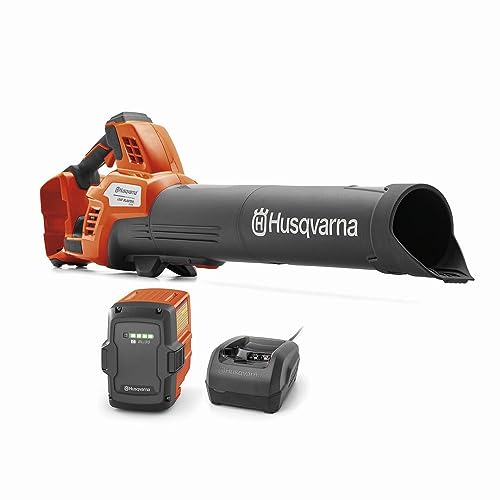
- Produces up to a rated 765 CFM of blowing power
- Variable-speed trigger offers customizable air delivery
- Includes a 56V 5.0Ah battery and matching charger
Cons
- High-output operation can significantly reduce runtime per charge
- 5.0Ah battery adds noticeable weight for single-handed work
Pros
- M18 FUEL system utilizes dual battery power for high output
- Cordless design offers unrestricted portability across large areas
- Integrates with the Milwaukee M18 tool ecosystem
Cons
- Tool only; requires two M18 batteries and a charger sold separately
- Dual batteries increase overall handheld carrying weight
Pros
- Offers up to a manufacturer-rated 700 CFM air volume
- Brushless motor ensures efficient power delivery
- Includes a 4.0Ah battery and rapid charger
Cons
- The 60V battery pack adds weight during extended handheld use
Why Blower Prices Vary So Widely
The word “blower” covers two completely different product categories: outdoor leaf blowers and HVAC furnace blower motors. Each has its own price structure, physics, and failure modes. Understanding which one you’re asking about is the first step to budgeting correctly.
For outdoor equipment, price is driven by three engineering variables: airflow (CFM), air velocity (mph), and power source. For HVAC, price is driven by motor type (PSC vs. variable-speed), horsepower, and whether you’re replacing just the motor or the entire blower assembly.
Leaf Blower Price Breakdown by Type (2026)
1. Corded Electric Blowers — $30 to $100
These plug into a standard 120V outlet and deliver roughly 400–600 CFM at 130–180 mph. They’re the cheapest option because they have no battery, no fuel system, and no internal combustion engine. The trade-off is the 100-foot cord limit and lower peak power. They’re ideal for patios, driveways, and small lawns under 2,000 square feet.
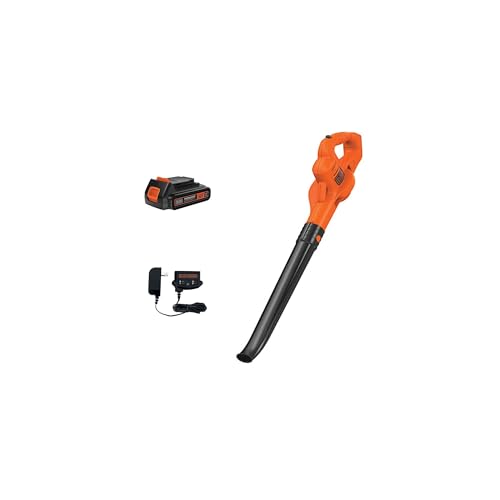
2. Cordless Battery Blowers — $130 to $200
Battery-powered models sit between corded and gas in price. Most run on 40V–60V lithium-ion packs and produce 450–700 CFM. The real cost driver is the battery and charger, which can account for 40% of the purchase price. If you already own a battery platform (like a drill or mower from the same brand), buy a “tool-only” blower to save $50–$100. Runtime typically ranges from 15 to 45 minutes per charge.
These work best for small yards with few trees. As noted in our cordless leaf blowers guide, they don’t pack the sustained punch of gas models for heavy, wet leaf piles.
3. Gas Handheld Blowers — $150 to $350
Two-stroke gas handhelds deliver 450–700 CFM at 170–220 mph. They cost more than electric because of the engine, carburetor, and fuel system. Expect to pay $25–$40 extra for a quality 2-cycle oil mix and fuel stabilizer. These handle medium yards (up to 1 acre) and wet leaves better than electric models.
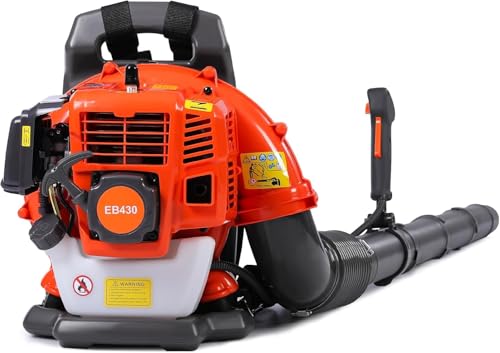
4. Backpack Gas Blowers — $300 to $600
Backpack blowers shift the engine weight onto your back and shoulders, which is far easier on your arms than a handheld. They produce the highest airflow of any residential unit — typically 700–900 CFM at 200–230 mph — and can move wet leaves with ease. The higher price reflects a larger engine (25–35cc), better vibration isolation, and commercial-grade components. See our backpack vs handheld blowers comparison for the ergonomic and power trade-offs.
5. Walk-Behind Blowers — $800 to $2,400
These are essentially self-propelled machines with a large impeller and a 200–400cc engine. They move 2,000–3,000 CFM, making them the most powerful option. They’re heavy (150+ lbs), expensive, and primarily used by commercial landscapers and property managers. For most homeowners, a backpack unit delivers 90% of the performance at a fraction of the cost.
The Physics: Why CFM and mph Matter for Price
Two numbers define blower performance, and both directly correlate with price:
- CFM (Cubic Feet per Minute) — the volume of air moved. This determines how much leaf mass you can push. Higher CFM means you can clear wider swaths and denser piles.
- mph (Miles per Hour) — the velocity of that air. This determines how far you can move leaves and whether you can dislodge wet, matted debris.
Think of it this way: CFM is the “width” of your air stream, and mph is the “force.” A blower with high CFM but low mph moves a wide, gentle stream — good for open lawns. A blower with high mph but low CFM produces a narrow, powerful jet — good for blowing leaves out of tight corners and flower beds. The most expensive units optimize both.
For a gas or electric leaf blower comparison, remember that gas engines sustain peak CFM continuously, while battery units may throttle down as the pack drains to protect the cells.
Furnace Blower Motor Costs (HVAC)
If your question is about your home’s heating system, the pricing is entirely different. The furnace blower motor moves heated (or cooled) air through your ductwork. When it fails, you’ll notice weak airflow, cold air blowing even when the furnace runs, or a humming sound with no fan spin.
Motor-Only Costs by Type
| Motor Type | Part Cost | Notes |
|---|---|---|
| PSC (single-speed) | $180–$650 | On/off only, one speed, less efficient |
| Variable-speed (ECM) | $600–$1,500 | Quieter, more efficient, consistent temps |
| Blower wheel (squirrel cage) | $25–$300 | Often fails from dirt buildup or bad bearings |
Permanent Split Capacitor (PSC) motors are the older, simpler design — they’re either fully on or fully off. Variable-speed (ECM) motors ramp up and down, use less electricity, and provide more even temperatures, which justifies the higher price.
Total Installed Cost
Expect to pay $150–$400 in labor on top of the part. Total installed cost typically lands between $350 and $1,900, depending on motor type and accessibility. A variable-speed motor installed in a tight crawlspace will sit at the top of that range.
Step-by-Step Diagnostic: Is It the Blower or Something Else?
Before spending money on a replacement, run this diagnostic sequence. It prevents the classic mistake of replacing a blower motor when the real problem is elsewhere.
Step 1: Verify Power to the Motor
- Turn off the furnace at the breaker.
- Check the blower motor’s capacitor — a bulged or leaking capacitor is a common, cheap failure ($10–$30 part).
- Use a multimeter to confirm 120V reaches the motor terminals when the thermostat calls for heat.
Step 2: Check the Blower Wheel
- Remove the blower access panel.
- Spin the wheel by hand — it should rotate freely without scraping.
- Inspect for dirt buildup, cracked fins, or a loose set screw on the shaft.
Dirt accumulation on the wheel throws it out of balance and stresses the motor bearings. Annual HVAC maintenance prevents most of these failures.
Step 3: Test the Motor Bearings
- With power off, rotate the shaft by hand.
- Listen for grinding or roughness — that indicates worn bearings.
- If bearings are shot, replace the motor; bearing replacement alone rarely outlasts the motor.
DIY vs. Professional Replacement
Replacing a furnace blower motor is technically DIY-able, but it’s easy to hit a snag. You might install a new motor only to discover the real issue was a failed control board, a clogged filter, or a faulty thermostat. If you misdiagnose, you’ve spent $200–$600 on a part you didn’t need.
For leaf blowers, DIY maintenance is straightforward and cheap: clean the air filter, replace the spark plug annually, and use fresh fuel with stabilizer. These steps extend engine life and are covered in our chainsaw and outdoor tool maintenance guide, which applies the same principles to all small engines.
Budget-Saving Strategies
- Buy tool-only if you already own the battery platform — saves $50–$100.
- Match the unit to your yard — don’t buy a $500 backpack blower for a 3,000 sq ft lot.
- Use standard duct fittings for HVAC replacements to avoid custom fabrication costs.
- Schedule annual maintenance — a $100 tune-up prevents a $1,500 motor replacement.
- Compare regional quotes — labor rates vary 5–10% by region.
Safety Considerations
Gas blowers produce carbon monoxide and high noise levels (often 100+ dB). Always operate outdoors, wear hearing protection, and follow manufacturer guidelines. For commercial use, review OSHA equipment safety regulations for noise exposure limits and PPE requirements.
For further specifications and verified tests, explore our breakdown of gas blower.
Final Verdict: What Should You Pay?
For a typical homeowner clearing a small-to-medium yard, a $130–$200 cordless blower is the best value. For larger properties or wet leaves, step up to a $300–$600 backpack unit. For HVAC, budget $350–$900 for a standard PSC motor replacement, and only pay the premium for variable-speed if you plan to stay in the home long enough to recoup the energy savings.