Direct Answer: How Often to Sharpen Mower Blades
Sharpen mower blades every 20 to 50 hours of use or 1 to 2 times per season for residential mowers. For frequent users or commercial applications, sharpen every 10 to 20 hours. The best indicator is blade condition: if grass appears torn or ragged rather than cleanly cut, or if the mower requires more power to cut, it’s time to sharpen. Inspect blades visually before each season and after hitting hard objects.
Signs Your Mower Blades Need Sharpening
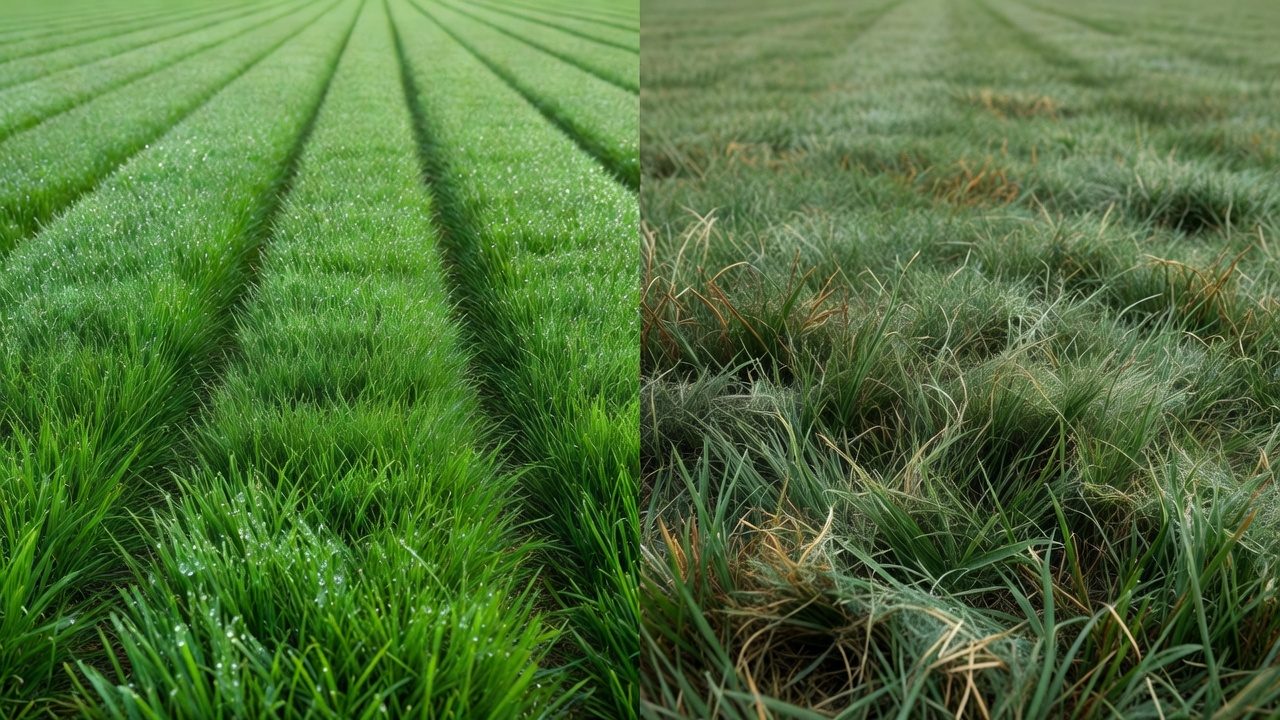
Dull mower blades don’t cut grass cleanly, they tear and shred the grass blade instead. This damaged grass turns brown at the tips within days, looks unhealthy, and becomes more susceptible to disease and stress. Here are the most reliable signs your blades need attention:
- Ragged, torn grass tips: The most obvious indicator. Look at freshly cut grass from a few feet away. Sharp blades leave clean, even cut lines; dull blades leave a fuzzy, torn appearance.
- Increased mower vibration: Dull, unbalanced blades vibrate more, making the mower harder to control and reducing comfort during use.
- Slower cutting speed: The mower requires more throttle or multiple passes over the same area to achieve the same cutting results.
- Uneven cutting height: One blade may be duller than others, creating visible stripes or patterns across your lawn.
- Brown or discolored grass within days: Torn grass tips oxidize and brown faster than cleanly cut grass, even with proper watering.
- Increased fuel consumption: A dull blade forces the engine to work harder, reducing efficiency.
The grass appearance test is your quickest diagnostic tool. Mow a small section and inspect the cut grass closely. If tips appear torn rather than cleanly severed, sharpening is overdue.
Sharpening Frequency by Usage Pattern
The ideal sharpening schedule depends on how intensively you use your mower. Different usage levels demand different maintenance frequencies:
Casual Homeowners (1 to 2 times per week during growing season)
Most residential lawn care falls into this category. A typical lawn mowed once or twice weekly during the growing season requires sharpening 1 to 2 times per season, usually once in spring and again in mid-summer if mowing frequently. This translates to roughly every 20 to 40 operating hours. If you mow a half-acre lawn weekly for 16 weeks with an hour of mowing time per week, that’s approximately 16 operating hours per season, so one mid-season sharpening may suffice.
Frequent or Intensive Users (3+ times per week, larger properties)
Property managers, landscapers, or homeowners with larger lawns may mow 20 to 30 hours per month during peak season. These operators should sharpen every 15 to 25 hours of use, which may mean monthly maintenance or every 2 to 3 weeks during active season. More frequent sharpening prevents the blades from becoming severely dull and maintains consistent cutting quality.
Commercial or Professional Mowers
Commercial mowing operations typically sharpen blades every 10 to 20 operating hours to maintain professional cut quality and prevent excessive wear on equipment. Some commercial operators sharpen daily or between every few jobs, depending on terrain and grass conditions. The higher cost of frequent sharpening is offset by faster mowing, better results, and reduced wear on the mower engine.
Seasonal Considerations
Spring sharpening before the growing season begins is essential. Many operators then sharpen mid-season (July) if using the mower heavily. Fall sharpening before winterization ensures your mower is ready for next season and prevents blade oxidation during storage. In tropical or year-round growing climates, treat sharpening as a monthly or bi-weekly maintenance task rather than seasonal.
Factors That Affect Sharpening Intervals
Blade dulling speed isn’t uniform across all lawns and conditions. Several variables accelerate or slow the dulling process: When planning workspace deployment, consider the engineering criteria outlined in our marshall stanmore iii vs harman kardon onyx studio 8 guide.
Grass Type and Texture
Coarse, dense grasses (like Bermuda, St. Augustine, or zoysia) dull blades faster than fine-textured grasses (Kentucky bluegrass, perennial ryegrass). Thicker grass requires more cutting force and creates more blade friction. If you have tough grass species, expect to sharpen 25% more frequently than average schedules.
Soil and Terrain Conditions
Moist, well-maintained soil is gentler on blades. Dry, hard, or compacted soil creates more blade contact stress. Sandy soils are particularly harsh because sand particles wear down blade edges rapidly. Rocky or uneven terrain increases the risk of the blade striking stones or debris, causing immediate dulling or damage. Wet grass also requires sharper blades than dry grass, as moisture adds weight and resistance. For additional operational safety benchmarks, see our published testing notes on dyson v8 cyclone vs bissell featherweight stick.
Debris and Foreign Objects
Hitting rocks, sticks, pinecones, or hardened soil chunks rapidly dulls or chips blade edges. Even small impacts accumulate over time. Lawns near driveways, under trees, or in areas prone to debris accumulation will require more frequent sharpening. Always inspect your lawn for debris before mowing, especially after storms.
Mower Deck Cleanliness
Grass clippings and dried sap buildup on the mower deck increase friction and may cause the blade to work harder. Regular deck cleaning between mowings reduces unnecessary blade wear and contributes to longer intervals between sharpenings. To compare alternative configurations, check our hands-on review of bissell crosswave hydrosteam vs shark stainforce.
Blade Quality and Material
Higher-quality blades made from hardened steel retain sharp edges longer than budget blades. Premium blades may last 15 to 20% longer between sharpenings. However, even premium blades follow the same usage-hour guidelines; they simply start sharper and maintain that edge longer.
Blade Type and Sharpening Considerations
Different mower types have different blade designs and maintenance schedules:
Rotary Mower Blades
Rotary mowers use high-speed spinning blades with cutting edges on the ends. These are the most common residential mower type. Rotary blade sharpening follows the standard 20 to 50 hour schedule. Rotary blades are relatively easy to remove and sharpen with a file or grinder. After sharpening, verify that blade balance hasn’t shifted (an unbalanced blade vibrates excessively and can damage the mower). Always disconnect the spark plug wires before handling blades.
Reel Mower Blades
Reel mowers use a cylinder of spiral blades that work against a stationary bed knife, similar to scissors. Reel mowers require more precision maintenance than rotary mowers. The blades and bed knife must remain in alignment and equally sharp. Reel mower users typically sharpen every 15 to 25 operating hours or follow manufacturer guidelines. Reel mower maintenance is more technical and may require professional service. However, reel mowers produce the finest cut and are popular for premium lawn care.
Mulching Blades vs. Standard Blades
Mulching blades have a curved design that lifts and recuts grass clippings multiple times. This curved design dulls slightly faster than standard blades due to increased blade contact with clippings and soil. Mulching blade users may need to sharpen 10 to 15% more frequently than those using standard blades, though the difference is often negligible with regular maintenance.
Basic Blade Inspection Steps
You don’t need specialized tools to assess blade condition. Follow these simple steps to inspect your mower blades safely:
- Disconnect the spark plug wires before any blade work. This prevents accidental starting and is the most critical safety step.
- Tip the mower on its side (air filter side up to prevent oil leakage into the filter). Use a block or jack to keep it stable.
- Look at the blade edge with good lighting. Run your finger lightly along the cutting edge (don’t press hard). A sharp blade feels like a fresh razor; a dull blade feels flat or rounded.
- Check for visible damage: Look for chips, cracks, bent sections, or rust. Minor chips can be filed smooth; major damage requires blade replacement.
- Verify blade balance: Hang the blade on a nail through its center hole. Both sides should be approximately level. If one side hangs lower, the blade is unbalanced and needs correcting before use.
- Inspect for debris buildup: Remove accumulated grass, dirt, or sap with a scraper or brush. This doesn’t affect sharpness but reduces unnecessary friction.
Perform this inspection at the start of mowing season, after hitting any hard objects, and whenever you notice performance changes. Many operators inspect blades every 4 to 6 weeks during active mowing season as a routine maintenance step.
Sharpening vs. Replacement
Blades can typically be sharpened 3 to 5 times before replacement becomes necessary. Once a blade has been sharpened multiple times, the metal thins and becomes more prone to chipping or damage. Replace blades when:
- Chips or cracks are visible in the cutting edge
- The blade is bent or warped
- Rust or corrosion has compromised the blade structure
- Multiple sharpenings haven’t restored adequate cutting performance
- The blade has lost significant metal due to repeated grinding
Replacement blades are inexpensive (typically $15 to 40 per blade) compared to the wear on your mower engine from using dull blades. Many operators replace blades annually rather than attempting multiple sharpenings.
Everything You Need to Know: How Often Sharpen Mower Blades FAQ
Can I sharpen mower blades myself, or should I have them professionally sharpened?
You can sharpen rotary mower blades yourself using a metal file, angle grinder, or bench grinder. The key is maintaining blade balance, an unbalanced blade causes vibration and engine damage. If you’re uncomfortable with the process or unsure about balance, professional sharpening ($10 to 25 per blade) ensures quality and safety. Reel mower sharpening is more complex and typically requires professional service.
How long does blade sharpening take?
DIY rotary blade sharpening takes 15 to 30 minutes for two blades once you’re familiar with the process. Remove the blade, secure it in a vice, file or grind the cutting edge at the original angle (typically 30 to 45 degrees), check balance, and reinstall. Professional sharpening takes 24 to 48 hours including turnaround time, though some shops offer same-day service.
What’s the difference between sharpening and replacing mower blades?
Sharpening removes a small amount of metal to restore the cutting edge. Replacement installs a brand-new blade. New blades always cut better initially, but a properly sharpened blade performs nearly as well as a new one if the base metal is undamaged. Budget $15 to 40 for replacement blades versus $10 to 25 for professional sharpening.
Does mowing wet grass dull blades faster?
Wet grass is heavier and more resistant to cutting, which increases blade wear slightly. Mowing wet grass once or twice won’t significantly accelerate dulling, but regular mowing of wet grass (wet weather climates, frequent irrigation) may reduce intervals by 10 to 15%. When possible, mow dry grass to extend blade life and improve cutting quality.
Blade Sharpening Safety Context
How often a blade needs sharpening depends on the lawn, the soil, and how frequently the mower runs. A dull edge tears grass rather than cutting it cleanly, which can change the look of the turf. For general background on handling cutting tools safely, consult American National Standards Institute (ANSI).