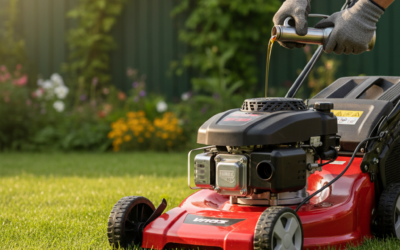
Direct Answer: How to Build a Lawn Mower Racer
Building a lawn mower racer involves selecting a commercial riding mower with a 16-20 HP engine, systematically modifying the engine through carburetor tuning and intake upgrades, reinforcing the chassis with a roll cage and safety bars, and installing racing-grade brakes and steering components. Most successful builders join an organized racing league like the United States Lawn Mower Racing Association (USLMRA) first to understand competition rules, then follow a structured modification sequence that prioritizes engine performance, weight reduction, and safety compliance. The entire process typically takes 40-80 hours for a beginner build and costs $800-$2,500 for a competitive entry-level racer.
Understanding Lawn Mower Racing and Competition Structure
Lawn mower racing has evolved from backyard hobby into organized competitive racing with formal leagues, sanctioned events, and established speed records. The USLMRA, founded in the 1990s, sets standardized rules for competition classes and hosts regional and national championships where racers compete for titles and purses. Racing events typically occur at local fairgrounds or dedicated tracks, with races ranging from quarter-mile sprints to endurance events.
Competition divides into multiple classes based on engine modifications and specifications:
- Stock Class: Unmodified commercial mowers with 16+ HP engines, minimal alterations permitted
- Modified Class: Carburetor tuning, air intake upgrades, and exhaust modifications allowed; engine displacement limited
- Open Class: Extensive engine work, turbocharging, supercharging, and custom fabrication permitted with few restrictions
- Vintage Class: Original equipment from specific decades, preserved authenticity required
Understanding your target class before beginning modifications prevents wasted effort on disqualifying upgrades. Most first-time builders start with Modified Class rules since they balance accessibility with competitive performance.
Selecting the Right Starting Mower
Mower selection determines your project’s foundation and potential performance ceiling. Riding mowers outperform walk-behind units due to weight, stability, and engine accessibility. Target commercially-built mowers rather than consumer models, as they feature reinforced frames and proven reliability at higher RPMs.
Ideal specifications for racing mowers:
- Engine type: Air-cooled Kohler, Briggs & Stratton, or Kawasaki engines in the 16-20 HP range are racing standards due to abundant aftermarket support and established tuning techniques
- Engine displacement: 400-600cc engines provide adequate base power for entry-level builds with room for modification
- Transmission: Hydrostatic or gear-drive transmissions preferred; hydrostatic systems offer smoother power delivery for racing applications
- Deck size: 42-60 inch decks provide adequate chassis rigidity for reinforcement and weight distribution
- Condition: Low-hour used commercial mowers offer better value; verify compression and lack of internal damage before purchase
Commonly successful racing platforms include John Deere residential models, Kubota garden tractors, and MTD commercial mowers. Avoid consumer-grade lawn mowers with cast-iron blocks showing corrosion or mowers with sealed engines designed for tamper-proofing.
Essential Engine Modifications for Performance Gains
Engine modifications form the core of lawn mower racing performance. The modification sequence typically follows this progression:
Phase 1: Carburetor and Fuel System Tuning
Carburetor tuning delivers 5-10 horsepower gains without engine disassembly. Stock carburetors run lean to meet emissions standards; racing modifications optimize fuel mixture for maximum combustion efficiency:
- Replace the stock carburetor with a performance-oriented unit (Holley, Mikuni, or Dellorto models common in racing applications)
- Adjust needle and seat positions to richen the fuel mixture, providing optimal power band response
- Install a high-flow fuel pump to ensure adequate delivery at elevated RPMs
- Use racing-grade fuel (91+ octane) to prevent detonation during aggressive tuning
Phase 2: Intake and Exhaust Modifications
Unrestricted air intake and exhaust flow increase engine breathing, adding 8-15 horsepower:
- Replace the stock air filter with a high-flow foam filter or open-element design
- Modify or remove the air intake snorkel to allow cooler ambient air directly into the carburetor
- Install an aftermarket exhaust manifold and muffler designed for racing applications, reducing backpressure
- Port and polish the cylinder head intake ports to smooth air flow paths (requires basic machining)
Phase 3: Advanced Engine Work
Internal modifications require engine disassembly and machining expertise, adding 15-30+ horsepower:
- Boring and stroking: Increase engine displacement from 500cc to 650cc+ by boring cylinders and installing a longer crankshaft stroke
- Valve job: Enlarge intake and exhaust valves, grind valve seats, and modify valve timing for peak power delivery
- Compression ratio increase: Mill the cylinder head to raise compression ratio from stock 8:1 to 10-12:1, improving combustion efficiency
- Balanced rotating assembly: Dynamically balance the crankshaft and connecting rods to enable higher safe RPMs
Forced Induction: Turbocharging and Supercharging
Forced induction represents the upper performance tier, common in Open Class racing. Turbochargers and superchargers add 30-50+ horsepower:
- Turbocharger: Uses exhaust gases to spin a turbine that compresses intake air; requires custom exhaust manifold, intercooler, and engine management tuning; adds weight but provides superior efficiency
- Supercharger: Belt-driven compressor mounted directly to the engine; adds weight but provides immediate boost without turbo lag; common in lawn mower racing due to simplicity
- Limitations: Both require fuel system upgrades, engine reinforcement, and extensive tuning; most effective on builds with internal engine modifications
Chassis Reinforcement and Safety Requirements
Racing speeds demand structural reinforcement and mandatory safety equipment. USLMRA and most local racing leagues require:
- Roll cage or frame bars: Metal tubing (1.5-2 inch diameter) welded to the mower frame, protecting the operator from rollover injury
- Seat belts: Racing-grade 4 or 5-point harness systems rated for off-road use
- Helmet: DOT or Snell-certified motorcycle or racing helmet mandatory for all competitors
- Engine kill switch: Accessible emergency stop button positioned on the frame within driver reach
- Braking system upgrade: Replace stock mechanical brakes with hydraulic racing brakes (mechanical disc or caliper systems) to handle increased stopping demands
- Steering reinforcement: Reinforce steering shaft and tie-rod connections to handle aggressive cornering without deflection
Welding the roll cage and structural components requires basic welding competency. Many racing communities offer welding services or connect builders with certified welders. Improper welds create catastrophic failure risks during competition; prioritize quality over speed.
Weight Reduction and Performance Optimization
Reducing weight directly improves acceleration and top speed. Strategic component removal and replacement saves 50-150 pounds:
- Remove unused components: Grass chute, discharge cover, unused hydraulic lines, heavy battery (replace with lightweight lithium if electrical systems required)
- Replace deck: Substitute the stock steel deck with aluminum or composite alternatives, saving 40-60 pounds
- Lighten wheels and tires: Switch to smaller diameter racing wheels with DOT-approved racing tires (narrower than stock)
- Reduce fuel tank capacity: Replace the stock tank with a smaller tank sized for race duration (typically 2-5 gallon capacity for sprint events)
Aerodynamic modifications provide marginal but measurable gains. Fairing designs that reduce wind resistance are primarily seen in open-class builds with custom fabrication.
Transmission and Drivetrain Tuning
Transmission ratios fundamentally affect acceleration versus top speed. Understanding gear ratios guides modification strategy:
- Stock hydrostatic transmissions: Variable ratio systems that automatically adjust; acceptable for Modified Class but lack the precision of manual tuning
- Gear ratio modification: Changing sprocket sizes or pulley ratios alters power delivery; lower ratios improve acceleration, higher ratios increase top speed
- Manual transmission conversion: Advanced builders replace hydrostatic systems with manual gearboxes, typically automotive 4 or 5-speed units, enabling track-optimized gear selection
Step-by-Step Build Process and Timeline
Weeks 1-2: Planning and Research
- Join USLMRA or your local racing league; obtain current competition rules
- Research your target competition class and winning build specifications
- Connect with experienced builders in online forums or local clubs
- Source a suitable starting mower
Weeks 3-4: Chassis Preparation
- Clean and inspect the mower frame for damage or corrosion
- Design and fabricate the roll cage and safety frame
- Install seat belts and engine kill switch
- Replace or upgrade braking components
Weeks 5-8: Engine Modifications
- Remove the engine and perform carburetor replacement and tuning
- Install intake and exhaust modifications
- Perform compression testing and baseline dyno testing if available
- Reassemble engine with fresh seals and gaskets
Weeks 9-10: Weight Reduction and Detailing
- Remove non-essential components and replace heavy parts with lighter alternatives
- Upgrade wheels and tires
- Perform final wiring and fuel system checks
Week 11+: Testing and Tuning
- Perform track testing at a private area or sanctioned event
- Document baseline performance metrics (top speed, acceleration times)
- Fine-tune carburetor settings and fuel mixture based on real-world performance
- Address mechanical issues and safety concerns before competition entry
Total build timeline for a beginner-to-intermediate build: 40-80 hours spread over 8-12 weeks.
Budget Planning and Cost Estimates
Beginner Build ($800-$1,500):
- Used mower: $200-$400
- Carburetor and fuel system: $150-$250
- Intake and exhaust modifications: $100-$200
- Roll cage materials and welding: $200-$400
- Brakes, belts, and safety equipment: $150-$250
Intermediate Build ($1,500-$3,500):
- Used or low-hour mower: $300-$600
- Performance carburetor and fuel system: $200-$350
- Port and polish head work: $300-$500
- Custom exhaust and intake: $250-$400
- Professional roll cage fabrication: $300-$500
- Upgraded braking system: $200-$300
- Lightweight wheels and tires: $150-$250
Competitive Open Class Build ($4,000-$8,000+):
- Engine displacement increase and internal machining: $1,500-$3,000
- Turbocharger or supercharger system: $1,200-$2,500
- Custom transmission or gear ratio conversion: $800-$1,500
- Professional welding and fabrication: $500-$1,000
- Racing fuel and premium components: $300-$500
Used parts from salvage yards, online marketplaces, and racing community classifieds reduce costs significantly. Many builders sell surplus components or complete builds, offering opportunities for budget-conscious racers.
Finding Racing Communities and Technical Resources
Racing Organizations:
- USLMRA (United States Lawn Mower Racing Association): National governing body; hosts regional and national championships; website provides event schedules and competition rules
- Regional racing circuits: State and local racing associations often operate independently with similar formats; contact local fairgrounds for information
Online Communities and Technical Resources:
- Dedicated lawn mower racing forums and Facebook groups connect builders, share technical advice, and post event results
- YouTube channels featuring builds, track testing, and performance comparison provide visual technical guidance
- Equipment manufacturers (Kohler, Briggs & Stratton) publish technical manuals and tuning guides applicable to racing applications
Finding Local Events:
- USLMRA website lists sanctioned events by state and region
- Local fairgrounds and speedways often host lawn mower racing as annual attractions
- Regional racing clubs organize monthly or seasonal events with open registration
Frequently Asked Questions
Can you build a competitive lawn mower racer without welding experience?
Yes, but with limitations. Roll cage fabrication typically requires welding or professional fabrication services. Many racing communities include experienced welders who perform work at reasonable rates. Alternatively, some manufacturers sell bolt-together roll cage kits designed for specific mower models, eliminating the welding requirement. For your first build, consider outsourcing fabrication to ensure safety compliance.
What is the fastest lawn mower racer ever built?
The USLMRA land speed record for a lawn mower racer stands at 96.6 mph, set in 2023 in the Open Class division. This extreme build featured a heavily modified Kawasaki engine with forced induction, custom transmission, and purpose-built chassis. Stock Class records hover around 50-55 mph. Most competitive racing events feature top speeds between 45-70 mph depending on class and track configuration.
How much horsepower can you safely get from a lawn mower engine?
Stock 16-20 HP engines safely handle 30-40 horsepower with carburetor tuning and intake/exhaust modifications. Advanced engine work (boring, stroking, valve modifications) enables 50-60 horsepower builds. Forced induction systems push beyond 70+ horsepower, but require significant engine reinforcement, premium fuel, and precise tuning. Operating beyond the engine’s mechanical limits risks catastrophic failure; most racers target 1.5-2.5 times stock horsepower as a reasonable performance ceiling.
What is the biggest mistake first-time builders make?
Skipping the research phase and joining a racing league before building. Understanding your competition class rules prevents expensive modifications that violate regulations or disqualify your racer. Second common mistake: neglecting safety equipment or using substandard welds on the roll cage. Your safety investment pays dividends immediately.