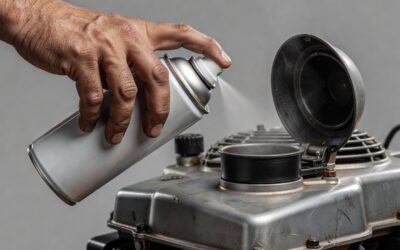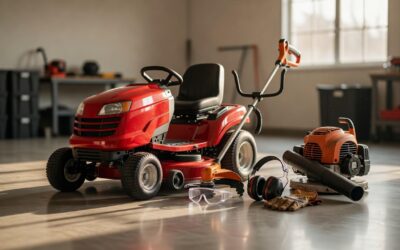
Building a lawn mower racer involves selecting a suitable base mower, understanding racing class rules, performing key mechanical modifications to the engine, drivetrain, and chassis, and implementing critical safety features. This comprehensive guide walks you through each phase of the conversion process, from initial assessment through final technical inspection, helping you transform a standard riding mower into a competitive racing machine.
Understanding Lawn Mower Racing Classes and Rules
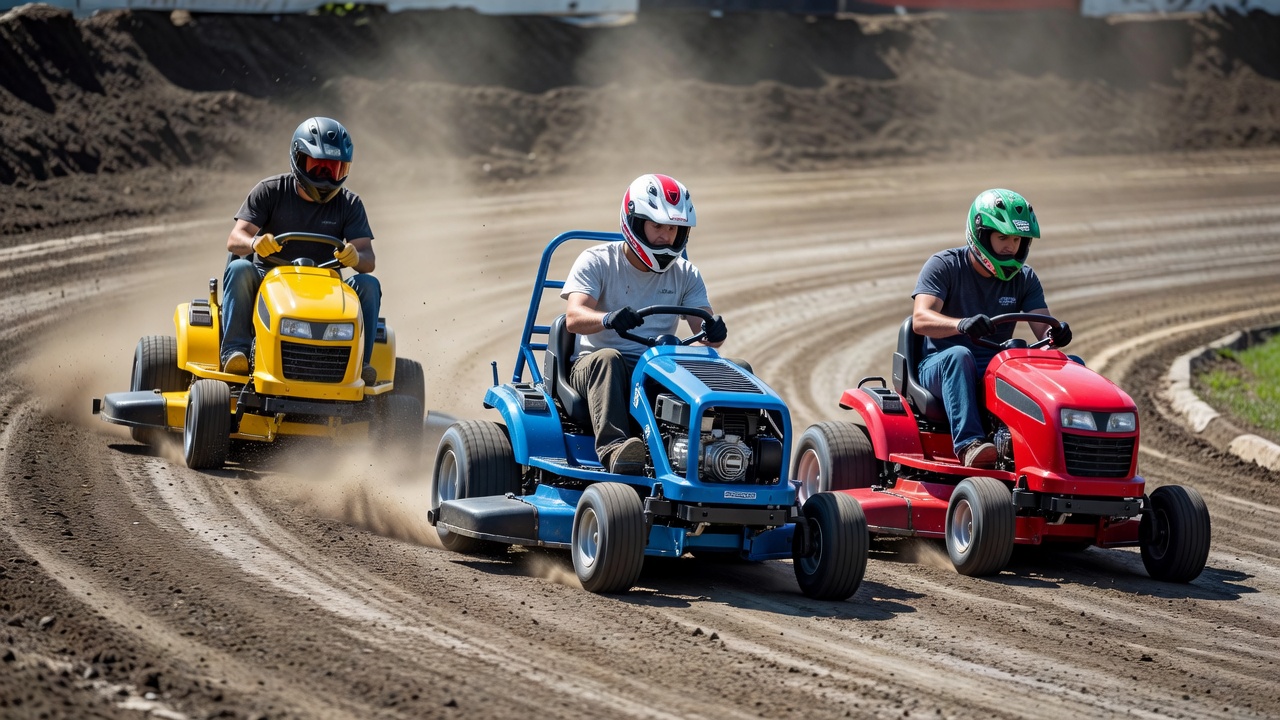
Before turning a wrench, you need to understand the framework that governs lawn mower racing. Different organizations and tracks maintain specific rules that dictate everything from engine displacement limits to required safety equipment. These regulations exist to ensure competitive fairness and, more importantly, to protect drivers during high-speed operation.
The primary racing classes typically include Stock, Modified, and Hydrostatic categories. Stock classes generally retain the original engine and drivetrain components with only minor performance allowances. Modified classes permit significant engine swaps, transmission changes, and chassis alterations that substantially increase speed and handling capability. Hydrostatic classes utilize the transmission technology found in many modern riding mowers, with rules focusing on maintaining that specific drivetrain configuration while allowing engine modifications.
Locating the official rulebook for your intended racing organization should be your first research step. These documents specify permissible modifications, safety requirements, vehicle inspection criteria, and driver eligibility standards. Rules vary between regional organizations, so confirm the requirements for your specific location before beginning your build. Understanding these parameters early prevents costly modifications that might violate your chosen class regulations.
Selecting a Base Lawn Mower for Conversion
The foundation of a successful racing mower build begins with selecting the right donor vehicle. Whether you choose a used riding mower from a private seller or a dedicated racing chassis from a manufacturer, this decision significantly impacts your project’s complexity, cost, and competitive potential.
When evaluating used riding mowers, prioritize models with robust frames capable of handling increased power and structural modifications. Examine the engine compartment for mounting points that will accommodate performance engines or engine swaps. The transmission type matters considerably—manual transmissions offer more driver control and are preferred in many racing applications, while automatic or hydrostatic units may limit your class options depending on your racing goals.
Assess the overall structural integrity of potential donor mowers carefully. Check the frame for rust, cracks, or prior accident damage. Inspect mounting points for the engine, rear axle, and steering components. A mower with a solid frame and minimal structural issues provides a better starting point, even if it requires more mechanical attention elsewhere.
Dedicated racing chassis represent an alternative approach. These purpose-built frames arrive pre-engineered for racing applications, often featuring reinforced mounting points, improved weight distribution, and compatibility with common racing components. The trade-off involves higher initial cost but potentially reduced fabrication requirements during assembly.
Key Mechanical Modifications for Racing
Transforming a lawn mower into a competitive racer requires systematic modifications across multiple vehicle systems. Each change should serve a specific performance or safety purpose while remaining compliant with your selected racing class rules.
Engine Modifications and Upgrades
The engine determines your mower’s speed potential and reliability under racing conditions. Stock lawn mower engines typically require modification or replacement to achieve competitive performance levels. Common approaches include rebuilding the original engine with performance components such as upgraded carburetors, performance air filters, modified cam shafts, and improved exhaust systems.
Many racers opt for engine swaps to larger displacement motors from utility vehicles or compact equipment. These replacements require custom mounting brackets, driveshaft modifications, and fuel system upgrades. Regardless of your engine choice, ensure adequate cooling capacity for sustained operation at higher speeds—lawn mower cooling systems often require enhancement to handle racing workloads.
Fuel system modifications typically include upgrading the fuel pump, enlarging fuel lines, and installing a performance carburetor or fuel injection system. These changes improve fuel delivery consistency during aggressive acceleration and cornering that would starve a stock fuel system.
Drivetrain Modifications
The drivetrain transfers engine power to the wheels and significantly influences acceleration, top speed, and driver control. Clutch selection becomes critical for manual transmission conversions. Torque converter systems, commonly used in racing applications, provide adjustable gear ratios and smoother power delivery compared to standard belt-driven setups.
Transmission modifications may involve strengthening existing units, installing heavy-duty replacements, or configuring jack shaft assemblies that allow multiple gear ratios within the limited space of a mower chassis. Chain final drives offer durability advantages over belt systems in racing conditions, though they require proper tensioning mechanisms and guard installations for safety.
Axle strength deserves serious attention, especially if you increase power output beyond stock levels. Upgraded axles, differential modifications, and reinforced mounting points prevent failures during competitive operation. Consult with experienced racers or builders familiar with your specific platform to identify common failure points and recommended upgrades.
Chassis and Steering Improvements
Lawn mower frames require reinforcement to handle the stresses of racing. Welding additional cross bracing, installing subframe connectors, and adding plate steel to high-stress areas improve structural rigidity. These modifications prevent frame flex that causes handling instability and component fatigue failures.
Steering system upgrades often include replacing stock linkages with heim joint rod ends for precise adjustment and improved responsiveness. Quick-ratio steering boxes from compatible vehicles can reduce driver effort while increasing control precision. Ensure steering components clear all moving parts and allow full suspension travel without binding or interference.
Weight reduction provides performance benefits by decreasing overall vehicle mass. Remove non-essential components such as grass cutting decks, discharge chutes, and decorative covers. However, maintain necessary structural elements and never compromise safety equipment installation for marginal weight savings.
Essential Safety Equipment and Installation
Safety modifications represent non-negotiable requirements for any racing mower. The confined nature of mower chassis combined with increased speeds creates conditions where proper safety equipment determines outcomes in failure scenarios.
Roll Cages and Roll Protection
A properly installed roll cage protects the driver during rollovers and provides structural reinforcement for the chassis. Construction typically uses DOM steel tubing with minimum wall thickness specified by racing regulations. The cage design must include main hoops, diagonal bracing, and door bars on both sides of the vehicle.
Welding quality matters critically for roll cage integrity. All joints should receive full penetration welds, and the cage must attach securely to the vehicle frame at multiple strong points. Professional fabrication or consultation with experienced builders is strongly recommended for this component.
Driver Restraint Systems
Racing harnesses limit driver movement during competition and provide essential protection during impacts. Multi-point harness systems with shoulder, lap, and sub-belt configurations offer superior retention compared to standard seat belts. The harness must anchor to reinforced frame points capable of withstanding extreme forces without failure.
Install quick-release buckle mechanisms that allow rapid driver exit during emergencies. Route harness straps without twists and verify freedom of movement for all steering and control inputs before competition.
Kill Switches and Emergency Systems
Engine kill switches provide immediate power shutdown from both inside and outside the vehicle. Mount kill switches in accessible locations that allow marshals or bystanders to stop the engine if the driver becomes incapacitated. The switch must interrupt the ignition circuit and preferably the fuel pump circuit simultaneously.
Fire suppression systems, while not required in all racing classes, provide valuable protection during fuel system or engine compartment fires. Small extinguishers mounted securely within driver reach offer quick response capability.
Personal Protective Equipment
Driver safety gear complements vehicle safety systems. Racing helmets meeting current safety standards protect against head injuries during collisions or rollovers. Fire-resistant racing suits, gloves, and shoes provide protection during extended competition and potential fire situations.
Required Tools, Parts, and Fabrication Skills
Building a racing mower demands mechanical capability, appropriate tools, and realistic assessment of your fabrication skill level. Some tasks suit competent home mechanics, while others require professional services or specialized equipment.
Essential Tools
Basic mechanical tools form the foundation of any mower build: socket sets, wrenches, screwdrivers, and pliers in various sizes. Additional specialized tools include engine hoists or cherry pickers for engine removal and installation, transmission jacks for heavy transmission work, and precision measuring tools for alignment and assembly tasks.
Welding equipment, particularly MIG or TIG welders capable of working with thin steel sheet and tubing, proves essential for structural modifications and roll cage fabrication. Plasma cutters or angle grinders with cutting discs handle metal fabrication tasks. A well-equipped workshop with adequate lighting and workspace improves build quality and safety.
Fabrication Skills
Metal fabrication skills directly influence build possibilities and quality. Competency in welding, metal cutting, drilling, and bending allows custom mounting solutions and structural modifications. If your fabrication skills are limited, consider professional assistance for critical structural work such as roll cage construction or frame reinforcement.
Electrical system knowledge helps with kill switch installation, lighting additions, and instrument wiring. Understanding of fuel system plumbing, cooling system design, and hydraulic brake systems expands your modification capabilities.
Parts Sourcing
Performance parts sources include specialty racing suppliers, salvage yards, and online marketplaces. Many components from all-terrain vehicles, go-karts, and compact equipment interchange with lawn mower racing applications. Building relationships with suppliers and other racers provides access to knowledge, discount pricing, and hard-to-find items.
Legal Requirements and Final Checks
Before your racing mower reaches the track, several administrative and technical requirements demand attention to ensure compliance and safe operation.
Registration and Documentation
Vehicle registration requirements vary by jurisdiction. Some areas classify racing mowers as off-highway vehicles exempt from standard vehicle registration, while others may require special documentation or titling procedures. Contact your local motor vehicle authority to understand requirements applicable to your location.
Racing organizations typically require membership, vehicle registration with the organization, and proof of insurance meeting their minimum coverage requirements. These administrative steps must complete before official competition participation.
Technical Inspection
Pre-race technical inspections verify safety compliance and rule adherence before competition. Inspectors examine roll cage construction, harness installation, kill switch functionality, brake performance, steering system security, and general vehicle condition. Addressing any deficiencies before arriving at inspection saves time and prevents exclusion from competition.
Conduct your own thorough inspection before any track time. Verify all fasteners are properly tightened, fluid levels are correct, and all safety equipment remains securely mounted. Document any concerns and address them before driving the vehicle at speed.
Maintenance Practices
Regular maintenance ensures continued safe operation and reliable competition performance. Establish maintenance schedules based on usage intensity, checking fluid levels, fastener security, and component wear after each event or significant operating period.
Keep detailed records of modifications, repairs, and maintenance activities. These records help identify recurring issues, document inspection compliance, and provide valuable information for future upgrades or troubleshooting.
Frequently Asked Questions
What is the top speed of a modified racing lawn mower?
Speeds vary significantly based on modifications, class regulations, and vehicle weight. Modified racing mowers can achieve speeds well beyond standard lawn mower capabilities, though actual performance depends on engine selection, drivetrain configuration, and overall vehicle setup.
Do I need a special license to race a lawn mower?
Licensing requirements depend on the specific racing organization and jurisdiction. Most recreational racing organizations require membership and may have minimum age requirements but do not require standard driver’s licenses since these vehicles operate on private tracks rather than public roads.
How much does building a racing lawn mower cost?
Costs vary enormously based on your starting point, desired performance level, and whether you perform labor yourself or hire fabrication work. A basic stock-class conversion may cost relatively little, while a fully modified racing machine represents a significant investment comparable to other motorsports hobbies.
Can I use any lawn mower as a base for racing?
Most riding lawn mowers can serve as racing platforms, but certain designs offer advantages. Mowers with welded frames, manual transmissions, and robust rear axle assemblies generally provide better foundations for racing conversions. Front engine, rear-wheel-drive configurations typically work best for racing applications.
Building a lawn mower racer rewards mechanical skill, creative problem-solving, and dedication to safe practices. By following established rules, prioritizing safety equipment, and methodically approaching each modification, you can create a competitive racing machine that provides years of motorsport enjoyment.