Identify Your Craftsman Mower Type
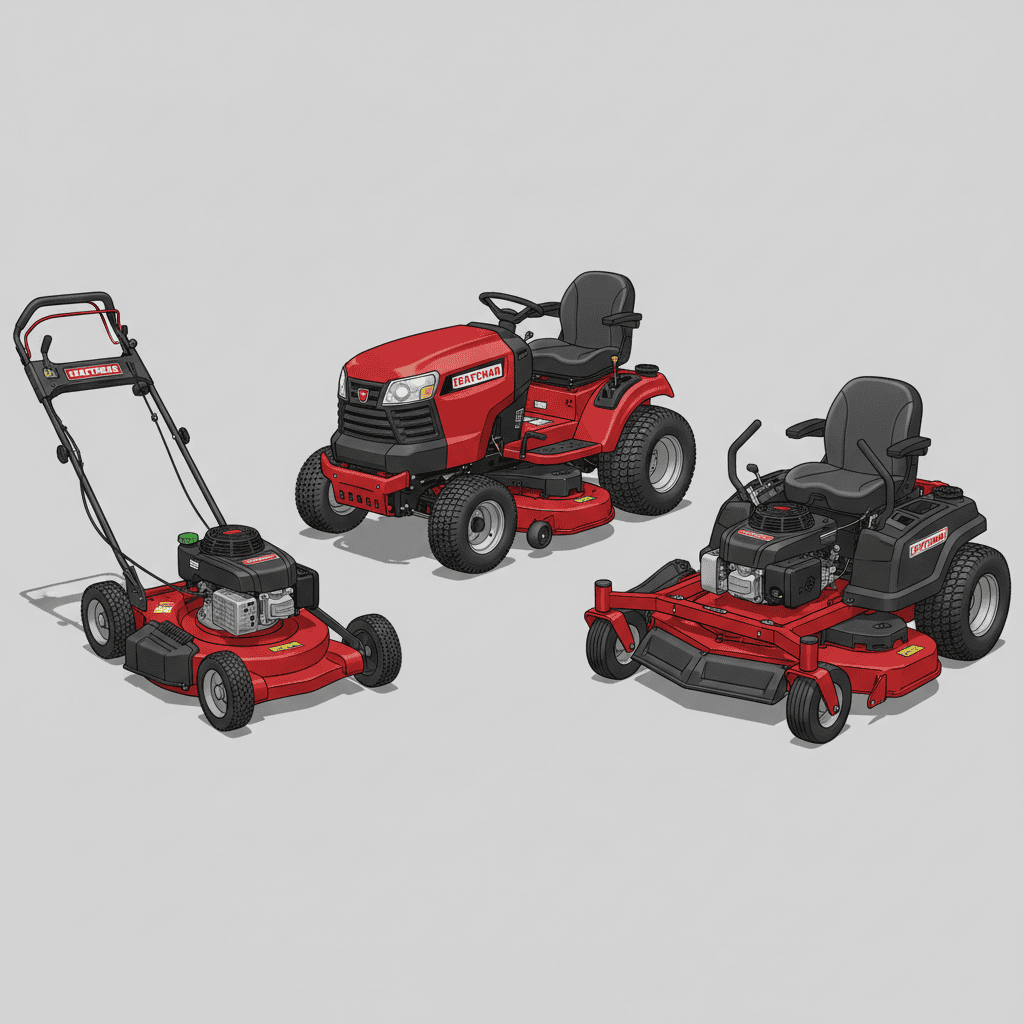
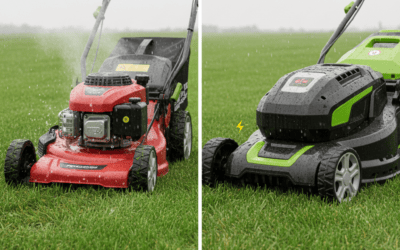
Craftsman manufactures three primary lawn mower categories, and the oil change procedure varies slightly by type:
- Push Mowers: Walk-behind models with horizontal or vertical engines. Oil drain plugs are typically accessed from underneath the deck or through a side access panel.
- Riding Mowers: Sit-down models with larger engines mounted vertically. These often have more accessible drain plugs located on the engine block or sump.
- Zero-Turn Mowers: Commercial-style models with hydraulic systems and vertical engines. Oil change procedures are similar to riding mowers but may have additional considerations.
Before starting, locate your model number (typically on a decal near the engine or on the frame) and find your owner’s manual online or in your documentation. Your specific model year determines oil capacity and type recommendations.
Safety Precautions Before Starting
Proper safety preparation protects you and your equipment:
- Cool the Engine: Run the mower for a few minutes, then allow the engine to cool for 15 minutes. Warm oil drains faster and flows more easily, but hot oil can cause burns.
- Wear Protective Gear: Use nitrile gloves to protect your hands, and consider wearing an old shirt you don’t mind staining. Safety glasses protect against splashing.
- Work on Level Ground: Park your mower on a flat, level surface to ensure you get an accurate oil level reading and prevent spills.
- Disconnect the Spark Plug: For push mowers, disconnect the spark plug wire to prevent accidental starting. For riding mowers, turn off the ignition and engage the parking brake.
- Choose the Right Location: Perform the oil change in an area where spilled oil won’t damage surfaces. A garage, driveway, or work area with absorbent material is ideal.
Locating the Oil Drain Plug and Filter
The drain plug location differs between mower types:
Push Mower Drain Plugs:
- Tip the mower on its side (consult your manual for the correct direction—tipping the wrong way can flood the carburetor).
- The drain plug is usually a bolt or threaded cap on the engine block near the bottom.
- Some models have a drain tube that directs oil to a collection point.
Riding Mower Drain Plugs:
- Access is typically from underneath the mower, between or near the wheels.
- You may need to remove a belly pan or access cover to reach it.
- The plug is usually a large hex bolt that unscrews clockwise.
Oil Filters:
- Not all Craftsman mowers have replaceable oil filters. Push mowers often have no filter, while many riding mowers do.
- If your model has a filter (typically a spin-on cartridge), it’s located near the drain plug on the engine block.
- Check your owner’s manual to confirm whether your model requires filter replacement.
Step-by-Step Oil Change Process
Step 1: Prepare Your Workspace
Place an oil collection container (at least 2-quart capacity) beneath the drain plug. Have clean rags, a wrench set, and your owner’s manual nearby.
Step 2: Drain the Old Oil
- Using a wrench, slowly loosen the drain plug by turning it counterclockwise.
- Once loosened by hand, carefully unscrew it the rest of the way (oil may still be warm).
- Allow old oil to drain completely into your container—this may take 5-10 minutes.
- Wipe the drain plug clean with a rag and inspect the rubber washer or O-ring for cracks or damage. Replace if necessary.
Step 3: Replace the Oil Filter (If Applicable)
- Locate the oil filter (if your model has one) on the engine block.
- Place a container underneath to catch residual oil.
- Using an oil filter wrench, turn the filter counterclockwise to loosen it, then unscrew by hand.
- Clean the filter mounting surface with a clean rag.
- Apply a thin layer of new oil to the rubber gasket on the new filter.
- Hand-tighten the new filter until the gasket contacts the mounting surface, then turn an additional three-quarter turn.
Step 4: Reinstall the Drain Plug
- Thread the drain plug back into the opening by hand to avoid cross-threading.
- Using a wrench, tighten it securely but do not over-tighten, as this can strip threads or crack the engine block.
- Aim for a snug fit—typically 15-25 foot-pounds of torque, though most home mechanics achieve this by feel.
Step 5: Add New Oil
- Locate the oil fill cap (usually labeled “Oil” on top of the engine).
- Remove the cap and set it aside on a clean surface.
- Using a funnel to prevent spills, pour in approximately 75% of the recommended oil capacity.
- Wait a minute for the oil to settle in the pan.
- Insert the dipstick (or remove it if already inserted) and wipe it clean.
- Reinsert the dipstick fully, then remove it again to check the level.
- Add oil in small increments until the level reaches the “full” mark on the dipstick.
Step 6: Verify and Reinstall the Fill Cap
- Double-check that the oil level is at the full mark—neither overfilled nor underfilled.
- Reinstall the oil fill cap securely.
- For push mowers, return the mower to its normal operating position.
Determining the Correct Oil Type and Capacity
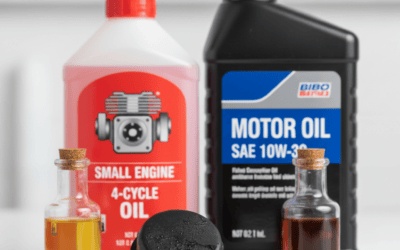
Using the wrong oil can damage your engine. Your owner’s manual specifies the exact requirements for your model.
| Oil Grade | Best For | Temperature Range |
|---|---|---|
| SAE 30 | Warm climates, temperatures above 50°F | Warmer conditions |
| 10W-30 | Most regions; year-round use in moderate climates | -4°F to 100°F |
| 5W-30 | Cold climates, temperatures below 50°F | -13°F to 100°F |
| SAE 10W | Cold-weather regions only | Very cold climates |
Oil Capacity by Mower Type:
- Push Mowers: 15-20 ounces (most common)
- Riding Mowers: 36-48 ounces (varies significantly by engine size)
- Zero-Turn Mowers: 48-64 ounces (check manual for exact specs)
Always use the oil type and capacity specified in your owner’s manual. Overfilling causes excessive pressure and leaks; underfilling leads to engine wear and potential damage.
Oil Change Maintenance Schedule
Regular oil changes extend engine life and improve performance. Craftsman recommends the following intervals:
- New Mowers (First Season): Change oil after the first 5 hours of operation, then every 50 hours or annually.
- Established Mowers: Change oil every 50-100 hours of use or at least once per season (typically spring before heavy use).
- Frequent Users: If you mow more than once weekly or maintain a large property, change oil every 25-50 hours.
- Seasonal Storage: Change oil before storing the mower for winter to prevent acid buildup in the crankcase.
Many users find it simplest to change oil once per season at the beginning of mowing season. Keep a maintenance log to track when you last changed oil.
Disposing of Old Oil Safely
Improper disposal of used motor oil harms the environment and may violate local regulations.
- Never pour oil down drains, sewers, or into the ground. Used oil contaminates water supplies and persists in soil for years.
- Local Auto Parts Retailers: Most shops (AutoZone, Advance Auto Parts, NAPA) accept used oil free of charge.
- Municipal Hazardous Waste Facilities: Check your county or city website for collection dates and drop-off locations.
- Recycling Centers: Many communities have dedicated recycling centers accepting used oil.
- Quick-Lube Shops: Even if you don’t service your mower there, many accept small quantities of used oil for a small fee.
- Storage: If immediate disposal isn’t possible, store used oil in a sealed, labeled container away from children and pets.
Troubleshooting Common Oil Change Issues
The Oil Won’t Drain Completely
This typically occurs when oil is too cold and viscous. Try gently warming the engine again for a few minutes, or wait until the next warm day to complete the drain.
The Drain Plug Is Stuck
Apply penetrating oil (like WD-40) around the plug and wait 15 minutes. Use a rubber grip or strap wrench for better traction. If still stuck, consult a repair shop to avoid stripping the threads.
You’ve Overfilled with Oil
Overfilled engines may leak or lose power. Place the mower on level ground, locate the fill cap, and use a turkey baster or siphon to remove excess oil until the dipstick reads “full.”
The Mower Won’t Start After an Oil Change
Verify you used the correct oil type and didn’t overfill. For push mowers, confirm the spark plug is properly reconnected. For riding mowers, check that the oil level sensor (if equipped) isn’t blocking fuel flow.
Oil Leaks After Refilling
The drain plug washer may be damaged, or the plug may be over-tightened. Drain the mower again, replace the washer, and reinstall the plug with proper tension.
Frequently Asked Questions
How often should I check the oil between changes?
Check oil level monthly during mowing season or before each use if you mow frequently. A quick dipstick check takes seconds and prevents engine damage from low oil. Top up with the correct oil type if the level is low.
Can I use synthetic oil in my Craftsman mower?
Most modern Craftsman mowers accept synthetic or synthetic-blend oils, which provide better protection in extreme temperatures and extend intervals. However, some older models require conventional oil. Check your owner’s manual to confirm compatibility. Synthetic oils are more expensive but may reduce oil change frequency to every 100+ hours.
What happens if I use the wrong oil grade?
Using oil that’s too thick (high SAE rating) in cold weather causes hard starting and poor flow, straining the engine. Oil that’s too thin (low SAE rating) in hot weather breaks down faster and provides insufficient protection. Always match the grade to your climate and use the manufacturer-recommended type.
Is it necessary to replace the oil filter every time?
If your mower has a replaceable filter, replace it every other oil change at minimum, or with every change if you use the mower frequently or in dusty conditions. A clogged filter reduces oil circulation and engine performance. Some users replace filters annually regardless of oil change frequency.
Can I change oil myself, or should I take my mower to a shop?
Changing oil is a straightforward task suitable for most homeowners with basic tools. The process takes 20-30 minutes. If you’re uncomfortable working on equipment, lack the proper disposal method, or have mobility limitations, professional service is reasonable and typically costs $50-$100 depending on your mower type.