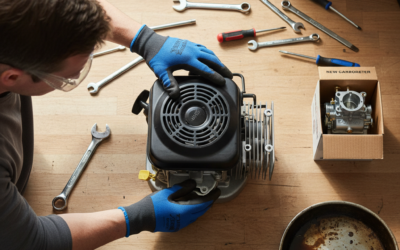
How to Change Oil on a Riding Lawn Mower: Quick Answer
To change oil on a riding lawn mower: Warm the engine for 2–3 minutes, locate and remove the drain plug under the mower deck, drain the old oil into a container, replace the oil filter if your mower has one, reinstall the drain plug, add new oil matching your mower’s specifications, check the oil level with the dipstick, and dispose of old oil at a recycling center or auto parts store.
What You’ll Need Before Starting
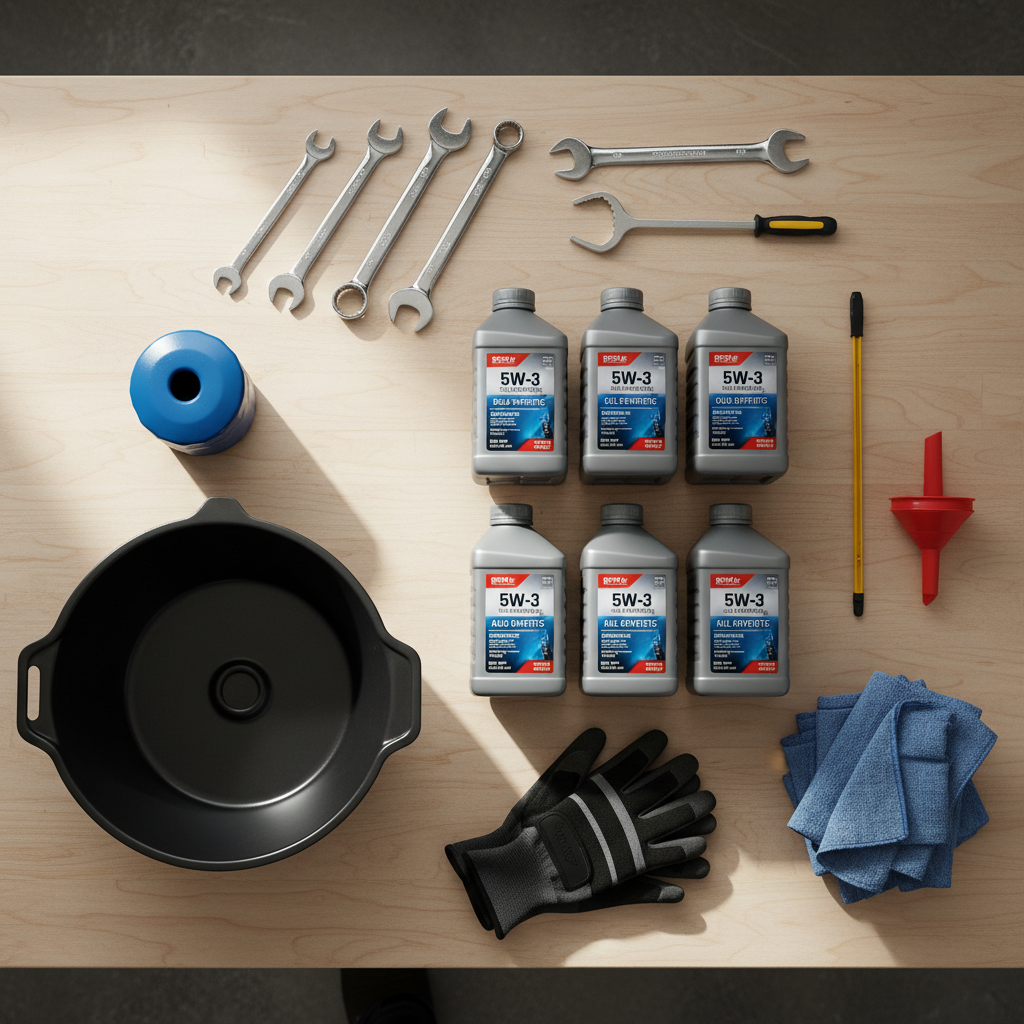
Gathering the right tools and materials before you begin ensures a smooth, efficient oil change. Here’s what to have on hand:
- New motor oil – Check your owner’s manual for the correct SAE viscosity grade (commonly 10W-30, 5W-30, or 15W-40)
- Oil filter (if applicable) – Only some riding mowers have replaceable oil filters; check your manual
- Oil drain pan – A large, shallow container to catch used oil
- Wrench or socket set – To remove the drain plug (typically 12mm to 16mm)
- Oil filter wrench (if needed) – For removing spin-on filters
- Dipstick or sight glass – To check oil level (comes standard on most mowers)
- Rags or shop towels – For cleanup
- Funnel – To pour new oil without spilling
- Work gloves – To protect hands from hot oil and sharp edges
Consult your mower’s owner’s manual to confirm oil type, capacity (usually 1.5–2 quarts for most riding mowers), and whether an oil filter is present. The manual will also specify the drain plug location and size.
Safety Precautions and Preparation
Taking safety seriously prevents burns, injuries, and environmental contamination:
- Park on level ground – This ensures accurate oil level readings and prevents spills
- Warm the engine first – Run the mower for 2–3 minutes to warm the oil, making it flow more freely and drain more completely. Warm oil carries away more contaminants and sediment
- Turn off the engine and allow it to cool slightly – The oil will be hot; wait 5–10 minutes before removing the drain plug to avoid severe burns
- Disconnect the spark plug wires – This prevents accidental starting while you work
- Wear work gloves and safety glasses – Hot oil can splash; protection is essential
- Work in a well-ventilated area – Preferably outdoors or in a garage with the door open
- Never perform an oil change on an incline – Always use level ground for accurate measurements and safe operation
Step-by-Step Oil Change Process
Step 1: Locate the Drain Plug
The drain plug is typically located on the underside of the engine or mower deck. Refer to your owner’s manual for the exact location, as it varies by manufacturer and model. Most drain plugs are accessible by tilting the mower or accessing it from underneath. Some mowers have a convenient drain plug on the side of the engine that requires minimal maneuvering.
Step 2: Position Your Drain Pan
Place your oil drain pan directly under the drain plug. Position it carefully—old motor oil is hot and can cause burns. Make sure the pan is large enough to catch all the oil without overflowing (most riding mowers hold 1.5–2 quarts).
Step 3: Remove the Drain Plug
Using the appropriate wrench or socket, slowly loosen the drain plug by turning counterclockwise. Once loosened by hand, carefully unscrew it the rest of the way. Allow the hot oil to drain completely into the pan—this typically takes 3–5 minutes. Tip: You can place a small piece of cloth under the drain hole to catch any remaining drips.
Step 4: Inspect and Clean the Drain Plug
While the oil drains, wipe the drain plug clean with a rag. Check for any metal shavings or debris stuck to the magnetic end of the plug—a sign of normal engine wear. If you notice an unusual amount of metal particles, it may indicate internal engine problems. Reinstall the drain plug by screwing it back in by hand first, then tightening with your wrench. Do not over-tighten, as this can strip the threads.
Step 5: Replace the Oil Filter (If Applicable)
Not all riding mowers have removable oil filters. If your mower does, locate the filter (usually on the side of the engine) and use an oil filter wrench to remove it by turning counterclockwise. Once removed, wipe the filter mounting surface clean with a rag. Apply a thin layer of new motor oil to the rubber gasket of the new filter, then screw it on by hand until the gasket contacts the mounting surface. Tighten an additional three-quarters of a turn—do not over-tighten.
Step 6: Add New Oil
Place a funnel in the oil fill cap opening (usually at the top of the engine). Consult your manual for the exact oil capacity and pour in the recommended amount of new motor oil slowly, checking the level as you go. Start by adding three-quarters of the recommended amount, then check the dipstick or sight glass before adding the final quarter. This prevents overfilling, which can cause foaming and reduced lubrication effectiveness.
Checking Oil Level and Finishing
Verify Oil Level Accuracy
Allow the engine to sit for a minute after adding oil. Remove the dipstick and wipe it clean with a dry rag. Reinsert it fully, then remove it again to read the oil level. The oil should be at or near the full mark. On mowers with a sight glass, look through it from the side—the oil level should fall between the minimum and maximum lines.
Run the Engine
Start the engine and let it run for 30 seconds to circulate the new oil. Stop the engine, wait a minute, then check the level again. Add oil if needed to reach the full mark. This final check ensures you’ve accounted for oil absorbed by a new filter.
Clean Up and Dispose of Old Oil Properly
Never pour used motor oil down drains, into the ground, or into regular trash. Used oil is toxic and contaminates groundwater. Instead:
- Pour the drained oil into a clean, sealed plastic container or jug
- Label it clearly as used motor oil
- Take it to a local auto parts store (most accept used oil for free)
- Contact your city’s hazardous waste disposal program for drop-off locations
- Some service stations and recycling centers also accept used oil
Proper disposal protects the environment and is often required by law.
When to Change Your Oil and Maintenance Intervals
Oil change frequency depends on your mower’s age, model, and usage intensity. Most manufacturers recommend one of the following schedules:
- Every 40–50 hours of operation – The industry standard for regular maintenance
- Annually – If you use your mower seasonally, change oil at least once per year before or after the cutting season
- More frequently under heavy use – If you mow large properties or use your mower several times per week, consider changing oil every 30–40 hours
- New mowers (first oil change) – Some manufacturers recommend an oil change after the first 5–8 hours of operation to clear initial break-in debris
Consult your owner’s manual for the manufacturer’s specific recommendations, as some premium or commercial-grade mowers may have different intervals.
Common Oil Change Mistakes to Avoid
- Overfilling the oil – Excess oil foams, reduces lubrication, and can damage engine seals
- Using the wrong oil viscosity – Using thicker or thinner oil than specified reduces engine efficiency and protection
- Forgetting to replace the oil filter – A clogged filter defeats the purpose of an oil change
- Not warming the engine first – Cold oil is thick and drains slowly, leaving contaminants behind
- Overtightening the drain plug or filter – This strips threads and makes future removal difficult
- Checking oil level on an incline – This gives inaccurate readings; always check on level ground
Frequently Asked Questions
How often should I change my riding mower’s oil?
Most manufacturers recommend an oil change every 40–50 hours of operation or once per year, whichever comes first. If you use your mower frequently or for heavy-duty work, consider changing oil every 30–40 hours. Check your owner’s manual for the exact interval specific to your model.
Can I use any type of motor oil in my riding mower?
No. Always use the SAE viscosity grade specified in your owner’s manual—typically 10W-30, 5W-30, or 15W-40. Using the wrong oil can reduce engine efficiency, increase wear, and void your warranty. The manual specifies the correct oil based on your climate and engine design.
What if my riding mower doesn’t have an oil filter?
Some older or smaller riding mowers do not have removable oil filters. In these cases, simply drain the old oil, clean or wipe the drain plug, and add new oil according to capacity. If unsure whether your mower has a filter, consult the owner’s manual or contact the manufacturer.
How do I know if I’ve overfilled the oil?
Overfilled oil will read above the full mark on the dipstick or sight glass. If you overfill, remove the drain plug and drain excess oil into your drain pan until the level is correct. Overfilled oil reduces engine performance and can cause leaks and damage.
Can I recycle used motor oil myself?
You cannot recycle used oil yourself, but you can store it safely in a sealed container and take it to a designated recycling center. Most auto parts stores (AutoZone, O’Reilly, NAPA), service stations, and municipal hazardous waste facilities accept used motor oil at no cost. Never attempt to burn, bury, or pour used oil.