Identifying Your Troy-Bilt Mower Type and Engine
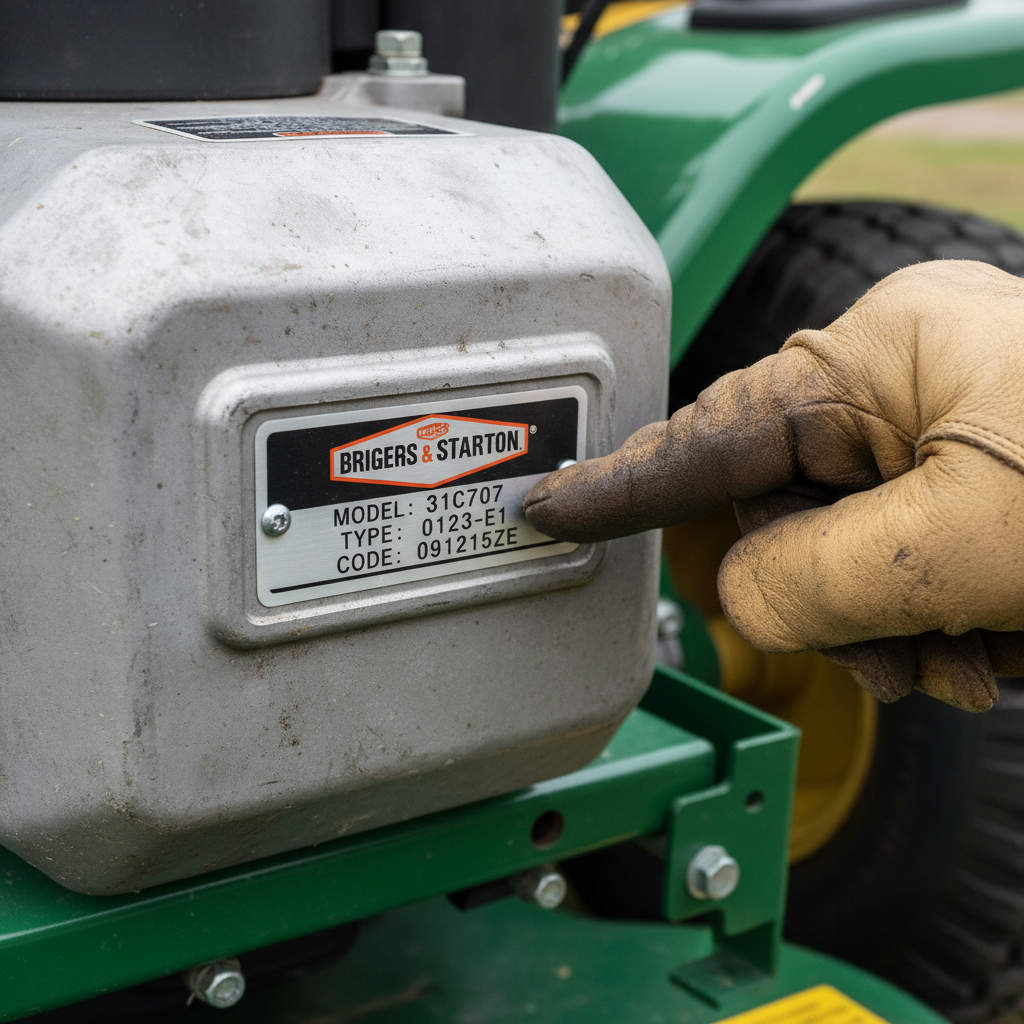
Troy-Bilt manufactures three primary mower types: walk-behind push mowers, self-propelled mowers, and riding mowers. Each may use different engine sizes and configurations, which affects oil type and capacity. Before starting, identify which type you own and locate your engine model number—usually found on a label affixed to the engine block or frame.
Where to find your engine model: Check the engine housing for a Kohler, Briggs & Stratton, or MTD engine label. This label displays the model and specification (spec) numbers you’ll need to determine correct oil type and capacity. Troy-Bilt’s website also allows you to search by mower model number to download the owner’s manual with exact specifications.
Not all Troy-Bilt mowers have replaceable oil filters. Walk-behind and push mowers typically do not have spin-on filters; instead, they use sealed engine designs where oil is changed but the filter element is not separately replaced. Riding mowers and larger models often include replaceable oil filters. Check your owner’s manual to confirm whether filter replacement applies to your model.
What You’ll Need: Tools and Materials
Gather these items before beginning:
- Tools: Adjustable wrench or socket set (typically 8mm, 10mm, or 12mm for the drain plug), oil filter wrench (if your model has a spin-on filter), dipstick or oil level indicator
- Materials: New oil of the correct SAE grade and quantity (see owner’s manual for exact specification), new oil filter (if applicable), oil drain pan or container (minimum 2-quart capacity for most walk-behind mowers; 4–6 quarts for riding mowers)
- Safety gear: Work gloves to protect hands from warm oil, old rags or paper towels, eye protection, and a safe, level work surface away from children and pets
Pre-Change Preparation and Safety
Proper preparation ensures safe, efficient oil drainage and prevents engine damage.
Warm the engine: Run your mower for 2–3 minutes to warm the oil. Warm oil flows more easily and drains more completely, removing more contaminants than cold oil. Do not overheat the engine; just let it idle briefly.
Cool the engine: Shut off the mower and wait 15 minutes before working. Oil retains heat and can cause burns. Never drain oil from a hot engine.
Safety checklist:
- Place the mower on a level, flat surface (use wooden blocks if needed for riding mowers to tilt safely)
- Disconnect the spark plug wire to prevent accidental engine start
- For riding mowers, engage the parking brake and remove the ignition key
- Ensure adequate ventilation if working in a garage or enclosed area
- Position the drain pan directly under the drain plug opening
Draining Old Oil: Finding and Using the Drain Plug
The oil drain plug is located on the engine block, typically on the side or bottom. Exact location varies by engine manufacturer (Briggs & Stratton, Kohler, MTD) and mower type.
Locating the drain plug:
- Walk-behind and push mowers: Tilt the mower on its side (check your manual for the correct side—tilting the wrong way may allow oil to enter the carburetor). The drain plug is usually visible on the side of the engine block.
- Riding mowers: The drain plug is typically accessible from beneath the engine or on the side of the engine block. You may need to raise the front or rear wheels slightly using jack stands (never rely on a jack alone) for safe access.
Removing the drain plug:
- Position your drain pan directly under the plug
- Using an adjustable wrench or appropriately-sized socket, turn the drain plug counterclockwise
- Once loose, carefully unscrew by hand (the plug may be warm; wear gloves)
- Allow oil to drain completely into the pan—this typically takes 5–15 minutes depending on oil temperature and engine size
- Wipe the drain plug with a clean rag to remove old oil and debris
- Inspect the plug and the threaded hole for damage; if either appears stripped or damaged, consult a Troy-Bilt service center
Reinstalling the drain plug: Once oil has fully drained, clean the plug threads and reinstall it by hand to avoid cross-threading. Tighten firmly with your wrench—snug but not over-tightened, as this can strip the threads or crack the engine block. Typically, drain plugs require 15–25 foot-pounds of torque; refer to your owner’s manual for the exact specification.
Replacing the Oil Filter (If Applicable)
If your Troy-Bilt mower has a replaceable spin-on oil filter, replace it during every oil change.
Locating and removing the filter:
- Spin-on filters are typically mounted vertically or horizontally on the engine block
- Position your drain pan underneath to catch residual oil
- Using an oil filter wrench, turn the filter counterclockwise until it breaks free from the threads
- Carefully unscrew the filter by hand and set it aside for disposal
- Wipe the filter mounting surface (the threaded boss) with a clean rag to remove old oil and debris
Installing the new filter:
- Apply a thin layer of new oil to the rubber gasket on the new filter
- Screw the new filter onto the threaded boss by hand until the gasket contacts the mounting surface
- Tighten an additional 3/4 turn (approximately 90 degrees)—do not use the wrench to over-tighten, as this can damage the gasket and cause leaks
- Start the engine and check for leaks around the filter; shut off immediately if leaks appear
Note: Many walk-behind and push mowers do not have spin-on filters. Check your owner’s manual to confirm whether your model includes this component.
Refilling with New Oil and Checking Levels
Correct oil type and proper fill level are critical for engine performance and longevity.
Selecting the correct oil: Troy-Bilt engines typically require one of these SAE grades:
| Temperature Range | Recommended SAE Grade |
|---|---|
| Warm climates (above 50°F) | SAE 30 |
| Variable temperatures (year-round) | 10W-30 |
| Cold climates (below 32°F) | 5W-30 |
Always consult your owner’s manual or engine label for the specific SAE grade required by your model. Using incorrect oil viscosity can damage the engine or reduce performance.
Determining oil capacity: Oil capacity ranges from approximately 18–20 ounces (0.56–0.59 quarts) for walk-behind mowers to 1.5–2 quarts for riding mowers. Your owner’s manual or engine label will specify the exact capacity for your model.
Refilling the engine:
- Locate the oil filler cap (usually labeled with an oil can symbol) on top of the engine
- Remove the cap and set it aside in a clean area
- Pour new oil slowly into the filler opening, using a funnel to avoid spills
- Stop periodically to check the oil level using the dipstick (see below) to avoid overfilling
- Once the oil level reaches the full mark on the dipstick, replace the filler cap and tighten securely
Checking the oil level:
- Locate the dipstick (usually a metal rod with min/max markings or a full/low line)
- Pull the dipstick straight out; do not twist or angle it
- Wipe the dipstick clean with a dry cloth
- Reinsert the dipstick fully until it seats in the filler neck
- Remove the dipstick again and read the oil level—it should reach the full line; if below, add a small amount of oil and recheck
- Never overfill; excess oil can damage seals, create excessive pressure, or cause smoking
Maintenance Schedule and Troubleshooting
Oil change intervals: Troy-Bilt recommends changing oil every 50 operating hours or once annually, whichever comes first. If you use your mower frequently (more than 2–3 times weekly during mowing season), change oil every 6–8 weeks. Light residential use typically requires one annual change.
Common issues and solutions:
- Oil level drops quickly after refilling: Check for leaks around the drain plug, filter, or filler cap. Tighten or reseat as needed. If leaks persist, internal engine damage may be present; consult a service center.
- Engine smokes or runs rough: Overfilled oil is a common cause. Drain excess oil using the drain plug until the level reaches the full mark on the dipstick.
- Drain plug is stuck or stripped: Do not force it; apply penetrating oil (such as WD-40) and wait 15–30 minutes before attempting again. If threads are damaged, have a professional install a helicoil insert or replace the engine block.
- Oil filter leaks after replacement: The gasket may not be seated correctly. Drain remaining oil, remove the filter, clean the mounting surface thoroughly, apply a thin layer of new oil to the gasket, and reinstall, tightening an additional 3/4 turn only.
Used oil disposal: Never pour used oil down drains or into soil—it is a significant environmental contaminant. Instead, store used oil in sealed containers and take it to a local recycling center, automotive retailer (many accept used oil for free), or hazardous waste collection facility. Most communities hold collection events; check your municipality’s website for details.
Frequently Asked Questions
How often should I change the oil in my Troy-Bilt lawn mower?
Troy-Bilt recommends an oil change every 50 operating hours or once per year, whichever comes first. For residential users with light to moderate use, one annual oil change in spring (before the mowing season) is typically sufficient. If you mow frequently or notice dark, dirty oil when checking levels, change oil more often—every 6–8 weeks during heavy use—to maintain engine health.
What type of oil should I use in my Troy-Bilt mower?
Most Troy-Bilt mowers use SAE 30 oil in warm climates or 10W-30 for year-round use. The specific grade required depends on your engine manufacturer (Briggs & Stratton, Kohler, MTD) and the temperature range in your region. Always check your owner’s manual or the engine label for the exact specification. Using incorrect viscosity can reduce performance or damage the engine.
Do all Troy-Bilt mowers have oil filters?
No. Walk-behind and push mowers typically do not have replaceable spin-on oil filters; oil is changed, but the filter element is not separately replaced. Riding mowers and larger models often include spin-on filters that should be replaced with every oil change. Consult your owner’s manual to determine whether your specific model has a replaceable filter.
Can I change the oil on my Troy-Bilt mower myself, or do I need professional service?
You can safely change the oil yourself if you follow the steps outlined above and take proper safety precautions. The process requires only basic tools and takes 30–45 minutes. However, if you are uncomfortable working with machinery, your mower is under warranty (some manufacturers void warranties for user maintenance), or you encounter stripped threads or leaks, consult a certified Troy-Bilt dealer or small engine repair specialist.