How to Cut Grass with a Riding Mower: Quick Answer
To cut grass with a riding mower, start by checking fuel and oil levels, inspecting the blade, and adjusting the cutting height for your grass type. Mount the mower, familiarize yourself with controls, start the engine, and mow in overlapping passes using a consistent pattern such as straight lines or slightly overlapping rows. Maintain a steady speed, avoid turning sharply on slopes, and keep the blade engaged only while moving. After mowing, disengage the blade, turn off the engine, and clean the mower deck.
Pre-Mowing Safety and Setup Checks

Before operating your riding mower, completing essential safety and maintenance checks ensures both your safety and the mower’s performance.
Safety Equipment and Personal Preparation
Wear appropriate safety gear when operating a riding mower, including:
- Closed-toe shoes with good grip and protection from debris
- Long pants to protect legs from flying grass and debris
- Eye protection or safety glasses to shield against dust and projectiles
- Hearing protection, as riding mowers generate significant noise
- A hat to shield from sun exposure during extended mowing sessions
Avoid loose clothing or jewelry that could catch on moving parts. Keep hair tied back if it is long.
Fuel and Oil Level Inspection
Check the fuel tank before each mowing session to ensure adequate gasoline for your lawn size. Most residential riding mowers hold 2 to 6 gallons of fuel. Consult your mower’s manual for the exact capacity. Also check the oil level using the dipstick, ensuring it reaches the full mark. Low oil can damage the engine, while overfilled oil reduces engine performance. Use the oil grade specified in your owner’s manual, typically SAE 30 or 10W-30 depending on climate.
Blade Inspection and Condition
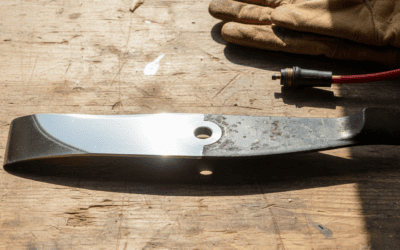
Inspect the cutting blade for damage, dullness, or debris before starting the engine. A dull blade tears grass rather than cutting it cleanly, promoting disease and browning. Look for bent edges, cracks, or significant wear. If the blade appears dull or damaged, sharpen or replace it before mowing. Never inspect or work on the blade while the engine is running or still warm.
Tire Pressure and Structural Checks
Check tire pressure to ensure proper traction and even cutting height. Under-inflated tires cause uneven cutting and increase fuel consumption. Inspect tires for visible damage, punctures, or excessive wear. Also examine the mower deck, frame, and safety features such as the seat switch to confirm everything is functioning properly before operation.
Understanding Your Mower Controls and Adjustments
Familiarity with your mower’s controls is essential for safe and effective operation.
Locating and Identifying Key Controls
Most riding mowers include these standard controls:
- Ignition Switch: Starts and stops the engine; located on the dashboard or steering column
- Throttle Lever: Controls engine speed; typically on the dashboard or console
- Blade Engagement Lever: Activates and deactivates the cutting blade; usually positioned on the seat frame or console
- Drive Control Pedal or Lever: Controls forward and reverse movement; foot pedal on the floor or hand lever near the seat
- Seat Switch: A safety feature that stops the blade if the operator leaves the seat
- Height Adjustment Levers: Raise or lower the mower deck to change cutting height; typically one lever per wheel or a central adjustment mechanism
Consult your owner’s manual to locate these controls on your specific mower model, as placement varies between manufacturers.
Adjusting Cutting Height
Cutting height determines grass appearance and lawn health. Adjust the mower deck height before starting the engine. Most residential mowers allow height adjustments between 1.5 and 4 inches. To adjust:
- Park the mower on level ground
- Locate the height adjustment levers, typically near each wheel or on a central mechanism
- Raise or lower the deck to the desired height
- Verify all wheels are at the same height to ensure an even cut
Grass type determines optimal cutting height. Cool-season grasses such as Kentucky bluegrass and fescue typically perform best at 2.5 to 3.5 inches. Warm-season grasses such as Bermuda and Zoysia thrive at 1.5 to 2.5 inches. Taller grass shades soil, reduces weed growth, and improves drought tolerance. Never remove more than one-third of the grass blade in a single mowing.
Blade Engagement and Engine Start Procedure
Before starting the engine, ensure the blade engagement lever is in the disengaged position. Mount the seat, insert the ignition key, and move the throttle to the starting position as specified in your manual. Turn the ignition key to start the engine. Once running, allow the engine to warm for 30 seconds. Move the throttle to the desired operating speed, typically mid-range for consistent cutting. Engage the blade only after the engine reaches full operating speed and you are ready to begin mowing.
Proper Mowing Technique and Patterns
Effective mowing patterns and operational technique produce even, professional-looking results.
Selecting and Executing Mowing Patterns
Common mowing patterns include:
- Straight Lines: The most popular pattern; mow parallel lines across the lawn for a clean, striped appearance. This pattern ensures even coverage and prevents missed spots.
- Diagonal Lines: Alternate the diagonal direction each mowing session to prevent soil compaction in the same tracks and reduce visible wheel ruts.
- Concentric Rectangles: Start at the lawn’s perimeter and work inward in rectangular spirals. This pattern is useful for larger properties and reduces turning.
- Circular Patterns: Mow concentric circles, useful for round lawns or gardens, though less practical for typical rectangular yards.
Select a pattern based on your lawn’s shape and size. Maintain consistency by using landmarks or property lines as guides to keep lines straight and even.
Overlapping Passes and Coverage
Overlap each pass by 2 to 4 inches to ensure complete grass coverage and prevent uncut strips between rows. Insufficient overlap leaves visible lines, while excessive overlap wastes time and fuel. When turning at the lawn’s edge, disengage the blade to prevent scalping and allow smooth directional changes without cutting standing grass outside your intended path.
Mowing Speed and Operational Pacing
Drive at a steady, moderate speed typically between 3 and 5 miles per hour, depending on grass thickness and moisture. Moving too quickly produces an uneven cut and misses tall grass. Moving too slowly wastes time and compacts the soil excessively. Adjust speed based on grass conditions; thicker or taller grass requires slower mowing. Maintain consistent throttle and speed throughout mowing for uniform cutting height.
Handling Slopes and Uneven Terrain
Mow slopes and hills strategically to prevent tipping and maintain control:
- Slope Direction: Mow up and down slopes rather than across them. This approach reduces the risk of the mower tipping sideways.
- Sharp Turns: Avoid sharp turns on slopes, as they destabilize the mower. Plan turns at the top or bottom of slopes where ground is level.
- Speed Reduction: Reduce mowing speed on slopes to maintain control and prevent sliding.
- Steep Slopes: Do not attempt to mow slopes steeper than 15 degrees with a riding mower. Use a walk-behind mower or alternative equipment for very steep terrain.
Never turn the blade engagement off while on a slope, as disengaging while moving downhill can cause loss of control.
Operating the Mower on Different Terrain
Terrain-specific techniques ensure safe operation and quality results across various lawn conditions.
Wet or Muddy Grass Conditions
Mowing wet grass presents challenges including reduced traction, uneven cutting, and increased soil compaction. Wet grass clumps in the mower deck, clogging the discharge chute. Allow grass to dry after rain or irrigation before mowing when possible. If mowing is necessary:
- Reduce mower speed to improve traction
- Raise the cutting height slightly to prevent scalping in soft soil
- Stop periodically to clear grass clumps from the deck
- Avoid turning sharply to prevent skidding
Obstacles and Debris Handling
Inspect the lawn before mowing and remove visible rocks, sticks, pinecones, and other debris. Foreign objects can damage the blade, create projectiles, or cause loss of control. When encountering a small obstacle during mowing, disengage the blade, navigate around it, and re-engage once clear. For large obstacles such as tree roots or permanent landscape features, plan your mowing pattern to avoid them entirely.
Mowing Around Trees, Gardens, and Structures
Slow down when approaching trees, flower beds, or buildings. Disengage the blade before making tight turns around objects to prevent scalping and property damage. Many operators use string trimmers for the perimeter areas and finish with the riding mower on the open lawn for efficiency.
Post-Mowing Maintenance
Proper maintenance after each mowing session extends the mower’s lifespan and ensures reliable performance.
Immediate Post-Mowing Steps
After finishing your lawn:
- Disengage the blade and allow it to stop completely before leaving the seat
- Move to level ground and turn off the engine
- Wait for the engine to cool before performing any maintenance
- Remove grass clippings and debris from the mower deck using a brush or wooden scraper
- Inspect the blade for new damage or excessive wear
Mower Deck Cleaning
Clean the underside of the mower deck after each use to prevent grass buildup, which reduces cutting efficiency and promotes corrosion. With the engine off and cooled, use a putty knife or wooden scraper to remove dried grass from the deck underside. For stubborn buildup, allow the mower to sit in the sun for a few hours to dry the material, making it easier to remove. Never use a pressure washer, as high-pressure water can damage seals and electrical components.
Blade Sharpening and Replacement
A sharp blade is essential for clean cutting. Inspect the blade regularly for signs of dullness such as torn or ragged grass edges rather than clean cuts. Sharpen the blade when necessary using a metal file or bench grinder, maintaining the original blade angle. For safety, always disconnect the spark plug wire before working on the blade. If the blade is bent, cracked, or severely worn, replace it with a manufacturer-approved replacement of the correct size and weight to prevent vibration and uneven cutting.
Fuel and Oil Maintenance
Check fuel and oil levels before each mowing session as part of your routine. Change the engine oil annually or after the number of hours specified in your manual, typically 50 to 100 hours of operation. Drain old oil while the engine is still warm, replace the oil filter if applicable, and refill with the recommended oil grade. For mowers that will not be used during winter, drain the fuel tank or add a fuel stabilizer to prevent fuel degradation.
Seasonal Storage
Before storing the mower for an extended period, perform these steps:
- Thoroughly clean the mower deck, engine, and frame
- Drain the fuel tank or treat fuel with stabilizer
- Change the oil if the mower will sit unused for more than a month
- Disconnect the spark plug wire to prevent accidental starting
- Cover the mower to protect it from dust and moisture
- Store in a dry location such as a garage or shed
Frequently Asked Questions
How often should I mow my lawn?
Mowing frequency depends on grass type, season, and growth rate. During active growing season, mow weekly or as needed to keep grass at the recommended height. Cool-season grasses grow most vigorously in spring and fall, while warm-season grasses peak in summer. As growth slows in late fall or winter, reduce mowing frequency. Avoid allowing grass to grow more than one-third taller than your target cutting height before mowing.
What should I do if the blade hits a rock or hard object?
Stop the mower immediately, turn off the engine, and wait for it to cool. Inspect the blade for bending or cracks. Even a minor bend causes vibration and uneven cutting, so sharpen or replace the blade as needed. Also check the blade bolts for looseness and re-tighten if necessary. Do not operate the mower with a damaged blade.
Why is my riding mower leaving uncut strips in the lawn?
Uncut strips typically result from insufficient overlap between passes, a dull blade, or improper cutting height adjustment. Verify that all wheels are set to the same height and that you are overlapping each pass by 2 to 4 inches. Check the blade for dullness and sharpen if needed. If the mower is pulling to one side, tire pressure may be uneven; adjust as needed.
Can I mulch grass clippings or should I bag them?
Mulching is the default practice for most residential riding mowers. The mower re-cuts clippings and returns them to the lawn, adding nutrients and reducing waste. However, if grass is very tall or wet, clippings may clump or clog the discharge. In these cases, engage the bag attachment if your mower has one, or reduce the mowing area per session to allow clippings to settle naturally.