How Do You Safely Drain Gas from a Lawn Mower?
To safely drain gas from a lawn mower, work in a well-ventilated outdoor area away from ignition sources. Use a siphon pump to transfer fuel from the tank into an approved container. For complete drainage, also empty the carburetor bowl using its drain screw or by removing it. Always prioritize safety and dispose of or store the old gasoline properly.
Why Would You Need to Drain Gas from a Lawn Mower?
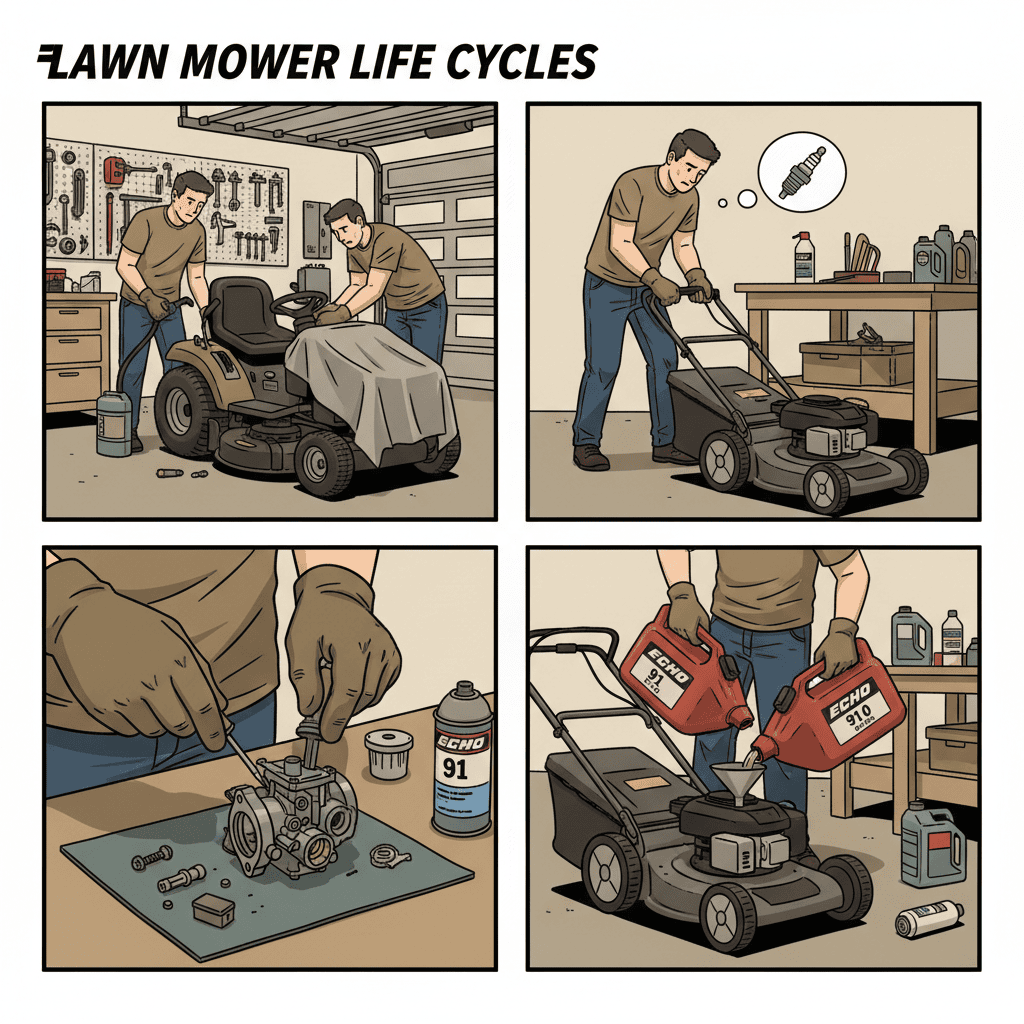
Draining the fuel system is a common maintenance task for several reasons. The most frequent scenarios include:
- Winter Storage: Gasoline can degrade over several months, leading to gum and varnish deposits that clog fuel lines and carburetor jets. Draining the system before long-term storage prevents starting problems in the spring.
- Stale Fuel: If your mower has been sitting unused for a while and won’t start, the fuel may have gone stale. Draining it and adding fresh gasoline is often the first troubleshooting step.
- Repairs: You may need to drain the fuel to safely work on the carburetor, fuel lines, or fuel tank.
- Fuel Type Change: If you are switching from regular gasoline to a different type (like ethanol-free fuel), you’ll want to drain the old fuel first.
Important Safety Precautions Before Draining Gas
Gasoline and its vapors are highly flammable. Follow these critical safety rules:
- Work Outdoors: Always drain fuel in a well-ventilated outdoor area, never in an enclosed garage or shed.
- Eliminate Ignition Sources: Ensure there are no open flames, pilot lights, sparks, or electrical equipment (like water heaters or furnaces) nearby. Do not smoke.
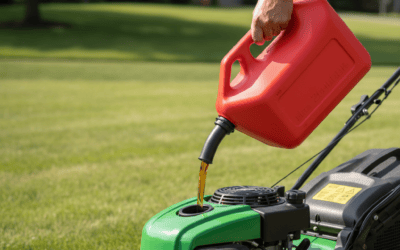
- Use Approved Containers: Have a clean, approved fuel container ready to receive the gasoline. Never use glass or non-approved plastic containers.
- Have a Fire Extinguisher Nearby: As an extra precaution, keep a Class B (flammable liquids) fire extinguisher within reach.
- Wear Protection: Consider wearing nitrile gloves and safety glasses to protect your skin and eyes from fuel splashes.
Tools and Supplies You Will Need
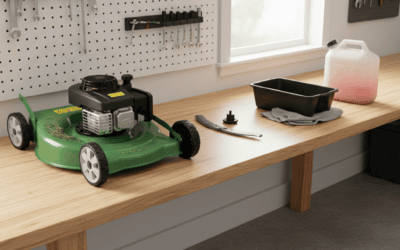
Gather these items before you begin:
- Siphon Pump or Fuel Transfer Pump: This is the safest and most efficient way to remove fuel from the tank. Manual siphon pumps are inexpensive and effective.
- Approved Fuel Container: A red, plastic gas can with a tight-sealing cap is ideal.
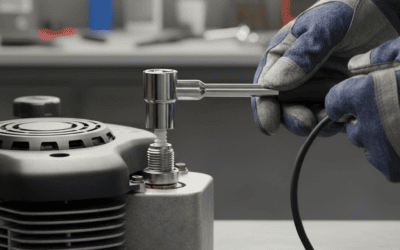
- Wrench or Socket Set: You may need this to loosen the carburetor bowl drain screw or to remove the bowl itself.
- Small Catch Pan or Container: To place under the carburetor when draining residual fuel.
- Funnel: Helpful for pouring fuel into the storage container without spilling.
- Clean Rags or Paper Towels: For wiping up any small spills.
Step-by-Step: How to Drain Gas from the Fuel Tank
Follow these steps to empty the main fuel tank:
- Prepare the Mower: Park the mower on a flat, level surface in your designated outdoor work area. Turn off the engine and remove the key if it’s a riding mower.
- Locate and Close the Fuel Shut-Off Valve: Many mowers have a fuel shut-off valve (a small lever) between the tank and the carburetor. Turn it to the “OFF” or “CLOSED” position. This stops fuel flow to the engine.
- Insert the Siphon Pump: Place the intake end of your siphon pump into the mower’s fuel tank. Place the output end into your approved fuel container.
- Start the Siphon: Follow the pump’s instructions. For a manual pump, this usually involves squeezing a bulb or pumping a handle to start the flow of gasoline into the container.
- Drain the Tank:** Allow the pump to run until fuel stops flowing, indicating the tank is empty. For riding mowers with larger tanks, you may need to reposition the intake as the level drops.
- Secure the Container:** Once the tank is empty, remove the pump and securely cap the fuel container. Label it clearly (e.g., “Old Mower Gas – Do Not Use”).
How to Drain the Carburetor Bowl and Fuel Lines
Even after the tank is empty, residual fuel remains in the fuel lines and the carburetor bowl. Draining this is crucial for long-term storage.
- Locate the Carburetor Bowl Drain Screw: Look for a small screw or bolt on the bottom of the carburetor’s float bowl. Some mowers have a dedicated drain hose attached to this screw.
- Position Your Catch Container: Place your small catch pan or container directly under the drain screw.
- Loosen the Drain Screw: Using the appropriate wrench or screwdriver, carefully loosen the drain screw. Fuel will begin to flow out. Allow it to drain completely.
- Re-tighten the Screw: Once the flow stops, carefully re-tighten the drain screw. Do not overtighten, as this can strip the threads.
- Alternative: Remove the Bowl: If there is no drain screw, you may need to remove the entire carburetor bowl. Place your catch pan underneath, then loosen the main bolt holding the bowl in place. The bowl will drop, releasing the remaining fuel. Reinstall the bowl securely after draining.
How to Dispose of or Store Old Gasoline
Never pour gasoline down a drain, into a storm sewer, or onto the ground. It is a hazardous waste.
- Storage: If the gasoline is relatively fresh (less than a few months old), you can store it in a sealed, approved container in a cool, ventilated area away from living spaces. Use it in your mower or another compatible piece of equipment within 30-60 days.
- Disposal: For old, stale, or unwanted gasoline, contact your local waste management authority, hazardous waste collection facility, or auto parts store. Many communities offer periodic hazardous waste collection days where you can drop off old fuel.
Common Mistakes and Troubleshooting
- Tipping the Mower: Avoid tilting the mower on its side to pour out gas. This can cause oil to flow into the air filter or carburetor, creating a different set of problems. Use a siphon instead.
- Stuck Drain Screw: If the carburetor drain screw is corroded or stuck, do not force it. Applying a penetrating oil and letting it sit may help. If it breaks, you may need professional repair.
- No Fuel Flow: If fuel won’t drain from the carburetor, the drain passage may be clogged with varnish. This is a sign of very stale fuel and may require carburetor cleaning.
Frequently Asked Questions
Can I just run the mower until it runs out of gas instead of draining it?
While you can run the engine until it stalls, this method is not recommended for long-term storage. It leaves a small amount of stale fuel in the carburetor bowl and fuel lines, which can still evaporate and leave behind gum and varnish deposits that cause clogs. A complete drain is more reliable.
How long can gasoline sit in my lawn mower before it goes bad?
Gasoline can begin to degrade after about 30 days. For best performance, use fresh fuel within 30 days. If you must store fuel in the mower for more than a month, consider adding a fuel stabilizer to the tank when you fill it up.
Is it safe to siphon gas by mouth?
No, absolutely not. Siphoning gasoline by mouth is extremely dangerous. You risk inhaling toxic fumes and accidentally ingesting gasoline, which is poisonous. Always use a mechanical siphon pump.
What should I do if I spill gas on the mower or ground?
Immediately absorb the spill with an absorbent material like kitty litter, sand, or commercial absorbent pads. Do not hose it away. Once absorbed, place the material in a sealed container for proper hazardous waste disposal.