How Do You Sharpen a Mower Blade at Home?
To sharpen a mower blade, first disconnect the spark plug for safety. Securely tip the mower, remove the blade with a socket wrench, and clamp it in a vise. Sharpen the cutting edge at a 30–45 degree angle using a flat file, angle grinder, or drill attachment. After sharpening, check the blade’s balance on a blade balancer or nail, then reinstall it securely.
What Tools and Safety Gear Do You Need?
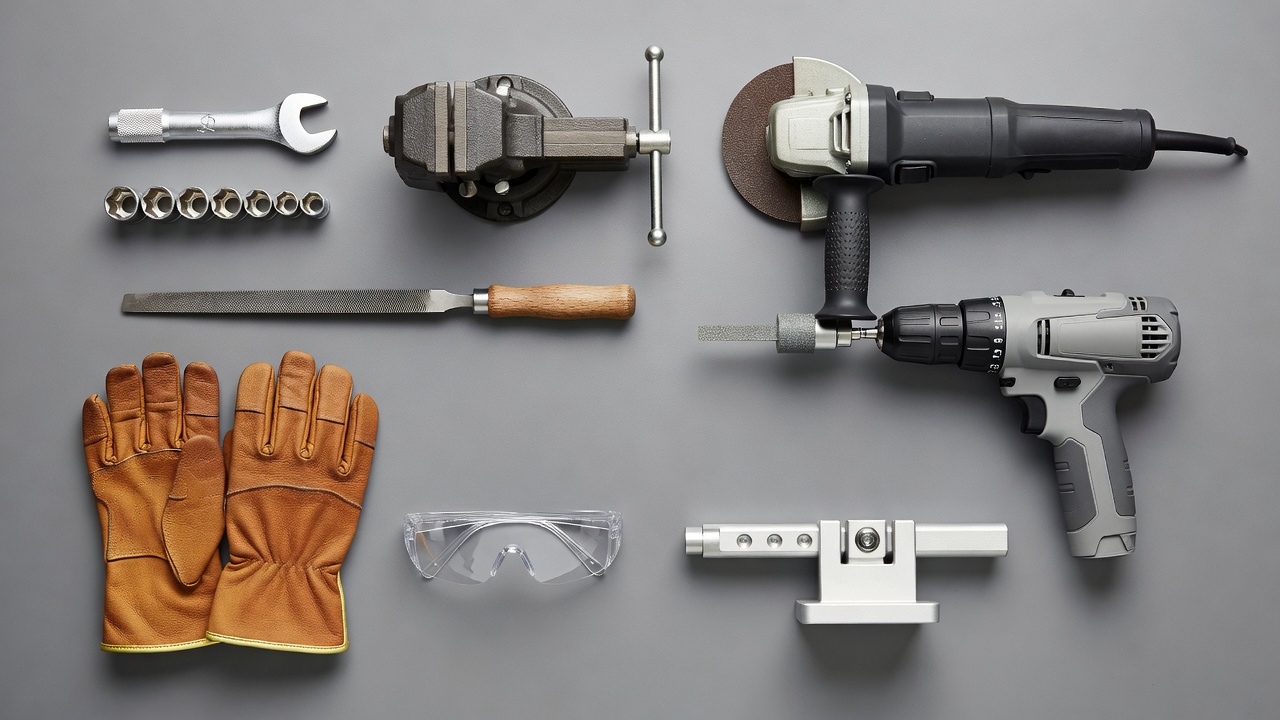
Before starting, gather the necessary tools and personal protective equipment (PPE). Having everything on hand ensures a smooth and safe process.
- Tools: Socket wrench (typically 5/8 inch), vise or clamp, blade balancer (or a large nail), and your chosen sharpening tool (flat mill file, angle grinder with metal disc, or a drill-powered sharpening attachment).
- Safety Gear (PPE): Heavy-duty work gloves to protect from sharp edges, and safety glasses to shield your eyes from metal filings.
Which Type of Mower Do You Have?
The sharpening process differs based on your mower type. This guide focuses on the most common rotary walk-behind mower.
- Rotary Walk-Behind: Follow the step-by-step instructions below.
- Riding Mower: The blade removal and sharpening technique is similar, but you will likely need jack stands to safely lift the mower and a blade removal tool may be helpful.
- Reel Mower: These require a different process called “backlapping” using a special compound and are not sharpened with a file or grinder.
How to Remove a Mower Blade Safely
Proper removal is critical for safety and to avoid damaging the mower.
- Disconnect the Spark Plug: This is the most important safety step. It prevents the engine from accidentally starting.
- Tip the Mower Correctly: Tip the mower so the air filter and carburetor side is facing up. This prevents oil from flooding the air filter or leaking out.
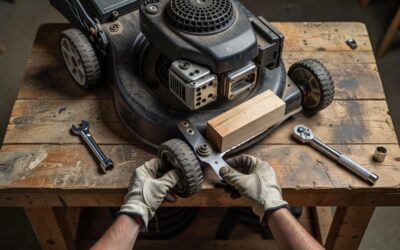
- Secure the Blade: To stop the blade from spinning while you loosen the bolt, you can wedge a block of wood between the blade and the mower deck.
- Remove the Bolt: Use your socket wrench to turn the blade bolt counter-clockwise to loosen and remove it. Note which side of the blade faces down (the “grass side”) before setting it aside.
How to Sharpen a Mower Blade: 3 Methods Compared
Choose the method that best suits your tools and comfort level. The goal is to remove just enough metal to restore a sharp edge without compromising the blade’s integrity.
| Method | Best For | Pros & Cons |
|---|---|---|
| Flat Mill File | Beginners, minor touch-ups | Pros: Inexpensive, precise, no power required. Cons: Slower, requires more physical effort. |
| Angle Grinder | Experienced users, heavily worn blades | Pros: Fast, efficient, removes metal quickly. Cons: Higher risk of over-grinding, requires practice. |
| Drill Attachment | DIYers with a power drill | Pros: Faster than a file, easier to control than a grinder. Cons: Requires purchasing a specific attachment. |
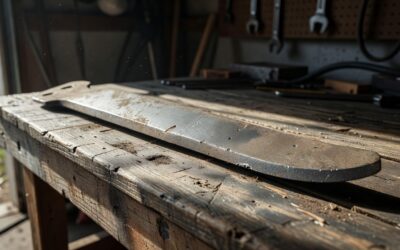
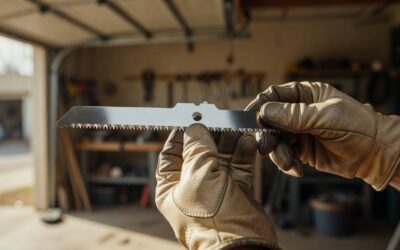
Sharpening Technique: Clamp the blade securely in a vise. Follow the existing bevel angle (typically 30–45 degrees) and sharpen only the cutting edge (the angled side), not the flat back. Use smooth, even strokes along the entire length of the edge until you have removed nicks and created a clean, sharp line.
How to Check and Correct Blade Balance
An unbalanced blade will cause severe mower vibration and can damage the spindle bearings. This step is essential after sharpening.
- Use a Blade Balancer: Place the blade’s center hole on the balancer’s cone or peg. A balanced blade will sit level.
- Nail-and-Wall Test: If you don’t have a balancer, drive a large nail into a wall. Hang the blade on the nail through its center hole. A balanced blade will remain horizontal.
- Correcting Imbalance: If one side dips, that side is heavier. Remove a small amount of metal from the back (flat side) of the heavier end using your file or grinder. Re-check until the blade balances.
When Should You Replace Instead of Sharpen?
Not all blades can or should be sharpened. Replace your blade if:
- It has large nicks or bends that cannot be filed out.
- The metal along the cutting edge is worn thin (a common rule of thumb is if it’s thinner than a dime).
- The blade is severely corroded or cracked.
How to Reinstall the Blade and Test the Mower
Reinstallation is the reverse of removal, with a few key checks.
- Position Correctly: Ensure the “grass side” (usually marked or with a “this side down” stamp) faces the ground.
- Tighten the Bolt: Hand-tighten the bolt first, then use your socket wrench to secure it firmly. Consult your mower’s manual for the specific torque specification if available.
- Final Checks: Reconnect the spark plug wire. Before starting, ensure the blade is secure and nothing is obstructing its path.
How Often Should You Sharpen a Mower Blade?
Sharpen your blade once or twice per mowing season, or approximately every 25 hours of use. You may need to sharpen more often if you frequently mow over sandy soil or gravel. A dull blade tears grass, leaving ragged edges that are more susceptible to disease, rather than making a clean cut.
Frequently Asked Questions
What angle should I sharpen a mower blade at?
The standard sharpening angle for most rotary mower blades is between 30 and 45 degrees. It’s crucial to match the existing bevel angle on your blade rather than creating a new one.
Can I use an angle grinder to sharpen my mower blade?
Yes, an angle grinder is a fast and effective tool for sharpening mower blades. However, it requires a steady hand and careful control to avoid removing too much metal or overheating the blade’s temper. It is best suited for users with some experience using power tools.
Why does my mower vibrate after sharpening the blade?
Vibration after sharpening is almost always a sign of an unbalanced blade. When you remove metal from one side, you change the weight distribution. You must re-balance the blade using a blade balancer or the nail test before reinstalling it.
Is it safe to sharpen a mower blade myself?
Yes, sharpening a mower blade is a common and safe DIY task when proper precautions are taken. Always disconnect the spark plug before starting, wear heavy gloves and safety glasses, and ensure the blade is securely clamped in a vise while sharpening.