Quick Answer: How To Spell Lawn Mower?
The standard spelling is “lawn mower” written as two separate words. This is the dominant form across major style guides including AP Stylebook, Chicago Manual of Style, and Oxford Dictionary. Use this spelling in professional writing, formal documents, and any context where standard English conventions apply.
Why “Lawn Mower” Is Two Words
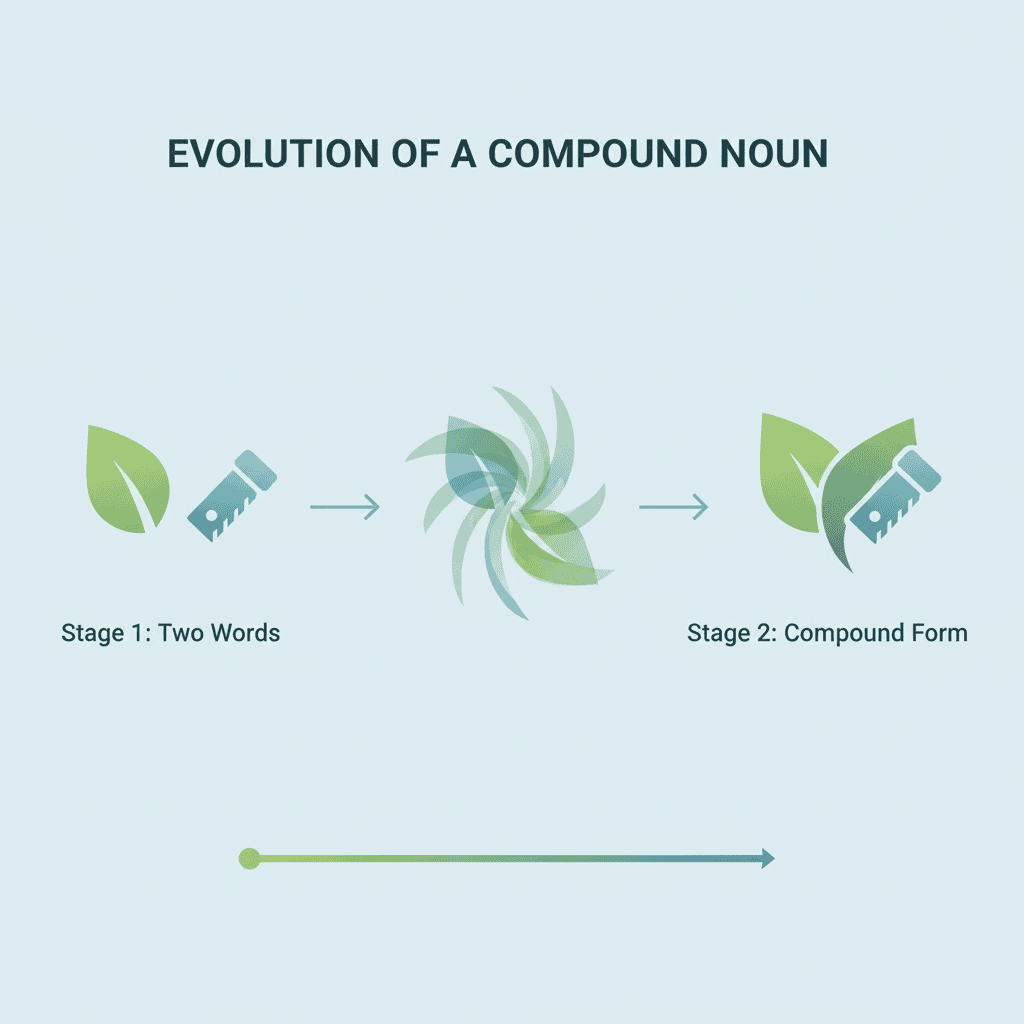
“Lawn mower” is a compound noun, a term made up of two words that together describe a single object. In English, compound nouns follow predictable patterns as they evolve in usage.
Most new compound nouns begin as two separate words (lawn mower, cell phone, web page). Over time, some gradually shift to one word (lawnmower, cellphone, webpage) or remain hyphenated (well-being, mother-in-law). The transition from two words to one word typically takes decades and varies by style guide adoption.
“Lawn mower” has remained a two-word term across nearly all major English-language style guides, making it the safest and most widely recognized choice.
Major Style Guides on “Lawn Mower”
- AP Stylebook: Lists “lawn mower” as two words. AP is widely used in journalism and news media.
- Chicago Manual of Style: Recommends “lawn mower” (two words) in professional and academic writing.
- Oxford Dictionary: Lists “lawn mower” as the primary form, with “lawnmower” noted as a variant.
- Merriam-Webster: Recognizes “lawn mower” as the standard spelling.
What About “Lawnmower” (One Word)?
“Lawnmower” written as a single word does appear in some dictionaries as an acceptable variant, but it is not the standard or recommended form. You may encounter it in casual writing, product names, or informal contexts, but it should be avoided in professional, academic, or formal communication.
The one-word version appears more frequently in British English usage than American English, though neither style guide formally endorses it as the preferred form.
Should “Lawn Mower” Ever Be Hyphenated?
No. “Lawn-mower” with a hyphen is not standard and should not be used. Hyphenation is sometimes used with compound adjectives (e.g., “lawn-mower repair”) when the compound modifies a noun, but the noun itself remains two words:
Example: “I took my lawn mower to the lawn-mower repair shop.” In this sentence, “lawn mower” (the tool) is two words, while “lawn-mower repair” (the service type) may be hyphenated when it functions as a compound adjective, though “lawn mower repair” without a hyphen is also acceptable and common.
Compound Noun Rules in English
Understanding why “lawn mower” is spelled as two words helps clarify the broader rules governing compound nouns:
- Stage 1 (Two words): New compound nouns typically start as two separate words (lawn mower, basketball court, coffee table).
- Stage 2 (Hyphenated): As usage becomes more common, some compounds shift to hyphenated form (well-being, mother-in-law).
- Stage 3 (One word): After extended widespread use, some eventually become single words (baseball, notebook, basketball).
“Lawn mower” remains in Stage 1 after decades of consistent use, indicating that English speakers and style authorities still perceive it as two distinct concepts (a mower for lawns) rather than a single unified idea.
Common Spelling Mistakes to Avoid
| Incorrect Spelling | Correct Spelling | Why It’s Wrong |
|---|---|---|
| lawnmower | lawn mower | One-word variant is not standard; use two words in formal writing. |
| lawn-mower | lawn mower | Hyphenation is not used for this noun; reserve hyphens for compound adjectives. |
| lawne mower | lawn mower | “Lawn” is the correct spelling of the grass area, not “lawne.” |
| lawn mowr | lawn mower | “Mower” (not “mowr”) is the correct spelling of the cutting device. |
Regional Variations
British English and American English both prefer “lawn mower” (two words). There are no significant regional spelling differences for this term. Some British publications may occasionally use “lawnmower,” but this is not the standard in either dialect.
Buyer FAQs: How To Spell Lawn Mower Solved
Is “lawnmower” ever correct?
“Lawnmower” (one word) appears in some dictionaries as an alternative spelling, but it is not the standard or recommended form. For professional, academic, or formal writing, always use “lawn mower” (two words). The one-word version may appear in product names, informal contexts, or some dictionaries, but it should not be used in official documents or publications following style guides. For broader ecosystem context, read through our operational guide on marshall stanmore iii vs harman kardon onyx studio 8.
What’s the difference between “lawn mower” and “lawnmower”?
The difference is purely stylistic and preference-based. “Lawn mower” (two words) is the standard, widely accepted spelling endorsed by major style guides. “Lawnmower” (one word) is occasionally used but is not the recommended form. In practice, both refer to the same grass-cutting equipment, but “lawn mower” is the spelling you should use to follow professional writing conventions.
Should I use a hyphen in “lawn mower”?
No. “Lawn mower” should never be hyphenated as a noun. The two-word form is standard. However, when using “lawn mower” as a compound adjective modifying another noun (e.g., “lawn-mower engine”), some style guides permit optional hyphenation for clarity, though it is not required. For troubleshooting and reliability insights, consult our in-depth dyson v8 cyclone vs bissell featherweight stick report.
Why hasn’t “lawn mower” become one word yet?
Compound nouns in English evolve slowly. While some compounds (like “baseball” or “notebook”) have consolidated into single words, “lawn mower” has remained two words for over a century of widespread use. This suggests English speakers still perceive it as two distinct concepts rather than a single unified object. Evolution toward one word would require consistent industry and publishing use over several more decades.
Key Takeaway
Always spell it as “lawn mower”, two separate words. This is the standard across AP, Chicago, Oxford, and Merriam-Webster style guides. While “lawnmower” (one word) may appear in some contexts, it is not the recommended form for professional or formal writing. Follow the two-word standard to ensure your writing aligns with recognized English conventions. Readers comparing setup options can review our technical analysis on bissell crosswave hydrosteam vs shark stainforce.
Lawn Mower Terms Background
Writers often use lawn mower and lawnmower interchangeably, though dictionaries and style guides may prefer a particular form. Readers can find broad safety terminology for outdoor power equipment at American National Standards Institute (ANSI).