
Quick Answer: How to Start Your Electric Lawn Mower
For cordless (battery-powered) mowers: Charge the battery fully, insert it into the mower, engage the safety lever, and press the power button or pull the starter handle. For corded (plug-in) mowers: Plug the power cord into a grounded GFCI outlet, engage the safety handle, and press the power button. Always clear the cutting deck of debris and ensure the grass is dry before starting either type.
Understanding Your Electric Lawn Mower Type
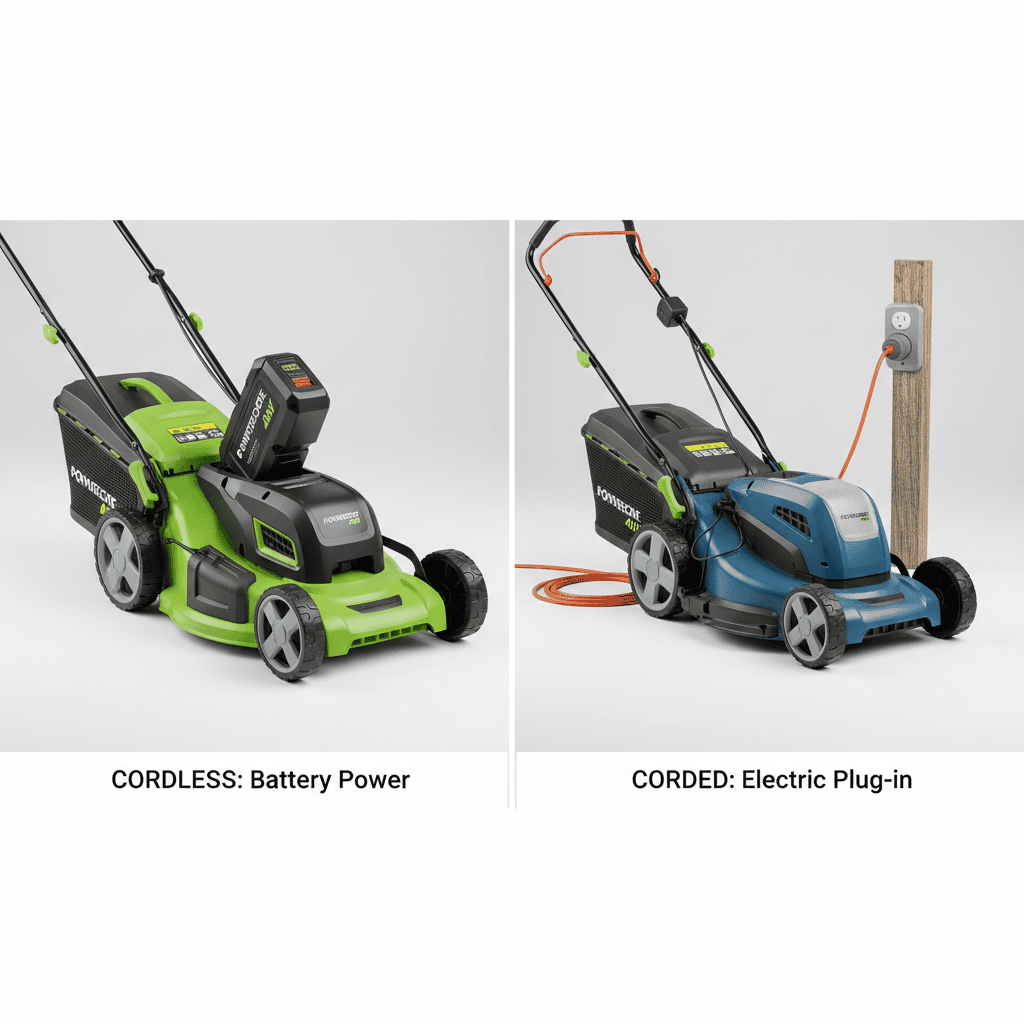
Electric lawn mowers come in two main varieties, and the startup process differs slightly between them. Knowing which type you own is the first step to starting it correctly.
Cordless (Battery-Powered) Mowers
Cordless electric mowers run on rechargeable lithium-ion batteries, typically offering 30 to 60 minutes of runtime per charge. These mowers provide freedom of movement without a tethered power cord and are ideal for residential lawns. The trade-off is that you must charge the battery before use, and runtime is limited compared to corded models.
Corded (Plug-In) Mowers
Corded electric mowers draw power directly from a household outlet via an extension cord. They offer unlimited runtime as long as the cord reaches your lawn, making them suitable for larger properties. The downside is the constant need to manage the cord and keep it away from the blade.
Pre-Start Safety Checks for All Electric Mowers
Before attempting to start your electric mower, perform these essential safety checks to prevent injuries and damage:
- Clear the cutting deck: Remove grass clippings, sticks, stones, and debris from underneath the mower. Obstructions can jam the blade or cause it to eject dangerously.
- Inspect the blade: Check that the blade spins freely and shows no signs of damage, rust, or dullness. A damaged blade compromises cut quality and can vibrate excessively.
- Check grass conditions: Mow when grass is dry. Wet grass clumps together, clogs the deck, and reduces cutting efficiency. Wait a few hours after rain or morning dew.
- Verify your grip area: Ensure the handles are dry and free of grease or oil for safe operation.
- Wear appropriate gear: Put on sturdy shoes, long pants, and eye protection. Keep loose clothing and hair away from moving parts.
- Check for obstacles: Walk your lawn before mowing to identify rocks, toys, or other hazards that could damage the mower or create projectiles.
Starting a Cordless (Battery-Powered) Lawn Mower
Step 1: Charge the Battery (First Use)
If this is your first time using the mower, charge the battery fully before initial operation. Most manufacturers recommend a full charge for 24 hours or until the charger indicator shows “complete.” Subsequent charges typically take 30 to 90 minutes, depending on battery capacity and charger type. Do not leave batteries charging overnight repeatedly, as this can reduce lifespan.
Step 2: Insert the Battery
Align the battery with the battery slot on the mower, usually located at the rear handle or side of the housing. Push the battery firmly into place until you hear or feel a click, indicating it’s seated correctly. The battery should not wiggle or slide when fully inserted. Some mowers have a release button you’ll need to press to remove the battery later.
Step 3: Engage the Safety Lever or Button
Most cordless mowers have a safety feature that prevents accidental starting. This is typically a lever on the handle that you squeeze, or a button you hold down. Keep this engaged throughout operation, releasing it stops the blade immediately. Familiarize yourself with its location and operation before starting.
Step 4: Press the Power Button or Starter Handle
Once the safety lever is engaged, press and hold the power button, or pull the starter handle (depending on your model). The mower should start within 1-2 seconds. You may hear a brief motor spin-up sound. Release the button or handle once the mower is running smoothly. The blade engages automatically in most models once the mower is powered on. When planning workspace deployment, consider the engineering criteria outlined in our marshall stanmore iii vs harman kardon onyx studio 8 guide.
Step 5: Begin Mowing
Start at a comfortable walking pace. Most cordless mowers self-propel or have variable speed controls. Keep the safety lever engaged at all times. If the blade stops spinning or the mower cuts out during operation, the battery may be depleted, this is a safety feature to prevent over-discharge.
Starting a Corded (Plug-In) Lawn Mower
Step 1: Prepare Your Power Setup
Use a GFCI (Ground Fault Circuit Interrupter) outlet, which is standard in modern homes and provides shock protection. If your outdoor outlet is not GFCI-protected, use a GFCI-protected extension cord rated for outdoor use. Avoid regular indoor extension cords, as they lack weatherproofing. Ensure the cord is at least 12 to 14 gauge for reliable power delivery and to minimize voltage drop. For additional operational safety benchmarks, see our published testing notes on dyson v8 cyclone vs bissell featherweight stick.
Step 2: Connect the Power Cord
Plug the mower’s power cord into the GFCI outlet or extension cord. Check that the connection is snug and fully seated. Inspect the cord for cuts, cracks, or exposed wires before connecting, do not use a damaged cord.
Step 3: Route the Cord Safely
Before starting, plan your mowing route so the cord trails behind you and stays away from the blade. Drape the cord over your shoulder or arrange it so it won’t get caught under the mower. Check the path for sharp objects or areas where the cord might snag. Never mow over the cord, as this damages it and creates a shock hazard. To compare alternative configurations, check our hands-on review of bissell crosswave hydrosteam vs shark stainforce.
Step 4: Engage the Safety Handle
Most corded mowers have a bail handle (a lever on the rear handle you squeeze) that serves as the safety control. Squeeze and hold this handle with one hand while standing behind the mower. The handle must remain engaged during operation, releasing it stops the blade.
Step 5: Press the Power Button or Starter
While holding the safety handle, press the power button or pull the starter trigger. The motor should start within 1-2 seconds. On many models, the blade engages automatically once powered on. Continue holding the safety handle throughout mowing.
Step 6: Begin Mowing
Walk at a steady, comfortable pace. Keep the cord in view and never let it approach the blade area. If you need to stop, release the safety handle and the blade will stop spinning. Always turn off the mower before adjusting the cutting height or clearing clogs.
Troubleshooting: Why Your Electric Mower Won’t Start
Cordless Mower Won’t Start
- Dead or low battery: The battery may need charging. Insert a fully charged battery and try again. If the mower still won’t start, the battery may be defective.
- Battery not inserted properly: Remove and reinsert the battery, ensuring it clicks into place fully.
- Safety lever not engaged: Confirm you’re squeezing or holding the safety lever while pressing the power button.
- Motor not responding: If the battery has charge and the safety features are engaged but the motor doesn’t turn, contact the manufacturer, the motor may need service.
Corded Mower Won’t Start
- No power to outlet: Test the outlet with another device (like a lamp) to confirm it has power. If the outlet is dead, check your home’s circuit breaker.
- Cord or plug damaged: Inspect the power cord and plug for cuts or damage. Do not use a damaged cord; replace it before attempting to start.
- Safety handle not engaged: Ensure you’re squeezing the bail handle firmly while pressing the power button.
- GFCI tripped: If the GFCI outlet has tripped (small reset button visible), press the reset button and try again.
- Motor failure: If power is confirmed and the safety features are engaged but the motor won’t turn, the motor may need professional service.
Maintenance Tips for Reliable Starting
Battery Care (Cordless Models)
Charge your battery after each mowing session to maintain readiness for the next use. Store batteries in a cool, dry place, extreme temperatures reduce performance. Most lithium-ion batteries last 3 to 5 years with proper care. If runtime drops significantly (less than 50% of original time), the battery may need replacement. Do not leave batteries uncharged for extended periods, as this reduces lifespan.
Cord Management (Corded Models)
After each use, inspect the power cord for damage and coil it loosely to prevent kinks and cracks. Store the cord in a dry location away from direct sunlight. Replace the cord immediately if you notice cuts, cracks, or exposed wires. Periodically test the GFCI outlet to ensure it’s functioning, press the “test” button and verify the power cuts off, then press “reset.”
General Maintenance
Clean the cutting deck after each use by tilting the mower (battery removed for cordless, unplugged for corded) and scraping away dried grass. Dull blades reduce efficiency and strain the motor, sharpen or replace the blade annually. Check all bolts and fasteners quarterly and tighten if loose. Store the mower in a dry location during off-season to prevent rust.
Frequently Asked Questions About How To Start An Electric Lawn Mower
How long does it take to charge a cordless lawn mower battery?
Initial charges typically take 24 hours to complete. Subsequent charges range from 30 to 90 minutes, depending on battery capacity and charger specifications. Consult your manual for exact charging times. Faster chargers are available but may reduce battery lifespan if used repeatedly.
Can I use a regular extension cord with a corded electric mower?
No. Use only outdoor-rated extension cords with GFCI protection. Indoor extension cords lack weatherproofing and can fail or create electrical hazards. Choose a cord at least 12 gauge to ensure adequate power delivery to the motor.
What should I do if my mower cuts out during operation?
For cordless mowers, the battery is likely depleted, a safety feature that prevents over-discharge. Stop and charge the battery. For corded mowers, the GFCI outlet may have tripped (often due to moisture). Unplug the cord, press the outlet’s reset button, and try again. If the problem persists, have the outlet inspected by an electrician.
Is it safe to mow wet grass with an electric mower?
No. Wet grass increases shock risk with corded mowers and reduces cutting efficiency for both types. Water also causes clumping in the deck, clogging the blade. Wait until grass is dry, typically a few hours after rain or morning dew, before mowing.
Final Tips for Safe and Effective Starts
Starting an electric lawn mower is simpler than gas models because there’s no pull-cord struggle or engine warm-up. However, respect the safety features designed into your mower: they exist to prevent injury. Always engage the safety lever or handle before attempting to start, keep the blade clear of debris, and never bypass safety mechanisms. With proper battery charging (cordless) or cord management (corded), your electric mower should start reliably every time. If startup problems persist, consult your user manual or contact the manufacturer for guidance.
Related Maintenance and Operating Guides
To keep your equipment running at peak operating efficiency, explore our related technical walkthroughs and maintenance tutorials:
- Consult our detailed breakdown on heavy-duty chainsaw buyer guide.
- Consult our detailed breakdown on durable ride-on lawn tractor guide.
Starting Electric Mowers Safely
Electric mowers start with a switch or trigger, but the cord or battery should be disconnected before cleaning the deck. General safety guidance for electric yard equipment is available from American National Standards Institute (ANSI).