How to Start a Toro Lawn Mower: Quick Answer
To start a gas-powered Toro push mower, fill the fuel tank with fresh gasoline, set the choke to cold, prime the engine by pressing the primer bulb 3–6 times, engage the blade control lever, and pull the starter cord firmly until the engine catches. Once running, gradually move the choke to the warm position. For riding mowers, insert the key, engage the parking brake, sit on the seat, and turn the ignition. Electric-start models skip the priming step and simply require turning the key.
Safety Checks Before Starting Your Toro Mower
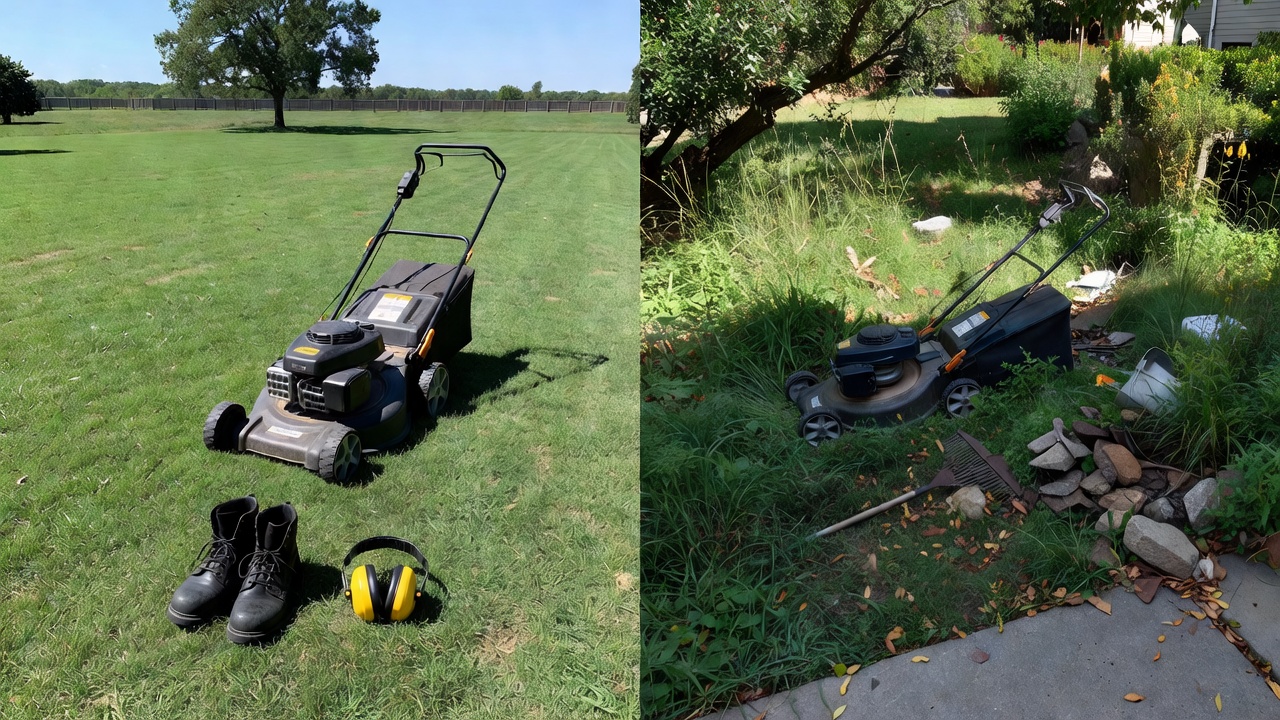
Before attempting to start any lawn mower, perform these essential safety checks to prevent injury and equipment damage:
- Verify fuel level and quality: The fuel tank should be filled with fresh, ethanol-treated gasoline (purchased within 30 days). Old or stale fuel prevents reliable starts and can damage the carburetor.
- Position on level ground: Place the mower on a flat, stable surface away from slopes, obstacles, or soft terrain that could cause tipping.
- Disengage all cutting mechanisms: Ensure blade engagement controls, safety levers, and any belt systems are in the neutral or off position before starting.
- Clear the work area: Remove people, pets, children, and debris from at least 10 feet around the mower to prevent injury from discharge or accidental engagement.
- Wear appropriate gear: Closed-toe shoes, long pants, and hearing protection reduce risk of injury during operation.
- Check the engine: Inspect the spark plug wire for secure connection and verify the air filter is clean or recently replaced.
Starting a Gas-Powered Toro Push Mower
Most residential Toro push mowers use manual pull-cord ignition with a choke system and primer bulb. Follow these steps in order:
Step 1: Prepare the Engine
Locate the choke lever on the side or top of the engine housing (it is typically labeled with a small icon or the word “Choke”). Pull or slide the choke to the cold position. This restricts airflow to the carburetor, enriching the fuel mixture for cold starts. If your mower is already warm from recent use, leave the choke in the warm position.
Step 2: Prime the Carburetor
Find the primer bulb (a soft rubber button, usually red or black) on the engine housing. Press it firmly 3–6 times in steady, deliberate pumps. You may see fuel move through the transparent fuel lines as you prime. This action forces gasoline into the carburetor, making ignition easier. If you do not feel resistance or see fuel movement after 6 pumps, the fuel line may be clogged or the tank may be empty.
Step 3: Engage Safety Controls
Hold or squeeze the blade engagement control lever (also called the dead-man lever) toward the handle. This lever must remain engaged throughout starting and operation. Some models require you to hold this lever continuously during the pull-cord sequence.
Step 4: Pull the Starter Cord
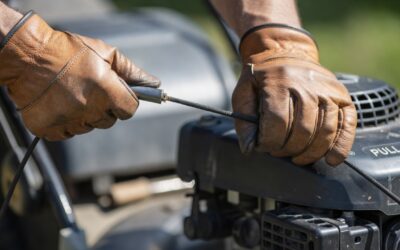
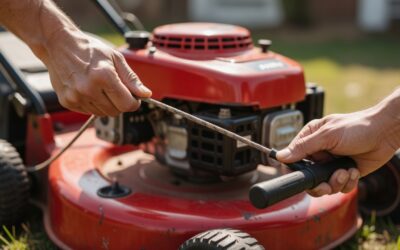
Grip the starter cord handle firmly and pull it toward you with one smooth, quick motion. Do not jerk or wrap the cord around your wrist. The engine should crank within 1–3 pulls. If the engine does not catch after 3–5 pulls, stop and allow the engine to rest for 30 seconds before trying again. Repeated pulling in succession can flood the carburetor.
Step 5: Transition the Choke to Warm
Once the engine starts (usually with a cough or sputter), immediately move the choke lever from cold to warm. Leave it in the warm position as you continue to run the engine. If you leave the choke in cold after the engine starts, it will run roughly or stall. Allow the engine to idle for 30–60 seconds before mowing to warm up.
Starting a Toro Riding Mower or Zero-Turn Mower
Riding and zero-turn mowers use an ignition key system similar to automobiles. The starting procedure is simpler than push mowers but requires attention to safety interlocks:
Pre-Start Setup
- Sit firmly on the operator seat. Many Toro riding mowers have a seat safety switch that prevents starting if no one is seated.
- Engage the parking brake fully. This is a non-negotiable safety requirement; the mower will not start without it engaged.
- Verify the blade engagement lever or switch is in the neutral or off position.
- Check that the fuel tank is filled and the fuel shutoff valve (if present) is open.
Starting Sequence
Insert the ignition key into the keyhole on the dashboard and turn it clockwise to the “Start” position. Hold the key there for 2–3 seconds while the starter motor cranks the engine. Release the key once the engine fires; it will return to the “Run” position automatically. The engine should start within 2–3 seconds of holding the key in Start. If it does not start after 5 seconds, release the key, wait 30 seconds, and try again to avoid draining the battery.
Post-Start Operation
Allow the engine to idle for 1–2 minutes before engaging the blades or mowing. Check gauges (fuel, temperature) on the dashboard to ensure normal operation. If the engine stalls immediately after starting, check that the parking brake is fully engaged and the seat switch is making contact.
Starting Toro Electric-Start Models
Some Toro riding mowers and larger models include electric start powered by an onboard battery. The process is streamlined:
- No priming required: The battery and alternator manage fuel delivery automatically.
- Turn the key: Insert the ignition key and turn to Start. The starter motor engages instantly.
- Choke adjustment: Some electric-start models still have a manual choke; others manage it electronically. Check your owner’s manual for your specific model.
- Battery maintenance: Keep the battery charged and terminals clean. A weak battery will cause sluggish cranking or failure to start.
Troubleshooting Common Starting Problems
Engine Cranks but Will Not Catch
Likely cause: Flooded carburetor. If you have pulled the starter cord more than 10 times or primed excessively, gasoline may have overflowed the carburetor. To clear a flooded engine, release the choke entirely (set to warm), leave the blade disengaged, and pull the starter cord 10–15 times without priming. This exhausts excess fuel and allows air to enter. Let the engine rest for 15–20 minutes, then try starting again with the choke in cold and 3–4 primer bulb presses.
Likely cause: Old or stale gasoline. Gasoline older than 30 days degrades and loses volatility, especially in warm climates. Ethanol-treated fuel can gum up carburetor passages within 60 days of storage. Drain the old fuel, refill with fresh gasoline, and try starting again. If the problem persists, the carburetor may need cleaning by a professional technician.
Engine Cranks Weakly or Not at All
For electric-start models: Check the battery charge with a multimeter (should read 12+ volts). Charge the battery if low. Verify battery cable connections are tight and corrosion-free. A dead battery requires professional charging or replacement.
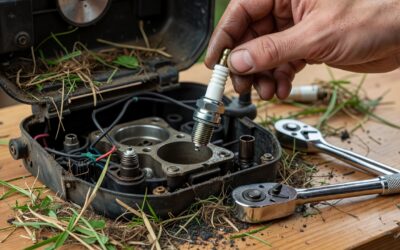
For all models: Inspect the spark plug by removing the wire and unscrewing the plug. A black, wet spark plug indicates fuel flooding; a dry, white plug suggests the fuel system is not delivering gas. Replace fouled spark plugs or clean deposits with a wire brush. A loose or missing spark plug wire will prevent ignition.
Engine Starts but Runs Roughly or Stalls
This typically indicates the choke is not adjusted correctly or the engine needs warm-up time. Verify the choke is fully in the warm position once the engine catches. Allow 60–90 seconds of idle time before engaging the blades. If roughness persists, the air filter may be clogged; check and replace it if dirty.
Primer Bulb Feels Hard or Will Not Prime
A hard primer bulb can indicate the fuel line is blocked or the carburetor is clogged. Do not force the bulb excessively, as this can crack it. If priming does not work after 3–4 firm presses, allow the mower to sit for 10 minutes and try again. If the problem continues, the fuel filter or carburetor may require professional cleaning.
Seasonal and Storage Considerations
Preparing for Winter Storage
If you will not use the mower for more than 30 days, prepare it for storage to ensure a reliable spring start:
- Add fuel stabilizer: Pour a fuel stabilizer product into the tank according to the product instructions. Stabilizer extends gasoline shelf life from 30 days to approximately 12 months by preventing oxidation and gum formation.
- Run the engine: Allow the mower to run for 5–10 minutes after adding stabilizer so the treated fuel circulates through the carburetor and fuel lines.
- Drain or leave full: You can either drain the fuel tank completely or leave it full (with stabilizer). A full tank reduces oxygen exposure, while a drained tank prevents stale fuel from sitting in the carburetor.
- Change the oil: Fresh oil protects internal engine components during storage.
- Store in a dry location: Keep the mower indoors or under a tarp to prevent rust and moisture accumulation.
Spring Startup After Storage
After winter storage, stale fuel is the most common cause of starting failure. If you did not use stabilizer and stored the mower for more than 60 days, drain the old fuel completely. Refill with fresh gasoline, add stabilizer to this new batch, and attempt starting. The engine may cough and sputter initially as it clears old fuel from the carburetor; this is normal. If it does not start within 10 pulls, stop and consult a technician to avoid carburetor damage.
Frequently Asked Questions
How many times should I prime a Toro lawn mower before starting?
Press the primer bulb 3–6 times for a cold start on a gas push mower. For warm starts (immediately after shutdown), prime once or twice. Over-priming floods the carburetor and makes starting harder. Stop priming once you feel consistent resistance or see fuel move through the fuel lines.
Why won’t my Toro mower start after sitting for a few months?
Stale gasoline is the primary culprit. Fuel loses volatility after 30 days and becomes sticky within 60 days, clogging the carburetor. Drain the old fuel, refill with fresh gas treated with fuel stabilizer, and try starting. If this does not work, the carburetor may need professional cleaning.
What does it mean if my primer bulb feels hard and will not compress?
A hard primer bulb suggests the fuel line is blocked or the carburetor is extremely clogged. Stop attempting to force it, as excessive pressure can crack the bulb. Let the mower sit for 10 minutes and try again gently. If it remains hard, consult a technician; you may need a new fuel filter or carburetor service.
Do I need to use ethanol-free gas in my Toro mower?
Toro mowers are designed to run on standard ethanol-treated gasoline (up to E10, which is 10% ethanol). However, ethanol can cause carburetor buildup if the fuel sits unused for longer than 60 days. If you store your mower for extended periods, use ethanol-free fuel or add a fuel stabilizer to prevent gum formation. Always check your owner’s manual for your specific model’s fuel requirements.
Key Takeaways
- Always perform safety checks before starting: verify fuel quality, clear the work area, and disengage cutting mechanisms.
- For push mowers, use the choke (cold to start, warm once running) and prime 3–6 times with the primer bulb before pulling the starter cord.
- Riding and zero-turn mowers require the parking brake to be engaged and the operator to be seated before turning the ignition key.
- Most starting failures result from stale fuel, a flooded engine, or a clogged carburetor; address these systematically rather than repeatedly pulling the cord.
- Use fuel stabilizer before storing your mower for more than 30 days to ensure reliable spring starts and prevent carburetor damage.
- If troubleshooting does not resolve the problem, consult a Toro-authorized service center rather than attempting internal repairs.