
Direct Answer: How to Use a Push Mower
To use a push mower safely and effectively, start by clearing the lawn of debris and performing pre-operation checks on fuel or battery, oil, blade, and safety guards. Then start the mower according to its type (gas, electric, or manual reel), push it at a steady walking pace in overlapping straight lines, and never cut more than one-third of the grass blade height at once. After mowing, clean the underside of the deck, inspect the blade, and store the mower properly so it is ready for the next cut.
What Is a Push Mower and How Does It Differ From Other Mowers?
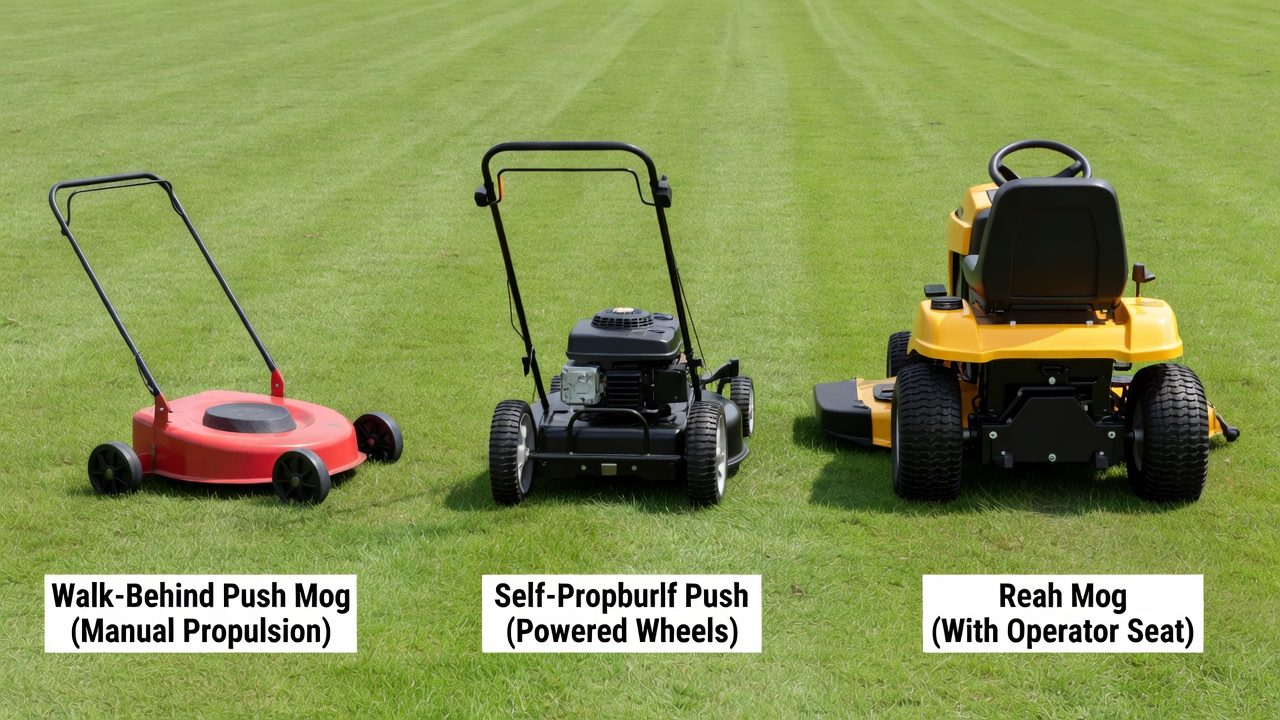
A push mower is a walk-behind lawn mower that requires the operator to supply the forward motion by pushing it across the grass. Unlike self-propelled mowers, which drive their own wheels, and riding mowers, which carry the operator, a push mower is powered only by the operator’s effort for movement while the cutting blade is powered by a gas engine, electric motor, or manual reel mechanism.
Main Types of Push Mowers
- Gas push mowers: Powered by a small internal combustion engine. They offer strong cutting power and are ideal for larger or thicker lawns, but require fuel, oil, and more maintenance.
- Corded electric push mowers: Lightweight and quiet, but limited by the length of the extension cord and the need for an outdoor power outlet.
- Cordless battery push mowers: Powered by rechargeable lithium-ion batteries. They are quiet, low-maintenance, and easy to start, but runtime depends on battery capacity and grass conditions.
- Manual reel mowers: The simplest type, with a cylinder of blades that spins as the mower is pushed. They are quiet, eco-friendly, and best for small, flat lawns with short grass.
Is a Push Mower Right for Your Lawn?
Push mowers are best suited for small to medium-sized lawns, generally up to about a quarter acre, especially when the ground is relatively flat. If your yard is large, steep, or very uneven, a self-propelled mower or a riding mower may be more practical. For a flat, modest-sized lawn, a push mower is affordable, easy to store, and gives you excellent control over the quality of the cut.
Pre-Operation Checks: What to Do Before You Start Mowing
Preparation prevents accidents and protects both you and the mower. Spend five minutes inspecting the lawn and the machine before every mowing session.
Inspect the Lawn for Debris
Walk the lawn and remove rocks, sticks, toys, hoses, and any other objects that could become projectiles or damage the blade. Check for hidden sprinkler heads, tree roots, and utility covers. Mowing over debris can dull the blade, damage the mower, or send objects flying toward you or bystanders.
Wear the Right Safety Gear
- Closed-toe shoes with good grip, preferably sturdy work shoes or boots.
- Eye protection, such as safety glasses or goggles, to guard against flying debris.
- Long pants to protect your legs from thrown objects and grass irritation.
- Hearing protection for gas mowers, which can exceed safe noise levels over extended use.
Check the Mower Before Starting
- Fuel and oil (gas mowers): Check the fuel level and top up if needed. Verify the oil level with the dipstick and add oil if it is low. Never overfill.
- Battery (cordless mowers): Confirm the battery is charged and securely locked into place.
- Blade: Inspect the blade for damage, dullness, or excessive wear. A loose or damaged blade is dangerous and produces a poor cut.
- Safety guards and handles: Ensure the blade brake, discharge chute, and safety shields are in place and working. Tighten any loose handle hardware.
- Air filter and spark plug (gas mowers): Check that the air filter is clean and the spark plug wire is connected before starting.
Choose the Right Time and Grass Condition
Mow when the grass is dry. Wet grass clumps together, clogs the deck, and can cause an uneven cut or slippery footing. The best time is late morning or early evening, when the grass is dry but the heat of midday has passed. Avoid mowing in extreme heat or during a thunderstorm.
How to Start a Push Mower: Step-by-Step Instructions
Starting procedures differ by mower type. Always read the owner’s manual for your specific model, but the following steps cover the most common push mower designs.
How to Start a Gas Push Mower
- Move the mower to a flat, clear area of the lawn, away from gravel and dry grass.
- Check that the fuel shut-off valve, if present, is open.
- Press the primer bulb three to five times if the engine is cold. Skip priming if the engine is warm.
- Set the choke lever to the closed or choke position for a cold start. Once the engine warms up, move it to the run position.
- Hold the blade control handle or safety bar against the upper handle with one hand.
- Pull the starter cord slowly until you feel resistance, then pull it quickly and firmly. Repeat as needed.
- Once the engine starts, gradually open the choke and let the engine run for a few seconds before mowing.
How to Start an Electric or Cordless Push Mower
- For corded models, plug the mower into a GFCI-protected outdoor outlet and route the cord away from the cutting path.
- For cordless models, insert a charged battery until it clicks into place.
- Press and hold the safety start button, if equipped, while squeezing the blade control lever or pulling the start handle.
- Release the lever only when you want to stop the blade. The blade should stop within a few seconds of releasing the control.
How to Start a Manual Reel Mower
A reel mower requires no starting procedure. Simply adjust the cutting height, grip the handle, and push the mower forward. The reel spins as the wheels turn, so the faster you push, the faster the blades rotate.
What to Do If the Mower Won’t Start
- Check that the spark plug wire is connected and the fuel tank has fresh fuel.
- Confirm the blade control is engaged, since most modern mowers will not start without it.
- Check the air filter and clean or replace it if clogged.
- For cordless models, verify the battery is charged and properly inserted.
- If the mower still will not start, consult the owner’s manual or a qualified small-engine technician.
How to Stop the Mower Safely
Release the blade control bar or lever to stop the blade. For gas mowers, let the engine idle briefly, then turn the ignition switch off or remove the spark plug wire if the mower has no switch. For electric mowers, release the control and unplug the cord or remove the battery. Wait for the blade to come to a complete stop before lifting the mower or clearing debris. To compare alternative configurations, check our hands-on review of marshall stanmore iii vs harman kardon onyx studio 8.
Mowing Techniques: How to Cut Grass Evenly and Safely
Good technique produces a clean, even cut and keeps your lawn healthy. Focus on mowing patterns, speed, height, and grass condition.
Use an Overlapping Mowing Pattern
Mow in straight, overlapping lines. Overlap each pass by a few inches so you do not miss strips of grass. Alternate the direction of your pattern each time you mow, such as mowing north-south one week and east-west the next. This prevents the grass from developing a permanent lean and helps avoid ruts on soft ground. Users looking for related component recommendations can explore our dyson v8 cyclone vs bissell featherweight stick breakdown.
Push at a Steady Walking Pace
Push the mower at a comfortable, steady walking pace. Pushing too fast strains the engine or motor, leaves an uneven cut, and makes the mower harder to control. Pushing too slowly can cause the blade to chop the same grass repeatedly, leaving a ragged look. A consistent pace gives the blade time to make a clean cut.
Follow the One-Third Rule
Never remove more than one-third of the grass blade height at a single mowing. Cutting off more than that stresses the grass, exposes the crown, and encourages weeds and shallow roots. If your grass has grown tall, mow once at a higher setting, then mow again a few days later at the desired height. Before finalizing equipment decisions, refer to our comprehensive bissell crosswave hydrosteam vs shark stainforce comparison.
Set the Correct Mowing Height
Adjust the deck height so the mower cuts at the recommended height for your grass type. Cool-season grasses generally do well at 2.5 to 4 inches, while warm-season grasses are often kept between 1 and 3 inches. During hot, dry periods, raise the cutting height to shade the soil and reduce moisture loss. Check your owner’s manual and local extension office for specific recommendations.
Mow Dry Grass, Not Wet Grass
Mow only when the grass is dry. Wet grass clumps, sticks to the deck, and can clog the discharge chute. It also makes the lawn slippery and increases the risk of slipping. If you must mow in the morning, wait until the dew has evaporated.
Handle Grass Clippings Wisely
Leave short clippings on the lawn as natural fertilizer, a practice called grasscycling. Clippings break down quickly and return nutrients to the soil. If the grass is long or wet, use a bagging attachment or rake the clippings to avoid smothering the turf. Never let thick clumps of clippings sit on the lawn, as they can block sunlight and encourage disease.
Mowing Slopes and Uneven Ground
On slopes, mow across the slope rather than up and down to reduce the risk of the mower rolling onto you. Take extra care on uneven ground, and slow down around turns. If a slope feels too steep or unstable, use a string trimmer or consider a different mowing method for that area.
Aftercare and Basic Maintenance: Keeping Your Push Mower in Good Condition
Routine care extends the life of your mower and keeps it safe to operate. A few minutes of aftercare after each use prevents most common problems.
Clean the Mower Deck After Each Use
Grass clippings and dirt build up under the deck and can cause rust and poor cutting performance. After mowing, disconnect the spark plug wire or remove the battery, then scrape the underside of the deck with a plastic scraper or a stiff brush. Many mowers have a hose port that lets you rinse the deck with water. Dry the deck afterward to prevent corrosion.
Sharpen or Replace the Blade Regularly
A sharp blade cuts cleanly, while a dull blade tears the grass and makes it look brown at the tips. Inspect the blade every few uses and sharpen it at least once or twice per season, or more often if you mow frequently or hit debris. Replace the blade if it is bent, cracked, or badly worn. Always remove the spark plug wire or battery before working on the blade.
Maintain the Air Filter, Spark Plug, and Oil
For gas mowers, check the air filter at the start of each season and clean or replace it as needed. Inspect the spark plug annually and replace it if the electrode is worn or fouled. Change the engine oil according to the manufacturer’s recommended interval, usually once per season or every 50 hours of use, and always dispose of old oil properly.
Store the Mower Properly
Store the mower in a dry, covered area such as a garage or shed. For gas mowers, either run the fuel tank dry or add a fuel stabilizer before long-term storage. For cordless mowers, remove the battery and store it in a cool, dry place at a partial charge. Keep the mower off the ground or on a hard surface to protect the blade and wheels.
When to Service or Replace Parts
Follow the maintenance schedule in your owner’s manual. Replace the air filter, spark plug, and oil at the recommended intervals. Replace the blade when it is damaged or too thin to sharpen. If the mower vibrates excessively, makes unusual noises, or fails to start despite routine maintenance, have it inspected by a qualified technician.
Common Mistakes and Safety Tips to Avoid Injury
Most push mower accidents are preventable. Learn the common mistakes and follow basic safety rules every time you mow.
Common Push Mower Mistakes Beginners Make
- Mowing wet grass, which clogs the deck and creates slippery conditions.
- Cutting too much grass at once, which stresses the lawn and leaves clumps.
- Pushing too fast, which produces an uneven cut and strains the mower.
- Neglecting blade maintenance, which results in torn grass and poor lawn health.
- Ignoring the owner’s manual, including safety warnings and maintenance intervals.
Keep Hands and Feet Away From the Blade
Never place your hands or feet near the blade, even when the mower is off. The blade can still be sharp, and a hot engine can cause burns. Always wait for the blade to stop completely before clearing clogs, lifting the mower, or checking the underside. Disconnect the spark plug wire or remove the battery before any maintenance.
What to Do If the Mower Jams or Hits an Object
If the mower jams or strikes a foreign object, stop immediately, release the blade control, and wait for the blade to stop. Turn off the engine or disconnect the power source. Inspect the mower for damage, especially the blade and shaft, and clear the obstruction. Do not reach under the mower while it is running or while the blade is still spinning.
Keep Children and Pets Away
Keep children and pets indoors or at a safe distance while mowing. Do not allow passengers on a push mower, and never let a child operate the mower without proper training and supervision. Store the mower out of reach of children, and remove the key, battery, or spark plug wire when it is not in use.
Frequently Asked Questions About How To Use A Push Mower
How often should I sharpen my push mower blade?
Sharpen the blade at least once or twice per mowing season, or more often if you mow frequently, hit debris, or notice torn grass tips. A good rule is to inspect the blade every month during the active growing season. Replace the blade if it is bent, cracked, or too thin to hold an edge.
Can I use a push mower on wet grass?
You should avoid mowing wet grass whenever possible. Wet grass clumps and clogs the mower deck, produces an uneven cut, and increases the risk of slipping. If you must mow when the grass is damp, use a higher cutting height and clean the deck immediately afterward.
What height should I set my push mower to?
Set the cutting height according to your grass type and the season. Cool-season grasses generally do best at 2.5 to 4 inches, while warm-season grasses are often kept between 1 and 3 inches. During hot or dry weather, raise the deck to leave the grass slightly taller, which shades the soil and reduces moisture loss.
Is a gas or electric push mower better for a small lawn?
For a small, flat lawn, a cordless electric or manual reel mower is often the better choice because it is quiet, lightweight, and requires less maintenance. A gas mower offers more power and longer runtime, but it needs fuel, oil, and more regular upkeep. Choose based on your lawn size, terrain, and preference for maintenance.
Related Maintenance and Operating Guides
To keep your equipment running at peak operating efficiency, explore our related technical walkthroughs and maintenance tutorials:
- Consult our detailed breakdown on residential zero-turn lawn mower guide.
- Consult our detailed breakdown on heavy-duty chainsaw buyer guide.
Walking Safety for Mowers
Follow the manual’s guidance on slopes, and keep children and pets indoors while you mow. Wear closed shoes and avoid mowing on wet grass. Outside sources on outdoor power equipment safety include American National Standards Institute (ANSI).