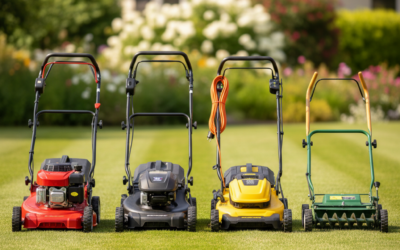
Winterizing a typical gasoline riding lawn mower means cleaning grass and debris, protecting or emptying the fuel system, doing basic engine and deck care, disconnecting or maintaining the battery, and storing the machine in a dry, secure place. That combination reduces the chance that stale gasoline, rust, pests, or a dead battery will cause spring problems. Follow the owner’s manual for fluids, fuel steps, and battery rules. Battery-electric riders skip gasoline treatment and need manufacturer charge-and-storage care instead.
What winterizing a riding mower is meant to prevent
A riding lawn mower that sits unused for months is not simply “resting.” Fuel, metal, rubber, and electrical parts all change when they are idle, damp, or half-empty. Winterizing is seasonal equipment maintenance: you interrupt the problems that develop while the machine is parked, so the first spring start is more likely to be ordinary rather than a repair job.
Unused gasoline is the most common culprit. Pump fuel, especially ethanol-blended fuel, can absorb moisture and slowly leave gum or varnish-like deposits in the tank, lines, filter, and carburetor. Those deposits restrict flow and make the engine hard to start or keep running. A neglected 12-volt starting battery also self-discharges. A weak battery may not crank the engine, and a deeply discharged lead-acid battery is more vulnerable to cold damage than a charged one.
Moisture and leftover clippings attack the mower deck, fasteners, and chassis. Packed grass holds water against steel, which encourages rust and can hide nicks, loose hardware, or belt wear. Tires can develop flat spots if they sit in one place on a soft surface. Wiring, air intakes, and the space under the seat or hood can attract rodents looking for a warm nest. Chewed insulation and blocked cooling passages are frequent spring surprises.
A full unused-season plan is for a mower that will sit until spring. If you still mow on mild winter days, you may not need every long-storage step, but fuel freshness and battery charge still matter. Occasional use does not reset old gasoline or revive a battery that has been left to drain between outings. Winterizing does not guarantee a first-pull start or a longer engine life. It simply removes the most predictable storage failures.
Gasoline, electric, and when to follow the owner’s manual
This guide treats a typical residential gasoline riding mower as the default. That includes common lawn tractors and garden tractors with a small engine, a fuel tank, and a 12-volt starting battery. The same ideas apply to many hydrostatic or gear-drive riders, but fluid types, drain points, and fuel-system rules are model-specific.
Battery-electric and some hybrid riding mowers do not use fuel stabilizer, tank draining, or carburetor fogging. Their winter care centers on the traction battery pack: charge level, storage temperature, and whether the manufacturer wants the machine plugged into a maintainer or left at a stated state of charge. Treat those packs as a different system from a small automotive-style starting battery. If your rider is electric, skip the gasoline sections and follow the battery chapter in the owner’s manual.
General residential practice covers cleaning, dry storage, pest reduction, tire inflation, and the idea that fuel and batteries need attention. Model-specific service includes oil type and capacity, whether to stabilize fuel or drain it, spark-plug or fogging steps, hydraulic or hydrostatic service, lifting points, and the order for disconnecting battery cables. If the manual conflicts with generic advice, the manual wins. Do not assume one winterizing method is required for every make, and do not improvise on sealed fuel-injection systems or “do not run dry” warnings.
Safety before you start
Winterizing involves gasoline, a heavy machine, sharp blades, and a battery that can spark. Work outdoors or in a space with strong ventilation whenever the engine will run. Carbon monoxide from a running engine in a closed garage is dangerous. Let the engine cool before you drain fluids, scrape the deck, or work near the fuel system. Do not smoke, and keep sparks, heaters, and open flames away from gasoline and fuel-soaked rags.
Wear eye protection and gloves. Residual fuel can spill when you open a tank or line. Blades stay sharp after shutdown. Never put hands or tools into the blade area while the battery is connected and the key is available. If you raise the mower to clean the underside, use a method the owner’s manual allows. Do not crawl under a rider supported only by a bumper jack, and do not tip a heavy machine in an unstable way. Lifting points and safe angles vary by model.
Battery work can involve acid and short-circuit risk. If you disconnect cables, follow the order in the manual when it is given. Keep metal tools from bridging terminals. Store leftover gasoline only in an approved container, away from living spaces and ignition sources, and follow local rules for leftover oil and fuel. Do not pour fuel, oil, or battery fluid on the ground, into a storm drain, or into household trash. If you are unsure about draining a pressurized or injected fuel system, or about handling a damaged battery, stop and use a qualified small-engine shop.
What to gather and how to prepare the mower
You do not need a branded “winterize kit.” Gather the owner’s manual, gloves, safety glasses, shop rags, a drain pan, a funnel, a deck scraper or putty knife, and a blower or brush. A garden hose can help if the manual allows wet cleaning and you can keep water out of electrical parts. If fuel will stay in the tank, have fuel stabilizer and an approved gasoline container for any fuel you add or remove. If you will service the battery, have a smart maintainer or charger rated for that battery type, plus a brush for terminals. Park the finished machine in a dry storage spot you have already chosen.
Park on level ground, set the parking brake, remove the key, and let the engine cool. If the manual calls for circulating treated fuel or changing oil at operating temperature, do that running outdoors only, then shut the machine down and cool it again before scraping, draining, or battery work. Do not start the engine just to “warm it up” in a closed building.
A logical order saves repeat trips under the hood: clean the exterior and deck while you can still see leaks and damage; handle engine oil, air filter, and spark plug; decide whether to stabilize or drain fuel; service the battery last so you are not cranking or running the engine after you have disconnected it. Inspect as you go. Winterizing is a poor time to ignore a fuel smell, a cracked belt, or a battery that will not hold a charge.
Clean the deck, chassis, and underside
Packed clippings on the mower deck hold moisture against bare metal, hide impact damage, and can unbalance the cutting assembly. They also give rodents cover. Scrape the underside of the deck, the discharge chute, and the chassis pockets where wet grass collects. A putty knife or plastic scraper is usually enough. A blower or dry brush is safer around belts, pulleys, and electrical connections than a hard spray of water.
If you wash the machine, keep water out of the engine, air intake, muffler, belt area, and connectors. Do not flood the dashboard or battery tray. After any wet cleaning, dry the mower thoroughly and leave panels open long enough that trapped water can evaporate. A damp deck stored under a sealed cover is an invitation to rust.
While the deck is clean, inspect blades, belts, pulleys, and the deck shell for cracks, missing bolts, or obvious bends. Sharpening or replacing blades now is optional. Some owners prefer to put the mower away spring-ready; others wait until the first mowing week. Either approach is fine if the blades are not dangerously damaged. Do not invent torque values or balance numbers—use the manual if you remove a blade. Keep hands clear of the blade path until the battery is disconnected or the key is removed and the machine cannot start.
Wipe grass off the engine cooling fins, around the carburetor, and under the seat. A clean chassis also makes later leak checks easier. Touch-up paint on bare steel is optional and only useful on dry, clean metal. The goal is a dry, debris-free machine, not a showroom finish.
Engine oil, air filter, and spark plug
Used engine oil can hold combustion byproducts and moisture. Many owner’s manuals recommend a fresh oil change before long storage so those contaminants do not sit in the crankcase all winter. That is reasonable general practice, but viscosity, capacity, and interval are not universal. Use the oil the manual specifies, change it only when the engine is at the temperature the manual describes, and dispose of used oil through an approved collection site. If the manual says to change the oil filter at the same time, follow that note rather than a generic schedule.
Inspect the air filter. A dirty or oil-soaked filter can be replaced or serviced according to the manual. Leaving a clogged filter in place does not “protect” the engine in storage; it simply guarantees a poor first start and can allow debris past a damaged element. Do not oil a paper filter unless the manufacturer says to.
A spark plug can be inspected, cleaned, or replaced if the electrode is worn or the insulator is damaged. Do not assume a gap setting. If you remove the plug, keep dirt out of the hole and reinstall it snugly without guessing at a torque figure. Fogging oil—sprayed into the intake or cylinder so a film protects internal surfaces—is sometimes recommended for engines stored a long time. Treat fogging as optional and manual-dependent, not a required step on every residential rider. Do not crank an engine with the plug out in an unsafe way, and do not spray raw gasoline or random aerosols into the cylinder as a substitute.
Check the cooling-air screen and any visible belts on the engine side. Winter storage is not a full overhaul. If you see a major oil leak, a damaged flywheel screen, or a carburetor that is already wet with fuel, a shop visit before storage can be cheaper than a no-start in March.
Treat or remove the fuel
Leftover gasoline is a problem after months of sitting because it can oxidize, take on water, and leave deposits that clog the fuel system. Ethanol-blended fuel is especially prone to absorbing moisture. The result is a carburetor or injector circuit that will not pass enough fuel for an easy start. There is no single number of days after which untreated fuel “always” fails, and no stabilizer product should be treated as a guaranteed number of months of protection. The practical choice is either treat fresh fuel and run it through the system, or remove fuel the way the manufacturer allows.
Fuel stabilizer is commonly added to fresh gasoline in the tank, then the engine is run outdoors long enough for treated fuel to reach the carburetor or injection system and the fuel lines. That approach suits many owners who want the mower ready for an unexpected thaw or who prefer not to open drain points. Use the stabilizer as its label directs, and do not stack mystery additives on top of old, already-varnished fuel. Stabilizer works best in fuel that is still in good condition.
Draining the tank and, when the design allows, the carburetor bowl may be the better choice if the mower will sit for a very long time, if the fuel is already old or water-contaminated, or if the owner’s manual tells you to store the machine dry. Catch fuel in an approved container and use it promptly in another gasoline engine if it is still clean, or take it to a household hazardous-waste site. Never dump fuel on soil or into a drain.
Some modern engines and electronic fuel-injection systems have specific no-drain or no-run-dry rules. Running a pump dry, or leaving an injected system empty, can be the wrong move on those models. If the manual is silent and the system is not a simple gravity-fed carburetor, do not improvise a drain. Stabilize with fresh fuel, or ask a dealer how that model is supposed to be stored. After either method, wipe spills, check for drips, and keep rags in a safe place until they can be discarded properly.
Battery care for winter storage
A 12-volt starting battery that sits unused will gradually lose charge. Parasitic drains from clocks, controllers, or corroded cables speed that up. A discharged battery may fail to crank in spring and, in hard freezes, is more likely to be damaged than a charged battery. Clean the terminals and cable ends so corrosion does not keep a good battery from doing its job. If the manual allows it, disconnect the battery or remove it to cut parasitic drain. When a disconnect order is printed in the manual, follow that order.
Store a removed battery in a dry, ventilated place out of reach of children, upright, and away from sparks. People often keep batteries off bare concrete; the more important points are a charged battery, clean terminals, and no metal objects resting across the posts. A smart battery maintainer is a common way to offset self-discharge if the storage area is dry and the charger is designed for that battery chemistry. Periodic charging can also work if you remember to do it and do not leave a conventional charger on unattended for weeks. Do not invent a voltage cutoff or a universal “store at 80 percent” rule for a starting battery. Those figures belong to the battery maker or the mower manual when they are given.
If the battery will stay on the mower, a maintainer is still useful, provided cables are sound and the storage spot is not wet. A weak battery that already fails a simple charge-and-hold check is a better candidate for replacement than for another winter of trickle charging.
Electric riding mowers are different. Store the traction pack at the charge level and temperature range the manufacturer specifies. Do not treat a large lithium or proprietary pack like a small lead-acid starting battery, and do not open the pack or apply an automotive charger unless the manual says that charger is approved. If the machine has both a traction pack and a 12-volt auxiliary battery, service each one the way the manual describes.
Tires, belts, fluids, and pest protection
Tires that sit in one spot for months can develop flat spots, especially if they are underinflated or parked on a soft floor. Inflate them to the pressure on the tire sidewall or in the owner’s manual. If you can move the mower a few inches every few weeks, do so. Parking on boards can help on damp dirt or gravel. Do not guess a PSI value that is not printed on the tire or in the manual.
Inspect belts for cracks, glazing, or missing chunks. There is no universal rule that you must loosen every belt for winter. Note any belt that is already failing so you can replace it before the first mow. Check for obvious hydraulic or hydrostatic leaks around fittings and the transaxle. Fluid type and change intervals for those systems are model-specific; topping off with the wrong oil can do more harm than leaving a sealed system alone. If you see a wet transaxle or a burnt-oil smell, get a professional opinion before storage rather than after.
Rodents chew wiring, nest in the deck, and block air intakes with nesting material. Reduce the attraction: store the mower in a reasonably sealed space, keep pet food and bird seed away from the parking spot, and close obvious gaps in a shed. Physical blockers—such as screening on openings the manual does not need left open for cooling during storage—are safer than household chemical “hacks.” Do not use mothballs or homemade poisons around a machine you will later handle and start. If you already have a rodent problem in the building, address the building, not just the mower.
A brief look at cables, the throttle and choke linkages, and safety-switch wiring is enough at this stage. You are not rebuilding the electrical system. You are making sure nothing is already frayed, soaked in fuel, or packed with nests before you cover the machine.
Where and how to store the mower
A dry, level, well-ventilated indoor space is generally better than uncovered outdoor storage. A garage or shed that stays reasonably dry, away from water heaters, furnaces, and open flames, is the usual home setup. Keep the mower out of kids’ play paths and do not block a building exit. Leave enough room to inspect it midwinter if you need to charge the battery or check for nests.
A breathable cover limits dust without trapping as much moisture as a sealed plastic tarp. If you cover the mower, wait until the deck and engine are fully dry. Outdoor storage is a compromise. A fitted cover, a dry deck, and a spot that does not collect standing water will still see more corrosion risk than indoor storage. Avoid parking under a roof edge that drips, and do not wrap the machine so tightly that condensation has nowhere to go.
Store gasoline only in approved containers, away from living spaces and ignition sources, and in quantities your local rules allow. Keep leftover oil sealed and labeled for recycling. Do not store fuel cans on the mower deck or against the muffler. There is no single safe temperature or humidity percentage that applies to every climate and every machine; “dry and out of the weather” is the practical target. If your only option is a damp shed, extra attention to a dry deck, a maintained battery, and treated or removed fuel matters even more.
What to check before the first spring use
Winterizing is not set-and-forget. Before you add fuel or turn the key, walk around the machine. Look for nests, chewed wires, fuel or oil leaks, loose hardware, low tires, and a dirty air filter. Confirm the oil is at the correct level on the dipstick. Reconnect the battery in the correct order if you removed it, and make sure terminals are tight and clean. If you drained the fuel system, add fresh gasoline. If old fuel is still in the tank and looks cloudy, smells sour, or has been sitting untreated for a long time, do not assume it is fine—fresh fuel is one of the first things to verify.
Start the engine outdoors. Listen for knocking, grinding, or a belt that screams. Let oil pressure and idle stabilize before you engage the blades. In an open area, test blade engagement and the safety switches—seat, brake, and PTO—the way the manual describes. A mower that starts but ignores a safety switch is not ready for use. Check the steering, brakes, and hydrostatic or gear drive at low speed before you mow near people or property.
Do not expect an immediate start after months of storage, even if you did everything carefully. A few extra cranks can be normal. Persistent no-starts, fuel leaks, electrical damage, hydrostatic problems, or an engine that cranks poorly after a charged battery and fresh fuel are reasons to stop. Another afternoon of random parts-swapping is less useful than a shop visit when the problem is inside the fuel system or the transaxle. Skip advertised “spring tune-up packages” as a requirement; ask for the specific inspection or repair the machine actually needs.
Common winterizing mistakes
The shortcuts that most often produce a spring no-start are leaving untreated or already-old gasoline in the fuel system, storing a dirty wet deck, and ignoring the battery. Running the engine indoors to “just circulate the fuel” is a safety mistake, not a time-saver. Skipping the owner’s manual on EFI, sealed systems, or hydrostatic fluid is how generic advice turns into a repair. Storing the mower with a weak battery still connected lets the battery go flat and can leave you with both a no-crank condition and a battery that will not recover.
If the mower is already in the shed with questionable fuel, do not keep pouring additives into a tank of mystery gasoline. You can try cautious outdoor testing after adding fresh treated fuel if the existing fuel is not obviously water-logged, or you can have the fuel system cleaned. That is not a cue to rebuild a carburetor from a generic internet diagram. If you stored the machine dirty, clean the deck before the first mow so rust and packed grass do not become a midseason failure. If the battery was left connected and is now dead, charge it with an appropriate charger and test whether it holds a charge before you assume the starter or solenoid failed.
Winterizing a riding lawn mower is a short list done in a safe order: clean and dry the machine, service the engine as the manual directs, treat or remove gasoline, maintain the battery, protect tires and wiring, and store the rider in a dry place. Those core residential tasks—cleaning, fuel management, battery care, and dry storage—are what make spring startup a checkout instead of a rescue.