Quick Answer: Lawn Mower Battery Cost Overview
Direct Answer: Lawn mower batteries typically cost $100-$500+, depending on battery type and specifications. Lead-acid batteries for riding mowers range from $100-$200, while lithium-ion batteries for cordless push mowers cost $200-$500+. The final price depends on voltage rating (40V, 60V, 80V), capacity (Ah), brand, and whether you’re buying OEM (original equipment manufacturer) or aftermarket alternatives.
Understanding Lawn Mower Battery Types
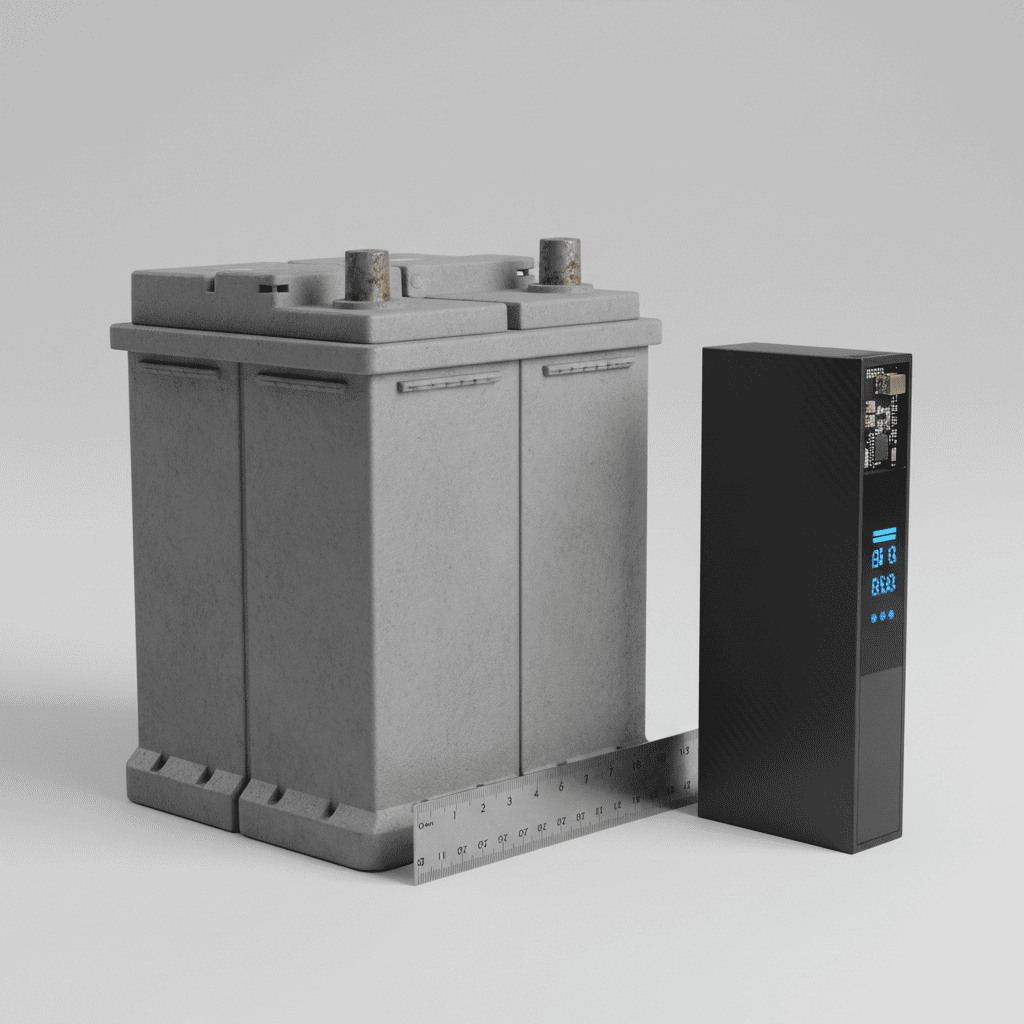
Before pricing, it’s important to understand that lawn mowers use two fundamentally different battery systems, each designed for different mower types.
Lead-Acid Batteries (Riding Mowers)
Lead-acid batteries power traditional riding mowers and are the older, more established technology. These batteries typically range from 12V to 48V depending on the mower’s electrical system complexity. Lead-acid is reliable and affordable, but heavier, has a shorter lifespan (3 to 5 years typical), and requires regular maintenance including periodic charging and fluid checks.
Lithium-Ion Batteries (Cordless Push Mowers)
Lithium-ion batteries power modern cordless push mowers and are increasingly common in the lawn care market. These rechargeable batteries typically come in 40V, 60V, or 80V configurations and are designed for high performance with minimal maintenance. They’re lighter, more efficient, last longer (7 to 10 years typical), and integrate seamlessly with cordless tool ecosystems from brands like DeWalt, Makita, and Ego.
The key difference:
Price Range Breakdown by Battery Type
Lead-Acid Batteries for Riding Mowers: $100-$200
Lead-acid replacement batteries for riding mowers typically fall in the $100-$200 range. A basic 12V lead-acid battery for smaller riding mowers costs around $100-$130. Larger mowers with 24V or 48V systems can cost $150-$200+. Brands like Toro, John Deere, and Cub Cadet often charge a premium for OEM batteries, while aftermarket alternatives from retailers like Amazon or AutoZone can be 20 to 30% cheaper.
Lithium-Ion Batteries for Cordless Mowers: $200-$500+
Lithium-ion batteries command a higher price because of their superior technology. A single 40V lithium-ion battery typically costs $200-$350, while 60V and 80V batteries range from $300-$500+. This pricing varies significantly by brand:
- Ego Power+: 56V batteries range $200-$400 depending on capacity (Ah)
- DeWalt: 60V batteries range $250-$450
- Makita: 40V and 80V batteries range $180-$450
- Ryobi: 40V batteries range $130-$250 (typically the most budget-friendly)
- Toro: 60V batteries range $250-$400
OEM batteries, sold directly by the mower manufacturer, typically cost 15 to 30% more than third-party or store-brand alternatives. For example, an Ego OEM 56V 5.0 Ah battery might cost $350-$400, while a compatible third-party option could cost $250-$300.
Key Factors That Affect Battery Cost
Voltage Rating (40V, 60V, 80V)
Higher voltage batteries deliver more power and faster cutting speeds, making them popular for larger lawns. Generally, 40V batteries are entry-level ($150-$300), 60V are mid-range ($250-$400), and 80V are premium ($300-$500+). The voltage-to-price relationship is roughly linear: higher voltage means higher cost, but also better performance and faster job completion.
Battery Capacity (Amp-Hours or Ah)
Capacity determines how long a battery runs on a single charge. Common capacities are 2.0 Ah (entry-level), 4.0 Ah (mid-range), and 5.0, 6.0 Ah (premium). A 2.0 Ah battery might cost $150, $200, while a 5.0 Ah battery costs $250, $350 for the same voltage rating. Higher capacity means longer runtime but higher price. For average residential lawns (under 1 acre), a 4.0 Ah battery is often sufficient and offers good value. For troubleshooting and reliability insights, consult our in-depth marshall stanmore iii vs harman kardon onyx studio 8 report.
Brand and OEM vs. Aftermarket
Brand reputation significantly impacts pricing. Established brands like Ego, DeWalt, and Makita command premium prices because they offer warranty support, proven reliability, and broad ecosystem compatibility. OEM batteries (sold by the mower manufacturer) are typically more expensive than aftermarket options from third-party suppliers. However, OEM batteries guarantee compatibility and often come with longer warranties.
Single Battery vs. Multi-Pack Pricing
Buying batteries in multi-packs, typically 2-pack or 3-pack bundles, usually offers a per-unit discount of 10, 20%. For example, purchasing two 4.0 Ah batteries as a bundle might cost $450, $550 total, whereas buying them individually could cost $550, $650. This is especially valuable if you plan to keep a backup charged while one is in use. Readers comparing setup options can review our technical analysis on dyson v8 cyclone vs bissell featherweight stick.
Battery Chemistry and Lifespan
Newer battery technologies, including advanced thermal management and fast-charge capability, increase the cost but extend lifespan and improve performance. Premium lithium-ion batteries with smart charging circuits and temperature monitoring can cost 20 to 30% more but may last 2 to 3 years longer than basic models.
OEM vs. Aftermarket: Cost Comparison
Understanding the difference between OEM and aftermarket batteries helps you make an informed purchasing decision. For complementary field maintenance guidelines, examine our breakdown of bissell crosswave hydrosteam vs shark stainforce.
OEM Batteries (Original Equipment Manufacturer)
- Price: Premium, typically 15 to 30% higher
- Warranty: Full manufacturer warranty (often 3 to 5 years)
- Compatibility: Guaranteed to work with your mower
- Support: Direct support from the mower manufacturer
- Best for: Users who prioritize warranty coverage and peace of mind
Aftermarket Batteries
- Price: 20 to 40% cheaper than OEM equivalents
- Warranty: Typically 1 to 2 year warranty from the third-party supplier
- Compatibility: Generally compatible, but verify before purchase
- Support: Support from the third-party seller, not the mower manufacturer
- Best for: Budget-conscious buyers who’ve verified compatibility and are comfortable with shorter warranties
Example Cost Comparison: An Ego Power+ OEM 56V 5.0 Ah battery might cost $380, while a compatible third-party lithium-ion 56V 5.0 Ah battery could cost $250-$280. That’s a savings of $100-$130 per battery, or $200-$260 if buying two.
How to Find the Right Battery at the Right Price
Step 1: Identify Your Mower Type and Current Battery
Check your mower’s manual or the battery itself for voltage (12V, 40V, 56V, etc.) and amp-hour capacity. This prevents buying an incompatible battery and ensures you’re comparing prices for the correct specifications.
Step 2: Determine Your Usage Needs
For typical residential lawns under 1 acre, a 4.0 Ah battery is usually sufficient. For larger lawns (1 to 2 acres), a 5.0 to 6.0 Ah battery or a multi-pack setup (to rotate batteries while one charges) is recommended. This helps you avoid overpaying for unnecessary capacity.
Step 3: Compare OEM and Aftermarket Options
Visit the mower manufacturer’s website for OEM pricing, then check major retailers (Amazon, Home Depot, Lowe’s, Best Buy) for aftermarket alternatives. Read reviews to verify compatibility and durability. Pay attention to warranty length, a slightly more expensive battery with a 3-year warranty may offer better value than a cheaper option with 1-year coverage.
Step 4: Watch for Sales and Bundle Deals
Battery prices often drop during spring (lawn care season start) and fall (end-of-season clearance). Multi-pack bundles and tool-and-battery bundles frequently offer 10 to 25% savings compared to individual purchases. Subscribe to retailer newsletters or use price-tracking tools to catch deals.
Step 5: Consider Total Cost of Ownership
A $250 battery lasting 8 years costs about $31 per year. A $150 battery lasting 4 years costs $37.50 per year. The more expensive battery may actually be more economical long-term. Factor in runtime per charge (affecting how long your mowing takes) and warranty coverage when making your decision.
Where to Buy Lawn Mower Batteries
Prices vary by retailer, so shopping around is worthwhile:
- Home Depot / Lowe’s: Wide selection, frequent sales, easy returns
- Amazon: Competitive pricing, fast shipping, broad selection of OEM and aftermarket options
- Manufacturer Direct (Ego.com, DeWalt.com): Guaranteed OEM batteries, sometimes premium pricing but occasional direct sales
- Costco / Sam’s Club: Bulk discounts on multi-packs and bundled tools
- Local Lawn Equipment Dealers: Expert advice, compatibility assurance, often competitive pricing on OEM batteries
Common Mistakes to Avoid When Buying a Lawn Mower Battery
Buying the wrong voltage or capacity: Always verify your mower’s specifications before purchasing. A 40V battery won’t work in an 80V mower and vice versa.
Choosing only based on price: A $50 cheaper battery that lasts half as long isn’t a bargain. Compare per-year cost and warranty length.
Ignoring ecosystem compatibility: If you own multiple cordless tools from the same brand, buying batteries in that ecosystem allows you to share them across devices, improving overall value.
Not checking warranty before purchase: A battery with a short warranty may indicate lower quality. Prioritize 2 to 3 year warranties when comparing similar-priced options.
Frequently Asked Questions About Lawn Mower Battery Cost
Can I use a lead-acid car battery in my riding mower?
No. While both are lead-acid, mower batteries are specifically designed for the mower’s electrical system and rated for its voltage (typically 12V, 24V, or 48V). Using an incompatible battery risks damaging your mower’s electrical system and voiding the warranty. Always use a battery rated for your specific mower model.
Are cheaper aftermarket lithium-ion batteries worth buying?
It depends on the brand’s reputation and warranty. Established third-party brands (like Greenworks or Kobalt) often offer good value with shorter warranties. Unknown brands are riskier. Read verified customer reviews and check the warranty length before committing. Saving $100 on a battery isn’t worth it if the battery fails after a year.
How long do lawn mower batteries typically last?
Lead-acid batteries typically last 3 to 5 years with proper maintenance. Lithium-ion batteries last 7 to 10 years under normal use and good care. Lifespan depends on storage conditions, charging habits, and usage frequency. Storing batteries in a temperature-controlled environment and avoiding complete discharge extends their life.
Is it worth upgrading from a 40V to a 60V battery?
If you have a small to medium lawn (under 1 acre) and your current battery provides adequate runtime, upgrading may not be necessary. However, if you frequently run out of charge mid-mowing or have a larger lawn, a higher-voltage battery (60V or 80V) will improve performance and potentially reduce mowing time by 20 to 30%. The $100-$200 additional cost may be justified if it meaningfully improves your experience.

Pros
- Listed weight of 3.97 pounds, lighter than lead-acid options
- Built-in BMS for overcharge and short-circuit protection, per listing
- Group U1 with several U1 variants listed
- Listed 12.8V and 8Ah capacity
Cons
- Listing does not state whether a charger is included
- Long compatibility lists; confirm your battery group size first

Pros
- Factory activated, sealed, and charged on arrival
- Maintenance-free AGM design per the listing
- Manufacturer-stated 300 CCA rating
- Listed with NB terminal type
Cons
- Fit depends on listing compatibility statement
- Weighs 14 pounds

Pros
- Manufacturer-stated 360 CCA rating for a 12V U1-size battery
- Listing includes the battery and mounting screws
- Maintenance-free design with no acid or water to add
- Manufacturer states a 15-month warranty with U.S. support office
Cons
- Weighs about 15 pounds
- Compatibility list is manufacturer-provided and should be verified
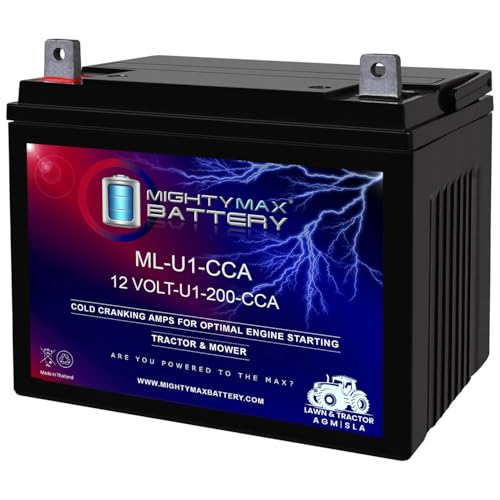
Pros
- 12V, 200 CCA sealed lead acid battery, per manufacturer
- Spill-proof design listed as mountable in any position
- Listed dimensions are 7.62 x 5 x 7 inches, about 12.89 lb
- Manufacturer lists a one-year warranty
Cons
- Includes battery and screws only; no wire harness
- Craftsman 25780 fit comes from the title; confirm size and terminals
Battery Handling Safety Notes
Replacement batteries vary in cost with chemistry, voltage, and brand, so compare the specifications on the label before buying. Battery handling deserves care, and general information on outdoor power equipment can be found through American National Standards Institute (ANSI).