What Charges the Battery on a Lawn Mower?
The battery on a lawn mower is charged by an alternator or charging system powered by the mower’s engine while it is running. For electric or battery-powered mowers, the battery is recharged by an external charger or an integrated charging system when the mower is not in use.
How Battery Charging Works in Gas-Powered Mowers
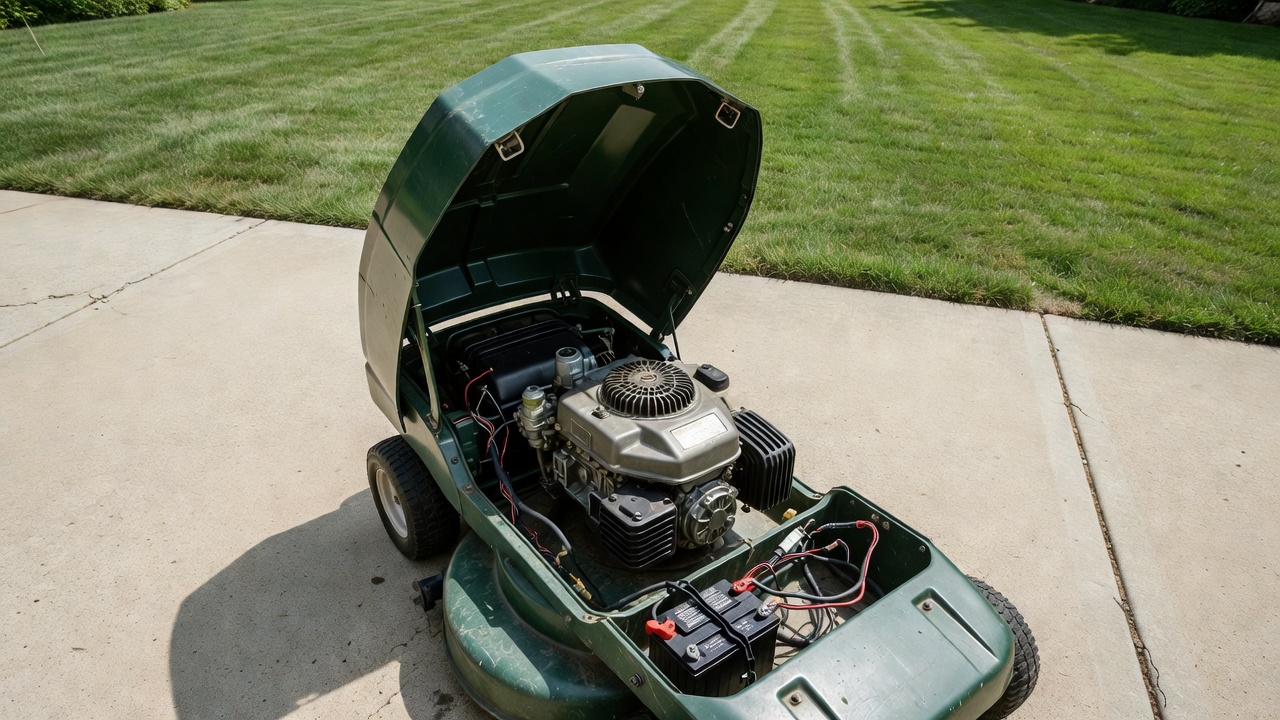
Most gas-powered lawn mowers with an electric start use a small 12-volt battery. This battery is not a power source for the mower’s operation; it is solely for starting the engine. Once the engine is running, a charging system replenishes the battery’s power.
The Role of the Alternator
The alternator is a key component of the charging system. It is typically a small, engine-driven generator located near the flywheel. As the engine spins, it rotates the alternator’s magnets past a coil of wire, generating an alternating current (AC). This current is then converted to direct current (DC) by a rectifier to charge the battery.
When Charging Occurs
The charging process happens automatically whenever the engine is running. The alternator provides a continuous, low-amperage charge to keep the battery topped up. This is sufficient to replace the energy used by the starter motor during the initial start.
What Happens If the Alternator Fails?
If the alternator or its associated wiring fails, the battery will not receive a charge. You may be able to start the mower a few times using the remaining charge in the battery, but eventually, it will become too weak to engage the starter. Symptoms of a failing alternator include a battery that won’t hold a charge, dimming lights (if equipped), and the engine stalling shortly after starting.
Battery Charging for Electric and Cordless Mowers
Electric and cordless battery-powered lawn mowers operate on a completely different principle. The battery is the primary power source for the mower’s electric motor. It must be charged externally before use.
What Type of Charger Do Electric Mowers Require?
Electric mowers come with a specific charger designed for their battery pack. This charger converts standard household AC power into the DC power required to charge the battery. It is crucial to use the manufacturer-provided charger or a certified replacement to ensure proper voltage and current, preventing damage to the battery.
How Long Does a Full Charge Typically Take?
Charge times vary significantly based on battery capacity (measured in amp-hours, Ah) and charger output. A typical lawn mower battery may take anywhere from 30 minutes to over 2 hours to reach a full charge from a depleted state.
Can You Use Any Charger, or Is a Specific One Required?
You must use a charger specifically designed for your mower’s battery system. Using an incorrect charger can lead to undercharging, overcharging, or even creating a fire hazard. Many modern battery systems have proprietary connectors and communication protocols between the battery and charger.
Troubleshooting Battery Charging Issues
Why Won’t Your Lawn Mower Battery Charge?
For gas mowers, common causes include a faulty alternator, loose or corroded wiring connections, or a dead battery that can no longer hold a charge. For electric mowers, issues often stem from a faulty charger, a damaged battery, or a problem with the mower’s charging port.
How Do You Know If a Battery or Charger Is Faulty?
You can test a gas mower’s battery with a multimeter to check its voltage. A healthy, fully charged 12V battery should read around 12.6 volts. If the voltage is significantly lower and doesn’t rise when the engine is running, the charging system is at fault. For electric mowers, try charging a known-good battery with the suspect charger, or vice versa, to isolate the problem.
Frequently Asked Questions
Can I jump-start my gas lawn mower battery?
Yes, you can use jumper cables and a car battery to jump-start a gas mower, similar to a car. Ensure the mower is in neutral with the parking brake engaged. Connect the positive cable to the positive terminal, and the negative cable to a metal ground on the mower’s frame. Start the mower and let it run to allow the alternator to begin recharging its battery.
How long does a lawn mower battery last?
The lifespan depends on the type and maintenance. A typical lead-acid battery in a gas mower may last 3-5 years with proper care. Lithium-ion batteries in electric mowers can last 5-7 years or more, depending on usage and storage conditions.
Should I remove the battery from my mower for winter storage?
It is highly recommended, especially for lead-acid batteries. Cold temperatures can accelerate discharge and cause permanent damage. Store the battery in a cool, dry place and consider using a battery tender or trickle charger to maintain its charge over long periods of inactivity.
Are all lawn mower batteries the same?
No. Batteries vary in voltage (commonly 12V for gas mowers, 20V-80V for electric mowers), capacity (Ah), physical size, and terminal type. Always replace a battery with one that matches the specifications of your mower model.