Quick Answer: What Is A Cultivator Used For?
A cultivator is a garden or farm tool used to loosen and stir the upper layer of soil, uproot young weeds, mix in amendments, and prepare or maintain a finer seedbed. It also keeps soil open between plants or crop rows after the ground has already been prepared. It is generally a shallower, follow-up soil tool rather than a plow…

Pros
- Manufacturer-stated 15 Amp corded power
- 18-inch size listed in the title
- Six steel tines per the listing
- Adjustable wheels included in the listing
Cons
- Corded design limits range to nearby outlets
- Power and tilling claims are unverified

Pros
- 13.5 Amp corded electric power stated
- 16-inch size listed in the title
- Steel tines per the listing
- Model SUJ-TJ604E identified
Cons
- Corded design limits range to nearby outlets
- Power and performance claims are unverified
Pros
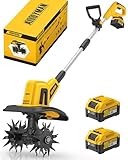
- Two 4.0Ah batteries and charger listed
- 360 RPM speed per the manufacturer
- 9-inch tilling width stated
- 6.6-inch tilling depth stated
Cons
- RPM, width and depth figures are unverified claims

Pros
- Battery-powered for cord-free tilling
- Designed for gardening and garden rototilling
Cons
- Battery, dimensions and power details not supplied
What a Cultivator Is
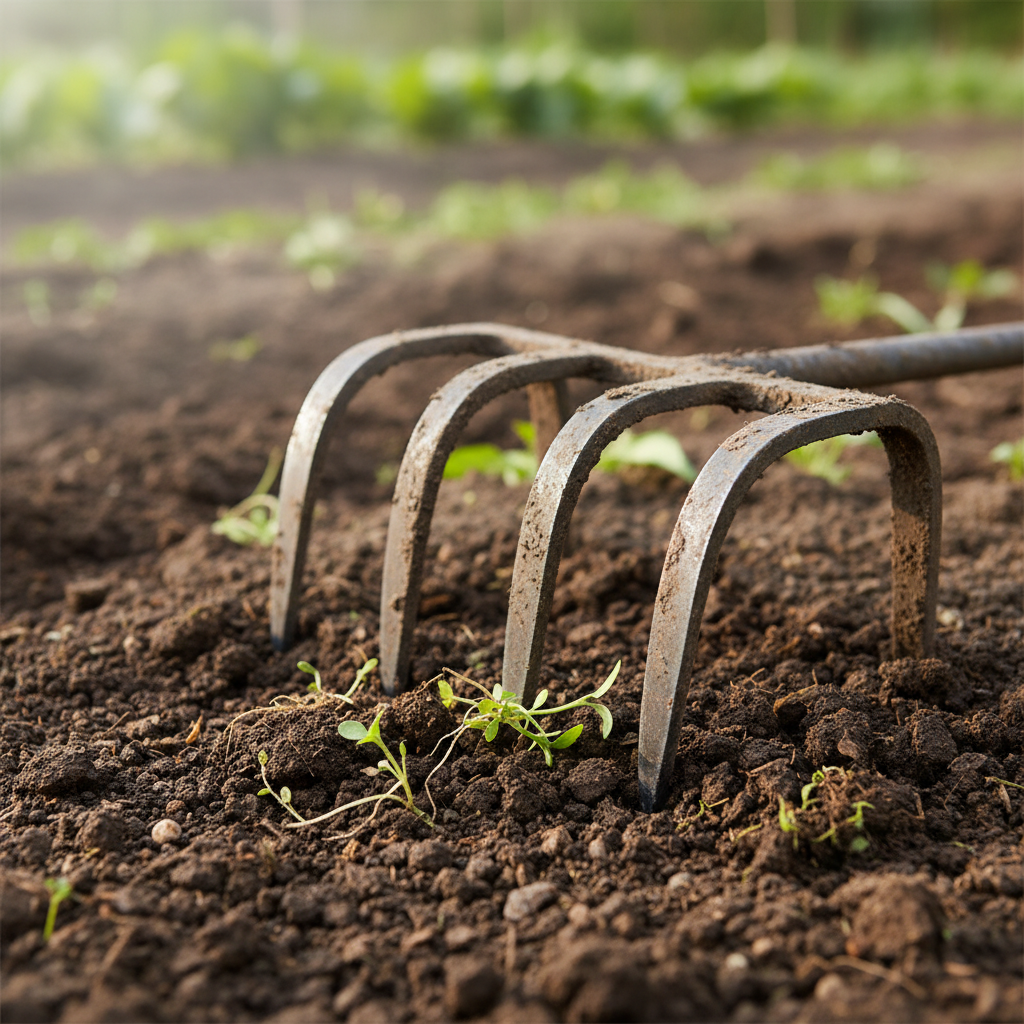
In gardening and farming, a cultivator is a soil-working implement. Its working parts are usually tines, teeth, or similar stirring elements that break a crust, loosen compacted surface soil, and lift or bury small weeds. The same word covers several scales of equipment: a hand cultivator you pull or push through a bed, a powered walk-behind unit, and a tractor-mounted cultivator used between field rows. Everyday speech sometimes blurs cultivator and tiller, and some retail labels do the same, but the core idea is the same: stir and refine soil rather than invert a deep furrow.
The word can also mean a person who cultivates land or crops. This article is about the tool or machine, not the occupation.
A cultivator usually works the surface and the shallow layer just beneath it. That is the zone where a rain crust forms, where many annual weeds germinate, and where gardeners mix compost or granular fertilizer. It is not designed as a primary plow for unbroken sod, nor as a tool that fully inverts a slice of earth the way a moldboard does. Depth varies with the implement, the soil, and the operator, so there is no single official working depth that applies to every cultivator.
Because the tool stirs rather than slices and turns a full furrow, the soil it leaves behind is often finer and more open than soil left by a first plowing. Growers describe that condition as tilth: soil that crumbles, accepts seed, and lets air and water move through the surface. A cultivator can improve tilth in soil that is already workable. It cannot create good structure in soil that is waterlogged, frozen, or still bound together by sod and large roots.
The Main Jobs a Cultivator Performs
People use a cultivator for a short list of soil-care jobs. Those jobs overlap, and one pass often does more than one of them at once.
Loosening crusted or compacted surface soil
After rain, irrigation, or foot traffic, the top of a bed can seal into a crust. A crust sheds water, blocks emerging seedlings, and makes the surface harder to work by hand. Cultivation breaks that skin and stirs the upper layer so air and water can enter again. The benefit people usually want is aeration of the surface and easier root and shoot movement, not a guaranteed change in yield or a measured increase in water stored in the profile.
Uprooting or burying young weeds
Small, shallow-rooted weeds are the weeds a cultivator handles best. Tines lift seedlings, cut their contact with moist soil, and leave them to dry on the surface, or they bury tiny plants under a thin layer of loose earth. Established perennial weeds with deep crowns or spreading roots are a poorer match. Cultivation may chop those plants and, in some species, help them spread.
Mixing amendments into the top layer
Compost, aged manure, lime, and many granular fertilizers work more evenly when they are stirred into the surface rather than left in a pile. A cultivator is a common way to blend those soil amendments through the seed zone or the root zone of shallow-rooted crops. It is a mixing tool, not a substitute for a soil test or a fertilizer program.
Preparing or maintaining a seedbed
After heavier tillage, soil can be cloddy and uneven. Light cultivation knocks clods apart, levels the surface enough for sowing, and leaves a finer seedbed. In an existing bed, the same shallow stirring can refresh the surface before a new planting without starting over from unbroken ground.
Keeping soil open between plants or rows
Once crops are up, a cultivator is often used in the alleys: the paths between vegetable rows, the middles of field row crops, and the open soil around widely spaced plants. The aim is to stop weeds from claiming that space and to keep the surface from sealing, while staying far enough from stems and shallow roots to avoid injury.
These jobs are why gardeners and farmers cultivate instead of leaving every surface untouched. Untouched soil can crust, host a flush of weeds, and stay cloddy after winter or after a heavy rain. Cultivation is one answer to those problems. It is not the only answer, and it is not automatically better than mulch, cover crops, or a no-till approach. Moisture, aeration, and easier access for planting or hoeing are typical reasons people pick up a cultivator. They are not promised harvest results.
Typical Tasks in Gardens and Fields
The same tool looks different in a raised bed and in a field of row crops, but the tasks stay recognizable.
Weeding while weeds are small
The most common garden use is a light pass as soon as weed seedlings appear and before they set seed. A hand cultivator or wheel hoe works close to lettuce, onions, and other tight plantings. In wider rows, a walk-behind or tractor-mounted unit can cover the middles while the operator steers clear of the crop line. Timing matters more than force. Young weeds lose their grip easily. Large weeds need a hoe, a hand pull, or another method, and stirring them can leave fragments that regrow.
Breaking a surface crust after rain or irrigation
Fine-textured soils often form a soil crust when droplets beat the surface and then the sun dries it. A shallow pass after the soil is no longer sticky can open that crust so the next rain soaks in and so seedlings are not trapped. If the soil still smears on a tool or on a boot, it is too wet for this job.
Stirring in compost or fertilizer
Gardeners often spread compost or a granular amendment on a bed, then draw a hand cultivator through the top layer until the material disappears into the soil. On a larger plot, a powered cultivator can do the same blending more quickly. The goal is even distribution in the surface, not burial at plow depth.
Refining cloddy soil before sowing
After a winter, a first tillage, or a dry spell that baked the ground, soil may come up in clods. A cultivator, sometimes after a harrow or a rake has already knocked the worst lumps apart, helps produce a seedbed that a drill or a hand-sown row can use. Very wet clods smear. Very dry clods may only shatter into dust. Workable moisture is the practical test: soil that crumbles instead of ribboning or blowing away.
Working the alleys between rows
Between-row cultivation is a classic farm and market-garden task. The operator runs the tines down the open soil between crop rows, killing small weeds and loosening the surface without entering the plant line. Around individual plants, the same idea applies at a smaller scale: cultivate the open ground, not the crown. Close work around stems is usually a job for a hand tool, not a wide powered unit.
How deep, how fast, and how many passes a person makes depends on soil type, crop, weather, and the implement. Those details are highly variable. There is no single correct pass pattern for every bed or field, and this article does not prescribe a calendar or a chemical weed program.
Hand Tools, Powered Units, and Field Cultivators
Scale is the simplest way to sort cultivators. The job is similar; the reach and the power source change.
When a hand cultivator is enough
A hand cultivator is a small fork, claw, stirrup, or tined head on a short or long handle. It suits raised beds, paths, containers large enough to stir, and the last few inches around plants that a machine would nick. It is also the usual choice for a new gardener who only needs to loosen a crust, mix a bag of compost, or catch weeds early in a few beds. Hand tools are slower on a large plot, but they give control that powered tines do not.
What a powered or walk-behind cultivator is generally used for
A walk-behind cultivator is a small machine with rotating or vibrating tines, meant for larger gardens and for people who cultivate often. Typical uses are shallow tillage of already-worked ground, mixing amendments through a bed, and cleaning middles that are too long to do comfortably by hand. These machines are still surface tools. They are a poor first choice for unbroken turf, stumps, or ground full of large stones and wire.
What a tractor-mounted cultivator is used for on a farm
A tractor-mounted cultivator is an implement for row-crop or field work after the land is already prepared. It is built to travel between established rows, cut off or bury small weeds, and keep the inter-row soil loose. Setup and spacing follow the crop and the tractor, not a single standard width. Field cultivators and related implements can also stir residue and prepare a seedbed on ground that has already been opened by other tillage. They are not a substitute for judging whether that field should be tilled at all.
These are categories, not a shopping list. Brands, models, horsepower, fuel type, tine count, working width, and price vary widely and are not part of this explanation.
How a Cultivator Compares With a Tiller, Hoe, Harrow, and Plow
Gardeners often stand in a shed and wonder which tool they actually need. The useful distinctions are functional, and the overlap is real.
- Cultivator. Shallower stirring and in-row or between-plant work. Tines or teeth loosen, mix, and weed the surface. Best after the ground is already in a garden or field condition, not as the first attack on sod.
- Tiller. Often used to pulverize a broader or deeper zone when starting or renovating a bed. Many growers treat a tiller as more aggressive than a cultivator. In casual speech and on some store labels, the two names are used interchangeably, so the machine in front of you matters more than the word on the box.
- Hoe. A manual spot tool for weeds and light stirring. A hoe is precise around stems and in tight spacing. It does not cover ground the way a wide cultivator does, and it does not mix a whole bed as quickly.
- Plow. Generally used for deeper opening or inversion. A moldboard or similar plow turns a furrow and is the classic tool for first breaking or burying a surface. That is a different job from maintaining tilth in soil that is already a garden or a prepared field.
- Harrow. More often used after heavier tillage to break clods, spread residue, or level the surface. A harrow can leave a seedbed; a cultivator can refine one and later keep rows clean. Some implements blur this line.
No one of these tools is universally better. A plow that is right for opening a new field is the wrong tool for weeding carrots. A hoe that is perfect beside a tomato stem is the wrong tool for ten acres of middles. A tiller that renovates a lawn-into-garden plot may be more machine than an established mulched bed needs. Choose by the job, the soil condition, and how close you must work to living plants.
When Cultivation Helps—and When to Leave Soil Alone
Cultivation is useful only when the soil and the weeds are in a state that stirring can improve.
Wet soil is the usual stop sign
Very wet soil smears on tines, puddles, and packs into a dense layer when it is stirred or walked on. That damage can last long after the surface looks dry. A simple field check is better than a number: if a handful ribbons, shines, or sticks in a solid lump instead of crumbling, wait. Frozen or saturated ground belongs in the same category. Do not treat any moisture percentage as a universal threshold; soils differ.
Young weeds, not a fixed calendar
Beds and rows need cultivating when a crust forms or when a flush of small weeds appears, not because a certain number of days has passed. Some plantings need several light passes in a weedy season. A mulched bed or a no-till system may need little or no routine cultivation. Frequency is a judgment, not a rule.
Too much stirring has costs
Repeated aggressive cultivation can harm soil structure, dry the surface, and disturb soil life and plant roots. Fine aggregates break down. Organic matter at the surface oxidizes faster when it is constantly mixed. Roots that had begun to explore the alleys get pruned. Dust on a windy day and a hard cap after the next rain are both signs that the soil was worked more than it could bear.
Mulch, cover crops, and reduced-till or no-till systems exist partly to avoid those costs. They are not automatically superior in every garden or climate, and this article does not rank farming systems. They are a reminder that leaving soil alone is sometimes the better soil-care choice.
Established weeds, woody roots, and crops with shallow surface roots are also reasons to pause. Cultivating through a mat of bindweed or through a bed of strawberries can do more harm than good. Hand weeding, mulch, or another method may be the better first choice.
Basic Use and Safety Notes
Technique stays general because soils, tools, and crops differ. The safe habits do not.
Using a hand cultivator in a bed
Work when the soil is workable. Draw the tines through the surface rather than prying as if you were digging a hole. Stay in the upper layer around established plants. Keep the tool away from stems, shallow roots, drip lines, and the edges of landscape fabric. Shake or knock soil from uprooted weeds so they dry instead of rerooting. Finish by raking only if you need a smoother seedbed; extra traffic on wet ground undoes the loosening you just did.
Before a powered cultivator
Read and follow the manufacturer manual for that machine. Check that guards are in place and that you understand the controls, including how to stop the tines. Clear stones, wire, scrap, toys, and irrigation parts from the path. Know where buried utilities, landscape lighting, and drip tubing run; local locating rules exist in many places, and you should follow the process that applies where you live rather than guess. Wear eye protection and sturdy footwear. Keep bystanders, children, and pets well clear. Never bypass guards or disable safety devices. A powered cultivator can throw debris, grab loose clothing, and pull itself forward faster than a new operator expects.
If the machine is unfamiliar, the ground is steep, or utilities may be present, get help from someone experienced with that equipment or hire a qualified operator. This is not an operator manual, and it does not replace training or the instructions that came with the unit.
Where cultivation damages plants or property
Tines nick bark, cut shallow roots, and tear plastic mulch or drip tape. They also catch fence mesh, landscape staples, and forgotten tools. Stay farther from trunks and crowns than you think you need, especially with a walk-behind machine that can lurch. On slopes, losing footing or letting a machine run downhill is a real hazard. Indoors, in greenhouses, or next to glass and parked vehicles, flying stones matter even at modest speed.
What a Cultivator Cannot Replace
A cultivator is a follow-up and maintenance tool. It is often a poor first choice for jobs that need a different kind of force or a different kind of care.
- Unbroken sod and new ground. Turf, pasture, and waste ground bound by roots usually need primary tillage, sheet mulch, or another opening method before a cultivator can work. Jumping straight to tines often stalls the tool and leaves ribbons of sod.
- Heavy inversion and deep hardpan. Turning a furrow or breaking a deep compacted layer is work for other implements, subsoiling equipment, or a change in traffic and moisture management. A cultivator stirs the top; it does not reliably fracture a pan far below.
- Land leveling and drainage. Smoothing a grade, cutting ditches, or fixing standing water is grading and water-management work, not cultivation.
- Harvest and large debris. A cultivator does not lift roots or tubers as a harvester does. Woody roots, construction rubble, and very rocky ground can bend or break tines.
- A whole soil or farm system. Fertility, irrigation, crop choice, mulch, and rest periods are not solved by stirring the surface. A cultivator does not always improve yield, and no implement by itself undoes compaction caused by wet traffic or a poor rotation.
When the job is first breaking ground, burying a heavy cover crop, fixing drainage, or protecting a no-till surface, choose the method that matches that job. A cultivator earns its place later: loosening a crust, catching weeds while they are small, blending amendments, refining a seedbed, and keeping the open soil between plants from sealing over.
Everything You Need to Know: What Is A Cultivator Used For FAQ
Is a cultivator the same as a tiller?
Not always. Many growers use tiller for a machine that pulverizes a wider or deeper zone when starting a bed, and cultivator for shallower stirring and row work. Stores and casual speech often use the names as if they were the same, so judge the machine by how it works the soil, not by the label alone.
Can you use a cultivator on wet soil?
You can, but you usually should not. Wet soil smears and compacts when it is stirred. Wait until a handful crumbles instead of shining or ribboning.
Does every garden need regular cultivation?
No. Mulched beds, dense plantings, and no-till systems may need little or no routine cultivation. Cultivate when a crust or a flush of small weeds appears, and skip it when the surface is already protected and clean.
What is a cultivator used for between crop rows?
It uproots small weeds and loosens the surface in the alleys so the open ground does not crust or go to seed, while the operator keeps the tines away from the crop line.