Quick Answer: What Is A Good Leaf Blower
A good leaf blower delivers 450–700 CFM (cubic feet per minute) air volume and 150–200 MPH airspeed for residential yards. For heavy oak or wet leaves, choose gas models exceeding 700 CFM. Cordless units with 56V+ batteries offer the best balance of power, runtime, and low maintenance for most homeowners.
Pros
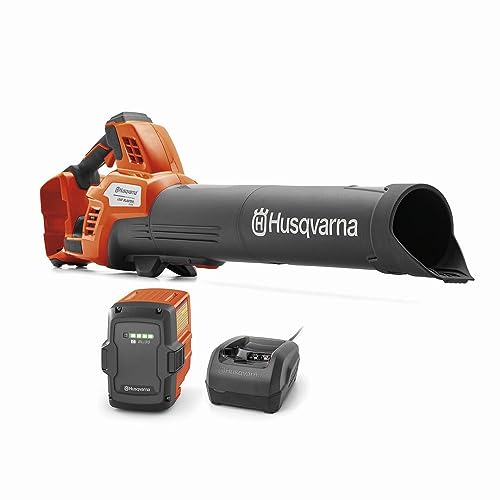
- Produces up to a rated 765 CFM of blowing power
- Variable-speed trigger offers customizable air delivery
- Includes a 56V 5.0Ah battery and matching charger
Cons
- High-output operation can significantly reduce runtime per charge
- 5.0Ah battery adds noticeable weight for single-handed work
Pros
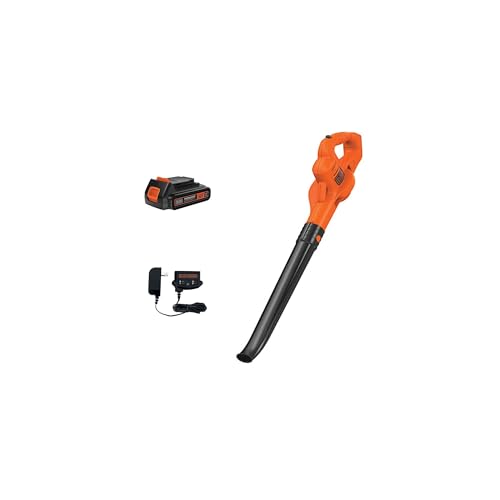
- M18 FUEL system utilizes dual battery power for high output
- Cordless design offers unrestricted portability across large areas
- Integrates with the Milwaukee M18 tool ecosystem
Cons
- Tool only; requires two M18 batteries and a charger sold separately
- Dual batteries increase overall handheld carrying weight
Pros
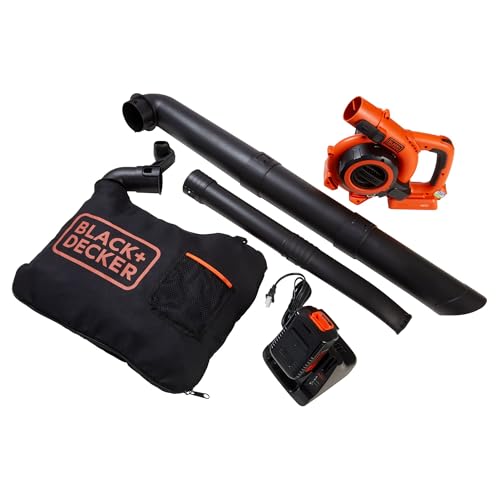
- Offers up to a manufacturer-rated 700 CFM air volume
- Brushless motor ensures efficient power delivery
- Includes a 4.0Ah battery and rapid charger
Cons
- The 60V battery pack adds weight during extended handheld use
Understanding Leaf Blower Performance Metrics
When evaluating what constitutes a good leaf blower, two physics-based measurements determine real-world effectiveness: CFM (Cubic Feet per Minute) and MPH (Miles Per Hour). Understanding how these interact is the foundation of choosing the right tool for your property.
CFM vs. MPH: The Physics of Leaf Movement
CFM measures air volume—the total amount of air the blower moves. Think of it as the “width” of the air stream. Higher CFM means a broader column of air that can push more leaves simultaneously. MPH measures air velocity—how fast individual air molecules travel. Higher MPH provides the force to dislodge embedded or wet leaves from grass blades.
The ideal leaf blower balances both metrics. A unit with 200 MPH but only 200 CFM will feel powerful in a narrow stream but fail to move large leaf piles efficiently. Conversely, 700 CFM at 60 MPH moves massive volumes of dry leaves but may struggle with wet, matted debris stuck to turf.
| Property Size | Recommended CFM | Recommended MPH | Best Power Type |
|---|---|---|---|
| Small (under ¼ acre) | 250–400 | 120–160 | Corded electric or 20V–40V cordless |
| Medium (¼–½ acre) | 400–600 | 150–180 | 56V–80V cordless or 2-cycle gas |
| Large (½–1 acre) | 600–750 | 170–200 | 80V+ cordless or 4-cycle gas |
| Heavy coverage (1+ acre, dense trees) | 750–1000+ | 200+ | Backpack gas (commercial-grade) |
Leaf Blower Types: Technical Breakdown
Choosing between gas or electric leaf blower models depends on your property demands, noise tolerance, and maintenance willingness. Each power source has distinct engineering trade-offs.
Cordless (Battery-Powered) Leaf Blowers
Cordless blowers use lithium-ion battery packs ranging from 20V to 80V. Modern brushless motors convert electrical energy to rotational force with 85–90% efficiency, compared to 25–30% for small 2-cycle gas engines. This efficiency translates directly to usable power per charge.
Key specifications to evaluate:
- Battery voltage: 56V systems (Ego, Greenworks Pro) deliver the best power-to-weight ratio for residential use
- Amp-hour (Ah) rating: Determines runtime. A 5.0 Ah battery at 56V stores 280 watt-hours; expect 20–40 minutes of continuous use depending on speed setting
- Charge time: Ranges from 30 minutes (rapid chargers) to 120+ minutes. Consider purchasing a spare battery for properties exceeding ¼ acre
- Brushless motor: Essential for longevity and efficiency. Brushed motors lose 15–20% of energy to friction and heat
For a detailed comparison of top cordless models, see our cordless leaf blowers guide.
Gas-Powered Leaf Blowers
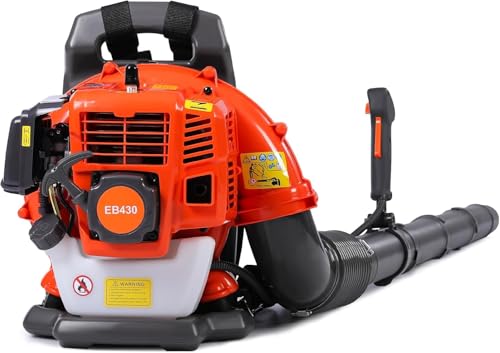
Gas blowers use either 2-cycle (oil-gas mix) or 4-cycle (separate oil reservoir) engines. Commercial landscapers and properties with heavy tree coverage still rely on gas for sustained high-output performance that battery technology cannot yet match at comparable weight.
2-cycle engines fire on every revolution, producing higher power-to-weight ratios but requiring precise fuel mixing (typically 50:1 ratio). 4-cycle engines run on straight gasoline, produce lower emissions, and operate more quietly but add 1–2 pounds of weight.
Professional-grade backpack blowers like the Stihl BR 800 or RedMax EBZ 8560 deliver 900+ CFM and can run for 60–90 minutes on a single tank. These are essential when dealing with feet-deep accumulations of oak, maple, or sycamore leaves that require sustained force to relocate for mulching or composting.
Corded Electric Leaf Blowers
Corded models draw 12–14 amps from standard 120V outlets, delivering consistent power without battery limitations. The trade-off is a 100-foot cord maximum (longer cords cause voltage drop and motor strain) and the physical constraint of tethered operation. These work best for small, flat properties with accessible outlets.
Handheld vs. Backpack: Ergonomic Sizing Guide
Your choice between backpack vs handheld blowers should be determined by property size, session duration, and physical capability—not brand preference.
| Factor | Handheld Blower | Backpack Blower |
|---|---|---|
| Weight range | 5–12 lbs | 15–25 lbs |
| Typical CFM | 250–700 | 600–1100+ |
| Max continuous use | 20–45 minutes | 60–120 minutes |
| Best for | Driveways, patios, small lawns | Large properties, heavy leaf loads |
| Ergonomic risk | Wrist/forearm fatigue after 30+ minutes | Lower back strain if harness is poorly adjusted |
| Noise level | 60–75 dB (cordless), 70–85 dB (gas) | 75–95 dB (gas) |
Noise Levels and Community Impact
Noise output is measured in decibels (dB) at the operator’s ear and at 50 feet to simulate neighbor impact. The relationship between dB levels is logarithmic: every 10 dB increase represents a perceived doubling of loudness.
Critical thresholds:
- Below 65 dB: Comfortable for extended use without hearing protection. Most premium cordless blowers operate in this range at normal speed
- 65–85 dB: Hearing protection recommended for sessions exceeding 15 minutes. Many cordless blowers on turbo and mid-range gas models fall here
- Above 85 dB: Hearing protection required by OSHA standards for any duration. Most gas backpack blowers at full throttle exceed this threshold
Many municipalities now enforce noise ordinances restricting leaf blower use to specific hours (typically 8 AM–6 PM on weekdays). Check OSHA equipment safety regulations and your local codes before purchasing.
Diagnostic Matrix: Matching Blower to Yard Conditions
Use this decision matrix to identify exactly which specifications match your property’s specific challenges:
Step 1: Assess Your Leaf Load
- Light (grass clippings, small debris, dry scattered leaves): 250–400 CFM cordless is sufficient
- Moderate (consistent leaf fall from 2–5 trees, dry conditions): 400–600 CFM cordless or light gas
- Heavy (dense canopy, oak/maple/sycamore, wet conditions): 700+ CFM gas or premium 80V cordless with turbo
- Extreme (commercial properties, 1+ acre with mature trees): Backpack gas at 900+ CFM
Step 2: Evaluate Terrain and Obstacles
- Flat, open lawn: Any blower type works. Prioritize CFM over MPH
- Rocky ground, mulch beds, garden borders: Variable speed trigger is essential to prevent displacing decorative materials
- Hills and slopes: Lighter handheld units reduce fatigue. Backpack models with padded harnesses distribute weight across shoulders and hips
- Tight spaces (between fences, around vehicles): Narrow nozzle attachments and lower speed settings prevent damage
Step 3: Consider Runtime Requirements
Calculate your actual runtime needs: a typical ¼-acre lawn requires 15–25 minutes of active blowing. A ½-acre property with moderate leaf coverage needs 30–45 minutes. For cordless models, always plan for 20% less runtime than manufacturer claims, as ratings typically reflect lowest speed settings.
Maintenance Intervals for Longevity
Proper maintenance extends blower lifespan from 3–5 years to 8–10+ years. Follow these intervals based on usage hours, not calendar time:
Cordless Blower Maintenance
| Interval | Action |
|---|---|
| After each use | Clear debris from air intake screen. Store battery at 40–60% charge if not using for 30+ days |
| Every 25 hours | Inspect fan blades for cracks. Clean motor vents with compressed air |
| Every 50 hours | Check all fasteners for vibration loosening. Inspect battery contacts for corrosion |
| Annually | Replace air filter (if equipped). Test battery capacity with a full discharge/recharge cycle |
Gas Blower Maintenance
| Interval | Action |
|---|---|
| Before each use | Check fuel level, oil level (4-cycle), and air filter condition |
| Every 10 hours | Clean or replace spark plug. Inspect fuel lines for cracks |
| Every 25 hours | Replace air filter. Clean carburetor exterior |
| Every 50 hours | Replace spark plug. Clean or replace fuel filter. Inspect exhaust port for carbon buildup |
| End of season | Run engine dry or add fuel stabilizer. Change oil (4-cycle). Store in dry location |
Common Troubleshooting Scenarios
Problem: Blower Won’t Start (Gas)
Diagnostic sequence:
- Verify fuel is fresh (gasoline degrades after 30 days without stabilizer)
- Check spark plug gap (typically 0.025–0.030 inches) and replace if fouled
- Inspect air filter—a clogged filter prevents proper air-fuel mixture
- Prime the bulb 5–8 times and set choke to full, then half after first pull
- If still failing, clean carburetor jets with carburetor cleaner spray
Problem: Reduced Airflow (All Types)
- Remove debris from intake screen (most common cause—leaves and grass accumulate here)
- Check for cracks or damage in the impeller/fan housing
- Ensure nozzle and tube connections are fully seated and sealed
- For gas models: verify engine is reaching full RPM (listen for consistent high-pitched whine)
- For cordless: test with a fully charged battery to rule out power delivery issues
Problem: Excessive Vibration
Vibration indicates an imbalanced impeller. Shut down immediately and inspect fan blades for cracks, chips, or accumulated debris. A single stuck leaf fragment at 10,000+ RPM creates significant imbalance. Replace damaged impellers—do not attempt to rebalance, as the tolerances are too tight for field repair.
Multi-Season Applications Beyond Leaves
A quality leaf blower serves year-round utility that justifies the investment:
- Spring: Clear grass clippings from driveways, sidewalks, and patios after mowing
- Summer: Dry vehicles after washing, blow dust from garage floors and workshops
- Fall: Primary leaf cleanup, clear gutters (with extension kits), move light snow from walkways
- Winter: Remove light snow accumulations (under 2 inches), dry outdoor furniture, clear cobwebs from structures
For comprehensive outdoor tool care including chainsaw maintenance, visit our chainsaw and outdoor tool maintenance resource.
To see how this matches real-world operating conditions, see our complete guide on kobalt 24v 410cfm vs greenworks 24v blower.
Final Selection Criteria
A good leaf blower is one that matches your specific property demands across four dimensions: air volume (CFM) for leaf-moving capacity, airspeed (MPH) for dislodging force, runtime for completing your property in one session, and ergonomics for comfortable operation without injury. Prioritize CFM over MPH for most residential applications, choose cordless for properties under ½ acre, and invest in gas only when you have dense tree coverage or wet-leaf conditions that demand sustained high output.