Direct Answer: What Is a Mulcher on a Lawn Mower?
A mulcher on a lawn mower is a combination of a curved or serrated mulching blade and a fully enclosed mower deck that works together to re-cut grass clippings multiple times into fine particles, then drops those particles back onto the lawn surface. Those clippings decompose quickly and return nitrogen, phosphorus, and potassium to the soil — acting as a free, natural fertilizer rather than waste headed for the trash bag or the side of your yard.

Pros
- Manufacturer-stated 15 Amp corded power
- 18-inch size listed in the title
- Six steel tines per the listing
- Adjustable wheels included in the listing
Cons
- Corded design limits range to nearby outlets
- Power and tilling claims are unverified

Pros
- 13.5 Amp corded electric power stated
- 16-inch size listed in the title
- Steel tines per the listing
- Model SUJ-TJ604E identified
Cons
- Corded design limits range to nearby outlets
- Power and performance claims are unverified
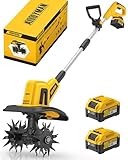
Pros
- Two 4.0Ah batteries and charger listed
- 360 RPM speed per the manufacturer
- 9-inch tilling width stated
- 6.6-inch tilling depth stated
Cons
- RPM, width and depth figures are unverified claims

Pros
- Battery-powered for cord-free tilling
- Designed for gardening and garden rototilling
Cons
- Battery, dimensions and power details not supplied
What Does a Mulcher on a Lawn Mower Actually Do?
The word “mulcher” in the lawn mower context refers specifically to the mowing system’s ability to process and redistribute grass clippings — not to a standalone garden shredder or wood-chip mulcher machine. When a mower operates in mulching mode, it performs three jobs simultaneously: it cuts the grass to your chosen height, re-cuts the resulting clippings into progressively smaller fragments, and deposits those fragments between the grass blades where they settle into the thatch layer and begin breaking down.
The end result is a lawn that feeds itself. Instead of hauling away clippings after every mow — or leaving long, visible windrows of cut grass across the yard — mulching keeps the nutrient cycle closed and on your turf where it belongs.
A mulching mower and a mower with a mulching function describe the same outcome but slightly different hardware configurations. A dedicated mulching mower has a sealed deck designed solely for mulching. A mower with a mulching function (often called a 3-in-1 mower) can switch between mulching, bagging, and side-discharge. Both qualify as “mulchers” when operating in mulch mode. For complementary field maintenance guidelines, examine our breakdown of jbl partybox club 120 vs sony srs xv500.
How the Mulching Mechanism Works: Blade and Deck Explained
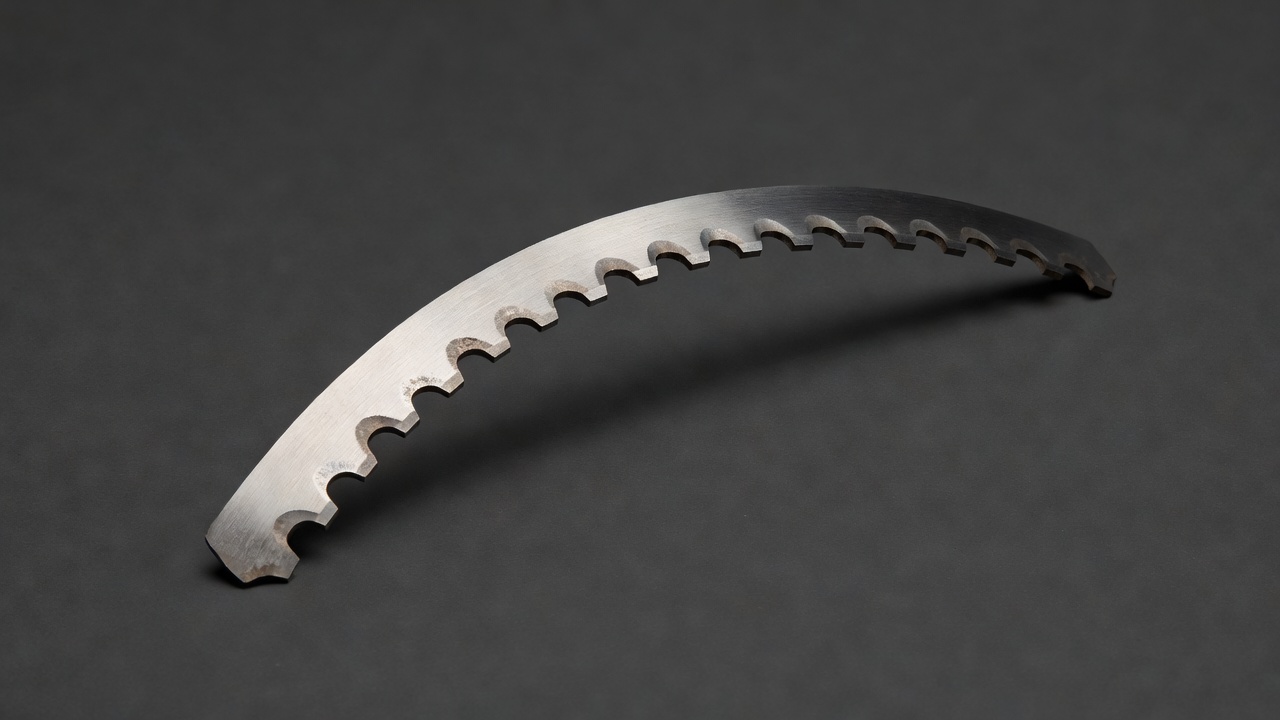
Two physical components make mulching possible. Understanding each one clarifies why a mulching mower performs differently from a standard machine. For complementary field maintenance guidelines, examine our breakdown of jbl partybox club 120 vs sony srs xv500.
The Mulching Blade
A mulching blade — also called a curved blade or serrated mulching blade — has a more pronounced curve along its cutting edge and additional cutting surfaces compared to a flat standard blade. This geometry creates a stronger upward airflow beneath the deck that lifts grass upright before the blade passes, then keeps the severed clippings suspended in the cutting chamber long enough to be struck multiple times. To evaluate matched hardware tolerances, consult our detailed overview of z890 vs x870e motherboard.
A standard flat blade cuts once per pass and immediately directs clippings outward — either toward a bag chute or out the side discharge port. A mulching blade keeps clippings recirculating, chopping them progressively finer before they fall to the ground.
The Closed or Enclosed Deck
The mulching deck — sometimes called a closed deck — has no open side-discharge chute and no direct path to a collection bag. This enclosed shape acts as a chamber: clippings have nowhere to escape until they have been reduced to particles small enough to fall through the grass canopy under their own weight. On a 3-in-1 mower, a mulching plug (also called a block-off plate or mulching kit insert) is inserted into the discharge chute to temporarily seal it and replicate the closed-deck effect. To evaluate matched hardware tolerances, consult our detailed overview of z890 vs x870e motherboard.
Together, the curved blade and closed deck mean clippings may be re-cut anywhere from two to six times before they exit the cutting zone — a stark contrast to a standard blade-and-open-deck setup where one cut is all a clipping receives.
Mulching vs. Bagging vs. Side-Discharge: Key Differences
Most homeowners choose a mowing mode based on lawn conditions, convenience, and desired outcome. The three modes serve different purposes. When planning workspace deployment, consider the engineering criteria outlined in our marshall stanmore iii vs harman kardon onyx studio 8 guide.
| Mode | Clipping destination | Lawn appearance | Maintenance effort | Best used when |
|---|---|---|---|---|
| Mulching | Back into the lawn | Clean if clippings are fine; may show clumps if grass is wet or long | Low — no bag to empty | Grass is dry, at correct height, and mowed regularly |
| Bagging | Collected in an attached bag | Very clean, no visible clippings | High — bag must be emptied repeatedly | Grass is overgrown, wet, diseased, or lawn appearance is the priority |
| Side-discharge | Ejected to the side of the mower | Windrows of clippings left on surface | Low — no bag, but clippings may need raking | Cutting large areas quickly or tackling very tall, thick grass |
Does mulching leave visible clippings on the lawn? When done correctly — dry grass, proper height, steady mowing pace — mulched clippings filter down between grass blades and are nearly invisible within a day or two. Wet grass or overgrown turf produces larger, wetter clumps that sit on the surface and can smother the grass beneath them.
The Lawn Care Benefits of Mulching: Nitrogen Return and Soil Health
Mulching is more than a disposal convenience — it is a legitimate lawn fertilization strategy backed by turfgrass research. For additional operational safety benchmarks, see our published testing notes on dyson v8 cyclone vs bissell featherweight stick.
Nutrient Return
Grass clippings are composed of approximately 80–85% water, with the remaining dry matter containing meaningful concentrations of nitrogen, potassium, and phosphorus — the same primary nutrients found in commercial lawn fertilizers. As finely cut clippings decompose in the soil, they release those nutrients back into the root zone.
Research from Purdue Extension and other university turfgrass programs has documented that returning clippings to the lawn through mulching can supply the equivalent of one full fertilizer application per season, potentially reducing synthetic fertilizer inputs by up to 25% over the course of a growing year. That reduction represents both a cost saving and a reduction in fertilizer runoff into local waterways. To compare alternative configurations, check our hands-on review of bissell crosswave hydrosteam vs shark stainforce.
Does Mulching Cause Thatch?
This is one of the most persistent myths in lawn care: that leaving clippings on the lawn builds up a thick thatch layer. Turfgrass scientists have consistently found this claim to be false. Thatch is composed primarily of stems, roots, and other lignin-rich plant material that breaks down slowly. Grass clippings, by contrast, are mostly water and simple organic compounds that decompose rapidly — particularly when mulched into small particles with a large surface area. Properly mulched clippings do not meaningfully contribute to thatch accumulation.
Soil Health Over Time
Beyond direct nutrient return, decomposing clippings feed soil microorganisms and earthworms, improving soil structure and water retention over multiple seasons. Consistent mulching is one of the simplest long-term investments a homeowner can make in soil biology without additional products or cost.
Dedicated Mulching Mower vs. Mulching Kit or Plug: Which Do You Have?
“Mulcher” can refer to two distinct hardware setups. Identifying which one applies to your mower determines what — if anything — you need to add or change before mulching.
Dedicated Mulching Mower
A purpose-built mulching mower has a permanently sealed deck with no side-discharge port and no bag attachment capability. It is engineered solely for mulching, and the deck shape, blade geometry, and airflow are all optimized for that single mode. These mowers typically produce the finest clipping particles and the cleanest mulching results but offer no flexibility if conditions call for bagging.
3-in-1 Mower with Mulching Plug
A 3-in-1 mower ships with three capabilities: side-discharge, bagging, and mulching. To engage mulching mode, the user installs a mulching plug (a rubber or plastic block-off plate) into the side-discharge chute opening, which seals the deck and converts it to a closed-deck configuration. Many 3-in-1 mowers also require or recommend pairing the plug with a mulching blade rather than the standard blade for best results.
To identify your setup: check the side of the deck for a discharge chute. If there is none and no bag port exists, you have a dedicated mulching mower. If a chute is present with a removable plug or door, you have a 3-in-1 machine. Your owner’s manual will specify which blade is installed and whether a mulching blade is included or sold separately.
Can You Convert an Existing Mower?
Yes — most standard push mowers can be partially converted to mulching mode by purchasing a mulching kit (plug plus compatible mulching blade) designed for that model. Results vary depending on the original deck shape; a deck not designed for mulching will not circulate clippings as efficiently as a dedicated mulching deck, but the improvement over a standard blade with an open chute is significant.
Push Mower vs. Riding Mower: Does Mulching Work the Same Way?
The core mulching principle — curved mulching blade plus enclosed deck — is identical on walk-behind mulching mowers and riding mower mulching setups. The differences are in scale and complexity.
Walk-Behind (Push) Mowers
Walk-behind mulching mowers have a single blade beneath a compact deck. Airflow management is straightforward, and mulching performance is consistent across most conditions. Switching between modes on a 3-in-1 walk-behind typically takes under a minute.
Riding Mowers and Zero-Turn Mowers
Riding mowers — including zero-turn mulching models — have wider decks (typically 42 to 72 inches) that may house two or three blades. Each blade must be a mulching blade for the system to work correctly; mixing blade types on a multi-blade deck degrades mulching performance. Many riding mowers designed for mulching use a mulching deck with internal baffles — curved dividers inside the deck housing that direct airflow and keep clippings suspended between the blades longer before they fall.
Can a zero-turn mower be used as a mulcher? Yes. Most major zero-turn brands offer either a factory mulching deck option or a mulching kit (blades plus deck baffles) for existing models. Verify compatibility with your specific deck width and model number before purchasing a kit.
One practical difference: riding mowers cover ground faster, which can reduce the number of times the blades re-cut clippings. Slowing slightly in dense grass helps maintain clipping fineness on larger machines.
When Mulching Is Not the Right Choice
Mulching performs well under routine conditions, but several scenarios call for bagging or side-discharge instead.
- Wet grass: Wet clippings clump together, clog the cutting chamber, and land on the lawn surface in dense mats that block sunlight and airflow to the grass beneath. Always mow dry when mulching.
- Overgrown grass (one-third rule violation): The one-third mowing rule — never remove more than one-third of the grass blade height in a single mowing — is especially important when mulching. Removing more than one-third produces an excessive volume of large clippings that the deck cannot reduce finely enough, resulting in visible clumps on the lawn. If grass has grown too tall, bag or side-discharge the first pass, then switch to mulching once the lawn is back at the correct height.
- Diseased grass: Mulching spreads fungal spores and other disease pathogens evenly across the lawn. Bag clippings from diseased turf and dispose of them away from the lawn.
- Heavy leaf cover: Mulching works with light to moderate leaf fall — the blades shred leaves into fine particles that decompose and add organic matter. Heavy leaf cover, however, produces a thick mat that smothers grass if not thoroughly shredded. Multiple passes may be needed, or bagging may be the safer choice.
- Cool-season grass during dormancy: Mulching during dormant periods adds little fertilization value because the grass is not actively growing or absorbing nutrients. Bagging keeps the lawn clean without decomposing material sitting on dormant turf over winter.
How to Use the Mulching Function on Your Lawn Mower
Switching to or using mulching mode correctly takes five straightforward steps.
- Install the mulching plug or select mulch mode. On a 3-in-1 mower, insert the mulching plug into the side-discharge chute until it locks. On a dedicated mulching mower or a mower with an electronic mode selector, no plug is needed — select the mulch setting if one exists.
- Confirm a mulching blade is installed. Check the blade currently on the mower. A mulching blade has a more pronounced curve and additional cutting edges compared to a flat standard blade. If a standard blade is installed, replace it with a manufacturer-approved mulching blade for that deck size before mowing.
- Set the correct cutting height using the one-third rule. Measure your grass height and set the deck so the mower removes no more than one-third of that height. For example, if grass is 4.5 inches tall, set the deck to cut at 3 inches.
- Mow when the grass is dry. Surface moisture causes clippings to clump. Morning dew should be fully evaporated before starting. If rain fell within 24 hours, wait an additional day if possible.
- Maintain a steady, moderate pace. Moving too fast reduces the number of times the blade contacts clippings before they exit the cutting chamber, leaving larger fragments on the lawn surface. Slow to a pace that keeps the engine from bogging — the engine note will tell you when you are feeding grass through faster than the blade can process it.
Everything You Need to Know: Mulcher On A Lawn Mower FAQ
What is the difference between a mulching mower and a regular lawn mower?
A regular lawn mower uses a flat blade and an open deck to cut grass once and discharge clippings to the side or into a bag. A mulching mower uses a curved mulching blade inside a closed or enclosed deck to re-cut clippings multiple times into fine particles, then returns those particles to the lawn as natural fertilizer. The core cutting function is the same; the clipping management system is fundamentally different.
Does mulching grass really fertilize the lawn?
Yes. Grass clippings are approximately 80–85% water, and the remaining dry matter contains nitrogen, phosphorus, and potassium. As finely mulched clippings decompose, they release those nutrients into the soil. University turfgrass research indicates that consistent mulching can supply nutrients equivalent to one fertilizer application per season and reduce synthetic fertilizer needs by up to 25%.
Can I mulch leaves with a lawn mower?
Yes, with limitations. A mulching mower can shred light to moderate leaf cover into fine particles that decompose and add organic matter to the lawn. Heavy, thick leaf accumulation requires multiple passes or should be bagged to prevent the shredded material from forming a smothering mat over the grass. Mulching works best with dry leaves rather than wet, matted ones.
How do I know if my lawn mower can mulch?
Check the side of the mower deck for a discharge chute. If the chute is absent and there is no bag port, the mower is a dedicated mulching mower. If a chute is present with a removable plug or block-off plate, the mower is a 3-in-1 model capable of mulching when the plug is installed. If neither a plug nor a sealed deck is present, check whether your model has a mulching kit available from the manufacturer — most standard walk-behind mowers sold in the past decade have at least one compatible kit.
For more hands-on benchmarks and buying recommendations, consult our guides on heavy-duty chainsaw buyer guide, as well as high-CFM commercial leaf blower guide.
Mechanical safety standards, operational tolerances, and protective gear guidelines align with benchmark specifications established by the American National Standards Institute (ANSI).