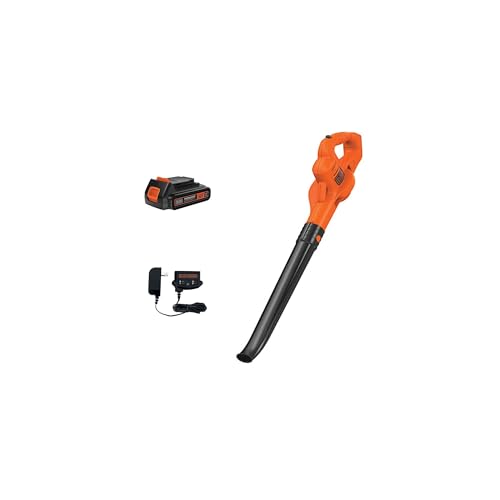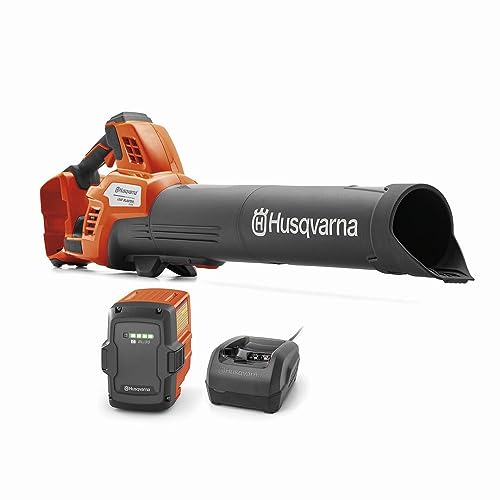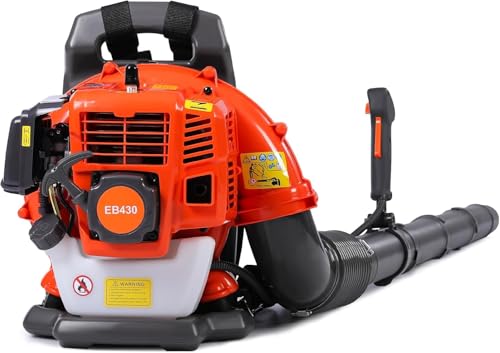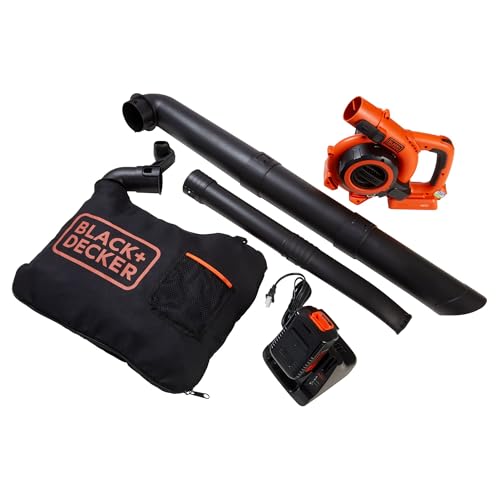
There is no single best lawn blower. The better choice depends on yard size, the debris you usually move, power source, airflow style, weight, noise, and how often you use it. A compact battery handheld can be plenty for a patio, while a backpack or gas unit may make more sense for long fence lines and wet leaves. Match the tool to the job instead of chasing the biggest advertised number.
What people usually mean by a lawn blower
In everyday shopping language, a lawn blower and a leaf blower usually describe the same class of tool: a machine that uses a focused stream of air to move leaves, grass clippings, and other light debris. Retailers may list the same handheld or backpack unit under either name. What matters is the job, not the label on the box.
A blower is meant to relocate loose material. Typical residential jobs include clearing dry leaves off turf and beds, sweeping clippings off a walk, pushing debris toward a pile, or cleaning a driveway after mowing. Some models accept a vacuum or mulching kit so you can collect material instead of only moving it. Those kits are extras, not a reason to assume every blower is also a vacuum.
A blower is a poor substitute for other lawn tools. It does not cut grass, edge a bed, loosen soil, or replace a mower bag when you want clippings contained. Wet, packed, or heavy debris is harder to move than dry leaves. Thick mats after rain, sodden clumps, gravel, and wet pine needles can demand more concentrated airflow, more time, or a different method. A rake, lawn sweeper, tarp, or simply bagging with the mower can be faster and cleaner when the material is too heavy, too wet, or too close to planting beds you do not want to blast.
If the real task is grinding a stump, tilling, pressure-washing, or shredding branches, you are looking at a different machine. Start by naming the surface and the debris. That single step prevents you from comparing the wrong tools.
The main types and how they feel to use
Most home blowers fall into three form factors. The difference is less about a magic power rating and more about where the weight sits, how long you can work, and where you will store the machine.
Handheld blowers
A handheld blower is the familiar one-piece tube you carry in one or both hands. It is usually the lightest option to pick up, hang, and stash in a garage corner. For short sessions on a patio, stoop, or small lawn, that convenience is the point.
The trade-off is fatigue. The motor and, on battery models, the pack sit out in front of or behind your wrist. On a long cleanup, your forearm, shoulder, and lower back do the work. If you only blow for a few minutes after mowing, that may never matter. If you have many trees and a full seasonal drop, a handheld unit can become tiring before the yard is finished.
Backpack blowers
A backpack blower shifts most of the weight onto a harness and the hips and shoulders. The tube is still in your hands, but you are not supporting the engine or battery pack at arm’s length. That layout is often chosen for longer sessions, larger lots, or people who already know a handheld unit leaves their arms sore.
Backpacks are bulkier to put on and take off. They need more storage space and a harness that actually fits. A poorly adjusted pack can rub, bounce, or pull backward. When the harness fits, many users find they can work longer with better control of the tube.
Wheeled or walk-behind blowers
Wheeled, walk-behind, or “wheeled” blowers roll on the ground. They are less common for small yards and are generally aimed at bigger properties or commercial-style cleanup. You trade lift-and-carry convenience for the ability to keep a larger machine moving without wearing it on your body.
These units take more storage room, need a path they can roll on, and can be awkward around tight beds, stairs, and cluttered side yards. For a townhouse patio they are usually more machine than the job requires. For a long driveway, a wide lot, or frequent storm cleanup, the rolling stance can make sense if you have the space.
Balance, reach, and storage change with each type. Handheld units win on grab-and-go storage. Backpacks win on sustained carrying comfort if the harness fits. Wheeled units win when you do not want to carry the powerplant at all. Choose the form you can actually lift, wear, or roll on a regular weekend, not the one that looks most powerful in a photo.
Gas, corded electric, and battery power
Power source is the trade-off most buying decisions turn on. Each option can clear a yard. They differ in readiness, range, noise, and the extra chores they add after the leaves are gone.
When a corded electric blower makes sense
A corded electric blower is usually light and ready whenever you have an outdoor outlet and a suitable outdoor-rated extension cord. There is no fuel to mix or store and no battery to charge. For a small yard near the house, that simplicity is hard to beat.
Range is the limit. You work at the length of the cord, and you have to manage that cord around shrubs, corners, and wet ground. A damaged or indoor-only cord is a hazard. If the cleanup area is far from an outlet, or if you dislike watching a cord the whole time, corded power becomes frustrating even when the motor itself is adequate.
What battery blowers actually limit
A battery blower is convenient for many residential yards. You can start it without a pull cord, move freely, and usually work more quietly than with gas. For dry leaves on a modest lot, that combination is often enough.
Runtime and peak power depend on battery size, temperature, and load. Wet, stuck debris and high-speed settings draw more energy. Cold weather can shorten a session. A spare pack extends the day, but only if you already own compatible batteries and a charger, or are willing to buy them. Advertised session length is not a promise for every yard and every debris type. Treat it as a rough clue, then match the pack to how long you actually work.
Households that already own a battery platform for a mower, trimmer, or saw can reduce charger clutter by staying in that family. That is a storage and cost convenience, not proof that one brand is universally better.
What gas blowers still do well
A gas blower can keep working through a long job or stubborn wet debris without waiting for a charge. On a large property, after a storm, or along a long fence line, that staying power is the usual reason people still choose gas.
Gas adds work. You fuel the machine, store fuel safely, start it, live with exhaust and more vibration, and handle more maintenance. Two-stroke and four-stroke designs have different fueling and service habits; follow the specific manual rather than a generic recipe. Exhaust means outdoor use only, away from enclosed spaces. If local rules or an HOA restrict gas or high-noise equipment, a capable gas unit may not be usable when you need it.
There is no universal winner among corded, battery, and gas. Pick the source that matches outlet access, charging habits, session length, and the rules on your street.
Airflow traits that actually matter
Marketing pages lean on big numbers. Two ideas behind those numbers are worth understanding, and neither should be treated as a lab ranking.
Air volume, often labeled CFM, describes how much air the machine moves. Air speed, often labeled MPH, describes how fast that air exits the nozzle. They are related but not the same. A broad, high-volume stream can roll a carpet of dry, loose leaves across a lawn. A more concentrated, faster stream can help lift wet clumps, stuck debris, or material in a corner. Dry leaves and wet packed debris do not respond the same way, so chasing only the highest advertised figure is a weak strategy.
Advertised airflow numbers are useful for rough comparison inside a similar class of tool. They are not standardized across every brand and test method. A listing with a huge peak number may measure a different setting, nozzle, or condition than a quieter listing. Use the figures as a first filter, then look at how the air is delivered.
Control features often change real-world use more than a single peak number:
- Variable speed lets you ease off near flower beds, cars, and windows, then add force on the open lawn.
- A lock or cruise control reduces the need to hold a trigger squeezed for an entire session.
- A concentrator nozzle narrows the stream for stubborn spots, gutters you can reach safely from the ground, or debris packed against a curb. Wide nozzles spread air for sweeping large, loose piles.
- Tube length and angle affect whether you can keep a natural stance without bending or blasting soil out of beds.
If two blowers look similar on paper, prefer the one you can modulate. Full blast all the time scatters mulch, stings bare legs with grit, and wears you out. The better machine is the one that moves this week’s debris without turning the yard into a wind tunnel you cannot aim.
Match the blower to yard size and debris
Situation beats a winner list. Think about surfaces, how long a typical session lasts, and whether the debris is dry and fluffy or wet and stuck.
Small patio, courtyard, or townhouse yard
Hard surfaces and short distances usually favor a compact corded or battery handheld blower. You want something light, easy to hang up, and easy to start for a five-minute sweep after mowing. A long backpack harness or a wheeled unit is extra bulk unless you also maintain a larger shared space.
Watch the nozzle around planters and gravel. High speed on a tiny patio can throw pebbles into windows or neighboring units. Variable speed matters more here than raw output.
Medium suburban lot with trees
Seasonal leaf drop changes the job. You may spend a longer stretch moving leaves off turf, out of beds, and toward the street or a compost pile. Comfort starts to matter as much as power. A stronger handheld unit can still work if sessions are moderate. A backpack becomes attractive if you already finish handheld jobs with a sore arm, or if wet leaves after a storm are a regular event.
Battery can still be a good fit if you have enough capacity or a spare pack for the longest weekends. Corded power works if outlets and a safe cord path cover the lot. Gas remains a candidate if you routinely face heavy, wet debris and local rules allow it.
Large property, long fence lines, or frequent storm cleanup
Coverage and stamina dominate. A backpack or, on some properties, a wheeled blower reduces the time you spend fighting the tool instead of the leaves. Gas can make sense when you cannot pause for charging and the debris is stubborn. That is a justification, not a requirement. Some large-yard owners still prefer battery backpacks and extra packs because they want less exhaust and easier starting.
Do not treat acreage as a universal cutoff. A narrow lot with dense trees can be harder than a wide, open lawn. Walk the route you would actually blow: slopes, gates, play equipment, parked cars, and beds you must work around.
How debris type should change the pick
- Dry leaves: Higher volume and a sweeping motion usually work well. Comfort and runtime become the main limits.
- Wet leaves: You need a more concentrated stream, more patience, and often a stronger or better-supported machine. Raking the worst mats first can save the blower for the rest.
- Pine needles: They lodge in bark, corners, and ground cover. A concentrator nozzle and variable speed help; blasting on high can bury needles deeper.
- Grass clippings: Fresh clippings on a walk are an easy handheld job. Thick, wet clumps on turf may be easier to bag with the mower.
- Driveway grit and light gravel: Air will move it, and it can also become a projectile. Lower speed and eye protection matter more than maximum output.
A vacuum or mulch kit is worth a look only if you want to collect material rather than relocate it. Collection adds a bag to empty and can reduce airflow compared with straight blowing. It is a workflow choice, not a performance trophy. Skip invented bag sizes or mulch ratios; judge the kit by whether you actually want to pick debris up.
Comfort, noise, storage, and upkeep
A powerful blower that hurts to hold, annoys the block, or sits broken in January is not a good household tool. Ownership details decide whether you will use what you buy.
Design details that reduce fatigue
Look at how the tool sits in your hands or on your back, not only at the motor. Useful comfort details include a harness that can be tightened so the pack rides on the hips, a handle that keeps your wrist straight, manageable vibration, and a trigger lock so you are not squeezing for the entire job. Weight balance matters more than a single advertised weight. A nose-heavy handheld tires the wrist. A backpack that hangs off the shoulders instead of the hips tires the back.
Try the stance you would use on a slope or while walking backward along a curb. If you cannot operate the tool comfortably for a short burst with good footing, a longer session will be worse. People with shoulder, wrist, or back issues should favor a lighter handheld for tiny jobs or a well-fitted backpack for long ones, and should stop if pain starts.
Why noise matters beyond personal comfort
Blowers can be loud enough to bother neighbors, pets, and anyone on the same lot without hearing protection. Some towns and associations restrict gas equipment or high-noise use at certain hours. That is a local-check reminder, not a legal summary. A quieter battery or corded unit can be the better “best” choice simply because you are allowed to run it on a Saturday morning.
Noise also affects how long you should work in one stretch. Hearing protection is a common-sense habit for sustained use, even if a listing sounds milder than a gas backpack.
Maintenance by power type
Gas units generally need fuel care, a clean air filter, spark-plug attention, and sensible seasonal storage so old fuel does not gum the system. Follow the manufacturer’s manual for service; intervals vary. Battery packs need dry storage, protection from extreme heat, and charging habits that match the pack’s instructions. Do not treat a battery like a weatherproof brick. Cords need inspection for cuts, crushed insulation, and a rating meant for outdoor use.
All types need a clear intake and an unobstructed tube. Leaves and string wrapped around an intake will make any blower feel weak. A cracked tube or loose nozzle wastes air and can throw fragments.
Weather, storage, and day-to-day friction
Ask where the machine will live. A handheld electric unit hangs on a hook. A backpack needs floor or shelf space and a dry spot for the harness. Extra batteries need their own home near the charger. Gas cans need approved storage away from living spaces and ignition sources.
Weather changes the job and the tool. Wet ground means worse footing and heavier debris. Charging in a cold garage can affect how ready a pack feels. Fueling in heat requires extra care. The blower you will actually maintain in your climate is more useful than a theoretically stronger one you will dread starting.
Safety and local-use constraints
A lawn blower looks simple. It still throws debris, makes sustained noise, and, depending on the power source, involves fuel, exhaust, electricity, or stored battery energy. Read the manual that comes with the specific tool and follow its warnings. The notes below are general consumer cautions, not a substitute for that manual or for local rules.
Common injuries and hazards
Flying debris can injure eyes and bystanders. Gravel, twigs, glass, and toys become projectiles. Prolonged noise can affect hearing. Loose clothing, laces, and drawstrings can catch on the machine or get pulled toward an intake. On slopes and wet grass, kickback from the air stream or a simple loss of footing can twist an ankle or send you into a curb. Never point the tube at people, pets, or open windows.
Keep bystanders well away. Work with the wind when you can so debris does not blow back into your face. Clear the area of rocks and trash you can see before you start. Do not use a blower to move toxic dust, ash you have not identified, or chemicals.
Protective gear worth using every time
Eye protection and hearing protection are prudent every time you run a blower for more than a moment. Closed shoes, long pants, and gloves reduce nicks from grit and vibration. This is common-sense practice, not a certified PPE specification. If you work near traffic, add whatever high-visibility clothing your situation needs and stay off the roadway.
Exhaust, fuel, batteries, and cords
Gas blowers are outdoor tools. Exhaust in a garage, shed, or enclosed patio is dangerous. Handle fuel outdoors, on a cool engine, with a proper container, and never near flames or cigarettes. Do not improvise mixing recipes from memory if the engine requires a specific fuel; use the instructions on the tool and fuel labels. If a gas machine will not start or runs poorly, stop and consult the manual or a qualified small-engine shop rather than bypassing safety parts.
For electric and battery tools, work in dry conditions unless the manufacturer clearly rates the tool for the weather you face. Use undamaged, outdoor-rated extension cords of an appropriate gauge for the length and load, and keep connections out of puddles. Charge batteries with the supplied or specified charger, on a hard, dry surface, and do not leave a damaged pack in use. A swollen, cracked, or overheated battery is a stop-and-replace problem, not a weekend workaround.
Check local rules before you buy
Noise ordinances, gas-equipment rules, and HOA policies vary. Some places limit when you can blow, or restrict gas tools. Confirm the rules that apply to your address before you invest in a high-output or gas machine. Buying first and discovering a restriction later is an expensive way to learn that a quieter electric option would have been the better fit.
A simple way to choose without picking a winner
You do not need a ranked list. You need a short sequence you can apply in a store aisle or a product listing.
- Define the surface and debris. Patio grit, dry leaves on turf, wet mats, pine needles, and driveway gravel are different jobs.
- Estimate session length and how often you work. A weekly two-minute sweep and a November leaf dump are not the same tool problem.
- Choose a power source that fits real life. Nearby outlets favor corded electric. Existing batteries and a dislike of fuel favor battery. Long, stubborn jobs and permissive local rules can justify gas.
- Pick a form factor you can carry or wear comfortably. Handheld for short, light work. Backpack for longer carrying. Wheeled only if the property and storage space support it.
- Compare control, not just peak claims. Variable speed, a cruise lock, a useful nozzle, and a stance that does not fight you will matter every time you start the tool.
- Check noise, storage, and service access. Confirm local restrictions. Make sure you have a dry place for the machine and its fuel or batteries. Know where you would get parts or service.
Features worth paying more for depend on the situation. On a tiny hard-surface yard, extra mass and a huge advertised number are usually wasted. On a tree-heavy lot, a better harness, a spare battery, or a more controllable trigger can be worth more than another increment of peak airflow. A vacuum kit is worth money only if you want to collect leaves. A concentrator nozzle is worth more if you fight wet corners and curbs.
Sometimes the smarter move is a simpler tool, or two light tools instead of one heavy one. A rake or tarp still wins on soaked mats. A mower bag still wins when you want clippings contained. A compact handheld for quick hard-surface cleanup plus a stronger backpack for leaf season can be easier on your body than forcing one awkward machine to do every job.
The best lawn blower is the one that fits the yard and the person using it, not the one with the biggest advertised number. If you can start it when you need it, aim it without wrecking beds or your hearing, finish the typical debris in a session you can tolerate, and store it without creating a new hazard, you chose well.