Quick Answer: What Is the Most Powerful Leaf Blower?
There is no single most powerful leaf blower for every yard. Gas backpack models usually lead on raw power, high-end battery models come close and run quieter, and corded electric models suit steady use near an outlet. Your yard size, engine type, and debris type decide which one fits.

Pros
- Features a high-output Strato-Charged engine
- AutoTune carburetor provides automated fuel management
- Padded harness with waist belt and ventilated back pad
- LowVib technology helps minimize operator vibration
- Integrated service port enables quick maintenance access
Cons
- Gas engine requires routine upkeep and fuel mixing
- Bulkier footprint compared to smaller handheld units

Pros
- Cordless mobility without battery runtime limitations
- Sturdy construction suited for tough yard and property clearing
- Standard handheld configuration
Cons
- Gas engine requires manual fuel mixing and regular maintenance
- Weighs 11 pounds, which is heavier than most cordless alternatives

Pros
- Handheld design offers portable maneuverability
- Recognized Stihl BG 56 platform for property care
Cons
- Product specifications and airspeed ratings are not provided
- Gas engine requires fuel mixing and engine maintenance
Reading the numbers on a spec sheet
Power claims usually come down to three measurements. CFM, or cubic feet per minute, measures how much air a blower moves. MPH measures how fast the airstream travels, which affects how far debris is lifted and pushed. Force, measured in newtons, reflects how hard the air presses against whatever it hits.
Each figure describes a different part of performance, so a high number in one does not settle the question alone. For a closer look at the first figure, read about what CFM means on a leaf blower.
How nozzle shape changes the result
A narrow nozzle concentrates the airstream, raising force at one spot and helping move debris along a driveway or into a row. A wide, flat nozzle spreads the same air over more ground, which suits an open lawn.
Manufacturers usually measure output at the nozzle outlet, so real output drops as the operator moves away from the leaves. Attachments and working distance can change results a great deal, so a rated figure is only a starting point.
Gas, battery, and corded compared
The table below gives a qualitative view of the three energy sources. The ratings are relative to one another rather than exact measurements, and individual models vary. For a fuller side-by-side look at engine types, see the gas vs electric leaf blower comparison.
| Factor | Gas | Battery | Corded electric |
|---|---|---|---|
| Maximum power | Highest | High | Moderate |
| Noise | High | Lower | Lower |
| Run time | Long, refuel when the tank is empty | Limited by battery charge | Unlimited while plugged in |
| Maintenance | Higher, with fresh fuel and filter care | Low, with proper storage | Low, with cord care |
| Suited for | Large properties and heavy wet debris | Quiet residential yards | Small yards near an outlet |
Why gas engines usually lead on raw power
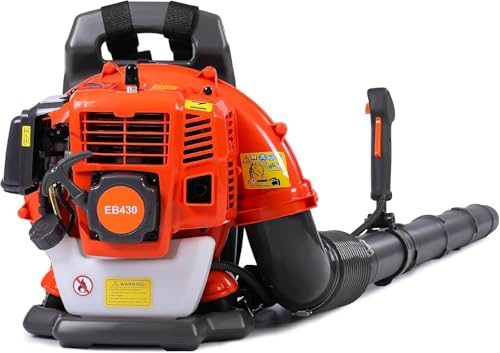
A gas engine can drive a large fan and keep working as long as fuel remains in the tank, which is why backpack-style units often top the list for raw power. Handheld gas models are lighter to carry but usually reach less output than backpack designs. For a closer comparison of those two layouts, see the backpack vs handheld leaf blower comparison.
Battery models and the convenience trade-off
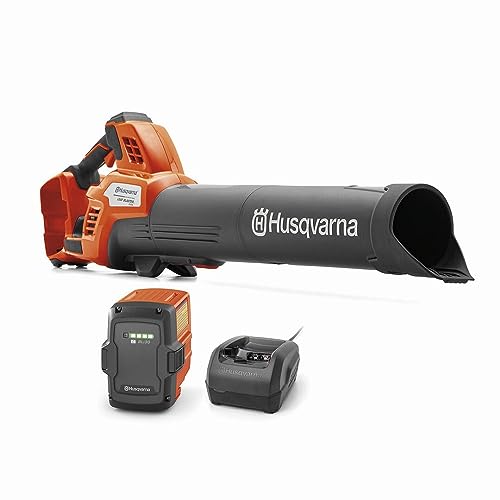
High-end battery blowers now sit close to gas models on power while running quieter and producing no exhaust at the point of use. Lithium packs hold up better when stored at a moderate charge than when left full or fully drained, which matters during off-season storage. For more on cordless options, see this guide to cordless leaf blowers.
Corded models for steady, nearby work
Corded electric blowers do not run out of charge or fuel, so they suit long sessions close to an outlet. The cord sets the reach and can snag on edges and furniture. Corded units are generally quiet and simple to run, which makes them a practical pick for compact, tidy yards.
Models worth shortlisting
Three models in the product list above are worth comparing against your own yard and debris. The Greenworks Pro 60V 700 CFM Brushless Cordless Axial Leaf Blower lists 700 CFM and a 60V cordless design. The EGO Power+ LB7654 765 CFM Variable-Speed 56-Volt Cordless Leaf Blower lists 765 CFM and a 56-Volt cordless design. The Milwaukee 2824-20 M18 FUEL Dual Battery Blower is listed as a dual battery model and sold as a tool only.
Only the Greenworks and EGO titles include a CFM figure, so the catalog data cannot rank the Milwaukee model on airflow. Compare the listed figures against the debris you clear most often before deciding.
Matching power to yard size and debris
Power needs rise with yard size and with the kind of debris. Dry leaves on a patio ask much less of a blower than wet, matted leaves along a lawn edge or a pile of pine cones. Start by listing the surfaces and debris you clear most often. For a step-by-step approach, read this guide on how to choose a leaf blower.
Safety gear and noise protection
Blowers can throw small stones, twigs, and grit toward the operator and bystanders. Basic gear helps reduce that risk.
- Safety glasses or goggles to keep debris out of the eyes
- Hearing protection for long sessions, since blowers can be loud
- Closed shoes and long pants to guard against flying grit
- Bystanders, pets, and open windows kept out of the airstream
For workplace context, the OSHA laws and regulations pages cover noise exposure and protective equipment, which are useful reading for anyone running blowers on a job site.
Keeping gas output consistent
Gas units lose airflow when the air filter clogs or when stale fuel leaves residue in the engine. Use fresh fuel, avoid leaving old fuel in the tank through long breaks, and clean the air filter on a regular schedule. Battery and corded units need less routine work, but keeping vents clear and the cord undamaged still helps.
Frequently Asked Questions
Can a leaf blower replace a rake?
Not fully. A blower moves debris into piles but does not collect or bag it, so most yards still need a rake, tarp, or vacuum attachment for the final cleanup.
Is a battery blower enough for a large yard?
It can be, but plan around run time. Spare packs extend a session, and a gas unit may be the more practical choice when one charge cannot cover the work.
What should a buyer check on a listing before purchase?
Check whether a battery and charger are included, since some listings sell the unit as a tool only. Read the full title or features before comparing models side by side.
Do local rules limit when a blower can run?
Some cities and communities set their own hours or noise limits for outdoor equipment. Check local rules before running a blower early in the morning or late in the evening.