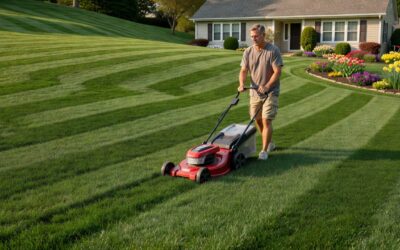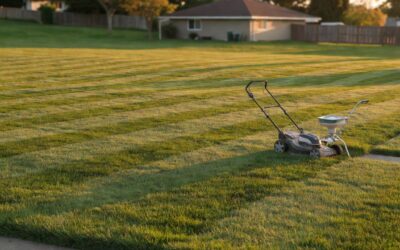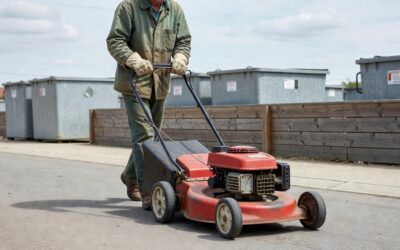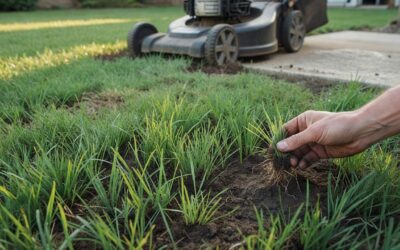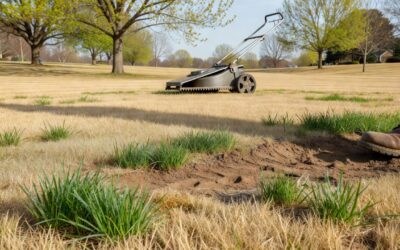
Start mowing when your grass has grown to about one-third above its ideal mowing height, the soil temperature has consistently reached the threshold for active growth (roughly 50°F for cool-season grasses and 65°F for warm-season grasses), and the ground is firm and dry enough to walk on without compressing or tearing the turf. Calendar dates are unreliable guides—observable conditions determine the right moment.
The Core Rule: Height, Not Date
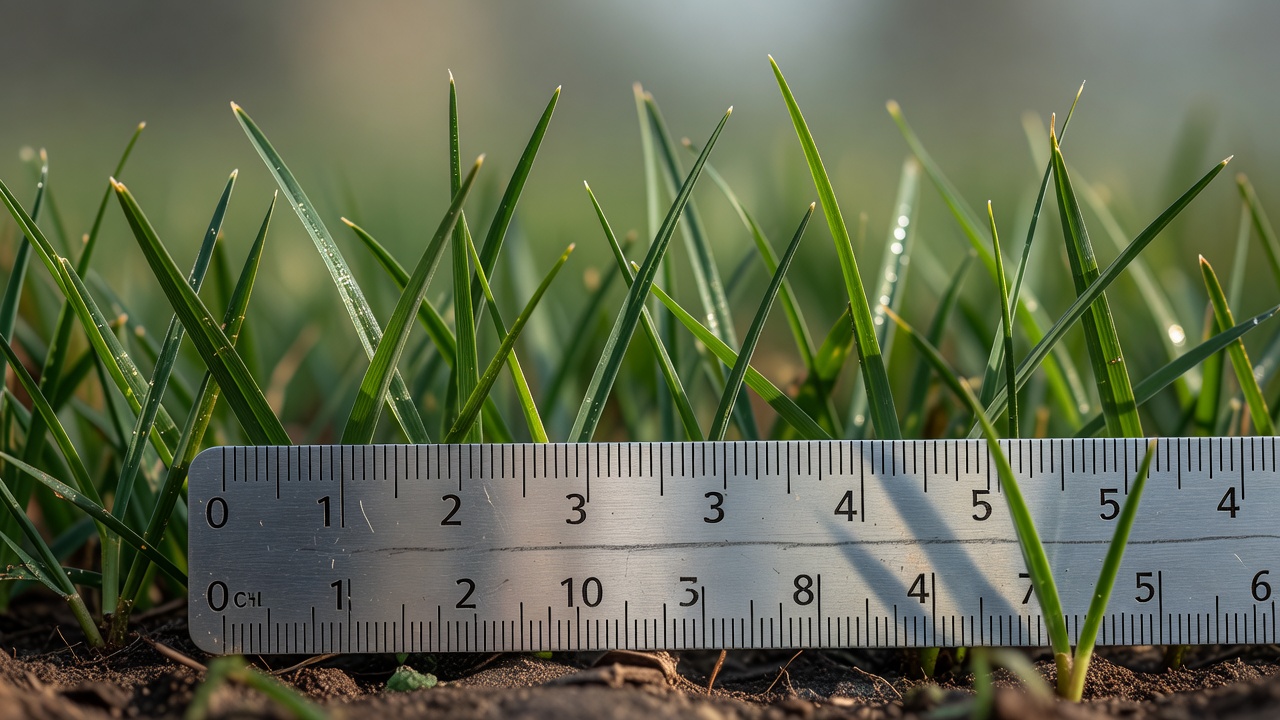
The most reliable trigger for the first mow is not a calendar date but a measurement: the one-third rule. Never remove more than one-third of the grass blade in a single cut. This means you should mow when your lawn has grown to roughly one-third above its target mowing height.
For cool-season grasses, typical maintenance heights range from 2.5 to 4 inches depending on species, so your first cut may come when grass reaches 3 to 5 inches. Warm-season lawns are often kept shorter—1 to 3 inches—so the first mow might occur at 1.5 to 4 inches of growth. The exact height varies by grass type and your preferences, but the principle remains: measure before you mow.
To check grass height, walk to several spots in your yard and measure with a ruler placed at soil level. If you see inconsistent growth, wait until most of the lawn has reached the threshold. Measuring takes seconds and eliminates guesswork about whether the lawn is truly ready.
Soil Temperature: The Biological Starting Gun
Soil temperature is a far more reliable trigger than air temperature or the calendar. Even if a warm spell in late winter produces some blade elongation, the grass roots and growing points remain dormant in cold soil. Mowing before soil temperatures support active growth stresses the plant and wastes effort.
Cool-season grasses—including Kentucky bluegrass, tall fescue, perennial ryegrass, and fine fescues—begin sustained growth when soil temperatures consistently reach approximately 50°F (10°C). “Consistently” is key: a single reading above 50°F does not mean the season has started. Look for soil temperature to stay at or above that threshold for several days.
Warm-season grasses—such as Bermuda grass, Zoysia, St. Augustine, centipede grass, and Buffalo grass—require warmer soil to emerge from dormancy. They typically need soil temperatures around 65°F (18°C) or higher before they produce meaningful growth. These grasses are dormant and brown during cool months and green up only when the soil genuinely warms.
You can check soil temperature with an inexpensive soil thermometer (widely available at garden centers) by inserting it 2 to 3 inches into the ground in several locations. Many local cooperative extension services and national weather resources also publish soil temperature maps or reports for your region, offering a free reference point.
Cool-Season vs. Warm-Season Grasses: Different Clocks
The type of grass you have determines when you’ll start mowing. These two categories have opposite growth patterns and dormancy cycles, so timing varies dramatically by region and lawn type.
Cool-season grasses thrive in northern and temperate climates. They are actively growing in spring and autumn and slow or go dormant during hot summers. In spring, they green up and start growth as soil warms into the 50°F range. You can typically start mowing cool-season lawns in early to mid-spring, though the exact week depends on your climate zone.
Warm-season grasses dominate southern regions. They are dormant and brown from late autumn through spring, then green and grow vigorously in late spring and summer. They do not start growing until soil temperatures consistently exceed 65°F, which may not arrive until late April or May in transition zones, or even later in cooler microclimates.
To identify your grass type, observe its behavior: if your lawn is dormant and brown in winter and greens up in spring, you likely have a cool-season grass. If your lawn is green all winter and browns out in summer, you have a warm-season grass. You can also pull a plant and examine the seed head structure, or contact your local cooperative extension office with a sample for identification.
Seasonal Cues and Environmental Conditions to Check First
Height and soil temperature are essential, but several other conditions signal whether the lawn is truly ready to mow.
Soil firmness: Spring soil is often waterlogged. Mowing on wet or muddy ground compacts the soil, leaves ruts from mower wheels, and damages shallow new roots. Before mowing, walk across the lawn; if your footprints sink and fill with water, or if the ground feels spongy, wait a few days for it to dry. Firm enough to mow means your weight does not compress the soil noticeably.
Grass dryness: Cutting wet grass produces uneven results, clogs the mower deck, and spreads disease. Ideally, mow when the grass blades are dry, typically mid-morning after dew has evaporated or in early afternoon on dry days.
Winter debris clearance: Clear sticks, leaves, and thatch before mowing. Debris can damage mower blades, get thrown as projectiles, or smother newly emerging growth. A quick pass with a rake or leaf blower takes minutes and protects your equipment and lawn.
Genuine growth, not a warm spell: A single warm week in late winter may cause the grass to green slightly or produce some blade elongation, but this does not mean the season has truly started. True active growth is sustained over days or weeks and accompanied by consistent soil warmth. If temperatures drop again, that premature growth will be stressed or even damaged.
Risks of Mowing Too Early
Mowing before conditions are ready can cause significant damage and stress to your lawn. Understanding the consequences motivates patience.
Soil compaction and ruts: Spring soil is wet and fragile. Mower wheels on soft ground compress the earth, reducing pore space and water infiltration. This stresses roots and can leave visible ruts that persist for weeks.
Tearing weak growth: New growth emerging from dormancy is tender and has shallow roots. Dull blades or mowing when the plant is not actively growing tears the leaves rather than cutting them cleanly, injuring the plant and slowing recovery.
Root system stress: Removing leaf material before roots have re-established reduces the plant’s ability to recover energy and rebuild. Early mowing forces the plant to expend reserves to regrow leaf tissue rather than strengthen roots.
Increased weed vulnerability: Thin or stressed turf is vulnerable to weed establishment. Premature mowing and the soil disturbance it causes can create bare spots where weeds find opportunity.
Frozen or semi-frozen ground damage: Mowing over frozen or partially frozen soil can damage turf and disrupt soil structure. Avoid mowing until soil temperature has risen well above freezing for several consecutive days.
Risks of Mowing Too Late
Conversely, waiting too long to start mowing creates its own problems, though they are recoverable with careful attention.
Scalping: If grass grows very tall before the first cut and you remove too much at once, you expose bare soil patches (scalping). This stresses the grass and invites weeds and erosion.
Clipping buildup: Very long clippings left on the lawn after cutting an overgrown lawn will smother the remaining grass if not removed, blocking light and trapping moisture.
Uneven recovery: Overgrown turf is harder to cut evenly, producing an inconsistent appearance and uneven stress across the lawn.
If your lawn has gotten significantly long, mow it in stages over 1 to 2 weeks, removing about one-third of the height per session. Bag or rake clippings from the first overgrown cut to prevent smothering. The lawn will recover more gradually but more uniformly than a single aggressive cut.
First Mow Best Practices
Once conditions align, follow these practices to make the first mow as gentle and effective as possible.
Set mower height slightly higher: For the first cut of the season, set the mower deck 0.5 inch higher than your normal summer maintenance height. This reduces stress on newly active growth and leaves enough leaf material to support root recovery and energy production.
Use a sharp blade: Dull blades tear grass rather than cut it cleanly. Torn leaf tips are brown and ragged, invite disease entry, and stress the plant. Before the season starts, inspect your mower blade and sharpen or replace it if edges are dull or bent. A clean cut is especially important for the delicate first mow.
Clear debris again before starting: Even if you raked earlier, do a final sweep for sticks and rocks. One hidden rock can damage your blade and throw debris dangerously.
Bag or rake very long clippings: If the lawn has grown longer than expected and produces heavy clippings, bag them or rake them off. Return clippings to mulch the lawn only if they are short and sparse; heavy clipping mats smother new growth.
Water lightly afterward if dry: If conditions are dry and the ground and grass are stressed from the mow, a light watering helps the plant recover. Avoid heavy watering, which can encourage disease; a light sprinkle that mimics natural rainfall is sufficient.
Allow recovery time before heavy foot traffic: After the first mow, avoid heavy use of the lawn for a few days. Freshly stressed turf recovers best without additional compaction or wear.
Regional Timing: How Climate Zone Affects Your Start Date
While observable conditions—not calendar dates—are the best guide, your climate zone gives you a rough window for when to expect mowing season to begin.
In cold climates (northern U.S., Canada), cool-season grass mowing typically begins in late April through May, once soil temperatures consistently reach 50°F. In temperate zones, this may occur in early to mid-April. In warmer regions, cool-season lawns may be ready by late March or even earlier.
Warm-season grasses in southern regions generally start growing in late May through early June as soil reaches 65°F, though transition zones may see green-up later or earlier depending on the specific year.
The best resource is your local cooperative extension service, which publishes seasonal guidance, soil temperature updates, and frost dates for your area. Rather than relying on national generalizations, check your regional extension office website or contact them directly—their advice is free and tailored to your climate.
Summary: Ready to Mow?
Mowing readiness depends on three conditions working together: grass height (one-third rule), soil temperature (50°F for cool-season, 65°F for warm-season), and ground firmness (no waterlogging or compaction risk). When all three align and winter debris is clear, you’re ready to mow. Set your mower height slightly high for the first cut, use a sharp blade, and avoid heavy use of the lawn for a few days afterward. Patience at the start of the season pays dividends in a healthier, more resilient lawn throughout the year.