You should stop mowing the lawn when grass growth slows significantly, which typically occurs in late fall when temperatures consistently drop below 50°F (10°C). Other key indicators include frozen ground, waterlogged soil, or snow cover—mowing under these conditions damages the grass and compacts wet or frozen earth. Most homeowners can expect the mowing season to end between mid-October and November, depending on climate and local frost dates.
Understanding the Seasonal End of Mowing
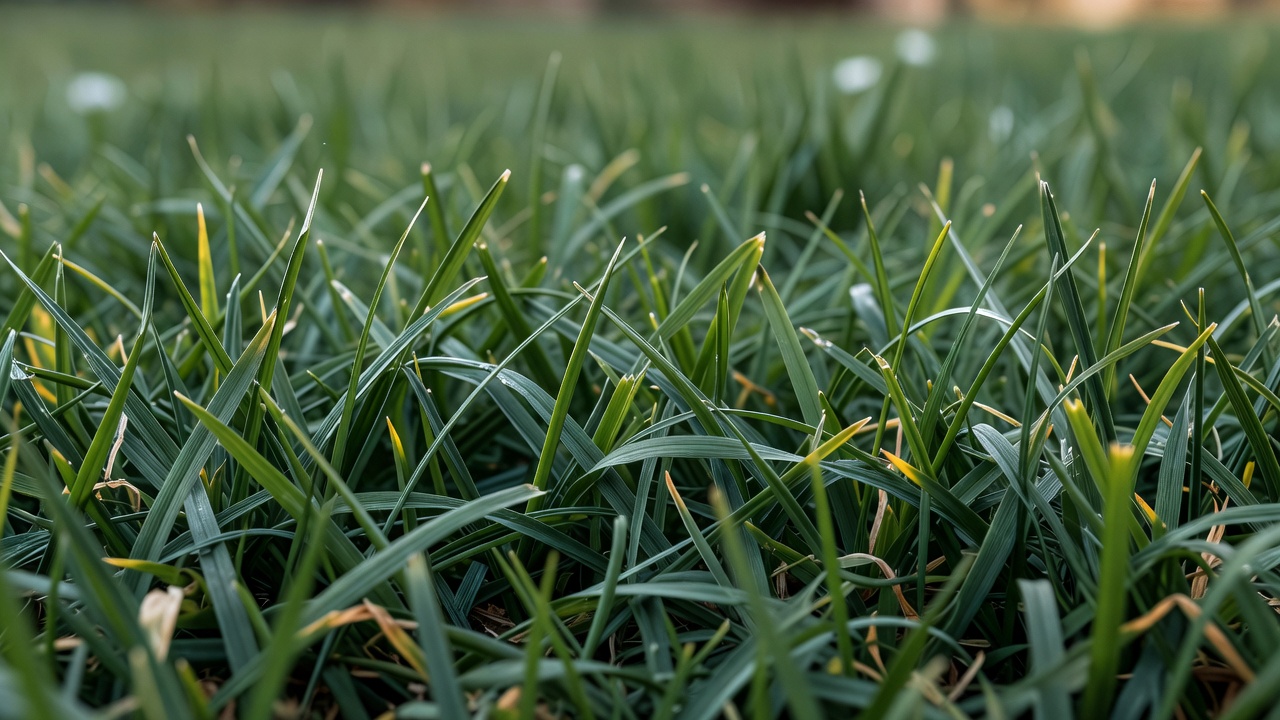
Lawn grass enters dormancy as temperatures cool and daylight decreases. Cool-season grasses, common in northern climates, slow their growth dramatically once soil temperatures drop consistently below 50°F. Warm-season grasses in southern regions stop growing entirely once temperatures fall below 50°F and remain there. At this point, mowing becomes unnecessary because the grass is no longer actively growing.
Continuing to mow after growth has slowed can stress the plant. When you cut dormant or semi-dormant grass, you reduce the plant’s ability to store energy for winter survival and spring recovery. Additionally, mowing late in the season may remove leaf tissue the grass needs to photosynthesize during mild fall and winter days, weakening the plant heading into the most challenging season.
The exact timing varies by region and year. In areas with milder falls, you may mow longer into November or even early December. In colder zones, the season may end in September or early October. Monitoring your specific local frost date and the actual temperature patterns in your area provides more reliable guidance than a fixed calendar date.
Key Indicators It’s Time to Stop Mowing
Rather than guessing, watch for observable signs that your lawn has entered dormancy:
Temperature and Frost
The most reliable indicator is consistent soil temperature. When soil temperatures drop below 50°F and remain there, grass stops growing. You can monitor this with a soil thermometer if you want precision, but watching your lawn’s growth rate often tells you the same thing—if grass isn’t visibly growing week to week, it’s time to stop mowing.
Grass Color and Growth Rate
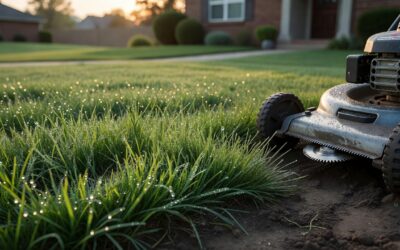
As dormancy approaches, cool-season grasses may take on a slightly darker, duller appearance as they consolidate energy. More telling is the growth rate: if you can go two weeks between mows without noticing significant new growth, mowing season is effectively over. Once you notice the grass isn’t responding to regular mowing with new shoots, stop cutting.
Ground Conditions
Frozen, waterlogged, or snow-covered soil is a hard stop for mowing. Mowing on frozen ground can tear grass blades rather than cut them cleanly, damaging the plant. Wet, waterlogged soil compacts easily under mower weight, suffocating roots and creating problems that persist into spring. Snow cover obviously prevents you from seeing the grass or mowing safely.
Local Frost and First Snow
Once the first frost or snow arrives, mowing season is over in most climates. Even if temperatures warm briefly afterward, the grass has already begun dormancy. Continuing to mow after frost is unnecessary stress on the plant.
Temporary Reasons to Pause Mowing
Beyond seasonal dormancy, several temporary conditions warrant pausing mowing:
Wet or Waterlogged Soil
After heavy rain or during periods of poor drainage, soil becomes waterlogged. Mowing wet soil compresses it, reducing oxygen availability to roots and creating ruts that may not recover before winter. Wait until soil dries enough that you don’t leave footprints when walking the lawn. A common rule is to avoid mowing if water pools or if soil sticks to your shoe.
Drought Conditions
During drought, grass is already stressed. Mowing removes foliage the plant needs to photosynthesize and recover. If your lawn is brown or dormant due to heat and lack of water, skip mowing until conditions improve and growth resumes. Mowing drought-stressed grass can kill sections outright.
Extreme Heat
Very hot days stress both the grass and the mower. Mowing in extreme heat can scorch freshly cut grass and cause additional wilting. It’s safer for you and better for the lawn to mow early morning or late evening during heat waves, or skip mowing until temperatures moderate.
Frost, Freeze, or Snow
Frost-covered grass is brittle and tears rather than cuts cleanly when mowed. Frozen ground resists the mower and can be damaged by its weight. Snow cover makes mowing pointless and potentially hazardous. Wait for conditions to clear before resuming.
Practical Guidance for Your Last Mow
Final Mow Height
As you approach the end of the season, adjust your mowing strategy. Many lawn care professionals recommend keeping cool-season grass slightly taller—around 2.5 to 3 inches—through late fall. This extra height provides more leaf tissue for the plant to use during dormancy and helps shade the soil, suppressing winter weeds. Don’t cut grass shorter in late fall hoping to reduce mowing frequency; taller grass survives winter better and greens up faster in spring.
Your Final Mowing Checklist
For your last mow of the season:
- Mow when soil is dry or nearly dry to avoid compaction.
- Raise your mower deck to the higher end of your recommended height range.
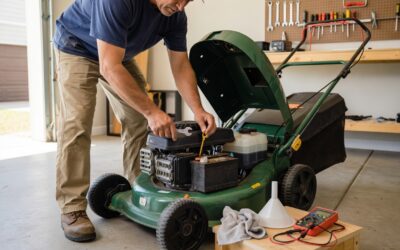
- Ensure mower blades are sharp to make clean cuts, reducing disease risk over winter.
- Mow when the lawn is dry to the touch for easier, cleaner cuts.
- Consider leaving grass clippings on the lawn (mulching) to return nutrients to the soil as they decompose.
Frequency as Fall Progresses
As temperatures drop, you’ll notice your mowing frequency naturally decreases. What required weekly mowing in August may only need attention every two weeks by September, then every three weeks by October. Follow the growth rate rather than a fixed schedule. Once the interval stretches to three weeks or more with little visible growth, you’re likely at or past the point where mowing should stop.
Regional Variations
Timing depends heavily on your climate zone. In the upper Midwest or northern regions, mowing typically ends by late September or early October. In transitional zones (mid-Atlantic, upper South), the season may extend into November. In warm southern regions with mild winters, mowing may continue into December or pause only briefly before resuming in late winter. Check your local frost date for more precise guidance—your cooperative extension office or local garden center can provide this information for your specific area.
Summary
Stop mowing when grass stops growing, which occurs once soil temperatures drop below 50°F and remain there. Watch for slowed growth rates, frost, or snow as your primary signals. Avoid mowing on frozen, waterlogged, or snow-covered ground, and skip temporary mowing during droughts or extreme conditions. For your final mows, maintain slightly taller grass height and ensure blades are sharp. By reading your lawn’s actual growth patterns and local conditions rather than following a rigid calendar, you’ll know exactly when the mowing season ends in your area.