How Often Should You Mow Your Lawn?
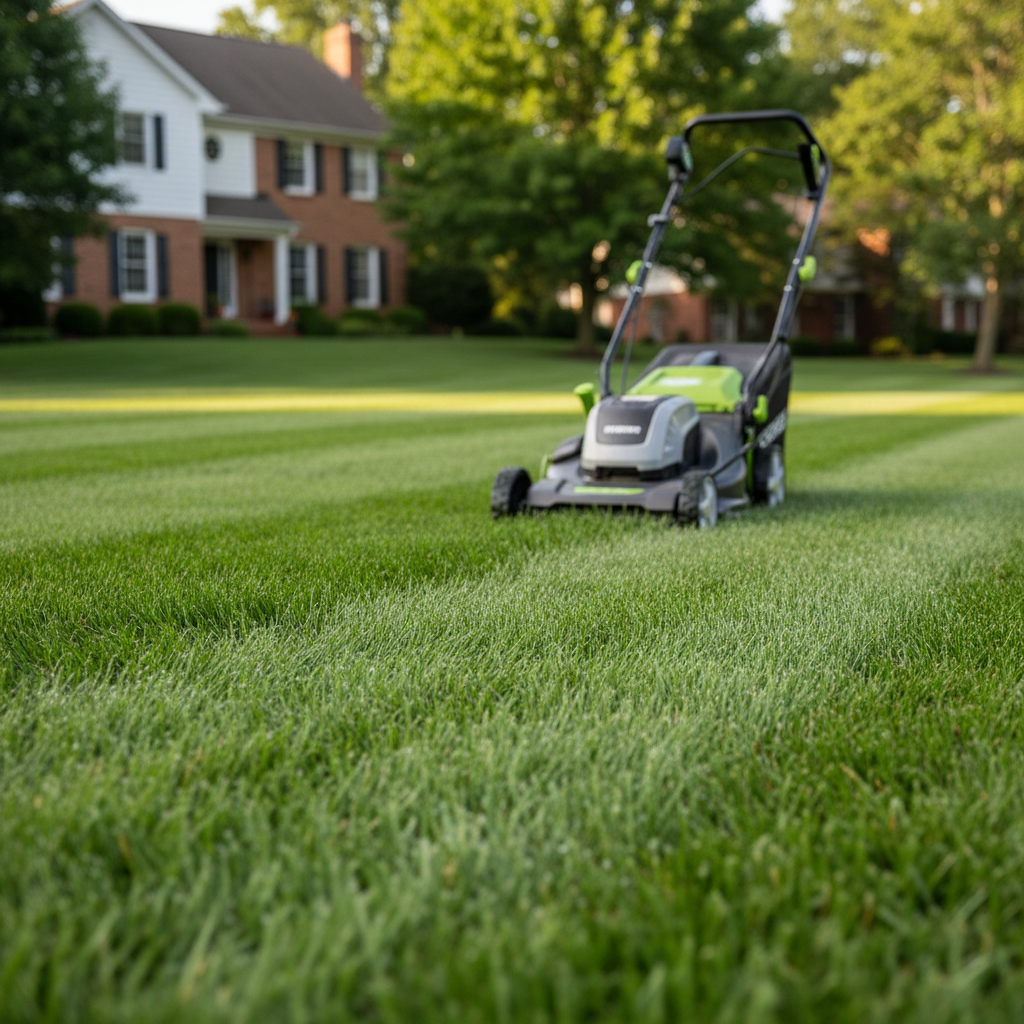
Lawn mowing frequency depends on grass type, season, and growth rate, but generally ranges from weekly to bi-weekly during active growing seasons (spring and summer) and may slow to every 2–3 weeks in cooler months. The key is to follow the 1/3 rule: never remove more than one-third of the grass blade height at a single mowing, and adjust your schedule to match how quickly your lawn actually grows.
Understanding Lawn Mowing Frequency
Mowing frequency is critical for maintaining a healthy, attractive lawn. Cutting grass too often can stress the plants, while waiting too long between mows can lead to scalping and a ragged appearance. The goal is to maintain a consistent height that promotes deep root growth and dense turf.
The 1/3 rule is the most important guideline for mowing. It states that you should never remove more than one-third of the grass blade’s total height in a single mowing session. Following this rule minimizes stress on the grass, allows it to recover quickly, and encourages a stronger root system. If your lawn is growing rapidly, you’ll need to mow more frequently to adhere to this rule.
Key Factors That Affect How Often You Mow
Several variables determine the ideal mowing schedule for your specific lawn:
- Grass Type: The two main categories are cool-season and warm-season grasses. Cool-season grasses (like Kentucky bluegrass, fescue, and ryegrass) grow most actively in the cooler temperatures of spring and fall. Warm-season grasses (like Bermuda, zoysia, and St. Augustine) thrive in the heat and grow fastest during summer.
- Season and Climate: Growth rates change dramatically with the seasons. During the active growing season, you may need to mow weekly. In cooler months or during dormancy, growth slows significantly, reducing the need to mow.
- Growth Rate: This is influenced by rainfall, temperature, sunlight, and fertilization. A well-watered and fertilized lawn will grow faster and require more frequent mowing.
- Mowing Height: The height at which you cut your grass directly impacts how soon it needs to be cut again. Taller grass generally grows more slowly between mowings.
Step-by-Step Guide to Setting a Mowing Schedule
Follow these steps to determine the right frequency for your lawn:
- Identify Your Grass Type: Determine if you have cool-season or warm-season grass. This is the most important factor in your schedule.
- Monitor Growth Rate: In spring, as temperatures rise, start checking your lawn every 5-7 days. When the grass grows enough to reach the 1/3 rule threshold (e.g., from 3 inches to 4.5 inches), it’s time to mow.
- Adjust for Season:
- Cool-Season Grasses: Mow frequently in spring and fall. Reduce frequency in summer heat and winter dormancy.
- Warm-Season Grasses: Mow frequently in summer. Reduce or stop mowing in cooler months when they go dormant.
- Apply the 1/3 Rule: Use a ruler or mower height guide. If your desired height is 3 inches, mow when the grass reaches 4 inches.
- Adjust for Stress: During drought, heat waves, or winter dormancy, raise your mowing height and reduce frequency to avoid stressing the lawn.
Direct Answers to Common Mowing Frequency Questions
How often should I mow in spring?
For cool-season grasses, weekly mowing is often necessary during the spring growth flush. For warm-season grasses, mowing may start every 1-2 weeks as temperatures warm up.
How often should I mow in summer?
Cool-season grasses may slow down in extreme heat, requiring mowing every 10-14 days. Warm-season grasses are in their peak growth period and often need weekly mowing.
How often should I mow in fall and winter?
Fall mowing frequency for cool-season grasses tapers from weekly to every 2-3 weeks as growth slows. Most lawns do not require mowing in winter when grass is dormant.
What happens if I mow too often?
Mowing too frequently, especially if removing more than 1/3 of the blade, stresses the grass, weakens roots, and can lead to disease and a thin, unhealthy lawn.
What happens if I mow too infrequently?
Letting grass grow too tall before mowing often results in scalping (cutting too much at once), which shocks the grass, exposes soil to weeds, and creates an uneven appearance.
Frequently Asked Questions
Should I mow more frequently if I only trim a little off the top?
Yes, if you are maintaining a consistent, shorter height, you will likely need to mow more often to stay within the 1/3 rule. However, many lawn care experts recommend letting cool-season grasses grow slightly taller (3-4 inches) to promote deeper roots and drought resistance, which can reduce mowing frequency.
How does rainfall affect mowing schedule?
Increased rainfall and consistent moisture lead to faster grass growth, requiring more frequent mowing. During dry spells, growth slows, and you can extend the time between mowings. Always adjust based on how quickly the grass is actually growing, not just the calendar.
Is there a specific day of the week I should mow?
There is no universally best day. The most important factor is the grass’s growth rate. However, mowing during the cooler parts of the day (morning or late afternoon) can reduce stress on both you and the lawn, especially in summer heat.