What Is a Sawzall?
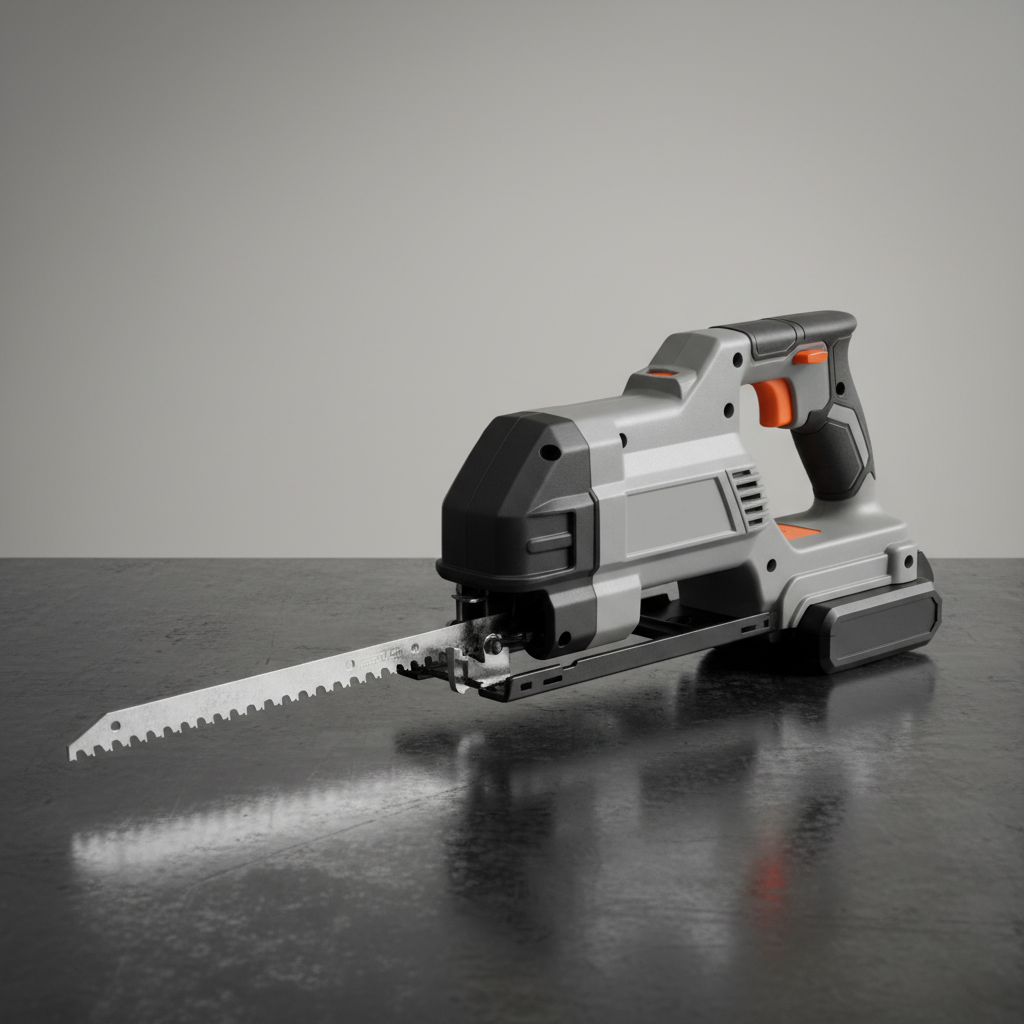
A Sawzall is a trademarked brand name for a type of reciprocating saw, originally manufactured by Milwaukee Tool. In common usage, many people use “Sawzall” as a generic term for any reciprocating saw, regardless of the brand. This tool uses a push-and-pull blade motion to cut through a variety of materials, making it a staple for demolition, remodeling, and rough cutting tasks.
How Does a Reciprocating Saw Work?
The name “reciprocating” refers to the back-and-forth motion of the blade. Unlike a circular saw that spins, a Sawzall’s blade moves in a straight line, similar to a handsaw but powered by an electric motor. This motion is ideal for cutting in tight spaces or when you need to plunge directly into a material like a wall.
Key components include:
- Blade Shoe: The metal piece that rests against the material being cut, providing stability and control.
- Variable Speed Trigger: Allows the user to control the blade speed, which is crucial for starting cuts and adapting to different materials.
- Orbital Action: Some models offer an orbital setting, where the blade moves in a slight elliptical pattern. This can speed up cutting in wood but may reduce control on metal.
Common Uses for a Sawzall
This tool is prized for its versatility and power in demanding situations:
- Demolition: Removing walls, cutting through studs, and tearing out old structures.
- Cutting Pipes and Nails: Excellent for plumbing and electrical work where you need to cut through pipes, nails, or screws embedded in wood.
- Pruning and Yard Work: With the right blade, it can cut through tree branches and roots.
- Remodeling: Cutting openings for windows, doors, or vents in drywall, wood, or plaster.
Key Factors to Consider Before Buying
When choosing a reciprocating saw, consider these features:
- Corded vs. Cordless: Corded models offer consistent power, while cordless (battery-powered) models provide greater mobility. Modern battery technology has made cordless models very capable for most tasks.
- Stroke Length: Measured in inches (e.g., 1-inch or 1-1/4-inch), a longer stroke length generally means faster cutting but can be harder to control.
- Blade Compatibility: Most modern saws use a universal tang system, but ensure the blades you need (for wood, metal, etc.) are readily available.
- Safety Features: Look for a blade lock for easy changes and a sturdy shoe to prevent slipping.
How to Use a Sawzall Safely and Effectively
Always wear safety glasses and gloves. To use the tool effectively:
- Secure the workpiece if possible.
- Place the blade shoe firmly against the material to be cut.
- Start the saw at a low speed to establish a cut groove, then increase speed as needed.
- Let the blade do the work—avoid forcing it, which can cause binding or kickback.
- Replace blades that become dull, as they are less efficient and more dangerous.
Sawzall vs. Other Cutting Tools
Understanding when to use a Sawzall is key:
- vs. Circular Saw: A circular saw is better for long, straight cuts in sheet goods (like plywood). A Sawzall excels at demolition and irregular cuts.
- vs. Jigsaw: A jigsaw is for finer, more precise curved cuts. A Sawzall is for rough, aggressive cutting.
- vs. Angle Grinder: An angle grinder is superior for cutting metal, stone, or tile. A Sawzall is more versatile for mixed materials in demolition.
Frequently Asked Questions
Is Sawzall a brand or a type of tool?
Sawzall is a trademarked brand name owned by Milwaukee Tool. However, it is so widely recognized that it is often used generically to refer to any reciprocating saw, similar to how “Kleenex” is used for tissues.
What materials can a Sawzall cut?
With the appropriate blade, a reciprocating saw can cut wood (including nails), metal (pipes, sheet metal), drywall, plastic, and even some masonry. Blade selection is critical for clean and efficient cuts.
Why is it called a reciprocating saw?
The name comes from the blade’s motion: it moves back and forth (reciprocates) in a linear path, rather than spinning like a circular blade.
Can I use a Sawzall for fine woodworking?
Generally, no. A Sawzall is designed for rough cutting and demolition. For precise, clean cuts in woodworking, tools like a circular saw, jigsaw, or miter saw are more appropriate.