Direct Answer: Why Your Lawn Mower Won’t Start
When your lawn mower turns over (cranks) but refuses to start, the culprit is almost always one of five issues: stale or contaminated fuel, a fouled spark plug, a clogged air filter, carburetor varnish buildup, or ignition system failure. Stale fuel left sitting for more than 30 days is the leading cause, followed by spark plug fouling from a rich fuel mixture or extended non-use. Start by checking fuel quality and spark plug condition—these quick fixes resolve most no-start problems without requiring professional service.
Understanding “Turning Over” vs. Starting
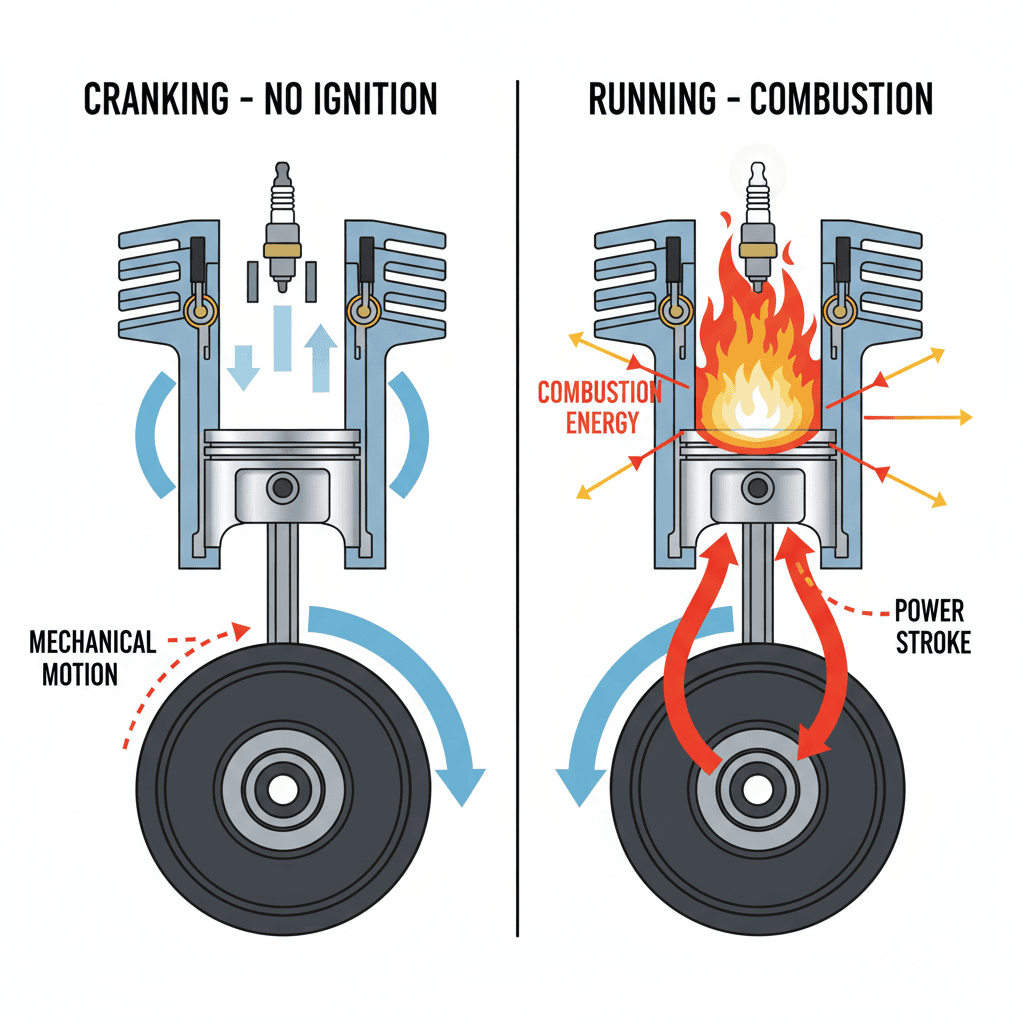
Before diagnosing, clarify what “turning over” means on your mower. Turning over (also called cranking) refers to the engine rotating when the starter engages—the flywheel spins, pistons move, and mechanical action occurs. Starting means the fuel ignites, combustion occurs, and the engine runs on its own.
A mower that turns over but doesn’t start tells you the mechanical system works, but ignition or fuel delivery has failed. Pay attention to these diagnostic clues:
- Crank speed: Normal RPM cranking suggests the battery and starter are fine. Slow cranking points to battery weakness (less relevant on pull-start mowers).
- Sounds during cranking: A healthy crank produces steady mechanical noise. Sputtering, backfiring, or grinding sounds indicate fuel or spark issues.
- Smells: The scent of raw fuel (without exhaust) means fuel is reaching the carburetor but not igniting. No fuel smell suggests a fuel delivery blockage.
- Visible smoke or exhaust: Thin white smoke on first crank is normal; thick black smoke indicates a rich fuel mixture; no smoke suggests no combustion.
Fuel System Issues: The Most Common Cause
Fuel problems account for roughly 80% of lawn mower no-start conditions. Small engines are sensitive to fuel quality, and gasoline degrades quickly in storage.
Stale Fuel
Gasoline begins to break down after 30 days of storage, especially in warm climates or ethanol-blend fuel (E10), which absorbs moisture and oxidizes faster. Stale fuel becomes gummy, clogs fuel filters, and won’t ignite properly.
How to check: Smell the fuel in your tank or fuel can. Fresh fuel smells sharp and clean; stale fuel smells flat, musty, or like varnish. Look at the fuel color—clear or pale yellow is healthy; brown or cloudy indicates oxidation and water contamination.
Solution: Drain the old fuel completely and replace it with fresh gasoline. For future storage (more than 2 weeks), add a fuel stabilizer like Sta-Bil to prevent degradation. If you store your mower seasonally, run it until the tank is nearly empty before shutting it down.
Clogged Fuel Filter
The fuel filter traps debris and water, protecting the carburetor. A clogged filter starves the engine of fuel.
How to check: Locate the fuel filter (usually a small inline cartridge between the tank and carburetor). If the filter looks dark, discolored, or blocked, it’s clogged. You can also remove the fuel line at the carburetor inlet—if fuel doesn’t drip out when the tank is full, the filter is likely blocked.
Solution: Replace the fuel filter. Most small engine filters cost $5–15 and take 5 minutes to swap. Do not attempt to clean a disposable filter; replace it.
Fuel Line Obstructions
Fuel lines can crack, kink, or develop internal blockages from stale fuel residue or debris.
How to check: Visually inspect the fuel line for cracks, kinks, or disconnections. Gently squeeze the line—it should feel flexible, not hard or brittle. Disconnect the line at the carburetor and listen for fuel flowing from the tank when the valve is open (if your mower has a fuel shutoff valve, open it first).
Solution: Replace cracked or brittle lines with new fuel line rated for your engine. If the line is kinked, straighten it or replace it. If fuel doesn’t flow from the tank, the issue may be a clogged fuel filter or shutoff valve.
Contaminated Fuel
Water in the fuel tank (from moisture absorption or improper storage) prevents ignition and corrodes fuel system components.
How to check: Look inside the tank with a flashlight—you may see water droplets or a cloudy layer at the bottom. Stale ethanol-blend fuel absorbs water especially quickly.
Solution: Drain the tank completely. Rinse the inside of the tank with clean fuel if heavily contaminated. Refill with fresh gasoline, or use a fuel additive like HEET that absorbs small amounts of water.
Spark Plug Problems: The Second Leading Cause
A faulty or fouled spark plug cannot ignite fuel, even if everything else works perfectly.
Fouled Spark Plugs
A fouled plug is coated with carbon, oil, or fuel deposits that prevent electrical spark from jumping the gap.
Visual signs of a fouled plug:
- Black, sooty coating on the electrode
- Wet, oily residue (indicates a rich fuel mixture or oil getting into the combustion chamber)
- Heavy carbon buildup around the center electrode
- Gaps wider or narrower than the original specification (usually 0.028–0.035 inches for small engines)
How to check: Remove the spark plug wire (pull gently on the boot, not the wire). Unscrew the plug with a spark plug socket. Examine the electrode and ceramic insulator. If fouled, you can attempt cleaning or replace it.
Solution: Clean the plug with a wire brush or replace it. If cleaning works temporarily but the problem returns, the underlying issue is likely a rich fuel mixture (too much fuel, not enough air) or an oil leak into the combustion chamber. In these cases, address the root cause: check the air filter, inspect for oil leaks, and verify the carburetor is not over-fueling.
Faulty Spark Plug
Even a clean spark plug can fail due to age, manufacturing defect, or wear.
How to check: A simple spark test reveals if the plug is firing. Remove the plug and reinsert it into the spark plug wire. Hold the plug body against the engine block with an insulated tool (a wooden clothespin or spark plug tester). Crank the engine and look for a visible blue spark jumping the gap. If no spark appears, the plug is faulty.
Solution: Replace the spark plug with the correct model for your engine (consult your owner’s manual). Most lawn mower spark plugs cost $5–10. Always use the exact recommended type and heat range for your engine.
Wrong Spark Plug Gap
If you’ve installed a new plug, ensure the gap (distance between electrodes) matches your engine’s specification, usually 0.028–0.035 inches.
Solution: Use a spark plug gap tool to adjust the gap to the correct measurement, or purchase a pre-gapped plug from the manufacturer.
Air Filter Blockage
The air filter prevents dust and debris from entering the engine. A clogged filter restricts airflow, creating a rich fuel mixture that fouls the spark plug and prevents clean combustion.
How to Check
Locate the air filter housing (usually a plastic box or canister on top of or beside the engine). Open the housing and remove the filter. Look for:
- Visible dirt, grass, or debris caked on the filter surface
- Discoloration (dark, matted appearance instead of white or light yellow)
- Wet or oily residue (indicates oil saturation)
Solution
Replace the air filter with a new one matching your engine model. If the filter is only lightly dusty, you can tap it gently against a surface to dislodge loose debris, but do not wash or rinse foam filters with water—replace them. Paper filters can be gently tapped but should be replaced if visibly clogged. Most lawn mower air filters cost $8–15 and take 2 minutes to install.
Carburetor Buildup and Varnish
The carburetor mixes fuel and air in precise ratios for combustion. Stale fuel leaves varnish deposits inside the carburetor, clogging small passages and jets that control fuel flow.
Signs of Carburetor Issues
- Fuel smell but no start
- Mower ran fine before storage, now won’t start
- Visible gummy or brown deposits inside the carburetor bowl
Solution
For light varnish buildup, run a carburetor cleaner through the fuel system (add to a full tank of fresh fuel) and let it soak overnight before starting. For heavy buildup, you may need to remove and disassemble the carburetor, then soak its components in carburetor cleaner or mineral spirits for several hours. If you’re uncomfortable doing this, a small engine technician can clean or rebuild the carburetor for $50–150.
Ignition System Failure
If fuel, spark plug, and air filter all check out, the problem may be the ignition coil or magneto, which generates the spark.
How to Check
Perform the spark test described in the spark plug section. If no spark appears with a known-good spark plug installed, suspect ignition system failure. You can also check for visible damage: loose wires, corroded connections, or a cracked coil housing.
Solution
Ignition coils are expensive ($50–150 for most mowers) and require professional replacement. If your mower is old or the repair cost exceeds half the mower’s value, consider replacing the unit.
Step-by-Step Troubleshooting Checklist
Follow this order to diagnose your mower efficiently:
- Check fuel quality: Drain old fuel and refill with fresh gasoline. Smell and observe color. This fixes 40% of no-start problems.
- Inspect the spark plug: Remove it, examine for fouling, and test for spark. Clean or replace if needed. This fixes another 35%.
- Check the air filter: Replace if clogged or dirty. This fixes 15% of remaining cases.
- Verify fuel flow: Disconnect the fuel line at the carburetor and confirm fuel flows from the tank (if your mower has a shutoff valve, open it first).
- Inspect the fuel filter: Replace if dark or clogged.
- Test the ignition system: Perform a spark test with a known-good spark plug. If no spark, suspect ignition coil failure.
- Clean the carburetor: Add carburetor cleaner to the fuel tank or remove and soak the carburetor if heavily varnished.
- Seek professional service: If none of these steps resolves the issue, have a small engine technician diagnose potential internal engine problems (compression issues, timing problems, etc.).
Prevention Tips for Future No-Start Problems
- Use fresh fuel: Buy gasoline in quantities you’ll use within 30 days, or add fuel stabilizer for longer storage.
- Drain seasonal: Before storing your mower for winter or long periods, run it until the fuel tank is nearly empty, or drain the tank completely.
- Change the spark plug annually: Replace the spark plug at the start of each mowing season.
- Replace the air filter annually: Clean or replace the air filter before the season starts and after heavy use.
- Use ethanol-free fuel if possible: Ethanol-blend gasoline (E10) absorbs water and degrades faster. Premium fuel or ethanol-free small engine fuel (often available at home improvement stores) extends fuel life.
- Store properly: Keep your mower in a dry, cool location. Use a fuel stabilizer when storing for more than 2 weeks.
When to Call a Professional
Seek professional service if:
- You’ve completed all diagnostic steps and the mower still won’t start
- The spark test shows no spark, suggesting ignition coil failure
- You discover internal engine damage (bent crankshaft, broken valves, seized components)
- The repair cost exceeds 50% of the mower’s replacement value
- You’re uncomfortable performing these checks yourself
Frequently Asked Questions
Can I use old fuel in my lawn mower?
No. Fuel older than 30 days degrades, especially ethanol-blend gasoline, which absorbs moisture and varnishes over time. Stale fuel clogs fuel filters, fouls spark plugs, and prevents the engine from starting. Always drain old fuel and replace it with fresh gasoline, or add a fuel stabilizer before storing.
What does it mean if my mower smells like fuel but won’t start?
This indicates fuel is reaching the carburetor and vaporizing, but the spark plug isn’t igniting it. Check the spark plug first—remove it, examine for fouling or damage, and test for spark. If the plug looks clean and produces a spark, suspect carburetor varnish buildup preventing proper fuel delivery or an ignition timing issue. Add carburetor cleaner to the fuel tank and let it soak, or have a technician inspect the ignition system.
How often should I replace my lawn mower’s spark plug?
Replace the spark plug annually at the start of each mowing season, or every 50–100 hours of operation, whichever comes first. If the plug becomes fouled during the season, clean it or replace it immediately. A fresh spark plug is inexpensive ($5–10) and prevents most no-start problems.
Why does my mower start on a pull cord but not with the electric starter?
If your mower starts when pulled but not with the electric starter, the problem is likely the battery (too weak), starter motor, or electrical connections—not the fuel or ignition system. Charge the battery fully, check for loose or corroded battery terminals, and test the starter. If the electric starter still doesn’t engage, have a technician inspect the electrical system.