Why Regular Oil Draining Matters

Oil is the lifeblood of your lawn mower’s engine. Over time, engine oil breaks down due to heat, oxidation, and contamination from dust and debris. Degraded oil loses its ability to lubricate moving parts effectively, leading to increased friction, wear, and potential engine damage. Regular oil drains and replacements keep your mower running efficiently, extend engine life, and maintain consistent cutting performance.
Most lawn mower manufacturers recommend changing oil every 50 hours of operation or at least once per season, whichever comes first. For heavy-use mowers, more frequent changes may be necessary. Neglecting this basic maintenance can result in costly engine repairs or complete engine failure.
Before You Start: Safety and Preparation
Proper preparation prevents injuries and ensures a clean, effective oil drain. Follow these essential steps:
- Allow the engine to cool: Never drain oil from a hot engine. Hot oil can cause severe burns. Wait at least 5-10 minutes after the engine has stopped running, or preferably wait several hours.
- Place the mower on level ground: An unlevel surface prevents complete oil drainage and can cause spills. Use a flat driveway, patio, or garage floor.
- Gather supplies: You’ll need a drain pan (at least 2-3 quarts capacity for most mowers), an adjustable wrench or socket set, clean rags, and your owner’s manual to identify the drain plug location.
- Wear protective gear: Use gloves to protect your hands from oil and sharp edges, and consider wearing old clothes that you don’t mind staining.
- Locate the drain plug: Consult your owner’s manual to find the exact location. On most mowers, it’s visible from underneath the engine housing.
Locating and Accessing the Drain Plug
The drain plug location varies depending on your mower type:
Push Mowers
On push mowers, the drain plug is typically located on the side or bottom of the engine block. You may need to tip the mower carefully to access it—check your manual for the correct tipping direction to avoid damaging the carburetor or air filter. Some push mowers have a drain plug that’s easily accessible without tipping.
Riding Mowers
Riding mowers usually have an engine mounted horizontally, with the drain plug accessible from underneath or the side of the engine. You may need to raise the mower slightly using a jack on stable support blocks (never rely solely on a jack). Always consult the manual before lifting.
Zero-Turn Mowers
Zero-turn mowers typically have the drain plug located underneath the engine, similar to riding mowers. The procedure is largely the same, though access may vary by model.
If you’re having difficulty locating the drain plug, your owner’s manual is invaluable. Most manufacturers include a diagram showing its exact position.
Draining the Old Oil: Step-by-Step Process
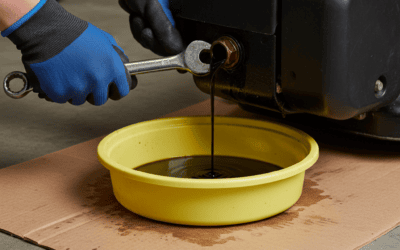
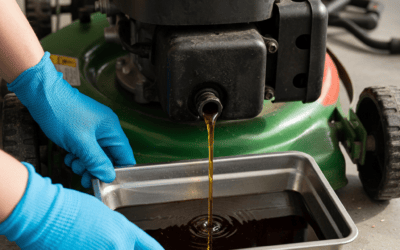
- Position the drain pan: Place your drain pan directly beneath the drain plug to catch all oil. Oil is slippery—position it carefully to avoid splashing.
- Loosen the drain plug: Using the appropriate wrench or socket, gently loosen the drain plug by turning it counterclockwise. Don’t remove it completely yet.
- Remove the drain plug by hand: Once loosened, carefully unscrew it by hand. Be cautious even if the engine is cool—residual warmth may remain, and oil can still drip on your hands.
- Allow complete drainage: Let the oil drain for 5-10 minutes. Tilting the mower slightly (if safe and appropriate for your model) can help ensure all oil flows out.
- Clean the drain plug: While waiting for drainage, wipe the drain plug clean with a rag. Inspect the washer (a small rubber or metal ring) for cracks or damage. If it’s worn, replace it when reinstalling.
- Verify complete drainage: Once flow has stopped completely, the drain is finished. Don’t leave the mower unattended during this process.
Reinstalling the Drain Plug and Refilling
Reinstalling the drain plug: After oil has fully drained, carefully reinsert the drain plug by hand to avoid cross-threading. Once hand-tight, use your wrench to tighten it firmly—but not excessively. Over-tightening can strip the threads or crack the plug. Most manufacturers recommend a snug fit without excessive force.
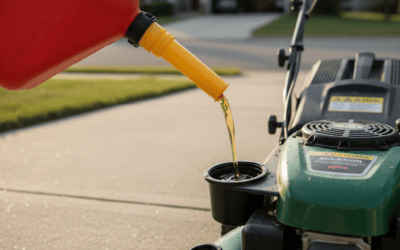
Replacing the oil: Consult your owner’s manual for the correct oil type and viscosity (typically 10W-30 or 15W-40 for most lawn mowers). Remove the oil filler cap on top of the engine and pour fresh oil slowly into the opening.
Checking the oil level: After adding oil, wait a minute, then remove the dipstick and wipe it clean. Reinsert it fully, then remove it again to check the level. Add oil in small increments until the level reaches the “full” mark on the dipstick. Overfilling can cause engine damage.
Reinstall the oil filler cap: Screw it back on securely to prevent dust and debris from entering the engine.
Proper Disposal of Used Lawn Mower Oil
Never pour used oil down the drain, into the ground, or in the trash. Used motor oil is an environmental hazard that contaminates soil and water supplies. Proper disposal is both an environmental responsibility and a legal requirement in most areas.
Disposal options:
- Local recycling centers: Most communities operate recycling centers that accept used motor oil for free or a small fee. Search online for “motor oil recycling near me” to find nearby facilities.
- Automotive service shops: Many auto repair shops, tire retailers, and quick-lube facilities accept used oil from the public. Call ahead to confirm.
- Hazardous waste collection events: Many municipalities host seasonal hazardous waste collection days. Contact your local waste management department for schedules.
- Oil collection containers: Store used oil in a clean, sealed container (never in food or beverage containers). Label it clearly as “used motor oil” to prevent accidental misuse.
Mower Type Variations: Key Differences
| Mower Type | Access Considerations | Special Precautions |
|---|---|---|
| Push Mower | Drain plug may require careful tipping of mower; check manual for correct tipping direction | Protect carburetor and air filter; use level surfaces only |
| Riding Mower | Drain plug typically accessible from underneath; may require safe lifting with jack and support blocks | Always use jack stands; never work under unsupported mower |
| Zero-Turn Mower | Similar to riding mowers; drain plug underneath engine | Follow manufacturer lifting instructions; access varies by model |
Frequently Asked Questions
How often should I drain and change my lawn mower’s oil?
Most manufacturers recommend changing oil every 50 hours of operation or once per season, whichever comes first. If you use your mower heavily (more than 2-3 times per week during cutting season), consider changing oil more frequently. Always consult your owner’s manual for specific recommendations for your model.
Can I drain my lawn mower oil while the engine is warm?
While warm oil flows more easily than cold oil, it’s safest to let the engine cool for at least 5-10 minutes before draining. Hot oil can cause severe burns. If you want faster drainage, wait 15-20 minutes for a cooler temperature that still allows reasonable flow without burn risk.
What type of oil should I use for my lawn mower?
Your owner’s manual specifies the correct oil type and viscosity for your mower. Common choices are 10W-30, 15W-40, or SAE 30. Don’t use car motor oil in your mower unless your manual explicitly permits it—lawn mower engines have different requirements. Always use the grade recommended by your manufacturer.
What if I can’t find a recycling center for used oil disposal?
Contact your local waste management department or environmental protection agency for guidance. Many areas offer hazardous waste collection services, or you can contact automotive service shops, which often accept used oil from the public. Never dispose of oil improperly—environmental fines can be substantial.
Final Tips for Success
Keep detailed maintenance records noting the date, hours of operation, and oil type used each time you drain and refill. This helps you stay on schedule and troubleshoot any performance issues. Store extra oil of the correct type in a cool, dry location for your next change. If you’re uncomfortable performing this maintenance yourself, a local lawn mower repair shop can handle the oil change for a modest fee, ensuring it’s done correctly and safely.