Direct Answer: Why Your Lawn Mower Won’t Start
A lawn mower fails to start most often due to fuel system problems (empty tank, stale gas, or clogged fuel filter), spark plug issues (fouled or damaged), or low oil levels triggering a safety shutoff. For electric mowers, a dead or improperly charged battery is the primary culprit. The fastest path to diagnosis is checking fuel first, then spark plug condition, then oil level—these three account for roughly 80% of starting failures.
Step 1: Determine Your Mower Type
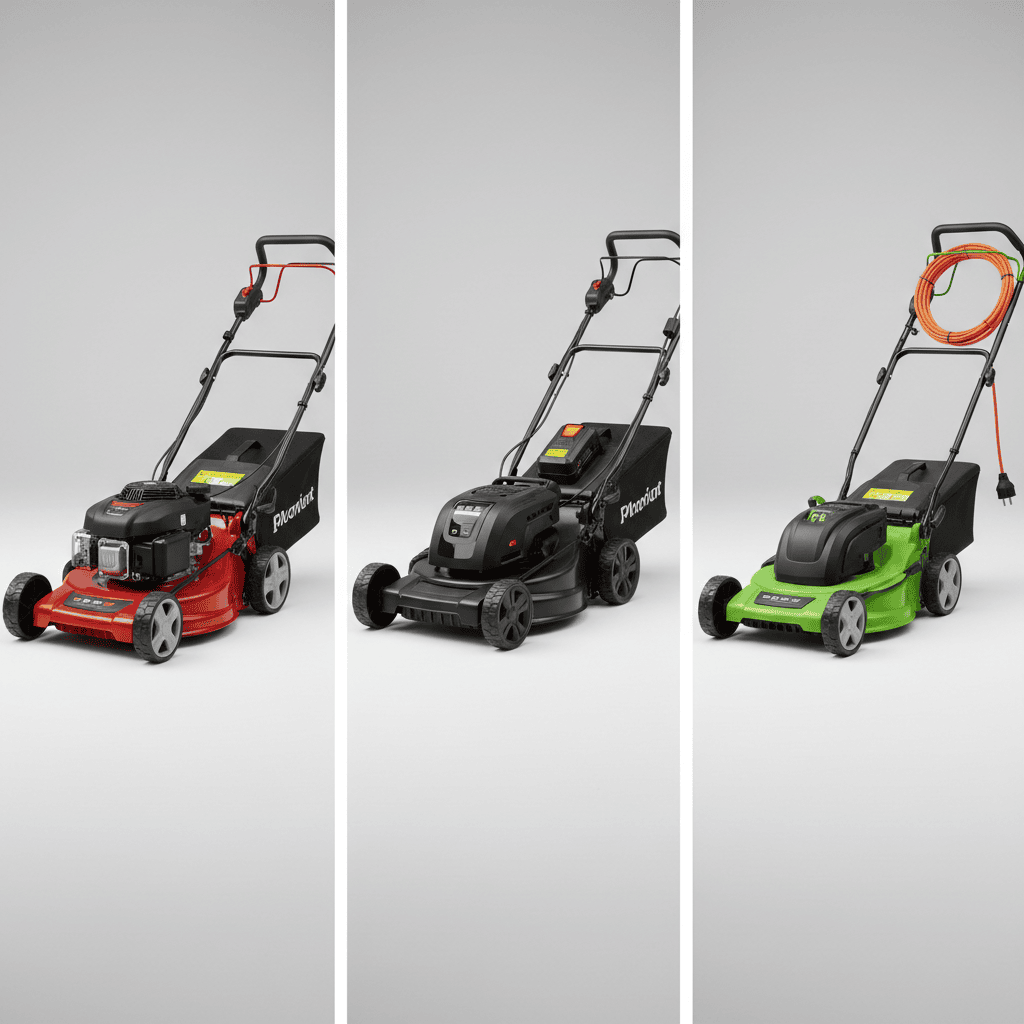
Gas and electric mowers have different troubleshooting paths. Identify yours first:
- Gas-powered mowers: Use an internal combustion engine and require fuel, spark, and compression to ignite.
- Electric mowers (cordless): Powered by rechargeable batteries; no fuel or spark plug involved.
- Electric mowers (corded): Plug directly into an outlet; troubleshooting focuses on power supply and cord integrity.
If your mower has been in storage for winter or several months, you’re likely dealing with fuel degradation (gas mowers) or battery discharge (electric mowers). Newly purchased mowers that won’t start typically have transport locks, missing oil, or dead batteries from the factory.
Gas Mower Troubleshooting: Fuel System Issues
Check Fuel Presence and Quality
Empty tank: The simplest culprit—verify the fuel gauge reads above empty. Some gauge needles stick or misread.
Stale gasoline: Fuel left sitting for more than 30 days begins to degrade, especially ethanol-blended fuel common in most U.S. gas stations. Stale fuel oxidizes, forms varnish deposits, and clogs the carburetor and fuel injectors. If your mower sat unused for the winter, spring, or fall, stale fuel is highly likely. The gas will smell sour or rancid rather than sharp and fresh.
Diagnosis: Open the fuel cap and smell the tank contents. If the odor is foul or the fuel looks brown or cloudy (rather than clear), drain the tank and replace with fresh fuel. Use a fuel siphon or drain plug to remove old gas safely into a container.
Fuel shutoff valve: Older mowers include a manual fuel valve. Verify it’s turned to the ON position. Check your mower’s manual for valve location.
Inspect the Fuel Filter
A clogged fuel filter blocks gas flow to the engine. If the fuel filter is opaque or dark-colored, it needs replacement. Most fuel filters are inexpensive ($5–$15) and take 5–10 minutes to swap out.
Diagnosis: Locate the fuel filter in the fuel line (usually a clear plastic cylinder between the tank and carburetor). Hold it up to light—you should see through it. If it looks dark or blocked, replace it with a manufacturer-specific filter.
Spark Plug Inspection and Replacement
The spark plug ignites the fuel-air mixture inside the engine. A fouled, corroded, or damaged spark plug prevents ignition.
How to Check Your Spark Plug
Most spark plugs are accessible without removing the engine cover. Follow these steps:
- Locate the spark plug wire (thick rubber boot connected to the top of the spark plug).
- Gently twist and pull the wire off the spark plug.
- Use a spark plug socket (available at any hardware store for $3–$8) and a ratchet wrench to unscrew the spark plug.
- Inspect the tip and electrode.
What a Bad Spark Plug Looks Like
| Condition | Appearance | Action |
|---|---|---|
| Normal | Light tan or brown tip, clean electrodes, proper gap | Reinstall and test |
| Fouled | Black soot coating, wet with fuel or oil | Replace immediately |
| Corroded | White or green crusty deposits on electrodes | Replace immediately |
| Damaged | Cracked porcelain, burnt tip, or electrode erosion | Replace immediately |
| Wet | Covered in oil or fuel but no soot buildup | Dry and test; consider carburetor inspection |
Replacement: Spark plugs typically need replacement every 100–300 hours of operation. They cost $5–$15 per plug. When installing a new spark plug, ensure the gap (distance between the center and side electrodes) matches your mower’s specifications—check the manual or the old plug for the correct gap measurement, usually 0.025–0.040 inches. Most new plugs come pre-gapped.
Oil Level and Engine Shutoff Sensors
Modern mowers include a low-oil safety shutoff that prevents the engine from starting if oil falls below the minimum level. This protects the engine from damage but can confuse owners who don’t realize it’s a safety feature rather than a malfunction.
Check Oil Level
Locate the oil dipstick (usually a yellow or orange loop handle on the side of the engine):
- Pull the dipstick completely out.
- Wipe it clean with a rag.
- Reinsert it fully, then withdraw it again to check the level.
- Oil should reach the mark between MIN and MAX on the stick.
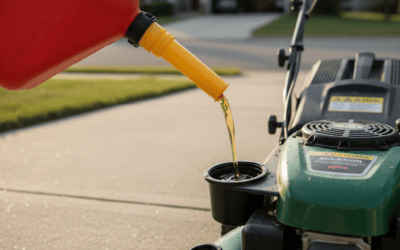
If oil is low: Add the correct oil type for your mower (typically SAE 30 for warm climates or 10W-30 for mixed climates). Check your manual for exact specifications. Add slowly and recheck the dipstick to avoid overfilling.
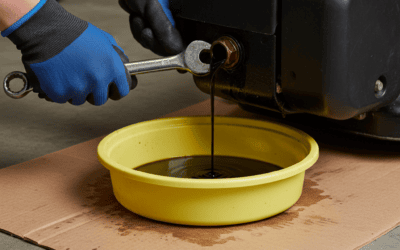
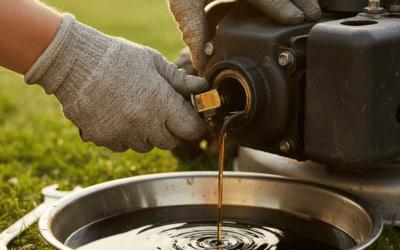
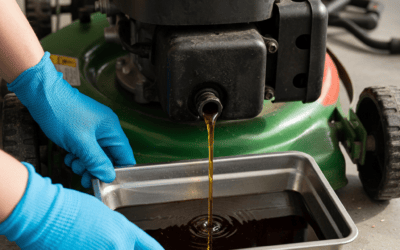
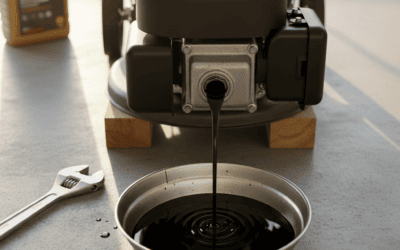
If oil is dark or dirty: A mower that’s been running should have an oil change roughly every 50 hours of operation or annually, whichever comes first. Dirty oil can contribute to starting issues and engine wear. Drain the old oil into a container, replace the oil filter if present, and add fresh oil.
Electric Mower Troubleshooting: Battery and Power
Cordless Electric Mowers
Battery charge: The most common issue is a fully discharged battery. Charge the battery for the full recommended time—typically 30 minutes to 1 hour depending on the model. Some chargers have indicator lights; wait until the light shows fully charged.
Battery connections: Verify the battery is fully seated in the mower. If the battery snaps on or slides into a slot, ensure it clicks or locks completely. Check both the battery terminals and the mower’s charging contacts for corrosion (white or green crusty buildup). Clean corroded terminals with a dry cloth or a pencil eraser.
Charger malfunction: If the charger light doesn’t indicate charging, the charger may be faulty. Test by plugging the charger into a different outlet to rule out outlet issues. If the charger still doesn’t respond, it likely needs replacement.
Cold temperature discharge: Lithium-ion batteries lose charge efficiency in cold temperatures. If your mower was stored in a garage or shed during winter and won’t start in cold weather, bring the battery indoors to room temperature, charge it fully, and try again.
Corded Electric Mowers
Outlet power: Plug a different device (lamp, phone charger) into the outlet to verify it’s working. If the outlet is dead, try a different outlet or circuit.
Cord integrity: Inspect the entire cord for cuts, cracks, or damage to the insulation. If the cord is damaged, do not use the mower—it’s a shock hazard. The cord will need replacement.
Outlet type: Corded mowers must use a GFCI (ground-fault circuit interrupter) outlet, which is common in garages and outdoor spaces. If the GFCI outlet is tripped (usually indicated by a red button), press the reset button (typically black) to restore power.
Carburetor and Air Filter Issues
After fuel, spark plug, and oil checks, attention turns to the carburetor and air filter, which are common culprits for mowers that have been stored seasonally.
Air Filter Inspection
A dirty or clogged air filter restricts the flow of oxygen to the engine, which prevents proper combustion. Air filters are usually easy to access:
- Locate the air filter housing (a large plastic box on or near the top of the engine).
- Unclip or unscrew the cover to expose the filter.
- Remove the filter and hold it up to light.
- If the filter is dark, dense with debris, or visibly clogged, it needs cleaning or replacement.
Cleaning vs. replacement: Foam filters can sometimes be cleaned by gently tapping out dust into a trash can or rinsing with water (dry completely before reinstalling). Paper filters should be replaced rather than washed. Replacement filters cost $10–$25.
Carburetor Blockage
The carburetor mixes fuel and air. If a mower sits unused for months, ethanol-blended fuel evaporates and leaves behind sticky varnish deposits that clog the carburetor jets and passages. This is the primary reason mowers won’t start after winter storage.
Signs of carburetor blockage: The mower cranks but won’t turn over, or it starts briefly then dies. You may also smell fuel but see no fuel reaching the spark plug area.
DIY cleaning: Carburetor cleaning kits are available at hardware stores for $10–$20. These kits include carburetor cleaner spray that dissolves varnish. Instructions typically involve spraying cleaner into fuel jets and passages. However, complete carburetor removal and detailed cleaning is more involved and may require mower disassembly. If you’re not mechanically inclined, this is a good point to seek professional service.
Prevention: To avoid carburetor issues, either drain the fuel tank before storing a mower for winter, or add fuel stabilizer to the tank before storage. Fuel stabilizer prevents varnish formation and keeps fuel fresh for several months.
Less Common Causes
Damaged recoil starter: If the pull cord feels stiff, won’t retract, or snaps, the recoil starter spring is damaged and requires professional replacement.
Flooded engine: If you’ve pulled the cord many times in succession, the engine may be flooded with excess fuel. Remove the spark plug, wait 10 minutes to allow fuel to evaporate, and try again with the spark plug reinstalled.
Clogged fuel line: The rubber fuel line can crack, clog, or become blocked by debris. This is less common but can occur in older mowers. The fuel line connects the tank to the carburetor and may need replacement.
Governor malfunction: Some mowers have a governor that regulates engine speed. If the governor cable is disconnected or stuck, the engine may not start. Check that any visible cables connected to the carburetor are secure and move freely.
When to Seek Professional Service
Call a lawn mower repair professional if:
- All basic checks (fuel, spark plug, oil, battery) are completed and the mower still won’t start.
- The carburetor requires complete disassembly and internal cleaning.
- The mower has a damaged recoil starter, broken pull cord, or other mechanical damage.
- The mower is still under warranty and you want to preserve coverage.
- You lack the tools, confidence, or time to perform repairs yourself.
Professional mower repair shops charge diagnostic fees ($25–$75) plus labor and parts. For older mowers, assess whether repair cost is justified by the mower’s remaining useful life.
Maintenance Tips to Prevent Future Starting Problems
- Use fresh fuel: Replace fuel every 30 days if the mower won’t be used.
- Change the spark plug annually: A preventive change keeps the engine igniting reliably.
- Check oil before each use: Low oil is easy to miss and causes safety shutoff failures.
- Clean or replace the air filter seasonally: A clean filter ensures proper engine breathing.
- Drain fuel or add stabilizer before storage: This prevents carburetor varnish buildup.
- Store the mower in a dry location: Moisture can corrode fuel system components and battery terminals.
Frequently Asked Questions
How long can gas sit in a lawn mower before it goes bad?
Gasoline begins to degrade after 30 days of storage, especially ethanol-blended fuel common in the U.S. After 90 days, fuel has typically oxidized enough to form varnish deposits that clog the carburetor and fuel filter. If your mower’s fuel has been sitting longer than a month, drain it and replace it with fresh gas. For winter storage lasting months, either drain the tank completely or add fuel stabilizer before storage.
Can you start a lawn mower with old spark plugs?
Yes, if the spark plug is only mildly fouled or corroded, it may still generate a spark, though less reliably. However, a heavily fouled, cracked, or damaged spark plug cannot produce a strong enough spark to ignite fuel, so the engine won’t start. Spark plugs are inexpensive ($5–$15), so replacement is the fastest solution. A new spark plug also ensures consistent starting and reliable engine performance.
Will a lawn mower start if the oil is too low?
Modern mowers have a low-oil safety sensor that prevents the engine from starting if oil drops below the minimum level. This protects the engine from damage caused by lack of lubrication. If your mower cranks but won’t start, check the oil dipstick—if the level is below the MIN mark, add oil and try again. The mower should start once oil reaches the proper level.
Why does my electric lawn mower battery drain so fast?
Battery drain occurs due to several factors: cold temperatures reduce battery efficiency; the charger may not be working properly or may need a full charge cycle; the battery may be old or degraded (lithium-ion batteries lose capacity after hundreds of charge cycles); or the mower’s motor may be drawing excessive current due to blade resistance or worn bearings. Charge the battery indoors at room temperature for the full recommended time. If the battery still drains quickly after full charging, the battery may need replacement.