
Where to Get Mower Blades Sharpened: Quick Answer
Mower blades can be sharpened at: Local lawn equipment dealers and small engine repair shops (fastest and most specialized option), hardware stores with blade sharpening services, professional landscaping supply companies, or through mail-in sharpening services. For budget-conscious owners, DIY sharpening using a metal file or angle grinder is also an option. Your choice depends on convenience, cost preferences, and whether you own residential or commercial equipment.
Local Options for Professional Blade Sharpening
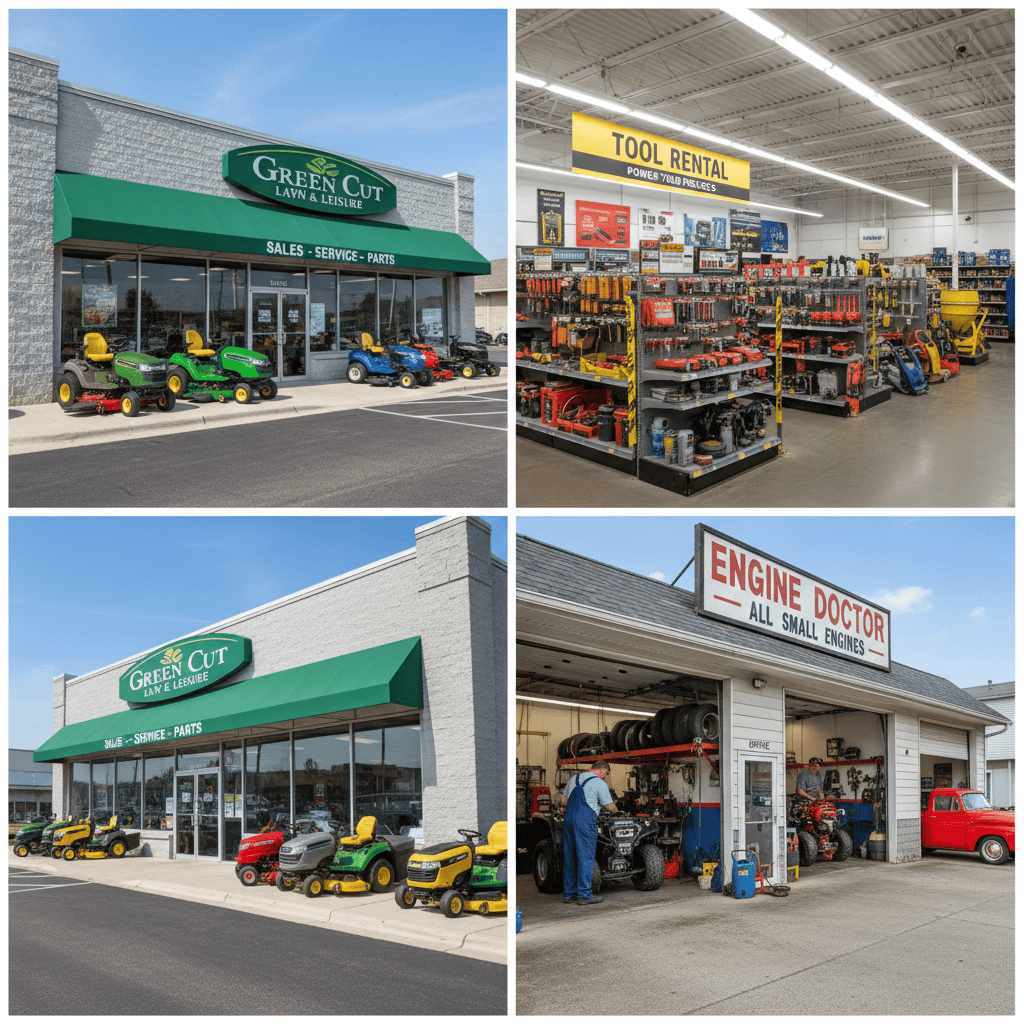
The most convenient way to get mower blades sharpened is through local service providers in your area. These businesses typically offer fast turnaround times, fair pricing, and the ability to assess whether your blades need sharpening or replacement.
Lawn Equipment Dealers and Service Centers
Local lawn equipment dealers are the primary source for blade sharpening services. These retailers specialize in lawn mowers, tractors, and outdoor power equipment, making them ideal for blade maintenance. Many offer:
- Professional blade sharpening using industrial equipment
- Blade balancing to prevent vibration and engine damage
- Assessment of blade damage and replacement recommendations
- Quick turnaround times (often same-day or within 24-48 hours)
- Additional maintenance services like oil changes and filter replacements
To find lawn equipment dealers near you, search online for “lawn mower repair near me” or “lawn equipment service” in your area. Call ahead to confirm they offer sharpening services and ask about pricing and turnaround times.
Hardware Stores with Blade Sharpening
Many national and local hardware stores offer blade sharpening services, particularly larger chains with tool rental and repair departments. Not all locations provide this service, so contact your nearest store to confirm availability. Some hardware stores may partner with local service providers to handle sharpening on-site or through drop-off arrangements.
Small Engine Repair Shops
Independent small engine repair specialists are excellent options for blade sharpening. These shops service lawn mowers, leaf blowers, chainsaws, and other equipment, giving them expertise in blade maintenance. Many small engine shops can:
- Sharpen blades while performing seasonal maintenance
- Identify blade damage that requires replacement
- Provide professional evaluation of mower condition
- Offer flexible scheduling and often competitive pricing
Professional Landscaping Supply Companies
Landscaping supply businesses that serve commercial clients often offer blade sharpening to residential customers as well. These facilities typically have industrial-grade sharpening equipment and experienced technicians. They may focus on commercial equipment but can service residential mowers. To compare alternative configurations, check our hands-on review of z890 vs x870e motherboard.
Small Engine Repair Shops and Service Centers
Small engine repair shops deserve special attention as service providers because they combine expertise, equipment quality, and accessibility. These businesses focus exclusively on outdoor power equipment maintenance and repair.
Why Choose Small Engine Repair Shops
Small engine shops offer several advantages for blade sharpening: Users looking for related component recommendations can explore our marshall stanmore iii vs harman kardon onyx studio 8 breakdown.
- Specialized Knowledge: Technicians understand mower-specific requirements and can assess overall equipment health
- Quality Equipment: Professional sharpening equipment ensures precision and proper blade balance
- Comprehensive Service: While sharpening your blades, they can identify other maintenance needs like spark plug replacement or air filter cleaning
- Fair Pricing: Independent shops often offer competitive rates without large overhead costs
- Flexible Options: Many small shops accommodate rush orders or seasonal demand
What to Expect at Service Centers
When you bring blades to a professional service center, expect the following process:
- Inspection: Technicians examine blades for damage, rust, or excessive wear
- Assessment: They determine if sharpening is appropriate or if replacement is necessary
- Sharpening: Blades are sharpened using professional equipment to maintain proper angle and balance
- Balance Check: Balanced blades prevent vibration and protect your mower’s engine
- Return: You receive sharpened blades ready to install, usually within 24-48 hours
Most service centers charge between $10-$20 per blade for sharpening, though prices vary by location and blade condition. Some shops may offer package deals if you have multiple blades or combine services. Before finalizing equipment decisions, refer to our comprehensive dyson v8 cyclone vs bissell featherweight stick comparison.
Mail-In and Online Sharpening Services
For readers without access to local sharpening services or those who prefer the convenience of mail-in options, online blade sharpening services provide an alternative solution.
How Online Blade Sharpening Works
Mail-in sharpening services operate on a simple model: For broader ecosystem context, read through our operational guide on bissell crosswave hydrosteam vs shark stainforce.
- Remove blades from your mower and place them in protective packaging
- Ship blades to the service provider’s facility (you typically cover shipping)
- The service sharpens, balances, and inspects your blades
- Blades are returned via mail, usually within 5-10 business days
- You reinstall sharpened blades on your mower
Shipping Considerations and Timeline
When using mail-in services, consider:
- Shipping Costs: Round-trip shipping may add $15-$30 to the service cost, making it less economical for single-blade sharpening
- Processing Time: Service typically takes 5-10 business days plus shipping time, so plan ahead
- Seasonal Delays: During peak lawn care seasons (spring and early summer), turnaround times may extend
- Packaging: Proper packaging prevents damage during transit; some services provide prepaid shipping labels
Cost-Competitiveness of Mail-In Services
Mail-in sharpening typically costs $12-$25 per blade plus shipping. While competitive with local options on sharpening cost alone, total cost including shipping may be higher. These services are most cost-effective for owners with:
- No local sharpening options available
- Multiple blades requiring sharpening
- Commercial or specialty equipment
- Time to plan ahead rather than urgent sharpening needs
DIY Blade Sharpening: Tools and Safety Considerations
For those comfortable with basic mechanical work and tool use, sharpening mower blades at home is a viable option that saves on service costs.
Tools Required for Home Sharpening
To sharpen mower blades yourself, you’ll need:
- Metal File: A 10-inch flat or mill file is the most basic tool; requires manual effort but minimal equipment investment
- Angle Grinder (Optional): Faster than filing but requires more skill and safety precautions
- Socket Wrench Set: For removing and reinstalling blades on your mower
- Blade Balancer or Improvised Balance Check: Professional balancers cost $20-$50, or you can improvise with a nail and wooden stand
- Safety Gear: Eye protection, work gloves, and dust mask are essential
- Work Surface: Sturdy bench or table for holding blades during sharpening
Step-by-Step DIY Sharpening Process
The basic process involves:
- Safety First: Disconnect spark plug wires and drain fuel to prevent accidental engine start
- Blade Removal: Using socket wrenches, carefully remove blades from the mower deck
- Inspection: Examine blades for cracks, bends, or excessive damage; if present, consider replacement instead
- Marking: Mark the bottom of each blade so you reinstall it correctly (same side must face down)
- Sharpening: File or grind the cutting edge at the same angle on both ends of the blade (typically 30-45 degrees)
- Equal Sharpening: Sharpen both ends equally to maintain blade balance
- Balance Check: Hang the blade on a nail or balancer to ensure it’s level; unbalanced blades cause vibration and engine damage
- Reinstallation: Carefully reinstall blades, ensuring the marked side faces downward
Critical Safety Precautions for DIY Sharpening
Before attempting DIY sharpening, understand these safety requirements:
- Always Disconnect Spark Plugs: This prevents accidental engine ignition while blades are removed
- Wear Protective Gear: Eye protection is mandatory; gloves and dust masks protect against metal particles
- Secure the Blade: Use a vise or clamp to hold the blade steady; never hold it by hand while sharpening
- Understand Blade Angles: Incorrect angles reduce cutting efficiency or damage the blade
- Never Skip Balancing: Unbalanced blades cause excessive vibration that damages your mower’s crankshaft and engine bearings
- Know Your Limits: If you’re uncomfortable with power tools or mechanical work, professional service is safer and worth the cost
Recommended Frequency for Blade Sharpening
Regardless of your sharpening method, proper maintenance intervals extend blade life and mower performance. Sharp blades cut cleanly without tearing grass, which reduces disease susceptibility and improves lawn appearance. Sharpen blades:
- Every 20-50 hours of mowing, depending on grass type and mowing conditions
- At the start of each mowing season (spring)
- Mid-season if you mow frequently (twice weekly or more)
- Immediately if you notice uneven cutting or increased vibration
Factors to Consider When Choosing a Sharpening Service
Several factors should influence your decision about where and how to sharpen your mower blades.
Cost Comparison
Consider the total cost of each option:
- Local Professional Service: $10-$20 per blade; fastest but may require travel
- Mail-In Service: $12-$25 per blade plus $15-$30 shipping; good for multiple blades
- DIY with File: $20-$40 one-time tool investment; free ongoing; requires time and skill
- DIY with Angle Grinder: $50-$150 equipment investment; fastest DIY method but steeper learning curve
Convenience and Turnaround Time
Evaluate your mowing schedule and urgency:
- If you need blades sharpened before your next mowing session, local professional service is fastest (24-48 hours)
- If you plan ahead seasonally, mail-in services work well despite longer timelines
- DIY sharpening offers convenience if you have free time and comfort with tools
Residential vs. Commercial Mower Considerations
Your mower type affects service availability and cost:
- Residential Push or Ride-On Mowers: Widely serviced by local shops and mail-in providers; standard pricing applies
- Commercial or Zero-Turn Mowers: May require specialized service from commercial landscaping equipment dealers; pricing may be higher
- Specialty Equipment: Mulching mowers, rotary cutters, or commercial grades may need specialized service providers
Blade Condition Assessment
Professional service providers can identify whether sharpening is appropriate or if replacement is necessary. Replace blades instead of sharpening if:
- Blades are cracked, split, or bent
- Rust damage is extensive
- Blades have collision damage from rocks or debris
- Blade material is worn too thin to sharpen safely
Preparing Blades for Professional Sharpening
If you choose professional service, prepare your blades properly:
- Clean blades: Remove grass, dirt, and debris before dropping off
- Disconnect safely: Never transport blades while attached to a running mower
- Protective packaging: Wrap sharp edges in cardboard or cloth to prevent injury during transport
- Provide information: Tell the service provider your mower model and any specific issues
- Plan ahead: Don’t wait until the night before mowing; allow time for service completion
Buyer FAQs: Where To Get Mower Blades Sharpened Solved
How often should I sharpen my mower blades?
Sharpen mower blades every 20-50 hours of mowing, depending on grass type and mowing conditions. For typical residential use (weekly mowing), this means sharpening every 4-6 months during the mowing season. If you mow more frequently or on rocky terrain with debris, sharpen every 3-4 weeks. Start each mowing season with freshly sharpened blades and check mid-season if you notice uneven cutting, increased vibration, or rougher grass appearance.
How much does professional mower blade sharpening cost?
Professional blade sharpening typically costs $10-$20 per blade at local service providers. Most residential mowers have one or two blades, so total cost ranges from $10-$40 for a complete sharpening. Small engine repair shops and lawn equipment dealers often offer the best pricing. Some shops provide package deals if you combine sharpening with other maintenance services or have multiple blades. Always call ahead to confirm pricing and whether they offer additional services like blade balancing.
Can I sharpen my mower blades myself, and is it safe?
Yes, you can sharpen mower blades at home using a metal file or angle grinder, but safety is critical. Always disconnect spark plug wires before removing blades to prevent accidental engine start. Wear eye protection, gloves, and a dust mask to protect against metal particles. Secure the blade in a vise or clamp, never hold it by hand while sharpening. The most important step is balancing the blade after sharpening; unbalanced blades cause dangerous vibration that damages your mower’s crankshaft. If you’re uncomfortable with power tools or mechanical work, professional service is safer and worth the cost.
What’s the difference between blade sharpening and blade replacement?
Sharpening restores a dull blade’s cutting edge, while replacement means installing a new blade. Sharpen blades when they’re dull but undamaged, this extends blade life and saves money. Replace blades if they’re cracked, split, bent, heavily rusted, or too thin to sharpen safely. Professional service providers can assess whether your blades need sharpening or replacement. Most residential blades sharpen well 5-10 times before replacement becomes necessary. A new residential mower blade typically costs $20-$50, so sharpening at $10-$20 per blade offers significant savings.
Summary: Making Your Decision
Choosing where to get mower blades sharpened depends on your priorities, skills, and circumstances. For most homeowners, local lawn equipment dealers and small engine repair shops offer the best combination of quality, convenience, and fair pricing. If you lack local options or prefer scheduling flexibility, mail-in services provide reliable alternatives despite longer turnaround times. DIY sharpening suits budget-conscious owners with mechanical comfort and time to learn proper techniques, though professional service eliminates safety risks and ensures proper blade balancing.
Regardless of your choice, maintain a regular sharpening schedule, every 20-50 hours of mowing, to keep your lawn healthy and your mower running efficiently. Sharp blades cut cleanly, improve lawn appearance, reduce disease susceptibility, and protect your equipment from unnecessary strain. Start by finding your nearest local service provider, calling ahead to confirm services and pricing, and planning your maintenance before each mowing season begins.
Finding a Sharpening Service Nearby
Local equipment dealers, landscaping suppliers, and some auto shops will sharpen mower blades on request. Calling ahead to confirm pricing and pickup times can save a wasted trip. For general safety background when removing blades, see American National Standards Institute (ANSI).