Direct Answer
To mow a lawn effectively, clear debris first, set your mower blade to 2.5–3.5 inches depending on grass type, and mow in straight overlapping rows at a steady pace. Mow when grass is dry (ideally mid-morning), typically once weekly during the growing season, and always wear closed-toe shoes, eye protection, and long pants.
Understanding Your Lawn Mowing Equipment
Before you start mowing, you need to know what equipment options are available and which fits your situation.
Types of Lawn Mowers
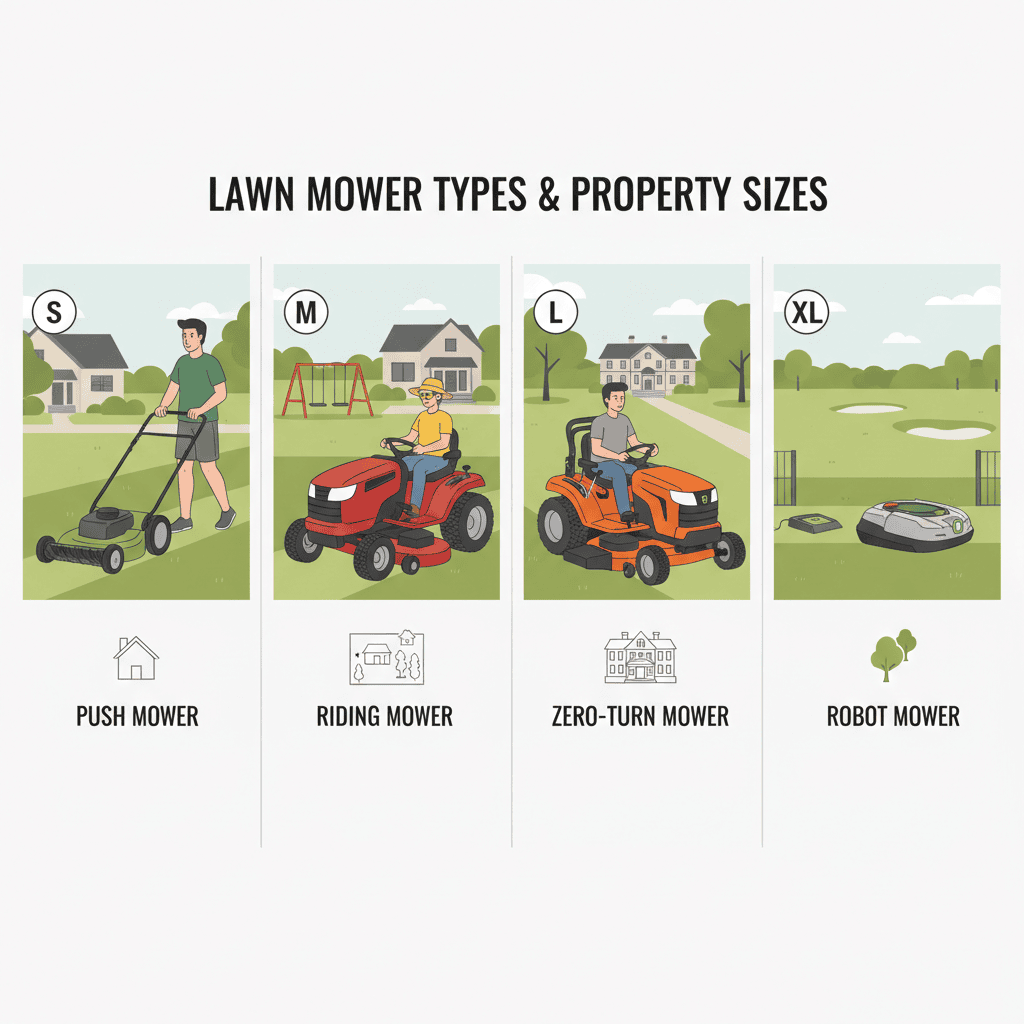
The main equipment categories are:
- Push mowers – Manual or gas-powered. Best for small to medium lawns (under 1 acre). Lightweight and affordable, but require physical effort.
- Riding mowers – Gas or electric. Ideal for larger properties (1+ acres). More expensive but less physically demanding.
- Zero-turn mowers – Premium riding mowers with independent wheel controls. Best for complex landscapes with obstacles.
- Robot mowers – Autonomous models that operate on a schedule. Convenient but expensive and limited to flat terrain.
For most homeowners with small to medium lawns, a push mower (gas or electric) offers the best balance of cost, control, and effectiveness.
Essential Pre-Mowing Equipment and Checks
Before each mowing session, verify:
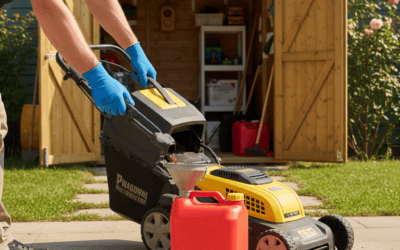
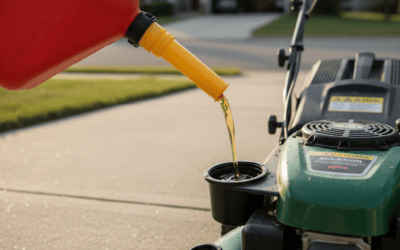
- Fuel level – Check gas tank; top up if needed.
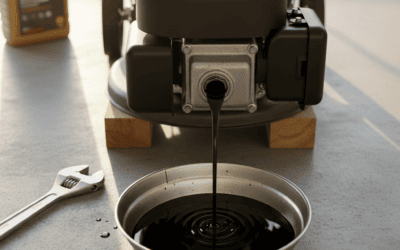
- Oil level – Dipstick should show oil within the marked range.
- Blade condition – Look for damage or excessive wear. Dull blades tear grass instead of cutting cleanly.
- Air filter – Visually inspect; replace if clogged with debris.
- Tire pressure – On riding mowers, ensure tires are inflated to manufacturer specifications.
Pre-Mowing Preparation and Safety
Safety Gear
Always wear:
- Closed-toe shoes or steel-toed boots
- Long pants or jeans (protects legs from flying debris)
- Eye protection (safety glasses or a face shield)
- Hearing protection (for gas mowers, which produce 85–90 dB)
- Gloves (optional, but helpful for handling equipment)
Never wear loose clothing, sandals, or flip-flops. Long hair should be tied back. Keep children and pets away from the mowing area.
Preparing Your Lawn
Before starting the mower:
- Remove debris – Walk the perimeter and remove sticks, stones, toys, and any objects that could damage the blade or become projectiles.
- Inspect for hazards – Look for holes, uneven ground, or obstacles like garden hoses or extension cords.
- Check grass moisture – Mow when grass is dry. Wet grass clumps, clogs the deck, and can cause traction issues.
- Mark fixed obstacles – Mentally note trees, sprinkler heads, or garden beds to avoid them.
Setting Blade Height and Cutting Frequency
Optimal Blade Height by Grass Type
The ideal blade height depends on your grass species:
| Grass Type | Cutting Height |
| Fescue, bluegrass (cool-season) | 2.5–3.5 inches |
| Bermuda, zoysia (warm-season) | 1–2 inches |
| St. Augustine grass | 2–3 inches |
| Buffalo grass | 2.5–3.5 inches |
When adjusting blade height, do so before starting the mower on level ground. Most mowers have adjustment knobs or levers on each wheel; make sure all four are set to the same height for an even cut. Check your owner’s manual for specific adjustment procedures.
Mowing Frequency
During the active growing season (typically spring and early summer), mow once every 7–10 days. This follows the “one-third rule”: never remove more than one-third of the grass blade in a single cutting. Cutting more than this stresses the plant and weakens root development.
Frequency varies by season:
- Spring – Weekly as growth accelerates
- Summer – Weekly or bi-weekly depending on rainfall and heat
- Fall – Weekly early fall, then reduce frequency as growth slows
- Winter – Stop mowing when grass goes dormant (varies by region)
Step-by-Step Mowing Technique
Mowing Patterns
Two effective patterns are recommended:
- Straight rows (striped pattern) – Start at one end and mow in parallel lines, slightly overlapping each pass (about 2 inches). This creates a professional appearance and ensures complete coverage. Works best for rectangular lawns.
- Spiral pattern – Start at the perimeter and work toward the center in concentric circles. Reduces operator fatigue on large lawns and works well for irregular shapes.
Vary your pattern weekly to prevent soil compaction and uneven wear in the same areas.
Operating the Mower
- Start on level ground – Never start on a slope; push mowers can tip.
- Maintain steady speed – Walk at a natural pace; don’t rush. Slow, deliberate passes cut more cleanly than fast ones.
- Overlap slightly – Each pass should overlap the previous one by 2–3 inches to avoid missing strips of grass.
- Handle slopes carefully – On push mowers, mow up and down slopes (not side to side) to reduce tipping risk. On riding mowers, mow across slopes at a shallow angle.
- Avoid scalping – Don’t cut grass shorter on slopes; set blade height for the lowest point and accept slightly taller grass on higher areas.
Mulching vs. Bagging
Mulching (leaving clippings on the lawn) returns nutrients to the soil and reduces fertilizer needs. It works well if you mow frequently and clippings are short. Longer clippings should be bagged to prevent clumping and matting.
Bagging collects clippings in a bin. Use this method if clippings are long, if you’re mowing infrequently, or if you need to remove debris from wet grass. Bagged clippings can be composted.
Mowing Conditions and Seasonal Timing
Best Time to Mow
Time of day – Mow mid-morning (9 AM–12 PM). Dew dries by then, but temperatures remain moderate, reducing heat stress on freshly cut grass.
Weather conditions – Mow only when grass is dry. Wet grass:
- Clumps and clogs the mower deck
- Is harder to cut cleanly (dull blades tear wet tissue)
- Increases disease risk by spreading fungal spores
- Reduces traction, especially on slopes
Avoid mowing during heavy rain, immediately after rainfall, or early morning when dew is present.
Seasonal Considerations
Spring – Begin mowing when grass reaches 3–4 inches in height. Do not scalp winter dormancy off. Increase frequency as temperatures warm.
Summer – During heat stress, raise blade height slightly (upper end of recommended range) to allow deeper root growth. Reduce frequency if drought conditions slow growth.
Fall – Continue weekly mowing until growth slows significantly. Mulch fallen leaves if they’re thin; bag if they’re thick and would smother grass.
Winter – Stop mowing when grass enters dormancy. In mild climates with year-round growth, mow less frequently at a higher blade setting.
Post-Mowing Care and Equipment Maintenance
Immediate Post-Mowing Tasks
- Clear the deck – After mowing, disconnect the spark plug wires and scrape dried grass from the mower deck using a wooden stick or plastic scraper. Never use metal tools, which can damage the deck.
- Cool down – Allow the mower to cool for 5–10 minutes before refueling or storing.
- Check for damage – Inspect the blade, deck, and wheels for damage or debris.
Routine Maintenance Schedule
After each use:
- Clean the deck and air intake
- Inspect the blade for damage
Every 50 hours of operation (or monthly during mowing season):
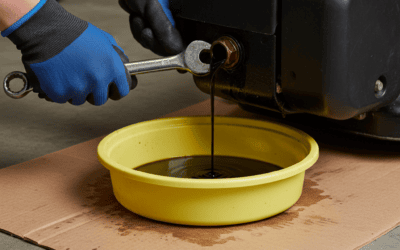
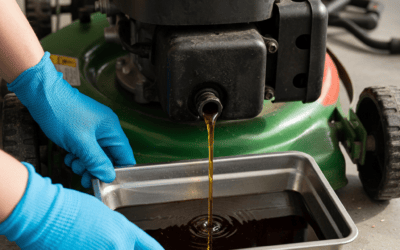
- Change the oil (for gas mowers)
- Inspect and clean the air filter
- Check fuel level and top up with fresh gas
Every 100 hours of operation (or seasonally):
- Sharpen the blade (dull blades tear grass; a sharp blade cuts cleanly)
- Inspect spark plugs and replace if worn
- Check and adjust blade height for accuracy
Annually (before and after mowing season):
- Replace the air filter
- Replace spark plugs
- Check tire pressure and condition
- Inspect belts and cables for wear
- Drain fuel (or run the mower dry) before winter storage to prevent fuel degradation
Blade Sharpening
A sharp blade cuts grass cleanly; a dull blade tears it, causing brown tips and inviting disease. Sharpen the blade every 20–25 hours of mowing (roughly every 6–8 weeks during season).
To sharpen: Disconnect the spark plug wires, tip the mower on its side (air filter up), and use a metal file to sharpen the blade at its original angle (typically 30–45 degrees). Maintain balance by removing the same amount of material from both ends. If severely damaged, replace the blade instead.
Frequently Asked Questions
How long does it take to mow a typical lawn?
For a push mower on a 0.25-acre lawn (roughly 10,000 sq ft), plan for 45–90 minutes depending on terrain, obstacles, and mowing pattern. Riding mowers typically take 30–60 minutes for the same area. Electric mowers may require charging breaks on larger lawns.
Can I mow in the evening?
It’s not ideal. Evening mowing (after 6 PM) leaves fresh cuts exposed to cooler temperatures and may increase disease risk. Additionally, evening dew makes grass harder to cut cleanly. Morning and midday mowing is preferable.
Should I mow before or after rainfall?
Always mow after the grass has dried (typically 24–48 hours after rain). Wet grass clumps, clogs the mower deck, is harder to cut cleanly, and increases traction issues on slopes. Mowing wet grass also spreads fungal diseases.
What should I do if my blade hits a rock?
Stop immediately, disconnect the spark plug wires, and inspect the blade for damage. Even small dents can cause vibration and uneven cutting. Sharpen or replace the blade as needed. Remove the rock and check the surrounding area for additional hazards before resuming.