How Long Does It Take to Mow the Lawn?
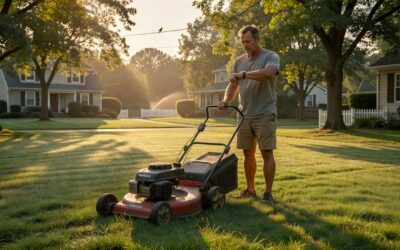
For most residential lawns, mowing takes 30 minutes to 2 hours. A quarter-acre lawn typically requires 30-45 minutes with a push mower, while a one-acre property takes 1.5-2 hours. Riding mowers can cut these times roughly in half. The actual duration depends on your lawn size, the type of mower you’re using, terrain complexity, and your experience level.
Factors That Affect Lawn Mowing Time
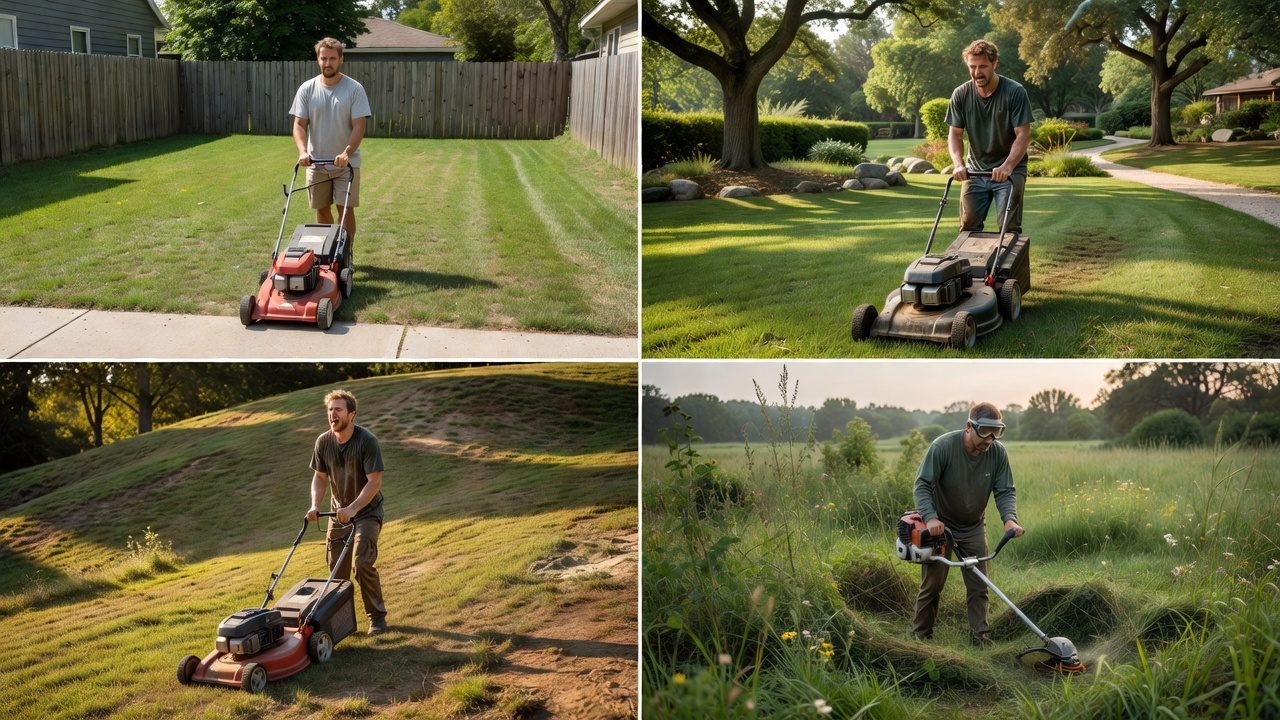
Several variables determine how long your specific lawn will take to mow:
- Lawn size: Larger properties naturally take more time. A small urban lot may take 20-30 minutes, while a sprawling suburban property could take 3+ hours.
- Mower type: Push mowers, self-propelled mowers, and riding mowers all have different speed capabilities and operator fatigue factors.
- Terrain: Flat lawns are faster to mow. Slopes, hills, and uneven ground slow you down and require more careful navigation.
- Obstacles: Trees, flower beds, garden edges, fences, and landscaping features require you to slow down and maneuver around them.
- Grass height: Tall, overgrown grass takes longer to cut than regularly maintained lawn. Extremely tall grass may require multiple passes.
- Grass condition: Wet grass clumps and is harder to cut, increasing mowing time. Dry conditions allow for faster, cleaner cuts.
- Operator experience: First-time mowers work more slowly and carefully. Experienced operators develop efficient patterns and maintain consistent speed.
- Mower maintenance: Dull blades and poorly maintained equipment slow down the process and require more passes.
Time Estimates by Lawn Size and Mower Type
| Lawn Size | Push Mower | Self-Propelled Mower | Riding Mower |
|---|---|---|---|
| Quarter-acre (≈10,890 sq ft) | 30-45 minutes | 20-30 minutes | 15-20 minutes |
| Half-acre (≈21,780 sq ft) | 60-90 minutes | 40-60 minutes | 25-35 minutes |
| Three-quarter acre (≈32,670 sq ft) | 90-120 minutes | 60-90 minutes | 35-50 minutes |
| One acre (≈43,560 sq ft) | 120-150 minutes | 80-110 minutes | 45-60 minutes |
| 1.5 acres (≈65,340 sq ft) | 180+ minutes | 120-150 minutes | 60-80 minutes |
These estimates assume relatively flat terrain with minimal obstacles and grass in normal condition. Times vary based on the factors listed above.
Push Mower vs. Self-Propelled Mower vs. Riding Mower
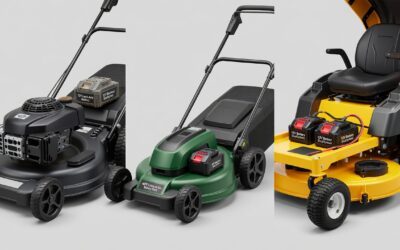
Push mowers are the slowest option because you provide all the force to move the mower forward. They’re ideal for small lawns under a quarter-acre but become exhausting on larger properties. A typical push mower moves at 2-3 mph with an 18-22 inch cutting deck.
Self-propelled mowers have a transmission that drives the wheels, so you only need to guide and control speed. They’re roughly 30-40% faster than push mowers and reduce operator fatigue significantly. These work well for lawns up to three-quarters of an acre.
Riding mowers are dramatically faster, typically completing large lawns in half the time of push mowers. They feature wider cutting decks (42-60 inches), allowing you to cover more ground with each pass. A riding mower travels at 4-6 mph, making them the choice for properties over one acre.
How Lawn Conditions Impact Mowing Duration
Grass Height
Mowing frequency affects duration. If you mow every week when grass reaches 2.5-3 inches, the process is quick and efficient. However, if grass grows tall between cuts, you’ll spend more time mowing. Extremely tall grass (over 4 inches) may require two passes—one at a higher blade setting to avoid clogging, then another at your desired height. This can double your mowing time.
Slopes and Hills
Uneven terrain slows you down considerably. On slopes, you must navigate carefully to avoid losing control or tipping. Hills can add 20-50% to your mowing time, depending on steepness and the size of your property. Very steep hills are unsafe for push mowers and may require a riding mower with good traction.
Trees, Flower Beds, and Obstacles
Each tree, garden bed, shed, or decorative feature requires you to slow down, navigate around it, and sometimes make multiple passes or hand-trim edges. A lawn with heavy landscaping can take 50-100% longer than an open lawn of the same size. Dense tree coverage also reduces visibility and maneuverability.
Wet Grass
Mowing wet grass is slower and harder on equipment. Wet grass clumps and can clog the mower deck, forcing you to stop and clean it out. Damp conditions also reduce traction, making it harder to maintain speed, especially on slopes. When possible, mow after the grass has dried from morning dew or rain, which typically happens mid-morning on clear days.
Blade Sharpness and Mower Maintenance
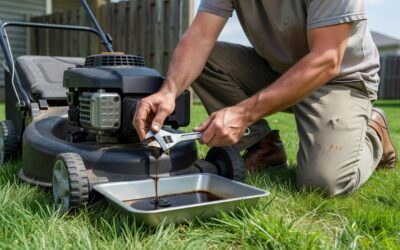
A dull blade tears grass instead of cutting it cleanly, requiring slower movement to avoid damaging the lawn. You may also need extra passes. Sharp blades cut efficiently and allow faster mowing. Regular maintenance—cleaning the deck, changing oil, and checking filters—keeps your mower running at peak speed.
Tips to Mow Your Lawn More Efficiently
Plan Your Mowing Pattern
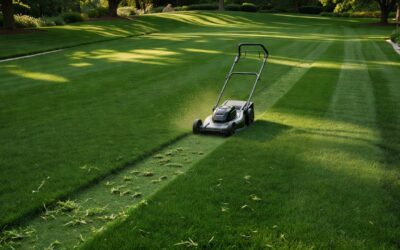
Use systematic mowing patterns to maximize efficiency. Spiral patterns (working from outside edges inward) or parallel lines minimize overlap and keep you moving steadily. Avoid random patterns that waste time and energy. For rectangular lawns, parallel lines are fastest. For irregular shapes, adapt your pattern to the property layout.
Mow on a Regular Schedule
Consistent weekly mowing keeps grass at an ideal height and takes less time overall than letting it grow tall between cuts. Most lawn experts recommend mowing when grass reaches about 3-3.5 inches tall, cutting no more than one-third of the blade height in a single session.
Choose the Right Time
Mow when grass is dry and the sun is low (early morning or late afternoon). Dry conditions improve cutting quality and speed. Afternoon heat can be exhausting if you’re operating a push mower. Avoid mowing during the hottest part of the day for your own comfort and safety.
Maintain Your Equipment
Sharpen blades every 20-25 hours of use. Check and clean the mower deck after each use to prevent buildup. Change the oil, replace filters, and perform seasonal maintenance according to your mower’s manual. Well-maintained equipment runs faster and more reliably.
Invest in the Right Mower for Your Space
If you have more than a half-acre, a self-propelled mower or riding mower is worth the investment. The time saved over a season often justifies the cost, and you’ll experience less fatigue. For very large properties or acreage, a riding mower or zero-turn mower becomes essential.
Frequently Asked Questions
How long does it take to mow a quarter-acre lawn?
A quarter-acre lawn typically takes 30-45 minutes with a push mower, 20-30 minutes with a self-propelled mower, and 15-20 minutes with a riding mower. Times vary based on terrain, obstacles, and how well the lawn is maintained.
How much faster is a riding mower than a push mower?
Riding mowers are roughly 50-60% faster than push mowers for the same lawn size. For a one-acre property, a push mower takes 120-150 minutes while a riding mower takes 45-60 minutes. The time savings increase with larger properties.
Does wet grass take longer to mow?
Yes, mowing wet grass takes significantly longer. Wet grass clumps, clogs the mower deck, and reduces traction, forcing you to stop frequently and work more slowly. Mow when grass is dry for best results and efficiency.
How does tall grass affect mowing time?
Tall, overgrown grass takes 20-50% longer to mow than regularly maintained lawn. Very tall grass may require two passes, doubling your time. Regular weekly mowing keeps grass at a manageable height and reduces overall mowing duration.
Is a self-propelled mower worth it for a small lawn?
For lawns under a quarter-acre, a push mower is usually sufficient. However, if you find push mowing tiring or have slight slopes, a self-propelled mower may be worth the extra cost. For lawns between a quarter and one acre, a self-propelled mower offers good value.