Quick Answer
You can dispose of an old lawn mower by donating it to community organizations or schools if it still works, taking it to a recycling center or scrap metal facility, scheduling curbside bulk waste pickup through your municipality, or hiring a junk removal service. The best option depends on whether the mower is functional, your location’s waste infrastructure, and your budget.
Assess Your Mower’s Condition First
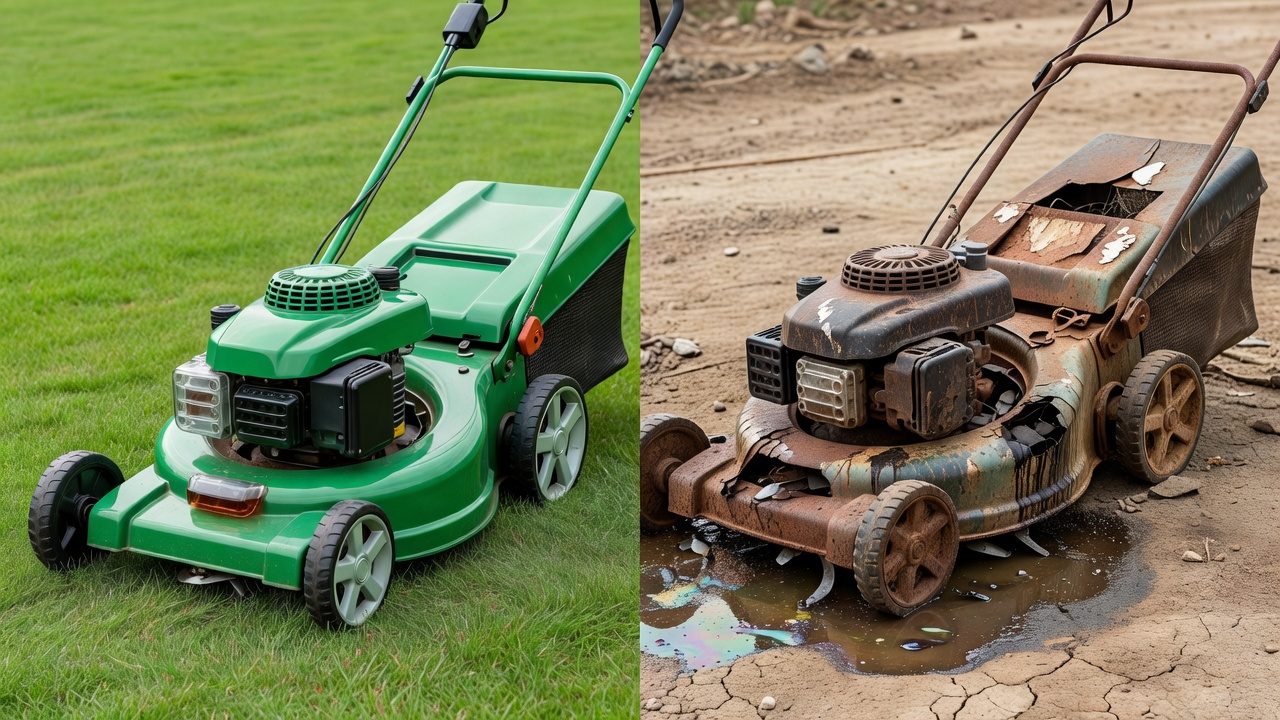
Before choosing a disposal method, evaluate your mower’s current state. This determines which pathways are available and which will be most efficient. A working mower opens different opportunities than a broken or non-functional one.
- Does it start and run? If the mower starts and operates normally, donation becomes viable. Test it by pulling the cord or turning the key to confirm it has life left.
- Are there visible leaks? Fuel or oil leaks indicate the mower may require hazardous waste disposal rather than standard recycling. Look beneath the mower for puddles or stains.
- How long has it been unused? Mowers that have sat for years may have stale fuel or seized engines. These are still recyclable but not suitable for donation.
- Is the deck rusted or damaged? Surface rust is cosmetic and doesn’t prevent donation, but structural damage to the deck or frame limits your options.
Free and Low-Cost Disposal Options
Start with the easiest and most affordable solutions before exploring paid services. Many communities offer free or minimal-cost disposal for bulky items like lawn equipment.
Municipal Curbside Bulk Waste Pickup
Most cities and towns offer seasonal or year-round bulk item pickup as part of waste management services. This is often free or included in your trash service fees.
- Contact your local waste management department or check your municipality’s website for schedules and rules.
- Typical policies allow one large item per household per pickup day, with weight limits ranging from 50 to 100 pounds.
- Place the mower at your curb on the designated day, following any specific placement instructions.
- Some communities require advance scheduling by phone or online portal, while others operate on fixed seasonal dates.
Find Your Local Waste Management Contact
Search “[your city] bulk waste pickup” or “[your county] trash service” online. Most municipalities list pickup schedules, size restrictions, and prohibited items. If you’re unsure, call your city’s public works department.
Donation Options for Working Lawn Mowers
If your mower still operates reliably, donation extends its life and helps others in your community. Many organizations accept lawn equipment if it’s in working condition.
Community Organizations and Schools
- School athletic and grounds programs often need equipment for field maintenance. Contact your local high school or community college athletic department.
- Parks and recreation departments may accept donations for public space maintenance. Call the department directly to ask.
- Community gardens and urban farms accept small to mid-size equipment. Search for community gardens in your area online.
- Boys and Girls Clubs and youth programs sometimes use donated equipment for training and maintenance projects.
Nonprofit Thrift Stores
Goodwill and the Salvation Army accept some lawn equipment, though policies vary by location. Call ahead to confirm they accept lawn mowers and arrange dropoff or pickup.
Online Donation and Community Platforms
- Facebook Marketplace has a “Free” section where you can list equipment for local pickup.
- Craigslist allows free listings in your area, attracting people actively seeking used equipment.
- Nextdoor connects you with immediate neighbors who may need a mower.
- Buy Nothing groups on Facebook are dedicated to free giving and receiving within neighborhoods.
Prepare Your Mower for Disposal
Before transferring your mower to any disposal method, complete these essential safety and environmental steps. Fuel and oil pose environmental and safety hazards if left in the equipment.
Drain Fuel Safely
- Run the mower until the fuel tank is nearly empty.
- Place the mower on a flat surface outdoors, away from ignition sources.
- Locate the fuel valve (typically on the side of the tank) and turn it to the “Off” position.
- Place a shallow container or pan beneath the fuel line connection.
- Disconnect the fuel line and allow remaining fuel to drain completely.
- Store drained fuel in an approved gas can, labeled and kept away from children and pets.
- Reconnect the fuel line once draining is complete.
Drain Oil
- Warm the engine by running it for a few minutes, then turn it off.
- Locate the oil drain plug beneath the mower deck.
- Place an oil pan underneath and remove the drain plug.
- Allow the oil to drain completely, which may take 10-15 minutes.
- Wipe the drain plug clean and reinstall it.
- Store used oil in a sealed container and dispose of it at an oil recycling center or auto parts store.
Remove Other Fluids
Check for hydraulic fluid in mower decks with automatic blade engagement systems. If present, drain it into a separate container and dispose of it with used oil at a recycling facility.
Recycling and Scrap Metal Programs
Non-functional mowers are valuable to recycling facilities because they contain ferrous and non-ferrous metals, plastic, and rubber components that can be recovered and reused.
How Scrap Metal Recycling Works
Scrap yards accept lawn mowers for their metal content. The facility dismantles the mower, separates materials by type, and sells them to manufacturers. You may receive a small payment based on the current scrap metal price, though most residential lawn mowers fetch $5–$20.
Finding a Local Scrap Yard
- Search “scrap metal recycling near me” on Google Maps.
- Call ahead to confirm they accept lawn mowers and ask about payment or fees.
- Ask if they offer free pickup for larger items or if you need to transport it yourself.
- Bring proof of ownership if requested, though this is rarely required for small equipment.
Recycling Centers
Many municipal recycling facilities accept lawn mowers as part of bulk item programs. Check your local waste management website or call to confirm acceptance and any preparation requirements.
Hazardous Waste Disposal for Problem Mowers
If your mower has fuel leaks, visible contamination, or extensive rust, it may require hazardous waste disposal. This ensures fluids don’t contaminate soil or groundwater.
When Hazardous Waste Disposal Is Necessary
- Fuel or oil actively leaking from the mower.
- Gasoline or oil pooling beneath the equipment.
- Visible corrosion of the fuel tank or fuel lines.
- Severe rust through the metal body, potentially releasing contaminants.
Finding Hazardous Waste Collection Events
Most counties host hazardous waste collection events quarterly or semi-annually. Contact your county environmental or public works department to learn dates, locations, and accepted items. Many events are free for residents.
Drop-Off Centers
Some areas operate permanent hazardous waste drop-off facilities. Search “hazardous waste disposal [your county]” or call the local environmental agency for locations and hours.
Paid Disposal Services
If free options aren’t available or convenient, junk removal services offer door-to-door pickup and disposal.
Junk Removal Companies
- Cost: Typically $75–$200 depending on location and item size.
- Service: The company picks up the mower from your property and handles all disposal.
- Finding services: Search “junk removal near me” or ask neighbors for recommendations.
- When it’s worth it: The mower is too heavy to transport, you lack time to arrange other disposal, or your municipality doesn’t offer bulk pickup.
Landscaping or Lawn Care Companies
Local landscapers sometimes accept old equipment as part of yard cleanup services or maintain relationships with recyclers. Contact companies in your area to ask about disposal options.
Local Regulations and Environmental Considerations
Proper lawn mower disposal protects the environment and complies with local regulations. Improper disposal creates significant environmental harm.
Environmental Impact of Improper Disposal
- Soil contamination: Leaked fuel and oil seep into soil and groundwater, harming plants and contaminating drinking water.
- Toxic fumes: Decomposing fuel in landfills releases methane and other greenhouse gases.
- Landfill space: Metal lawn mowers take years to decompose and waste landfill capacity.
Check Local Regulations
Many states and municipalities prohibit disposing of small engines and lawn equipment in regular trash. Violations can result in fines. Contact your local waste management authority to confirm regulations in your area.
EPA Guidance
The U.S. Environmental Protection Agency recommends draining all fuel and oil before disposal and using registered recyclers or designated collection events. Visit epa.gov for more information on small engine disposal best practices.
Step-by-Step Disposal Decision Tree
| Mower Condition | Best Option | Cost | Time to Arrange |
|---|---|---|---|
| Working and operable | Donate to school, community org, or online platform | Free | 1-2 weeks |
| Broken, no leaks | Curbside bulk pickup or scrap yard | Free–$20 | 1-4 weeks |
| Fuel or oil leaks | Hazardous waste collection event | Free–$50 | 1-3 months |
| Any condition, urgent need | Junk removal service | $75–$200 | 1-3 days |
Frequently Asked Questions
Can you throw a lawn mower in the regular trash?
No. Most municipalities prohibit lawn mowers and other small engines in regular household trash due to environmental and safety hazards. Fuel and oil can contaminate landfills, and the metal takes years to decompose. Violating this regulation may result in fines or service suspension.
How much can you get paid for a scrap lawn mower?
A typical residential lawn mower yields $5–$20 at a scrap yard, depending on its size, material composition, and current scrap metal prices. Larger commercial mowers may fetch more. Call local yards for quotes based on your specific mower model and weight.
What do you do with old fuel from a lawn mower?
Store old fuel in an approved, labeled gas can away from children and pets. Take it to a hazardous waste collection event, an auto parts store that accepts used oil, or a fuel disposal facility. Never pour it down the drain or into soil, as it contaminates water supplies.
Do donation organizations accept broken lawn mowers?
Typically no. Schools, nonprofits, and community organizations accept only functioning equipment. However, some vocational schools or repair shops may accept broken mowers for parts or teaching purposes. Call ahead to ask before attempting to donate.
How do you find curbside bulk pickup schedules?
Search your city or county name plus “bulk waste pickup” or “trash service” online. Most municipalities post schedules on their public works website. If you can’t find it, call your city’s waste management department or public works office directly. Many areas also offer online scheduling portals.