
When to Start Mowing Your Lawn: The Direct Answer
Start mowing your lawn when grass reaches 3-4 inches in height and soil temperature consistently reaches 50°F (10°C) for 3-5 consecutive days. For most regions, this occurs between March and May, though timing varies significantly by USDA hardiness zone and grass type. If you’re unsure about soil temperature, watch for active grass growth and use visual cues as your guide.
Understanding the Two Key Triggers for Lawn Mowing
Two primary indicators signal that your lawn is ready for mowing: soil temperature and grass height. These factors work together to tell you when your grass has emerged from dormancy and begun active growth.
Soil Temperature: The Foundation for Mowing Readiness
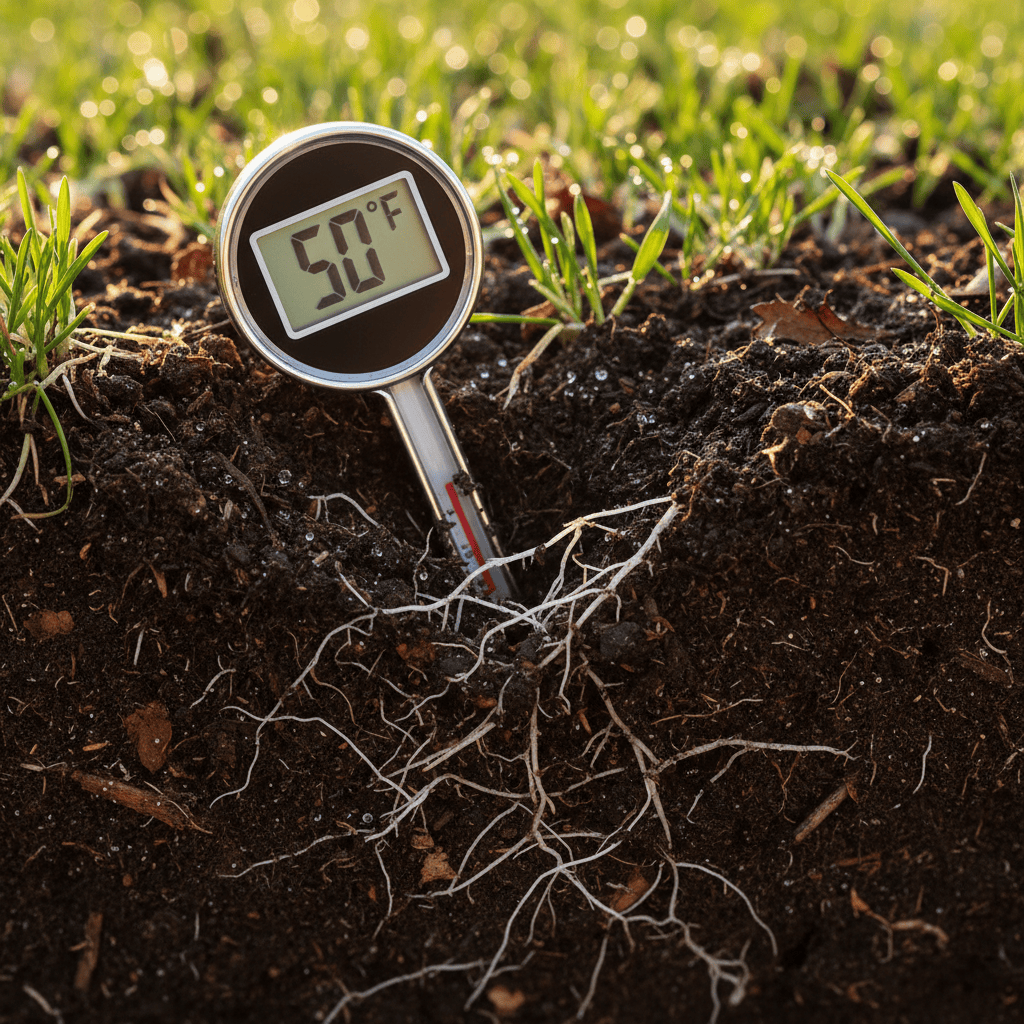
Soil temperature is the most reliable scientific indicator for starting your mowing season. When soil temperature consistently reaches 50°F (10°C) for 3-5 consecutive days, grass begins transitioning from dormancy to active growth. This temperature threshold matters because grass roots require warmth to absorb nutrients and support blade growth.
You can measure soil temperature using a simple soil thermometer inserted 2-3 inches into the ground, ideally in the morning. Many gardeners check their local cooperative extension office or online soil temperature maps, which provide regional data without requiring personal measurement.
Grass Height: The Practical Indicator
Grass height provides a practical, observable alternative to temperature monitoring. When your lawn reaches 3-4 inches tall, it’s ready for the first mow of the season. This height indicates sufficient blade development to withstand mowing without stress to the plant.
Grass height and soil temperature typically align naturally, when soil reaches 50°F, grass begins growing and will reach mowing height within days or weeks, depending on your region and grass type. Using both indicators gives you confidence in your timing decision.
Seasonal Timing by Climate Zone
Geographic location dramatically affects when you should start mowing. The USDA hardiness zones provide a framework for understanding regional timing, though local weather variations always apply. Readers comparing setup options can review our technical analysis on z890 vs x870e motherboard.
Cool-Season Grass Regions (Zones 3-7)
Cool-season grasses thrive in northern climates and grow most actively in spring and fall. In these regions, mowing typically begins:
- March-April: Southern cool-season zones (Zone 7)
- April-May: Northern cool-season zones (Zones 3-5)
Cool-season grass actively grows when temperatures are mild (60-75°F), which aligns with spring conditions in northern regions. Your first mow may occur as early as mid-March in southern areas but might not happen until late April or early May in northern zones. For complementary field maintenance guidelines, examine our breakdown of marshall stanmore iii vs harman kardon onyx studio 8.
Warm-Season Grass Regions (Zones 8-10)
Warm-season grasses grow most vigorously in summer heat and remain dormant during winter. In these regions, mowing typically begins:
- April-May: Transitional warm-season zones (Zone 8)
- May-June: Deep warm-season zones (Zones 9-10)
Warm-season grasses require warmer soil temperatures (65-70°F) to break dormancy. Starting mowing too early in warm-season regions wastes energy on dormant grass and can stress the plant. Wait until you see active green growth before beginning your season. To evaluate matched hardware tolerances, consult our detailed overview of dyson v8 cyclone vs bissell featherweight stick.
Finding Your Hardiness Zone
Visit the USDA Plant Hardiness Zone Map online and enter your zip code to identify your zone. This single number guides your expected mowing start window. However, remember that microclimates, elevation, and proximity to water bodies create local variations within zones.
Cool-Season vs. Warm-Season Grass: Different Timing Strategies
Your grass type fundamentally determines when mowing begins. Cool-season and warm-season grasses follow opposite growth patterns, requiring different seasonal approaches. When planning workspace deployment, consider the engineering criteria outlined in our bissell crosswave hydrosteam vs shark stainforce guide.
Cool-Season Grasses
Common cool-season varieties include Kentucky bluegrass, perennial ryegrass, and tall fescue. These grasses grow most actively in spring (March-May) and fall (September-November) when temperatures are moderate.
Mowing timing: Begin mowing in early spring when soil reaches 50°F and grass reaches 3-4 inches. Continue regular mowing throughout spring and into early summer. Mowing frequency may decrease during hot summer months when cool-season grasses slow growth, then increase again in fall.
Identifying cool-season grass: If you live north of the transition zone (roughly the border between Virginia and North Carolina) or at high elevation, you likely have cool-season grass. Your lawn probably greens up in early spring and may brown slightly during summer heat.
Warm-Season Grasses
Common warm-season varieties include Bermuda grass, zoysia, St. Augustine grass, and buffalo grass. These grasses remain dormant and brown during winter, then green up in late spring when soil warms sufficiently.
Mowing timing: Begin mowing in late spring (May-June) when soil temperature reaches 65-70°F and grass shows active green growth. Do not mow dormant, brown grass in early spring. Continue regular mowing throughout summer and into early fall, then stop as grass enters dormancy in late fall.
Identifying warm-season grass: If you live south of the transition zone or in a region with hot summers, you likely have warm-season grass. Your lawn turns brown in winter and greens up in late spring, remaining vibrant through summer heat.
Transition Zone Considerations
The transition zone (roughly from North Carolina to Kansas) presents challenges because neither cool-season nor warm-season grasses thrive perfectly. Many lawns in this zone contain a mixture of both types. Start mowing when you see active green growth from your dominant grass type, typically in mid-to-late April.
First Spring Mow vs. Regular Season Mowing Schedule
The first mow of the season differs from regular maintenance mowing in important ways.
The First Mow: Special Considerations
Your first mow of the season addresses winter debris and establishes the foundation for healthy growth throughout the season. Consider these points:
- Blade height: Set your mower blade slightly higher than normal for the first mow, typically 3.5-4 inches for cool-season grass. This conservative approach prevents stress on grass just emerging from dormancy.
- Debris removal: Before mowing, rake away winter leaves, sticks, and dead grass (thatch) that accumulated during dormancy. This allows the mower to cut grass cleanly and helps new growth access sunlight.
- Mower maintenance: Service your mower before the season begins. Sharpen blades, change oil, replace spark plugs, and check tire pressure. Dull blades tear grass rather than cutting cleanly, causing stress and browning.
- Mowing frequency: Your first mow may occur only once if grass growth is slow. As temperatures warm and growth accelerates, increase mowing frequency to maintain your target height.
Regular Season Mowing Schedule
Once the season is underway, establish a consistent mowing schedule based on grass growth rate. The general rule: mow when grass reaches one-third taller than your target height, then cut it back to target height. For example, if your target height is 2.5 inches, mow when grass reaches 3.5 inches.
During active growth periods (spring for cool-season grass, summer for warm-season grass), you may mow weekly or even twice weekly. During slower growth periods, mowing every 10-14 days may suffice.
Visual and Practical Cues for Mowing Readiness
Not everyone has access to soil thermometers or online temperature data. Visual and practical observations work equally well for determining mowing readiness.
Grass Growth Rate
Watch how quickly your grass grows. When dormant grass begins actively growing, noticeably taller week to week, your mowing season has begun. This visual cue naturally aligns with soil temperature reaching the threshold for active growth.
Lawn Color and Density
Dormant grass appears brown or tan and thin. As soil warms and grass emerges from dormancy, your lawn transitions to vibrant green with fuller density. This color and density change signals readiness to mow. Begin mowing shortly after you notice this transition.
Weed and Clover Growth
Early-season weeds and clover often emerge before grass fully greens up. If you notice clover, dandelions, or other early weeds appearing, your lawn is transitioning to active growth. This is a good signal to prepare for your first mow within the next week or two.
Soil Workability
If you can easily push a screwdriver or soil probe into the ground without excessive resistance, soil has warmed sufficiently for grass growth. Frozen or waterlogged soil indicates you should wait before mowing, as grass won’t grow actively and mower wheels may damage the lawn.
Pre-Mowing Preparation and First-Mow Best Practices
Proper preparation ensures your first mow sets up a healthy season ahead.
Lawn Inspection and Cleanup
Before mowing, walk your lawn and remove debris: sticks, stones, and winter-accumulated leaves. These items can damage your mower or become dangerous projectiles. If thatch (dead grass layer) is thick, consider raking vigorously or using a dethatcher to remove it, allowing sunlight and nutrients to reach new growth.
Mower Preparation
Service your mower before the season begins:
- Sharpen blades to ensure clean cuts rather than torn grass
- Change oil and replace spark plugs
- Check tire pressure for even cutting height
- Test the mower on a small area to ensure proper operation
Blade Height Setting
Set your mower blade height appropriately for your grass type:
- Cool-season grasses: 2.5-3.5 inches (taller heights reduce summer stress)
- Warm-season grasses: 1.5-2.5 inches (varies by species; Bermuda tolerates shorter cutting)
For the first mow, set height at the higher end of your range to minimize stress on grass emerging from dormancy.
Mowing Technique
Mow when grass is dry to ensure clean cuts and prevent clumping. Vary your mowing pattern each week to prevent soil compaction and encourage upright growth. Never remove more than one-third of the blade height in a single mowing, this “one-third rule” prevents stress and promotes healthy root development.
Year-Round Mowing in Mild Climates
In warm climates (USDA zones 9-10) and regions with mild winters, lawn mowing doesn’t follow a traditional seasonal pattern. Grass may grow year-round, though growth rates vary by season.
In these regions, establish a year-round mowing schedule based on growth rate rather than season. You may mow frequently during warm months and less frequently during cooler months, but you typically don’t have a defined “start” and “stop” to your mowing season. Instead, monitor grass height continuously and mow as needed to maintain your target height.
Everything You Need to Know: When Should I Start Mowing My Lawn FAQ
What if my grass is still dormant but it’s already May?
If your grass remains brown and dormant into May, wait for active green growth before mowing. Mowing dormant grass wastes fuel and doesn’t benefit the lawn. This situation typically indicates you have warm-season grass that requires warmer soil temperatures. Once you see green growth, begin mowing. If grass never greens up by early June, consult a local lawn care professional, your grass may be damaged or diseased.
Can I mow too early in the season?
Yes. Mowing grass that’s still dormant or just beginning to break dormancy stresses the plant and wastes energy. Additionally, mowing dormant grass may damage your lawn if soil is waterlogged or frozen. Always wait for clear signs of active growth (green color, height increase) before beginning your season. The first mow may seem “late,” but it’s better to wait than to mow prematurely.
How often should I mow once the season starts?
Mowing frequency depends on grass growth rate, which varies by season and weather. During peak growth (spring for cool-season grass, summer for warm-season grass), you may mow weekly or twice weekly. During slower growth periods, mowing every 10-14 days may suffice. Follow the one-third rule: mow when grass reaches one-third taller than your target height. This typically means mowing more frequently during active growth and less frequently during slower periods.
What’s the difference between the first mow and regular mowing?
The first mow of the season often occurs when grass is slightly taller (3-4 inches) than your regular maintenance height. You may also need to rake away winter debris before this first mow. For regular mowing throughout the season, follow the one-third rule and maintain a consistent cutting height. The first mow is more about addressing winter damage and establishing the season; regular mowing is about maintaining consistent lawn health.
Key Takeaways for Starting Your Mowing Season
- Start mowing when soil temperature reaches 50°F (10°C) for 3-5 consecutive days and grass reaches 3-4 inches tall
- Timing varies by USDA hardiness zone: March-May for cool-season regions, April-June for warm-season regions
- Cool-season and warm-season grasses have opposite growth patterns and different mowing start times
- Use visual cues (grass color, growth rate, weed emergence) if you can’t measure soil temperature
- Prepare your mower and lawn before the first mow by servicing equipment and removing winter debris
- Set blade height slightly higher for the first mow to minimize stress on emerging grass
- Establish a regular mowing schedule based on the one-third rule: mow when grass reaches one-third taller than target height
Seasonal Mowing and Safety
Start mowing once grass is actively growing and the ground is firm enough to support the machine without rutting. Early season debris and soft soil can hide hazards, so walk the lawn first. General outdoor safety information is available at American National Standards Institute (ANSI).