
When to Replace Your Lawn Mower Blade: The Direct Answer
Replace your lawn mower blade when it is visibly nicked, chipped, bent, cracked, or too thin to hold a sharp edge. As a general rule, replace the blade every 1 to 2 mowing seasons or after roughly 25 hours of use. If your grass shows torn, ragged tips instead of clean cuts, the blade needs attention or replacement sooner.
Signs That It’s Time to Replace the Blade (Not Just Sharpen It)
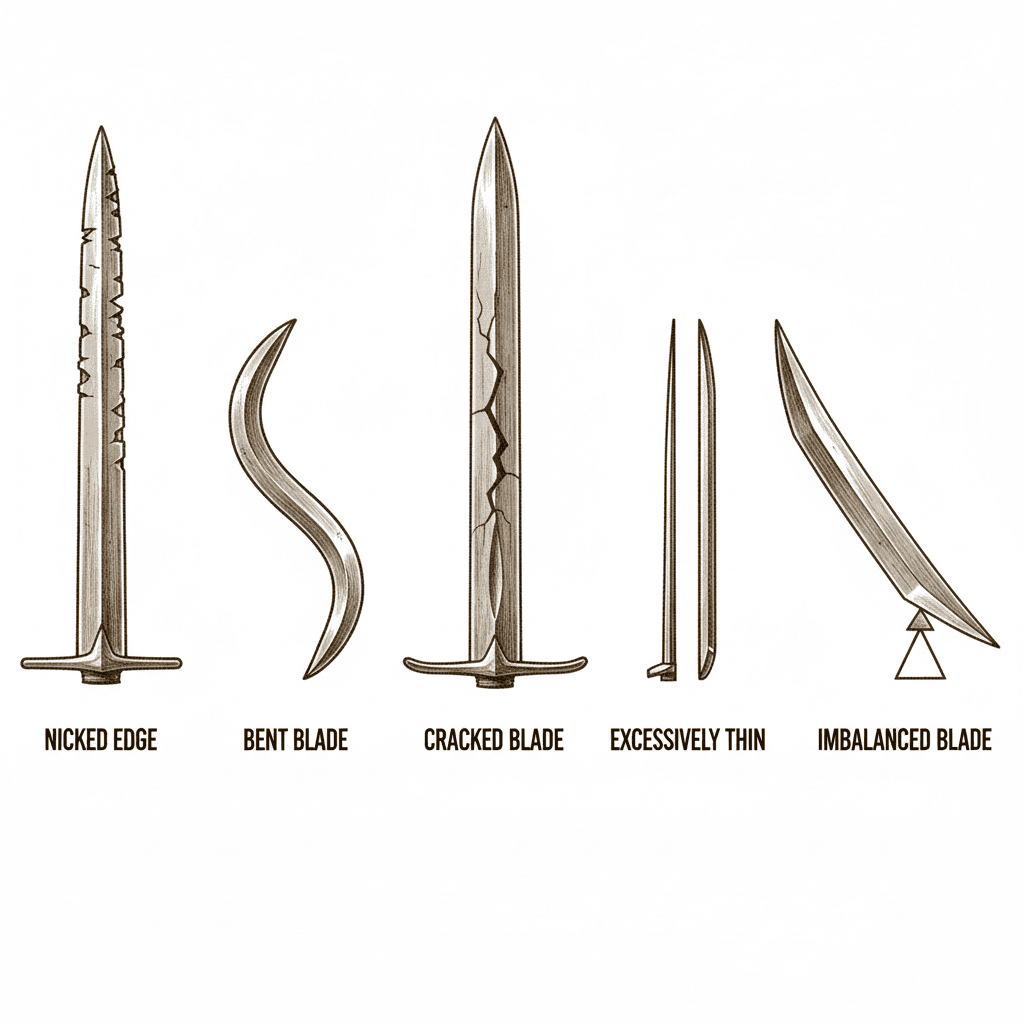
Understanding the difference between a blade that needs sharpening and one that requires replacement is essential to avoid wasting time and money. A blade that is simply dull can often be sharpened and returned to service. However, certain types of damage make replacement the only safe and effective option.
Visible Damage That Requires Replacement
- Nicks and chips: Small notches or missing pieces along the cutting edge prevent the blade from producing clean cuts and cannot be fully restored by sharpening alone.
- Bends or warping: A bent blade will not sit flat in the mower housing, causing uneven cutting and potential vibration damage to the mower deck. Bending is permanent and cannot be corrected by sharpening.
- Cracks: Any crack in the blade metal is a safety hazard. A cracked blade can break apart during operation, creating a projectile risk.
- Excessive thinning: After repeated sharpening, a blade becomes too thin to hold a sharp edge effectively. Once a blade has been sharpened multiple times, it loses structural integrity and should be replaced.
- Imbalance: A blade that is no longer balanced due to uneven wear or damage will cause vibration and stress on the mower engine and deck. Imbalance cannot be fixed by sharpening.
How to Identify a Blade That Is Too Thin to Hold an Edge
If you have sharpened your blade several times over a season and it continues to dull quickly, the blade may be too thin. A blade that is too thin will not retain sharpness because the metal lacks the structural support needed to maintain a cutting edge under the stress of mowing. When this occurs, replacement is the only solution.
Replace vs. Sharpen: Understanding the Difference
One of the most common sources of confusion is the difference between sharpening and replacing a blade. Many homeowners assume that if their mower is not cutting well, they need a new blade. In reality, a simple sharpening often solves the problem and extends the life of the blade.
When Sharpening Is Enough
A blade that is simply dull, with no visible damage, can be sharpened and returned to service. A dull blade still has a cutting edge, but that edge is too blunt to slice grass cleanly. Sharpening removes a small amount of metal to restore a sharp edge. Most blades can be sharpened multiple times before they become too thin.
When Replacement Is Necessary
Once a blade has been sharpened several times, the metal becomes progressively thinner. Eventually, the blade reaches a point where it can no longer hold a sharp edge, even immediately after sharpening. At this stage, replacement is necessary. Additionally, any blade with visible damage, nicks, cracks, bends, or severe imbalance, should be replaced rather than sharpened. Users looking for related component recommendations can explore our z890 vs x870e motherboard breakdown.
The Cost-Benefit of Sharpening vs. Replacing
Sharpening a blade costs significantly less than replacing it and can extend blade life by several months. However, attempting to sharpen a blade that is too damaged or too thin wastes time and money. A good rule of thumb: if the blade has no visible damage and dulls gradually over weeks or months, sharpening is the right choice. If the blade is visibly damaged or dulls within days of sharpening, replacement is the better investment.
Replacement Schedule Based on Mower Type and Usage
The frequency of blade replacement depends on the type of mower you own, how often you mow, and the conditions of your lawn. There is no single universal replacement schedule, but the following guidelines help determine when your specific mower blade needs attention. Before finalizing equipment decisions, refer to our comprehensive marshall stanmore iii vs harman kardon onyx studio 8 comparison.
Push Mower Blades
Push mowers typically require blade replacement once per mowing season for homeowners who mow weekly during the growing season. A typical mowing season consists of 15 to 20 mowing sessions. If you mow more frequently or have a larger lawn, you may need to replace the blade mid-season. Inspect the blade every 5 to 10 mowing sessions to catch damage early.
Riding Mower Blades
Riding mowers often have multiple blades and see heavier use than push mowers. Replacement is typically needed every 1, 2 seasons, depending on mowing frequency and lawn size. Riding mowers that are used for commercial purposes or on large properties may require blade replacement 2, 3 times per season. Log your mowing hours; most riding mower blades need replacement after 25, 50 hours of use. For broader ecosystem context, read through our operational guide on dyson v8 cyclone vs bissell featherweight stick.
Mulching Blades
Mulching blades have a curved design that lifts and recirculates grass clippings multiple times before they are finely chopped and returned to the lawn. This design creates more stress on the blade than standard blades. Mulching blades typically need replacement more frequently than standard blades, often every 1 season or after 20 to 25 hours of use. The curved design also makes them more prone to damage from rocks and debris.
How Lawn Size and Mowing Frequency Affect Blade Life
A homeowner with a small lawn who mows once per week may get 2 seasons of use from a single blade. A homeowner with a large lawn who mows twice per week will need blade replacement more frequently. Similarly, mowing in wet conditions, on rocky or debris-filled lawns, and in areas with thick, tough grass varieties accelerates blade wear. Keep a simple log of mowing hours to better predict when replacement will be needed. For troubleshooting and reliability insights, consult our in-depth bissell crosswave hydrosteam vs shark stainforce report.
How to Inspect Your Blade for Wear and Damage (Step-by-Step)
Regular inspection is the best way to catch blade problems before they affect your lawn or damage your mower. A thorough inspection takes only a few minutes and should be performed at the start of each mowing season and every 5 to 10 mowing sessions thereafter.
Step 1: Safely Disconnect the Mower
Before removing or inspecting the blade, disconnect the spark plug wires to prevent accidental engine start. For electric mowers, unplug the unit. This is a critical safety step that prevents serious injury.
Step 2: Remove the Blade
Tip the mower on its side (check your manual for the correct orientation) and locate the blade bolt. Use a socket wrench to remove the bolt. Mark the top side of the blade with a marker or tape so you can reinstall it in the same orientation. Blades are directional and must be installed correctly.
Step 3: Inspect for Visible Damage
Hold the blade up to a light source and examine both the top and bottom surfaces. Look for nicks, chips, cracks, bent areas, and rust. Run your finger along the cutting edge (carefully) to feel for dullness and damage. Check both ends of the blade equally; uneven damage indicates imbalance.
Step 4: Test for Balance
A balanced blade is essential for smooth operation. To test balance, hang the blade horizontally on a nail or rod through its center hole. A properly balanced blade will remain level. If one end dips, the blade is imbalanced and should be replaced. Imbalance cannot be corrected by sharpening.
Step 5: Measure Blade Thickness
If the blade has been sharpened multiple times, measure its thickness with calipers. Compare the measurement to the manufacturer’s specifications (found in your mower manual). If the blade is significantly thinner than the original specification, it is too thin to hold an edge and should be replaced.
Step 6: Decide: Replace or Sharpen
If the blade shows no visible damage, is balanced, and is not excessively thin, sharpening is appropriate. If the blade is damaged, imbalanced, or too thin, replace it. When in doubt, replacement is the safer and more cost-effective choice.
What Your Grass Tells You About Blade Condition
Your lawn provides visual clues about blade condition, often before you notice problems during inspection. Learning to read these signs helps you address blade issues before they cause lasting damage to your grass.
Torn or Ragged Grass Tips
A dull blade does not cut grass cleanly. Instead, it tears and shreds the grass blade, leaving ragged, frayed tips. These damaged tips are more susceptible to disease and pest damage, and they give the lawn a brownish, unhealthy appearance. If you notice ragged grass tips 1 to 2 days after mowing, your blade needs sharpening or replacement.
Brown or Discolored Grass After Mowing
Grass that appears brown or bleached at the tips after mowing indicates that the blade has torn rather than cut the grass. Torn grass tissue dries out and turns brown within hours. This symptom is a clear sign that blade maintenance is needed.
Uneven Cutting Height
If some areas of your lawn are cut shorter than others, the blade may be bent or imbalanced. A bent blade sits at an angle in the mower housing, causing uneven cutting. This problem requires blade replacement, not sharpening.
Increased Mower Vibration
Excessive vibration during mowing often indicates an imbalanced blade. Imbalance puts stress on the engine and mower deck and can cause damage if left uncorrected. If you notice increased vibration, stop mowing and inspect the blade immediately.
Frequently Asked Questions About When To Change Lawn Mower Blade
How often should I sharpen my lawn mower blade if I don’t replace it?
A blade that is simply dull can be sharpened every 2 to 4 weeks during the mowing season, depending on mowing frequency and lawn conditions. However, each sharpening removes a small amount of metal. After 4 to 6 sharpenings over a season, the blade becomes too thin and should be replaced. If you find yourself sharpening the blade more frequently than every 2 weeks, the blade may be too damaged or too thin and should be replaced.
Can I repair a bent lawn mower blade?
A bent blade should not be repaired or straightened. Attempting to bend the blade back into shape weakens the metal and creates safety hazards. A bent blade also cannot be properly balanced. Replacement is the only safe option.
What is the average cost of a replacement lawn mower blade?
Replacement blades for push mowers typically cost $15-$40, depending on the mower brand and blade type. Riding mower blades cost $20-$60 per blade. Mulching blades are often at the higher end of this range. Sharpening a blade, by contrast, costs $5-$15 at most lawn mower repair shops. Given these costs, sharpening is a cost-effective option when the blade is not damaged.
Should I replace both blades on a riding mower at the same time?
Yes. Riding mowers have multiple blades that should be replaced together to ensure even cutting and balanced operation. Replacing only one blade while others are worn or dull will result in uneven cutting and continued vibration. Replace all blades simultaneously to maintain lawn quality and mower performance.
Related Maintenance and Operating Guides
To keep your equipment running at peak operating efficiency, explore our related technical walkthroughs and maintenance tutorials:
- Consult our detailed breakdown on residential zero-turn lawn mower guide.
Blade Replacement Safety Basics
A dull or chipped blade can strain the engine and throw debris, so inspecting it on a regular schedule helps. Readers after wider background on blade safety may find American National Standards Institute (ANSI) a useful resource.