Direct Answer: How Often to Change Lawn Mower Oil
As a general rule, change your lawn mower’s oil every 25 to 50 hours of operation, or at least once per mowing season, whichever comes first. If you mow frequently, under heavy load, or in dusty or hot conditions, change it closer to the 25-hour mark. New mowers often need an initial oil change after the first 5 hours of use. Always check your owner’s manual for the exact interval, as riding mowers and different engine types may vary.
Understanding the Recommended Oil Change Interval
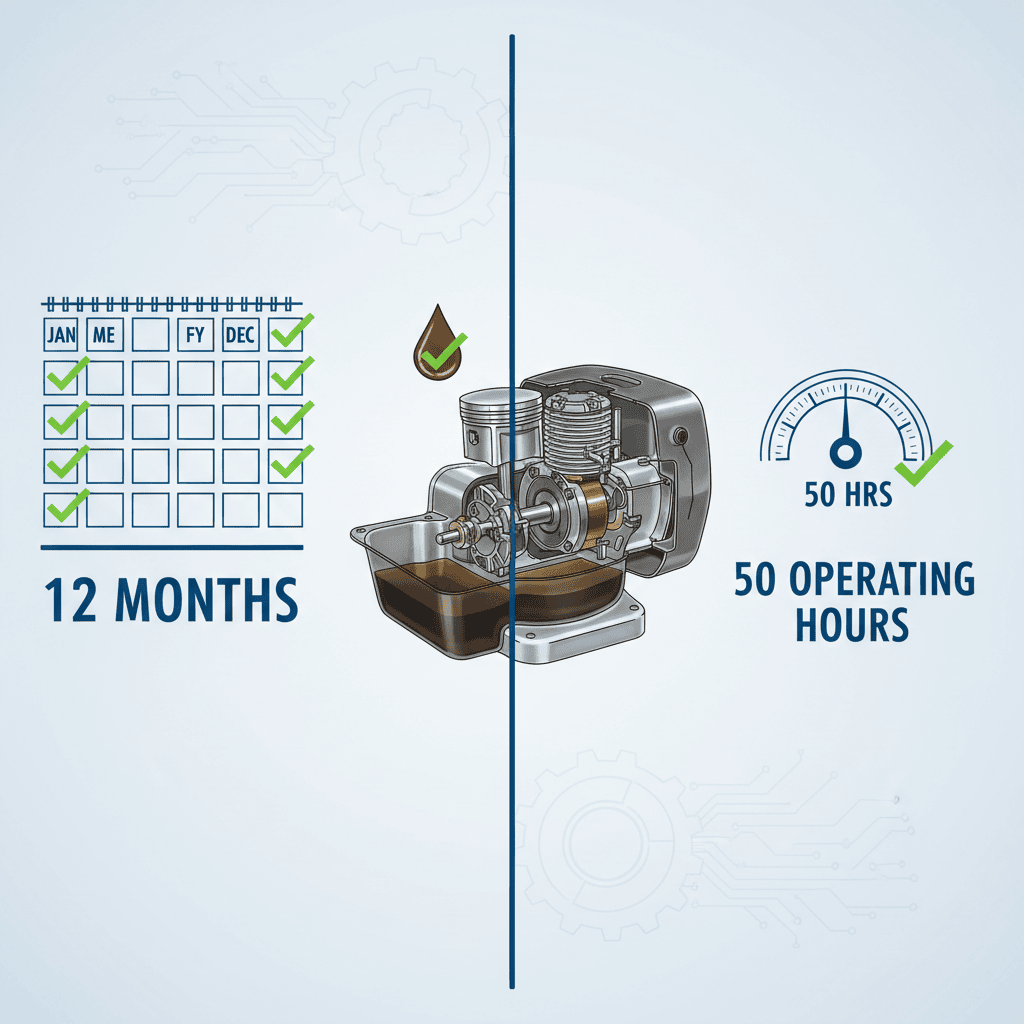
The recommended interval for changing lawn mower oil is based on two primary measures: operating hours and calendar time. This dual approach ensures engine protection regardless of how often you use the machine.
What is the standard oil change interval for a lawn mower?
The most common recommendation from manufacturers and small engine experts is to change the oil every 25 to 50 hours of runtime. For the average homeowner mowing a standard lawn once a week during a 20-week season, this translates to roughly once per year or once per season. The “whichever comes first” rule is critical; if you only mow for 10 hours in a season, you should still change the oil annually because oil degrades over time even when not in use.
Why is the interval expressed in both hours and calendar time?
Engine oil degrades from two main factors: heat and combustion byproducts during operation, and oxidation and moisture accumulation during periods of inactivity. Hours of operation measure the first factor, while calendar time addresses the second. This is why a mower used heavily for a short period needs a change based on hours, while a lightly used mower still needs a change based on time.
Do new mowers require a special first oil change?
Yes, many manufacturers recommend a break-in oil change. During the initial hours of operation, new engine components seat and can produce fine metal particles that contaminate the oil. A common recommendation is to change the oil after the first 5 hours of use for a new mower. This initial change helps remove these contaminants and promotes long-term engine health.
Key Factors That Affect How Often You Change Oil
The 25, 50 hour guideline is a starting point. Several factors specific to your mower and usage conditions will determine whether you should change the oil more frequently. For troubleshooting and reliability insights, consult our in-depth z890 vs x870e motherboard report.
Does the interval differ between push mowers and riding mowers?
Yes, the interval can differ. Push mowers typically have smaller engines that may operate at higher relative loads, often placing them at the more frequent end of the spectrum (closer to 25-30 hours). Riding mowers and zero-turn mowers have larger engines with greater oil capacity, which can sometimes allow for a longer interval, up to 50 hours or per the manufacturer’s specific schedule. Always consult the manual for your specific model.
How does frequent or heavy use affect the oil change schedule?
If you mow your lawn multiple times per week, have a large property, or frequently mow thick, tall, or wet grass, your engine is working harder. This generates more heat and accelerates oil breakdown. In these cases, you should change the oil closer to the 25-hour mark rather than waiting for 50 hours. Readers comparing setup options can review our technical analysis on marshall stanmore iii vs harman kardon onyx studio 8.
Do hot, dusty, or dirty conditions require more frequent changes?
Absolutely. Operating in high temperatures causes oil to thin and break down faster. Dusty or dirty environments increase the risk of contaminants bypassing the air filter and entering the crankcase, which accelerates oil degradation. If you regularly mow in these conditions, consider changing the oil at the lower end of the recommended interval.
Does the type of oil (conventional vs synthetic) change the recommended interval?
The type of oil can influence the interval. Conventional oil typically requires changes at the more frequent end of the range. Full synthetic oil is more resistant to thermal breakdown and oxidation, which may allow you to safely extend the interval toward the upper limit (e.g., closer to 50 hours), provided the manufacturer approves its use. However, you should never exceed the maximum interval specified in your owner’s manual, even with synthetic oil. For complementary field maintenance guidelines, examine our breakdown of dyson v8 cyclone vs bissell featherweight stick.
Step-by-Step Guide to Changing Lawn Mower Oil
Changing the oil is a straightforward maintenance task that can be done at home with basic tools. Following the correct procedure ensures safety and proper engine care.
What tools and supplies do I need to change the oil?
- Wrench or socket set to remove the drain plug.
- Oil drain pan to catch the old oil.
- Funnel to add new oil without spilling.
- Correct type and amount of new oil (check your manual for viscosity, e.g., SAE 30, 10W-30, and capacity).
- New oil filter (if your mower has one, which is more common on riding mowers).
- Rags or paper towels for cleanup.
- Container for used oil for proper disposal.
Should the engine be warm or cold when draining the oil?
The engine should be warm, but not hot. Run the mower for 5, 10 minutes to warm the oil. Warm oil is less viscous and flows more completely, carrying more contaminants with it. However, avoid draining oil from a very hot engine to prevent burns. To evaluate matched hardware tolerances, consult our detailed overview of bissell crosswave hydrosteam vs shark stainforce.
How do I properly dispose of used oil?
Used motor oil is a hazardous material and must not be poured down drains, into the ground, or in the trash. Place it in a sealed, leak-proof container and take it to a local recycling center, auto parts store, or municipal waste facility that accepts used oil. Many of these locations will accept it for free.
How much oil should I add and how do I check the level?
After draining the old oil and replacing the drain plug (and filter, if applicable), add the new oil slowly using a funnel. Start by adding about three-quarters of the recommended capacity listed in your manual. Then, check the level using the dipstick. The oil should be at or near the “full” mark. Do not overfill, as this can cause engine damage. Run the engine for a minute, then re-check the level and top off if necessary.
Why Regular Oil Changes Matter
Consistent oil changes are one of the most important maintenance tasks for ensuring the longevity and reliability of your lawn mower engine.
What happens if I never change the oil?
Over time, engine oil accumulates dirt, metal particles, and acidic combustion byproducts. It also loses its viscosity and additive effectiveness. If never changed, this degraded oil becomes a thick sludge that cannot properly lubricate, leading to increased friction, overheating, and eventual catastrophic engine failure. The cost of a new engine or mower far exceeds the cost of regular oil changes.
How does fresh oil protect the engine and improve performance?
Fresh oil performs three critical functions: it lubricates moving parts to reduce friction and wear, cleans the engine by suspending contaminants, and cools by transferring heat away from critical components. This results in smoother operation, easier starting, and more efficient fuel consumption.
Can old oil cause starting problems or increased fuel consumption?
Yes. Thick, degraded oil increases internal engine resistance, making the starter work harder and potentially causing slow or difficult starts. The increased friction also forces the engine to burn more fuel to maintain speed, leading to noticeably higher fuel consumption.
Buyer FAQs: How Often To Change Oil In Lawn Mower Solved
What is the simplest rule to remember for oil changes?
The simplest rule is: Change the oil every 25 to 50 hours of use, or once per year, whichever comes first. For most homeowners, this means once per mowing season.
When should I change the oil sooner than the standard interval?
Change the oil sooner if you operate the mower in extreme conditions (very hot, dusty, or dirty), under heavy load (tall, thick grass), or if you notice the oil appears very dark, gritty, or smells like gasoline. Always follow the break-in schedule for a new mower.
Where can I confirm the exact interval for my specific mower?
The definitive source is your owner’s manual. It will specify the exact oil type, capacity, and change interval for your mower’s engine. You can often find a digital copy on the manufacturer’s website if you’ve lost the physical manual.
Related Maintenance and Operating Guides
To keep your equipment running at peak operating efficiency, explore our related technical walkthroughs and maintenance tutorials:
- Consult our detailed breakdown on residential zero-turn lawn mower guide.
Oil Service and Shop Safety
Service intervals appear in the owner manual, and following them tends to keep the engine in better shape. When working on a mower, keep the area ventilated and the engine off.
Readers exploring safety for engine work can start with American National Standards Institute (ANSI).