How to Change the Line on a Weed Wacker: A Quick Answer
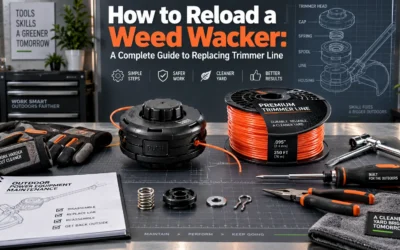
Changing the line on a weed wacker (also called a string trimmer) is a straightforward task that takes about 5 to 10 minutes. First, ensure the trimmer is powered off and disconnect the spark plug (for gas models) or remove the battery (for cordless models) for safety. Remove the trimmer head by pressing the tabs on the side or unscrewing it, then pull out the old spool and discard the remaining string. Cut a new piece of replacement line to the length specified in your owner’s manual, typically 10 to 25 feet depending on head design. Feed one or both ends of the line through the holes in the spool, wind it in the direction indicated by the arrows, and leave the correct amount sticking out (usually 4 to 6 inches). Thread the protruding ends through the eyelets in the head, reinstall the assembly, and give the trimmer a test run.

Pros
- Versatile 3-in-1 setup covers trimming, edging, and brush cutting.
- Strong gas-powered engine is suited for tougher overgrowth than many light-duty electric trimmers.
- Includes multiple cutting accessories, adding immediate value and flexibility.
- Tool-free air filter access makes upkeep simpler.
Cons
- Gas-powered operation requires fuel, mixing, and more maintenance than battery trimmers.
- No detailed weight, runtime, or noise specifications are provided in the listing.
- 0 reviews are available in the manufacturer listing, so real-world user feedback is limited.
Overview: The Wild Badger Power 26cc Gas Powered Weed Wacker is a 3-in-1 yard tool that combines trimming, edging, and brush cutting in one platform. It uses an aluminum alloy drive shaft and a full-crank 2-stroke engine, which suggests a focus on durability and stable operation for regular yard maintenance.
Performance: Based on the listed specifications, this model is built for homeowners who need more than basic grass trimming. The 26cc engine should provide enough power for thick grass, weeds, and light shrubs, while the included 17-inch trimmer lines, edger head, and 10-inch brush cutter blade add flexibility for different outdoor tasks.
Drawbacks: As a gas-powered trimmer, it will likely require more upkeep than battery alternatives, including fuel handling and periodic maintenance. The listing does not provide details such as weight, noise level, or runtime, which may matter to buyers comparing it with other yard tools.
Verdict: This model is a solid fit for users who want one gas-powered tool for trimming, edging, and light brush work. It offers strong practical value if you prioritize cutting power and versatility over the convenience of a cordless electric option.

Pros
- 14-inch cutting swath with bump feed
- Two speed settings at 5,000 and 6,000 RPM
- Foldable shaft for compact storage
- Includes two 20V 2.5Ah lithium batteries
- Brushless motor for efficient cutting
Cons
- Stated runtime covers up to 1,076 sq ft
- Weighs 11 pounds fully assembled

Pros
- Combines trimming and edging in one cordless tool.
- Auto feed line supports continuous cutting without manual bumping.
- Lightweight, ergonomic design is better suited to everyday residential use.
- Includes extra blades and a protective cover.
Cons
- Battery and charger are sold separately, so it is not ready to use out of the box unless you already own compatible Greenworks 40V power tools.
- Plastic blade accessories may not be as durable as metal cutting components for tougher growth.
- There are no customer review details provided in the manufacturer listing, so long-term real-world performance is limited in this listing.
Overview: The Greenworks 40V 13" 2-in-1 Cordless String Trimmer/Edger is designed for homeowners who want a compact, easy-to-handle yard tool for routine trimming and edging. Its lightweight build, telescoping shaft, and adjustable auxiliary handle suggest a focus on comfort and everyday use.
Performance: This model combines a string trimmer and an edger in one tool, with a built-in guide wheel for cleaner edge lines along sidewalks, fences, and flower beds. The auto feed line is intended to reduce interruptions, while the 7-position rotating head helps users reach tight corners, under decks, and other awkward areas.
Drawbacks: A key limitation is that the battery is sold separately, so buyers need an existing Greenworks 40V battery or must purchase one separately. The listing also includes plastic blades, which are useful for light duty and replacement needs, but may not be ideal for heavier cutting jobs.
Verdict: This is a practical option for residential users who already own Greenworks 40V batteries or plan to build within that ecosystem. It offers convenience, flexibility, and good everyday versatility, but it is best suited to routine lawn maintenance rather than heavy overgrowth clearing.

Pros
- Combines trimming and edging in one cordless tool.
- Lightweight 6.6 lb design improves handling and storage.
- 6500 RPM motor and 13-inch head are suited to typical lawn cleanup tasks.
- Battery, charger, and extra trimmer line are included.
Cons
- 30-minute runtime may be limiting for larger yards or longer sessions.
- A 2.0Ah battery may require recharging more often than higher-capacity options.
- The product details do not provide some specs users may want, such as exact charging time or line thickness.
Overview & Design: The Wild Badger Power B0CTJM74MW is a 40V cordless 2-in-1 string trimmer and edger built for basic lawn maintenance. Its 13-inch cutting width and 6.6 lb weight make it a practical option for homeowners who want a simple, easy-to-handle yard tool.
Performance & Key Features: This model uses a 6500 RPM motor and auto-feed line system to tackle grass and weeds with less interruption. The included 2.0Ah battery and charger make it ready to use out of the box, while the extra trimmer line adds convenience for routine seasonal use.
Drawbacks & Considerations: The stated 30-minute runtime may be enough for light to moderate jobs, but it may feel short for larger properties. Because the listing does not provide some details such as charging time or additional attachment options, shoppers should compare it carefully with higher-capacity cordless trimmers.
Verdict: This Wild Badger Power trimmer is best suited to homeowners looking for a lightweight cordless tool for everyday trimming and edging. It offers solid convenience and useful included accessories, but users with bigger yards may want a longer runtime and higher-capacity battery.
Understanding Your Weed Wacker: The Basics of a Trimmer Head
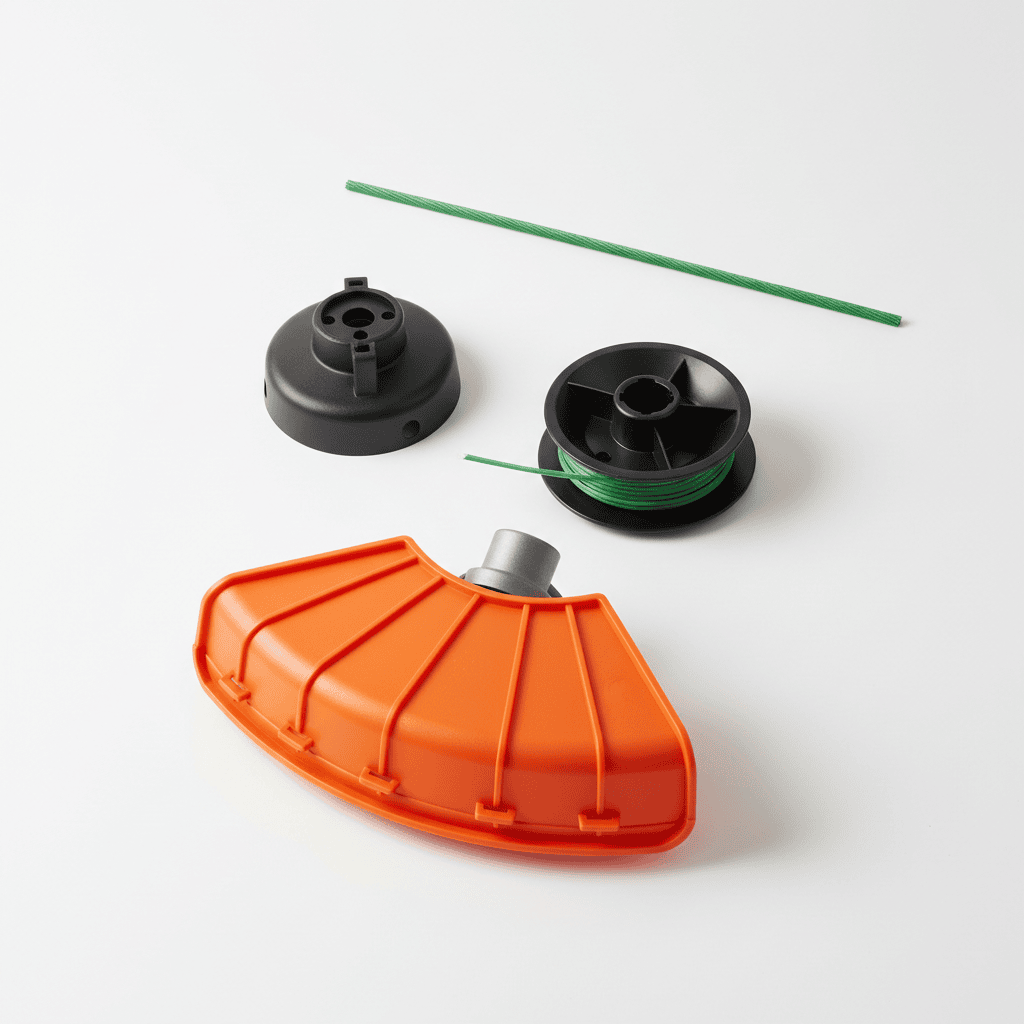
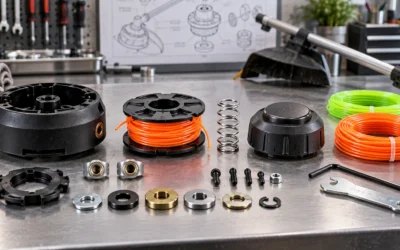
Before you begin, it’s helpful to identify the type of trimmer head you have, as the procedure can vary slightly. The main components include the trimmer head housing, the spool (which holds the line), the spool cap, and the line itself. The most common head types are:
- Bump-Feed (or Tap-and-Go) Head: This is the most popular type. You tap the head on the ground while it’s spinning to release more line from the spool automatically.
- Fixed-Line Head: This head uses pre-cut pieces of line that are threaded through and locked in place. There is no spool to wind.
Safety First: Always power off the trimmer completely. For gas trimmers, disconnect the spark plug wire. For electric or battery-powered models, unplug the cord or remove the battery. Wear gloves to protect your hands from sharp line ends and debris. For complementary field maintenance guidelines, examine our breakdown of jbl partybox club 120 vs sony srs xv500. For complementary hardware performance, examine our breakdown on riding lawn mower.
Key Factors to Consider Before You Replace the Line
Choosing the right replacement line is crucial for performance and to avoid damaging your trimmer.
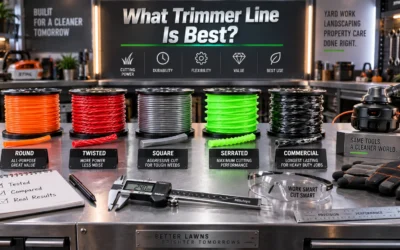
- Line Diameter (Gauge): Your owner’s manual will specify the correct diameter, often between 0.065 inches and 0.155 inches. Using a line that is too thick can strain the motor or cause the head to jam.
- Line Material: Most lines are made of nylon. Specialty lines may be twisted, serrated, or made of composite materials for tougher weeds. Match the material to your typical yard conditions.
- Line Length: The manual will also specify the length needed to fill the spool. Overfilling can cause jams, while underfilling means you’ll be reloading too soon.
Step-by-Step: How to Remove the Old Line and Spool
Follow these steps to safely remove the old line:
- Remove the Trimmer Head: Most heads are held on by a spring-loaded tab or a screw. Press the tabs on opposite sides of the head and pull it straight off. Some models may require you to unscrew the head.
- Extract the Old Spool: Once the head is off, you’ll see the spool. Pull it straight out of the housing.
- Clear the Old Line: Unwind and discard any remaining line. If the line is tangled or jammed, you may need to use pliers to gently pull it free. Clean out any grass clippings or debris from the spool chamber with a dry cloth.
Step-by-Step: How to Measure, Cut, and Load the New Line
This is the core process, which differs slightly by head type.
For Bump-Feed Heads:
- Cut the Line: Measure and cut a single piece of line to the length specified in your manual (e.g., 25 feet).
- Feed and Wind: Look for the anchor point or hole in the center of the spool. Feed one end of the line through this hole until equal lengths hang from both sides. Wind both strands simultaneously in the direction of the arrows molded into the spool. Keep the line tight as you wind.
- Secure the Ends: When you reach the end of the spool, lock the line into the notches on the spool’s edge. Leave about 4 to 6 inches of line extending from each side.
- Reassemble: Place the wound spool back into the trimmer head housing. Thread the two line ends through the metal or plastic eyelets on the outside of the head. Snap or screw the head back onto the trimmer.
For Fixed-Line Heads:
- Cut Multiple Pieces: Cut several pre-measured pieces of line (e.g., 10 inches each), as specified by the head design.
- Thread and Lock: Thread one piece of line through an eyelet, pull it through until equal lengths are on both sides, and lock it into the designated slot or notch inside the head. Repeat for other eyelets.
- Reassemble: Once all lines are threaded and locked, reinstall the head onto the trimmer.
Tips, Troubleshooting, and When to Get Help
- Line Won’t Feed: Ensure you wound the line in the correct direction (follow the arrows). Check that the line isn’t tangled in the spool. For bump-feed heads, a weak or broken spring inside the head may need replacement.
- Line Keeps Breaking: You may be using a line that is too thin or low-quality for your yard. Upgrade to a thicker gauge or a more durable material like twisted nylon.
- Line Jams: This often happens if the spool is overfilled. Use only the recommended length. Also, ensure the line ends are threaded properly through the eyelets and aren’t catching on the housing.
- When to Replace More Than Just the Line: If the spool is cracked, the spring is weak, or the eyelets are worn, it’s time to replace the entire trimmer head assembly. Consult your manual or a professional for parts.
Everything You Need to Know: How To Change The Line On A Weed Wacker FAQ
How often should I replace the trimmer line?
There’s no set schedule. Replace the line whenever it becomes too short to cut effectively or if it breaks. Keeping a spare pre-wound spool on hand can make the process even faster.
Can I use any brand of replacement line?
Yes, as long as it matches the diameter (gauge) and material recommended in your owner’s manual. Using the wrong gauge can damage the trimmer’s motor or head mechanism.
What if my trimmer head doesn’t have arrows showing the wind direction?
Consult your owner’s manual. As a general rule, you should wind the line so that it feeds out in the same direction the trimmer head spins during operation. This is typically clockwise when looking at the head from below. When planning workspace deployment, consider the engineering criteria outlined in our marshall stanmore iii vs harman kardon onyx studio 8 guide.
Related Maintenance and Operating Guides
To keep your equipment running at peak operating efficiency, explore our related technical walkthroughs and maintenance tutorials:
- Consult our detailed breakdown on cordless stick vacuum buyer guide.
- Consult our detailed breakdown on robotic pool cleaner comparison guide.
- Consult our detailed breakdown on deep carpet cleaning machine reviews.
Weed Wacker Line Safety Resources
Changing the line on a weed wacker is routine maintenance that stays safer with the spark plug disconnected and gloves on. Handheld outdoor tools are covered in general safety information from American National Standards Institute (ANSI).