Quick Answer: How To Use Edger Trimmer?
To use an edger trimmer, first ensure you have the right tool (a string trimmer with edging function or a dedicated edger). Always wear safety gear including eye protection, gloves, and sturdy shoes. Start by clearing the area of debris. For a string trimmer, rotate the head to the edging position. For a dedicated edger, set the blade depth. Hold…

Pros
- Includes both battery and charger for immediate setup.
- Compatible with RYOBI 18V ONE+ batteries for broader system flexibility.
- Lightweight design improves portability and reduces fatigue during regular yard work.
- Supports both .065 and .080 trimmer line for added line compatibility.
Cons
- 13-inch maximum cutting width is more suited to small and medium yards than large properties.
- No runtime, noise level, or weight spec is provided in the manufacturer listing.
- The product details do not specify advanced features such as brushless motor technology or telescoping shaft adjustment.
Overview: The RYOBI ONE+ 18V 13 in. Cordless Battery String Trimmer/Edger is a lightweight, battery-powered lawn tool designed for basic trimming and edging tasks. Its 2-in-1 setup makes it a practical option for homeowners who want one tool for routine yard cleanup.
Performance: A pivoting head helps the tool transition into edging mode, while the variable-speed trigger gives the user more control over light trimming and tougher spots. The adjustable 11 in. to 13 in. cutting width adds flexibility, and compatibility with .065 and .080 line makes replacement easier.
Drawbacks: This model is best matched to smaller or medium-size yards because its 13-inch cutting width is modest. The manufacturer listing does not list runtime, total weight, or advanced motor details, so buyers should avoid assuming high-end performance beyond the stated features.
Verdict: For homeowners already using the RYOBI ONE+ platform, this trimmer/edger offers convenient cordless operation and broad battery compatibility. It is a sensible pick for straightforward lawn maintenance, especially when included battery and charger value matters.

Pros
- Highly versatile multi-head system with support for a wide range of EGO attachments.
- Brushless motor and carbon fiber shaft are built for durability and reduced vibration.
- Edger attachment offers adjustable depth control for more precise curb and driveway edging.
- Works with EGO 56V ARC Lithium batteries, which is convenient for current EGO users.
Cons
- Battery and charger are not listed in the kit details, so they may need to be purchased separately.
- As a multi-head system, it may not be the simplest choice if you only need a basic standalone edger.
- The product data does not provide weight or runtime, making it harder to compare with other cordless edging options.
EGO Power+ ME0820 is a cordless multi-head edging kit that pairs the PH1420 power head with the EA0820 8-inch edger attachment. It is designed for homeowners who want one power unit that can support multiple yard-care tasks over time.
The standout feature is flexibility. The power head works with EGO's Multi-Head System attachments, while the edger itself offers up to 3 inches of depth adjustment for crisp lawn borders. A brushless motor, digital two-speed control, and IPX4 weather-resistant construction add practical value for regular outdoor use.
There are a few limitations to consider. The kit details do not include a battery or charger, so some buyers may need to add those separately. It is also best suited to users already invested in the EGO 56V platform, since the system's value is strongest when paired with other compatible attachments.
Overall, this is a strong option for EGO owners who want a durable, expandable edging system rather than a single-purpose tool. It should appeal most to users who value modularity, cleaner edging control, and compatibility with a larger cordless yard-care lineup.

Pros
- True 2-in-1 design that converts quickly between trimmer and edger modes
- Command feed spool with free spools for life program for ongoing convenience
- Two 20V batteries and charger included for extended use out of the box
- Tilting head plus rubberized wheels improve control on varied terrain
- Full Power Share compatibility with other WORX 20V and 40V tools
Cons
- 12-inch cutting diameter may require extra passes on larger lawns
- 0.065-inch line diameter best suited to light and medium grass rather than heavy brush
- Battery-powered design means runtime depends on charge levels without specified duration
The WORX WG163 is a cordless 20V string trimmer and lawn edger built for residential use. Weighing just 5.5 lbs with a compact design, it features rubberized wheels and an adjustable spacer guard that create a solid first impression of a user-friendly outdoor power tool focused on precision and ease.
In performance the 7600 rpm motor and 12 inch cutting diameter handle standard grass trimming effectively. The innovative command feed allows instant line deployment with a push button while the head tilts up to 90 degrees for slopes and tight spaces. Conversion from trimmer to edger takes only seconds and the two included Power Share batteries support the broader WORX ecosystem for ongoing convenience.
Potential drawbacks include the 12 inch path that can slow progress on expansive lawns and the 0.065 inch line suited mainly to lighter tasks. Battery runtime is not detailed in specs so users may need to plan around recharges for prolonged sessions.
Overall the WORX WG163 delivers strong value for homeowners managing small to medium yards who want a convertible cordless tool with ecosystem compatibility and straightforward operation.
Understanding Your Edger Trimmer
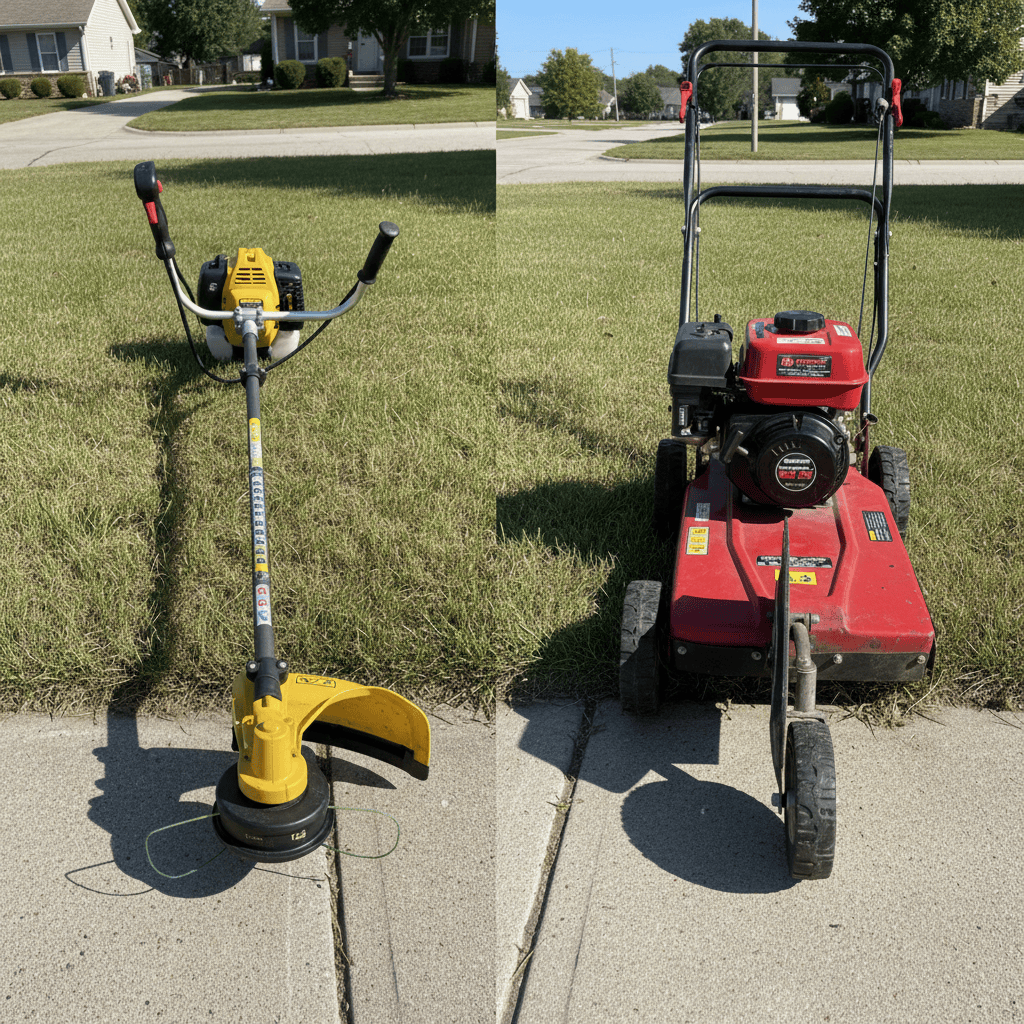
An edger trimmer is a landscaping tool designed to create a clean, defined border between your lawn and adjacent surfaces like sidewalks, driveways, and flower beds. The term “edger trimmer” can refer to two primary tool types, and understanding the difference is crucial for effective use.
- String Trimmer with Edging Function: This is a versatile tool, often called a “string trimmer,” “weed whacker,” or “weed eater.” It uses a rapidly spinning line (string) to cut grass and weeds. Many models have a feature that allows you to rotate the cutting head 90 degrees, converting it from a horizontal trimmer to a vertical edger.
- Dedicated Edger: This tool is built specifically for edging. It typically has a metal blade (often a half-moon or vertical blade) and a guide wheel. It cuts a precise, trench-like edge by slicing through turf and soil along a hardscape boundary.
Choosing between them depends on your needs. A string trimmer with edging is ideal for general lawn maintenance and occasional edging. A dedicated edger is best for homeowners who want a perfectly manicured, professional-looking edge and have significant hardscape borders to maintain.
Essential Safety Precautions
Operating any power tool requires strict adherence to safety protocols to prevent injury. Before using your edger trimmer, always take these precautions.
- Wear Appropriate Safety Gear:
- Eye Protection: Safety glasses or goggles are mandatory to protect against flying debris like rocks, dirt, and grass clippings.
- Hearing Protection: Both gas-powered and electric edgers can produce noise levels that may cause hearing damage over time. Use earplugs or earmuffs.
- Gloves: Sturdy work gloves improve grip and protect your hands from vibration and minor scrapes.
- Sturdy Footwear: Wear closed-toe shoes or boots with good traction to prevent slips.
- Long Pants: Protect your legs from debris.
- Perform Pre-Operation Checks:
- Inspect the Tool: Check for any loose parts, damaged cords (for electric models), or dull blades/string.
- Clear the Work Area: Remove rocks, sticks, toys, and other debris from the edging path. These can become dangerous projectiles.
- Check Fuel/Battery: For gas models, ensure proper fuel mix and no leaks. For cordless models, ensure the battery is charged and securely attached.
- Know Your Surroundings: Be aware of bystanders, pets, windows, and vehicles. Keep a safe distance.
Step-by-Step Operating Instructions
The technique differs slightly between the two main tool types. Follow the instructions for your specific edger.
Using a String Trimmer in Edging Mode
- Convert to Edging Position: Most string trimmers have a button or latch that allows you to rotate the cutting head from horizontal to vertical. Engage this mechanism until the head clicks into the edging position.
- Adjust the Handle: Set the handle to a comfortable height that allows you to stand upright with a slight bend in your elbows. This reduces back strain.
- Start the Tool: Follow the manufacturer’s instructions for starting your specific model (pull-start for gas, button/trigger for electric).
- Position the Tool: Hold the trimmer firmly with both hands. Stand to the side of the edging line (on the lawn side). The spinning string should be positioned vertically, just outside the edge of the grass.
- Edge the Lawn: Walk slowly and steadily along the border. Keep the string aligned with the edge of the hardscape (sidewalk, driveway). The goal is to let the string trim the overhanging grass and define the edge. Do not force the tool; let the string do the work.
- Overlap Passes: For a cleaner edge, you may need to make a second pass slightly further into the lawn to catch any missed grass.
Using a Dedicated Edger
- Set the Blade Depth: Most dedicated edgers have an adjustment lever or knob that controls how deep the blade cuts. Start with a shallow depth (about 1-2 inches) and adjust as needed.
- Position the Guide Wheel: Place the guide wheel on the hardscape surface (sidewalk, driveway). The blade should be positioned just off the edge, ready to cut into the turf.
- Start the Tool: Start the engine or motor according to the manufacturer’s instructions.
- Edge the Lawn: Hold the handle firmly. Walk forward at a steady, slow pace, keeping the guide wheel on the hardscape and the blade cutting a vertical line along the grass edge. The tool will slice through the turf, creating a clean trench.
- Maintain a Straight Line: Focus on keeping the guide wheel in constant contact with the hardscape edge. This ensures a straight, consistent cut.
Tips for a Professional-Looking Edge
Achieving a clean, manicured edge goes beyond basic operation. Follow these tips for superior results. Readers comparing setup options can review our technical analysis on z890 vs x870e motherboard.
- Edge After Mowing: Edge your lawn after you mow. This allows you to see the true edge of the grass and prevents freshly cut grass from obscuring your line.
- Work in a Consistent Direction: Always edge in the same direction along a path for a uniform look.
- Handle Obstacles Carefully: When you encounter rocks, tree roots, or sprinkler heads, slow down and carefully maneuver around them. You may need to switch to hand tools like shears for precise work around delicate obstacles.
- Clean Up Clippings: After edging, use a leaf blower or rake to clear the grass clippings from the hardscape and the newly cut edge. This reveals your clean work and prevents clippings from washing onto the lawn.
- Edge Regularly: Edging is most effective when done regularly (e.g., weekly or bi-weekly during the growing season). This prevents grass from overgrowing the hardscape, making each session quicker and easier.
Basic Maintenance and Storage
Proper care extends the life of your edger trimmer and ensures it’s ready for the next use.
- Cleaning After Use:
- Remove any grass clippings, dirt, or debris from the blade, string head, guard, and motor housing. A brush or compressed air works well.
- Wipe down the handle and body with a damp cloth.
- Blade/String Maintenance:
- String Trimmers: Check the string for wear and replace it when it becomes too short or frayed. Ensure the spool is wound correctly.
- Dedicated Edgers: Inspect the blade for dullness or damage. Sharpen or replace the blade as needed according to the manufacturer’s recommendations.
- Long-Term Storage:
- Gas Models: Follow manufacturer guidelines. This often involves adding a fuel stabilizer, running the engine to circulate it, and then draining the fuel tank or running the engine until it stalls. Remove the spark plug and add a small amount of oil to the cylinder.
- Electric/Cordless Models: Remove the battery and store it separately in a cool, dry place. Clean the tool thoroughly before storing.
- Store the edger in a dry, protected area like a shed or garage, away from extreme temperatures and moisture.
Frequently Asked Questions About How To Use Edger Trimmer
What is the difference between an edger and a trimmer?
A trimmer (or string trimmer) is a versatile tool primarily designed to cut tall grass and weeds in areas a mower can’t reach. Many trimmers have an edging function. A dedicated edger is a specialized tool built solely for creating a clean, trench-like border along hardscapes. It uses a metal blade and typically provides a more precise, deeper edge than a trimmer. For complementary field maintenance guidelines, examine our breakdown of marshall stanmore iii vs harman kardon onyx studio 8.
When should I use an edger trimmer versus a regular string trimmer?
Use a regular string trimmer for general grass cutting along fences, around trees, and in tight corners. Use an edger trimmer (either a trimmer in edging mode or a dedicated edger) specifically when you want to define the boundary between your lawn and a sidewalk, driveway, patio, or flower bed to create a neat, professional appearance.
How often should I edge my lawn?
For a consistently neat appearance during the growing season, edging weekly or bi-weekly is ideal. This prevents grass from overgrowing onto hardscapes, making each edging session faster and easier. In cooler months or for slower-growing grass, monthly edging may suffice.
Can I use an edger trimmer on uneven ground?
Yes, but it requires extra care. For a string trimmer, maintain a steady hand and adjust your walking pace. For a dedicated edger, the guide wheel helps, but you may need to manually adjust the depth or angle to follow contours. On very uneven terrain, you might achieve a better result by using hand tools like edging shears for final touch-ups.
Edger Use and Safety Reading
An edger trimmer works best when held at a steady angle along the edge of a walkway, with the guard in place and feet kept well back. Readers who also maintain engines can see lawn mower oil for related upkeep tips. Safety background on handheld outdoor tools also comes from American National Standards Institute (ANSI).