Direct Answer: What Does ‘Mulcher’ Mean?
A mulcher is a tool or machine designed to shred organic materials, such as leaves, grass clippings, small branches, and other yard waste, into small, uniform pieces. This shredded material is known as mulch. The primary purpose of a mulcher is to break down garden and landscape debris efficiently, transforming it into a useful product for soil coverage and composting.

Pros
- Listed with a detachable snow plow attachment
- 9HP gas engine, per manufacturer
- 5.9-inch tracks for listed traction
- Remote control up to 600 meters, per listing
- Remote adjusts height, speed, and direction
Cons
- Weighs 302 pounds, which limits transport and handling
- Runtime and snow-clearing claims are unverified

Pros
- Powerful 9HP gas engine handles heavy-duty cutting of dense vegetation and brush.
- Track drive system offers excellent slope climbing ability and reduced tipping risk on rough ground.
- Long 600m RC range enhances operator safety and control precision across expansive areas.
- Multi-function design with snow plow maximizes year-round utility beyond lawn care.
- Adjustable cutting height and durable build suit orchards, farms, and commercial landscaping.
Cons
- Gas engine requires fuel refills, oil changes, and regular maintenance unlike quieter electric alternatives.
- Approximately 1-hour runtime per tank may require frequent refueling on very large properties.
- Remote-controlled operation demands an active operator rather than fully autonomous mowing.
The BisonTek Control Track Lawn Mower is a heavy-duty remote-controlled robotic unit built around a 9HP gas engine and crawler track drive. It features industrial-grade 5.9-inch tracks for stability and arrives with a detachable snow plow, spare blade, air filter, and manual in a reinforced wooden crate. Immediate impressions highlight its robust construction aimed at challenging outdoor environments rather than simple flat lawns.
Performance centers on strong torque for thick grass and weeds via the 21.6-inch cutting width and adjustable height. The track system delivers reliable traction on mud, uneven ground, and steep inclines found in orchards or commercial sites. Users control travel direction, speed, and height from up to 600 meters away, while the 1.2L tank supports roughly one hour of continuous work. The snow plow attachment adds winter clearing capability for driveways and paths.
Key considerations include the ongoing need for gasoline and engine upkeep, which adds cost and effort compared to battery models. The one-hour runtime can interrupt longer sessions on extensive acreage, and the system depends on remote operation instead of independent navigation. No advanced sensors or mapping features are noted in the specifications.
This mower suits property owners, farmers, or landscapers managing slopes, rough terrain, orchards, or commercial grounds who value power, multi-season versatility, and remote convenience. Those seeking quiet electric operation, longer runtimes, or hands-free autonomy may prefer different solutions. Overall it delivers solid value for demanding all-season outdoor maintenance tasks.
Pros
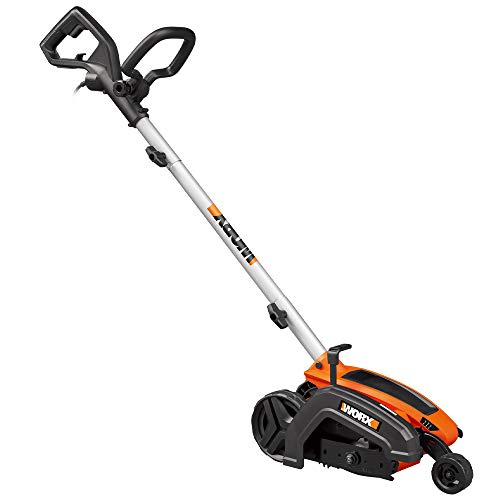
- Three cutting depths: 1, 1-1/4, and 1-1/2 inches
- 12 amp motor, manufacturer-rated at 4700 RPM
- Cutting line indicator helps guide straight edges
- Adjustable shaft and D-grip handle for different user heights
- Dual-use design for both lawn edging and trenching
Cons
- Corded tool with only a 1-foot built-in power cord
In simple terms, a mulcher is a shredder for garden waste. It differs from a standard shredder or chipper in that it is specifically optimized for creating mulch, which is then spread over soil. A mulching lawn mower, for example, is a type of mulcher that finely chops grass clippings and returns them directly to the lawn.
What Is a Mulcher Used For? (Purpose & Main Uses)
The core function of a mulcher is to reduce the volume of organic yard waste and convert it into a beneficial garden resource. Here are its primary uses:
- Garden and Landscape Maintenance: It quickly processes leaves, twigs, and prunings, making cleanup faster and reducing the amount of waste sent to landfills.
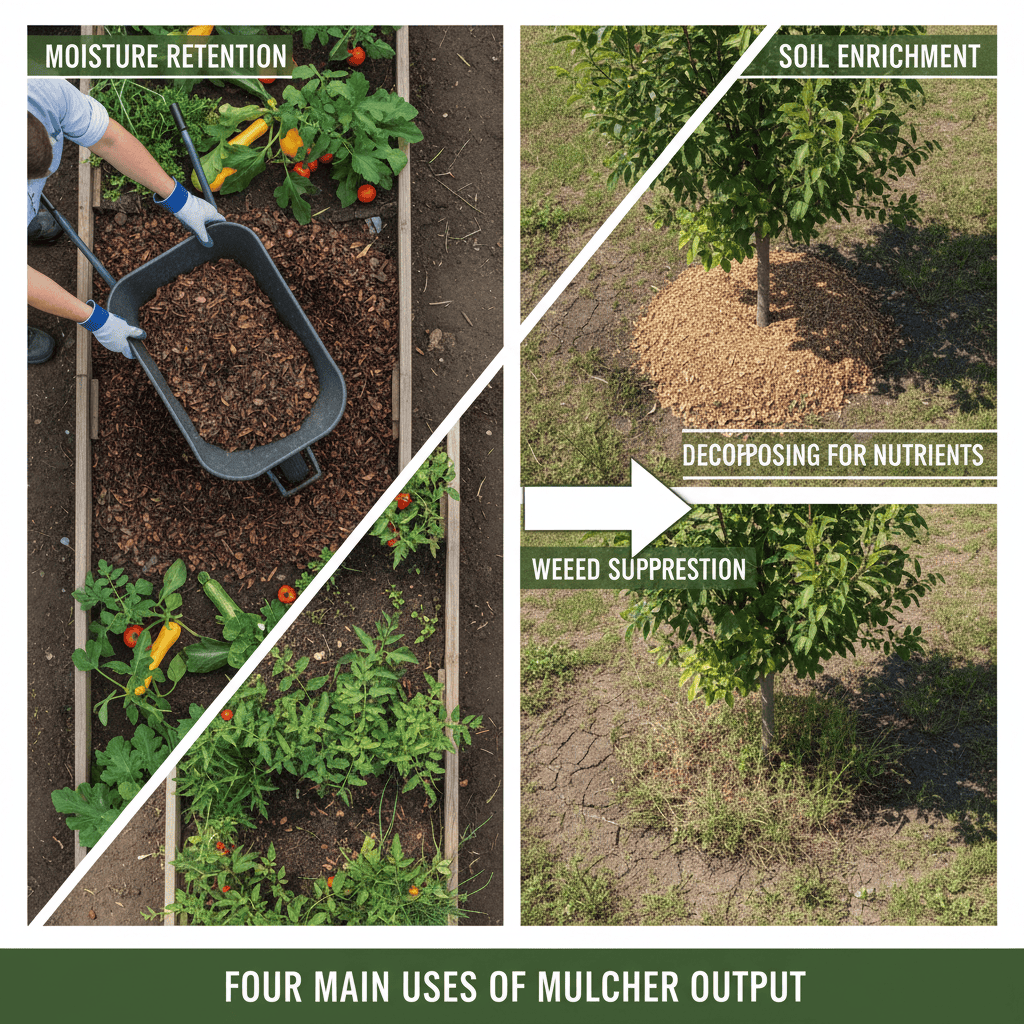
- Soil Health Improvement: The resulting mulch, when spread over garden beds, helps retain soil moisture by reducing evaporation, regulates soil temperature, and suppresses weed growth by blocking sunlight.
- Composting: Shredded material decomposes much faster than whole pieces, accelerating the composting process.
- Yard Waste Disposal: It significantly reduces the volume of waste, making it easier to manage or bag for municipal collection.
Common materials that can be processed by a mulcher include dry leaves, grass clippings, small branches (typically under 2 inches in diameter), wood chips, and other non-woody plant debris.
Common Types of Mulchers (How They Differ)
The term “mulcher” covers a wide range of equipment, from simple handheld tools to large industrial machines. Understanding the types helps clarify the scope of the term.
- Handheld or Electric Garden Mulchers: These are small, portable devices, often electric, designed for light-duty work like shredding leaves and small garden debris in a residential setting.
- Mulching Lawn Mowers: These are lawn mowers equipped with a special blade and deck design that finely chops grass clippings into tiny pieces (mulch) and disperses them back onto the lawn, where they decompose and fertilize the grass.
- Chipper-Shredders: This is a more robust, often gas-powered machine that combines two functions. It can chip larger branches into wood chips (using a chipping mechanism) and shred lighter material like leaves and twigs (using a shredding mechanism). This is the most common type of dedicated mulcher for homeowners with medium to large yards.
- Industrial Wood Chippers/Mulchers: These are heavy-duty, large-scale machines used by professional landscapers, arborists, and municipalities. They can process very large branches and significant volumes of wood waste into mulch or wood chips.
A basic shredder might only handle soft, green material, while a chipper-shredder is designed for a mix of woody and leafy debris. A mulching mower is specialized for grass and operates continuously during mowing. To evaluate matched hardware tolerances, consult our detailed overview of z890 vs x870e motherboard.
How Mulching Works: Step-by-Step Process
The general operation of a mulcher involves feeding, shredding, and collecting or distributing the mulch. The exact steps depend on the type of machine.
- Preparation: Gather and sort the material. Remove any non-organic debris like rocks, metal, or plastic. For a chipper-shredder, separate larger branches from leafy material.
- Feeding: Carefully feed the material into the machine’s hopper or chute. Always follow the manufacturer’s guidelines for maximum branch diameter and material type. Never force material in.
- Shredding/Chipping: The machine’s internal blades, hammers, or flails cut, tear, and grind the material into small pieces. The size of the output mulch is determined by the machine’s design and screen size.
- Collection or Dispersal: The mulch is either collected in an attached bag or bin (common with electric models and chipper-shredders) or, in the case of a mulching mower, is dispersed directly onto the lawn.
- Application: The collected mulch is then spread evenly over garden beds, around trees, or added to a compost pile.
Most mulchers can handle both dry and wet material, but dry material typically shreds more easily and produces a finer mulch. Wet material may clump and can be harder on the machine. When planning workspace deployment, consider the engineering criteria outlined in our marshall stanmore iii vs harman kardon onyx studio 8 guide.
Key Factors to Consider Before Using or Choosing a Mulcher
Selecting and using a mulcher involves practical considerations for safety, efficiency, and suitability for your specific needs.
- Yard Size and Waste Volume: A small, electric handheld mulcher is sufficient for a small suburban yard with mostly leaves. A larger property with trees and shrubs generating branches will require a gas-powered chipper-shredder.
- Material Type: Consider what you will primarily be shredding. If it’s only grass, a mulching mower is ideal. For a mix of leaves and small branches, a chipper-shredder is necessary. For thick branches, a dedicated wood chipper is required.
- Safety Precautions: Always wear safety glasses, hearing protection, and sturdy gloves. Keep hands and loose clothing away from the hopper. Never attempt to clear a jam while the machine is running. Read and follow the operator’s manual completely.
- Maintenance: Mulchers require regular maintenance, including cleaning after use, checking and sharpening or replacing blades, and for gas models, engine maintenance like oil changes and spark plug checks.
Summing Up: Is a Mulcher Worth It for Your Garden?
For homeowners who regularly generate yard waste, a mulcher can be a valuable tool. It transforms a waste problem into a garden resource, saving time on cleanup and money on bagged mulch or compost. The benefits include improved soil health, reduced weeds, and less waste sent to landfills. For additional operational safety benchmarks, see our published testing notes on dyson v8 cyclone vs bissell featherweight stick.
If you have a small lawn and minimal trees, the benefits of mulching can still be achieved by using a mulching mower or by simply leaving grass clippings on the lawn. For larger properties, investing in a dedicated mulcher like a chipper-shredder is often worthwhile. Alternatively, many municipalities offer yard waste collection or composting programs.
Everything You Need to Know: What Does Mulcher Mean FAQ
What is the difference between a mulcher and a chipper?
A mulcher is a general term for any machine that shreds organic material into mulch. A chipper is a specific type of machine designed primarily to cut larger branches and logs into uniform wood chips. Many machines sold for home use are “chipper-shredders,” combining both functions: they chip branches and shred lighter material like leaves. To compare alternative configurations, check our hands-on review of bissell crosswave hydrosteam vs shark stainforce.
Can I use a mulcher on wet leaves and grass?
Yes, most mulchers can handle wet material, but it is generally easier and more efficient to mulch dry material. Wet leaves and grass can clump together, potentially clogging the machine, and may produce a coarser, less uniform mulch. It’s often recommended to let material dry slightly before mulching if possible.
What safety gear do I need when operating a mulcher?
Essential safety gear includes safety glasses or goggles to protect from flying debris, hearing protection (earplugs or earmuffs) as mulchers are loud, and sturdy work gloves. Avoid wearing loose clothing, jewelry, or anything that could get caught in the machine. Always operate the mulcher on stable, level ground.
How do I maintain my mulcher?
Regular maintenance includes cleaning the machine after each use to prevent material buildup, inspecting and sharpening or replacing cutting blades or hammers as needed, and checking all bolts and fasteners for tightness. For gas-powered models, follow the engine maintenance schedule in the manual, which includes oil changes, air filter cleaning, and spark plug replacement.
Mulcher Terms and Safety Reading
A mulching mower chops clippings finely and returns them to the lawn, a result that depends on blade design and deck shape. Those who also trim edges may find how to replace weed wacker string a practical next read. For general safety background on lawn machines, see American National Standards Institute (ANSI).