How to Drain Gas From a Lawn Mower
To drain gas from a lawn mower, you can use one of three primary methods: siphoning the fuel out through the tank, using a drain plug if your mower has one, or running the engine until it consumes all the fuel. The safest and most common method for most homeowners is siphoning. Always work in a well-ventilated area away from ignition sources, wear protective gloves and eyewear, and dispose of the gasoline properly at a designated hazardous waste facility.
Why Would You Need to Drain Gas From a Lawn Mower?
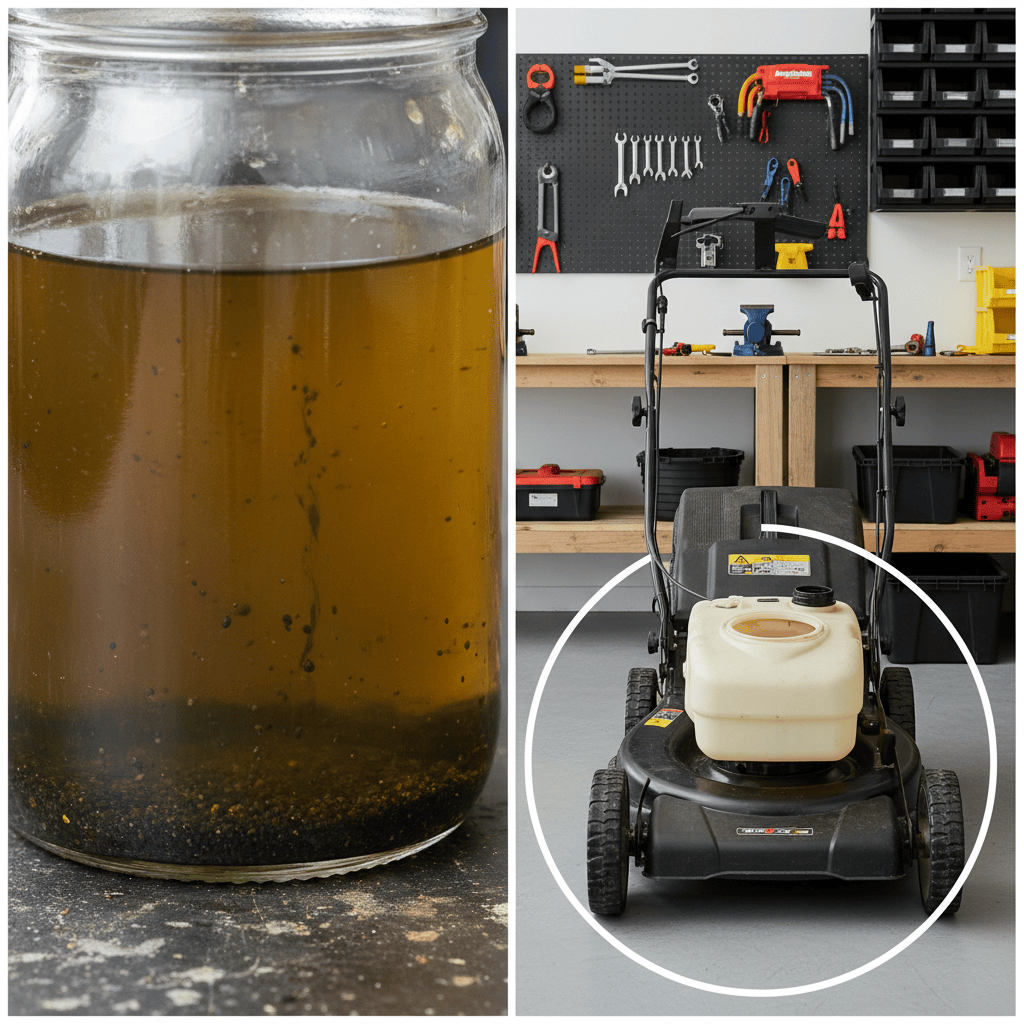
Before diving into the “how,” it’s important to understand the “why.” Draining the gas from your lawn mower is a crucial maintenance task for several reasons:
- Preventing Fuel Degradation: Gasoline can break down and become stale in as little as 30 days. Old fuel can gum up the carburetor, clog fuel lines, and make the engine difficult or impossible to start.
- Safe Storage: For long-term storage, especially over winter, a full tank of gas increases the risk of fuel leaks, evaporation, and potential fire hazards. An empty tank is safer and prevents internal corrosion.
- Maintenance and Repair: To safely perform work on the fuel system, carburetor, or fuel lines, you must first remove the gasoline to prevent spills and fire risks.
- Safety: Draining gas is essential if the mower is being transported, sold, or if there’s been a fuel spill or contamination.
What Safety Precautions Are Essential Before Draining Gas?
Gasoline is highly flammable and its fumes are hazardous. Safety is non-negotiable. Follow these precautions:
- Work in a Well-Ventilated Area: Always perform this task outdoors or in a very well-ventilated garage with the door open. Never work near open flames, pilot lights, or sparks.
- Wear Protective Gear: Use nitrile gloves to protect your skin and safety glasses to shield your eyes from splashes.
- Have a Fire Extinguisher Ready: Keep a Class B fire extinguisher (rated for flammable liquids) nearby.
- Use Approved Containers: Have a clean, approved gas can ready to receive the drained fuel. Never use glass or plastic containers not designed for gasoline.
- Disconnect the Spark Plug: Before starting any work, disconnect the spark plug wire to prevent accidental engine starts.
What Tools and Materials Do You Need to Drain the Gas?
The tools required depend on the method you choose. Here’s a general list:
- For Siphoning: A manual siphon pump (hand-operated is safest), a length of clear vinyl tubing, and an approved gas can.
- For Using a Drain Plug: A wrench or socket set (to remove the plug), a drain pan or bucket, and an approved gas can.
- For Running the Engine Dry: No special tools are needed, but you will need a way to safely dispose of any residual fuel in the carburetor bowl.
- General Supplies: Nitrile gloves, safety glasses, rags or paper towels for spills, and a funnel.
How to Drain Gas From a Lawn Mower: Three Common Methods
Method 1: Siphoning the Fuel (Most Common & Recommended)
Siphoning is ideal for removing most of the fuel without starting the engine. It’s safe and effective for most modern mowers.
- Prepare: Place the mower on a level surface. Disconnect the spark plug wire. Have your approved gas can and siphon pump ready.
- Position the Containers: Place the empty gas can on the ground below the level of the mower’s fuel tank. The mower’s tank must be higher than the receiving can for gravity to assist.
- Insert the Siphon: Feed the short end of the siphon tube into the mower’s fuel tank, ensuring it reaches the bottom. Place the long end securely into the opening of the gas can.
- Start the Flow: Use the manual pump to start the siphoning action. Once fuel begins to flow, gravity will typically keep it moving. Monitor the process closely.
- Finish: When the fuel level is low or the flow stops, remove the tubes. Secure the cap on the gas can and the mower’s fuel tank.
Method 2: Using the Drain Plug (If Equipped)
Some lawn mower fuel tanks have a drain plug or bolt at the bottom. Check your owner’s manual to see if your model has this feature.
- Locate the Plug: It’s usually a small bolt or plastic plug at the lowest point of the fuel tank.
- Prepare the Area: Place a drain pan or bucket directly under the plug. Have your approved gas can and a funnel nearby.
- Remove the Plug: Using the correct wrench, carefully loosen and remove the drain plug. Fuel will begin to drain out.
- Drain and Replace: Allow all fuel to drain. Once empty, clean the plug and the area, then securely reinstall the plug. Do not overtighten.
Method 3: Running the Engine Dry
This method uses up the remaining fuel in the tank and carburetor. It’s best for ensuring the carburetor is empty but is not the safest option for large amounts of fuel.
- Prepare: Work outdoors in a well-ventilated area. Have an approved gas can ready to capture any fuel you might drain first.
- Optional Pre-Drain: If the tank is more than half full, it’s safer to siphon or drain most of the fuel first using Method 1 or 2.
- Start the Engine: Reconnect the spark plug wire. Start the mower and let it run normally.
- Wait for Stall: The engine will eventually sputter and stall as it consumes the last of the fuel. This may take several minutes.
- Final Step: Once stalled, the fuel tank and carburetor bowl should be empty. Disconnect the spark plug wire again for safety.
What Should You Do With the Drained Gasoline?
Proper disposal is critical for environmental and safety reasons.
- Temporary Storage: Store the gasoline in a sealed, approved container in a cool, well-ventilated area away from living spaces and ignition sources. Use it within a month for best results, or add a fuel stabilizer if you plan to store it longer.
- Proper Disposal: Never pour gasoline down the drain, on the ground, or into a storm sewer. Take it to a local hazardous waste collection facility, a recycling center that accepts motor fuel, or an auto parts store that offers recycling services.
How Can You Prevent Gas-Related Problems in the Future?
A little prevention can save you from having to drain gas for repairs.
- Use Fuel Stabilizer: Adding a fuel stabilizer to fresh gasoline before storing the mower for more than a month prevents degradation and gumming.
- Follow a Fuel Rotation Schedule: For mowers used frequently, use the oldest fuel first. For seasonal use, drain the tank at the end of the season or use a stabilizer.
- Proper Long-Term Storage: For winter storage, the best practice is to either run the tank dry (after siphoning most fuel) or fill it completely with stabilized fuel to prevent condensation. Consult your owner’s manual for the manufacturer’s recommendation.
Frequently Asked Questions
Can I use a regular garden hose to siphon gas?
No. You should only use a siphon pump and clear vinyl tubing designed for fuel transfer. Garden hoses are not designed for this purpose and can degrade, contaminate the fuel, or be difficult to control, increasing spill and fire risks.
How do I know if my lawn mower has a drain plug?
Consult your owner’s manual. If you don’t have it, look for a small bolt or plastic plug at the very bottom of the fuel tank. It is often located near where the fuel line connects to the tank.
Is it safe to siphon gas by mouth?
Absolutely not. Siphoning gasoline by mouth is extremely dangerous. Inhaling gasoline fumes can cause dizziness, nausea, and serious lung damage. There is also a severe risk of accidentally ingesting the fuel, which is poisonous. Always use a manual siphon pump.
What if my mower won’t start after I drain the gas and add fresh fuel?
If the mower was drained because of old, stale fuel, the carburetor may still be clogged. You may need to clean or rebuild the carburetor. Adding a fuel system cleaner to the new gas can sometimes help, but if the clog is severe, professional service may be required.