How Short Should You Mow Your Lawn? (Optimal Height Guide by Grass Type)
Finding the perfect mowing height is crucial for a healthy, attractive lawn. Cut too short, and you risk scalping, stressing the grass, and inviting weeds. Leave it too long, and you may encourage thatch, disease, and a messy appearance. This guide explains how to determine the right height for your specific lawn.
What Determines the Right Mowing Height?
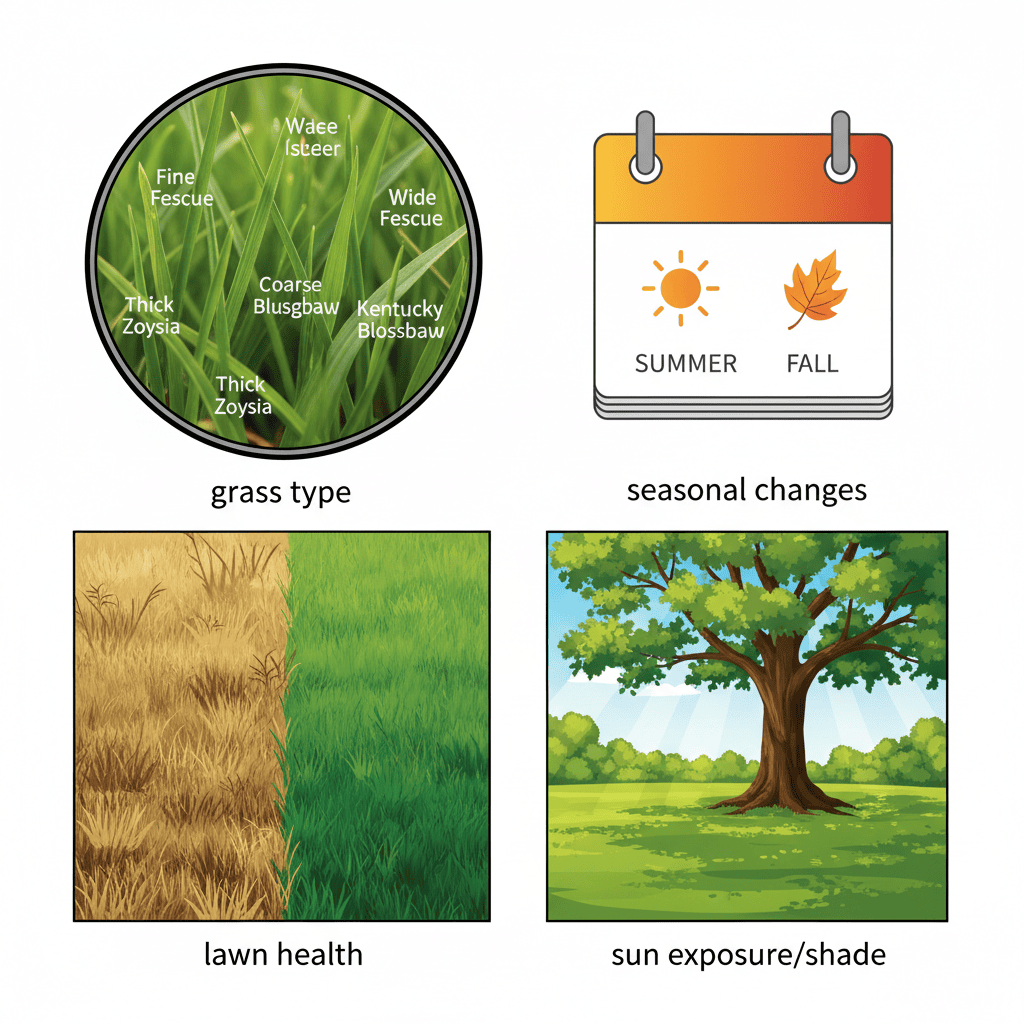
There is no single universal answer because the optimal height is influenced by several key factors:
- Grass Type: This is the most important factor. Cool-season grasses (like Fescue and Kentucky Bluegrass) generally prefer taller heights, while warm-season grasses (like Bermuda and Zoysia) can often be mowed shorter.
- Season: Most lawns benefit from being mowed slightly taller during the stress of summer heat and drought. A taller canopy shades the soil, conserving moisture and protecting roots.
- Lawn Health & Stress: If your lawn is recovering from disease, pest damage, or drought, raising the mowing height gives the grass more leaf area to photosynthesize and rebuild energy.
- Shade: Lawns in shady areas should generally be mowed 1-2 inches taller than those in full sun to maximize the limited light available for photosynthesis.
Recommended Mowing Heights by Grass Type
Use this table as a starting point. Always observe how your specific lawn responds and adjust accordingly.
| Grass Type | Category | Recommended Mowing Height |
|---|---|---|
| Kentucky Bluegrass | Cool-Season | 2.5 to 3.5 inches |
| Fine Fescue | Cool-Season | 3 to 4 inches |
| Tall Fescue | Cool-Season | 3 to 4 inches |
| Perennial Ryegrass | Cool-Season | 2.5 to 3.5 inches |
| Bermuda Grass | Warm-Season | 1 to 2 inches (can be lower for golf-course look) |
| Zoysia Grass | Warm-Season | 1 to 2.5 inches |
| St. Augustine Grass | Warm-Season | 2.5 to 4 inches |
| Bahia Grass | Warm-Season | 2 to 3 inches |
Note: Mowing a grass type below its recommended range (scalping) can severely damage the plant, kill the crown, and allow weeds to invade.
The One-Third Rule: How Much to Cut at Once
This is the golden rule of mowing. Never remove more than one-third of the total grass blade height in a single mowing session.
- Why it matters: The grass blade is the plant’s food factory. Removing too much at once shocks the plant, depletes its energy reserves, and forces it to pull nutrients from the roots to regrow, weakening the entire turf.
- If your grass is overgrown: Do not try to cut it to the ideal height in one pass. Instead, raise your mower to a high setting and remove only the top third. Wait a few days and mow again, gradually lowering the deck until you reach your target height.
- Damage from over-cutting: Cutting more than one-third can lead to scalping (brown, bare patches), increased susceptibility to disease and drought, and a surge in weed growth as sunlight reaches the soil.
Seasonal Adjustments and Mowing Best Practices
Adjust your mowing habits throughout the year:
- Spring: As growth accelerates, you may need to mow more frequently. Stick to your grass type’s recommended height.
- Summer: To protect your lawn from heat stress, consider raising the mowing height by 0.5 to 1 inch. This shades the soil and helps retain moisture. Mow in the early morning or evening to avoid the midday heat.
- Fall: As growth slows, you can gradually lower the mower back to the standard height. A slightly shorter cut before winter can help prevent snow mold in some climates, but avoid cutting too short.
- Drought Conditions: When water is scarce, raise the mower height. Taller grass develops deeper roots and is more drought-tolerant.
Step-by-Step: How to Set Your Mower Height
Ensuring your mower is set correctly is essential for consistent results.
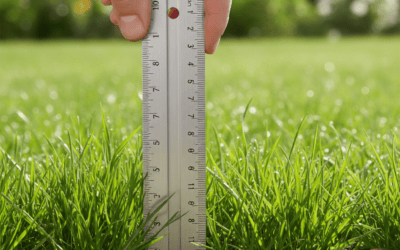
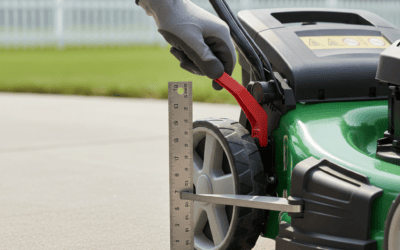
- Check the Current Setting: With the mower on a flat surface, measure the distance from the ground to the bottom of the mower deck at the blade’s lowest point. This is your actual cutting height.
- Adjust the Deck: Most rotary mowers have a single lever or individual wheel adjusters. Consult your mower’s manual. Move the lever to the desired height setting (e.g., 3 inches).
- Verify on All Wheels: If you have individual adjusters, ensure all four wheels are set to the same height for an even cut.
- Test and Measure: Mow a small test strip and measure the height of the cut grass to confirm it matches your setting.
Common Mistake: Setting the mower on uneven ground can lead to an inaccurate height setting. Always adjust on a flat, hard surface like a driveway.
Frequently Asked Questions
What is the best general height range for most lawns?
For the vast majority of home lawns, a mowing height between 2.5 and 3.5 inches is ideal. This range supports healthy root growth, shades the soil to prevent weeds, and provides a neat appearance. Always prioritize the specific recommendation for your grass type.
How do I combine grass type, season, and the one-third rule?
First, identify your grass type and set your mower to the lower end of its recommended range. Then, monitor your lawn’s growth. Mow frequently enough that you are only cutting off the top one-third of the blade. In summer heat, raise the height by half an inch. This simple approach keeps your lawn healthy year-round.
When should I raise the mower height beyond the standard range?
You should raise the mower height during periods of environmental stress. This includes summer heat and drought, when the lawn is recovering from disease or pest damage, or when mowing a lawn that is in a heavily shaded area. Raising the height helps the grass conserve energy and recover faster.
What happens if I mow my lawn too short?
Mowing too short, or scalping, is harmful. It removes the plant’s food source, exposes the soil to weed seeds, stresses the root system, and can kill the grass crowns. This leaves your lawn brown, thin, and vulnerable to further damage from heat, cold, and disease.