Direct Answer: To cut grass on a riding mower, perform pre-operation safety checks (fuel, oil, blade condition), adjust cutting height based on your grass type and season, familiarize yourself with all controls, mow in overlapping passes using consistent patterns, and maintain proper speed and posture. Always wear safety equipment, keep hands and feet clear of moving parts, and perform basic maintenance after each use.
Pre-Operation Safety Checks
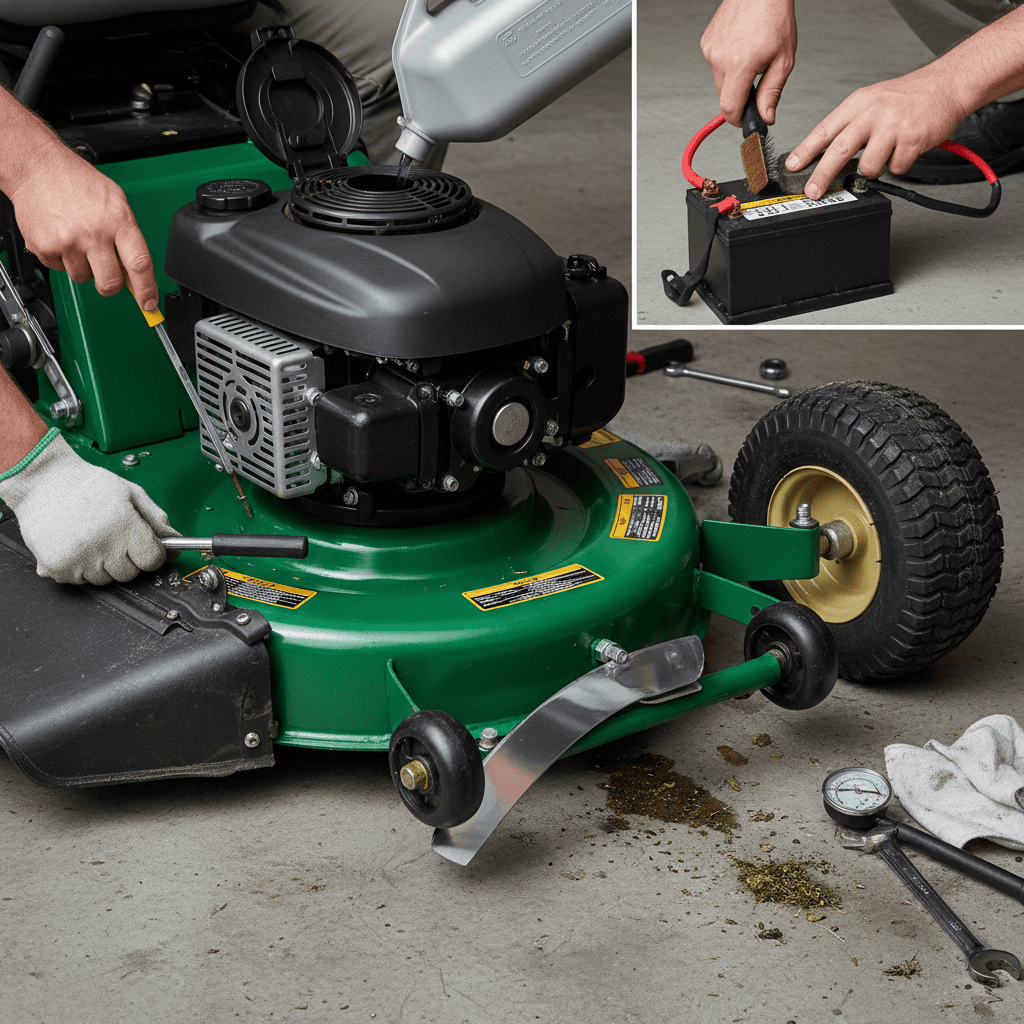
Before starting your riding mower, establish a safe operating foundation by performing a thorough inspection. These checks take 5-10 minutes but significantly reduce the risk of equipment failure and injury during operation.
Fuel and Oil Levels
Check your fuel tank first. Most residential riding mowers hold 2-4 gallons of fuel. Fill the tank the day before mowing if possible, allowing any sediment to settle. Use fresh fuel without ethanol when available, as ethanol can damage fuel injectors and carburetors over time. Check the engine oil level using the dipstick (typically located on the side of the engine). The oil should reach the full mark on the stick. For most mowers, this means 1.5-2 quarts of oil. Never operate with low oil, as this causes engine damage.
Blade and Deck Inspection
Before each mowing session, visually inspect the mower deck and blades. With the engine off and the ignition key removed, get down and look for:
- Bent, cracked, or missing blades
- Grass buildup on the deck (dried clippings create fire hazards)
- Loose bolts or fasteners
- Damage to the deck frame or housing
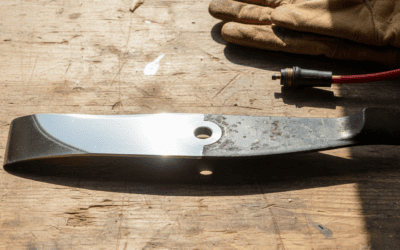
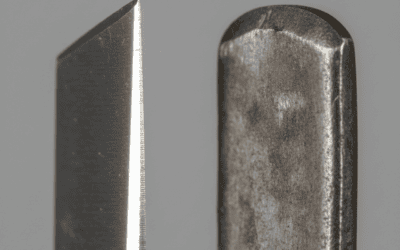
If blades are dull (they should be sharp enough to easily cut paper), they’ll tear grass rather than cut cleanly, making the lawn vulnerable to disease. Dull blades also force the engine to work harder, consuming more fuel. Sharpen or replace blades every 20-25 hours of mowing, or more frequently if you hit rocks or debris.
Tire and Belt Condition
Check tire pressure (typically 10-15 PSI for riding mowers) to ensure even cutting height. Inspect belts for cracks or fraying. Worn belts slip and reduce blade speed, resulting in poor cutting performance. Look at the battery terminals if your mower is electric-start and ensure they’re clean and tight.
Understanding Cutting Height and Grass Type
Proper cutting height depends on your grass species and the season. Cutting too short stresses the grass, promotes weed growth, and can scalp your lawn if the ground is uneven.
Recommended Heights by Grass Type
| Grass Type | Recommended Height | Season Notes |
| Kentucky Bluegrass | 2.5–3.5 inches | Higher in summer to shade soil |
| Perennial Ryegrass | 2–3 inches | Tolerates lower cutting |
| Tall Fescue | 3–4 inches | Deep roots benefit from height |
| Bermuda Grass (warm-season) | 1.5–2.5 inches | Lower in growing season |
| Zoysia Grass | 1.5–2.5 inches | Mow frequently at lower height |
| St. Augustine Grass | 2.5–3.5 inches | Higher setting reduces stress |
Seasonal Adjustment Strategy
Spring and fall: Mow at medium height (2.5–3.5 inches for cool-season grasses) to support root development and recovery. Summer: Raise the cutting height by 0.5 inch to shade the soil and reduce heat stress. This practice also helps prevent crabgrass germination. The “one-third rule” states you should never remove more than one-third of the grass blade in a single mowing. If your lawn has grown tall, mow once, wait 2-3 days, then mow again at the desired height.
Adjusting Cutting Height
Most riding mowers have a lever or dial on each wheel or a central adjustment lever that raises or lowers the deck. Some commercial and premium models have hydraulic height adjustment. Check your owner’s manual for the specific method. When adjusting, park on flat ground and lower the deck to verify the cutting height matches your target. Make sure all four wheels are set to the same height to avoid uneven cutting.
Operating Controls and Getting Started
Familiarize yourself with all controls before starting the mower, especially if you’re using an unfamiliar machine.
Essential Controls
- Ignition Key: Standard on most mowers; turn clockwise to start, release once engine fires.
- Throttle/Choke: The choke restricts air intake on cold starts. Move it to the full choke position for a cold engine, then half-choke once it warms up.
- Blade Engagement Lever: Engages and disengages the cutting blades. This lever must be in the OFF position before starting.
- Transmission/Drive Lever: Controls forward and reverse movement. This is usually a foot pedal or a lever; neutral is the center position.
- Steering Wheel: Standard steering; some commercial mowers use dual-lever steering for zero-turn capability.
- Deck Level Indicators: Show the current cutting height setting.
Safe Startup Procedure
- Sit in the operator seat and ensure the seat switch (safety switch) is activated.
- Set the blade engagement lever to OFF.
- Set the transmission to NEUTRAL.
- Engage the parking brake.
- Set the choke to full choke (cold engine) or no choke (warm engine).
- Turn the ignition key clockwise and hold until the engine starts (typically 2-3 seconds).
- Release the ignition key; the engine should continue running.
- Gradually move the choke to the RUN position as the engine warms (30-60 seconds).
- Engage the blade lever slowly—never engage abruptly.
Speed and Positioning
Operate the mower at 50-75% of maximum throttle during normal mowing. Full throttle improves blade speed for cleaner cuts but increases fuel consumption and wear. Your optimal mowing speed depends on grass density and lawn slope; typically 4-6 mph. Position yourself upright in the seat with both feet on the deck and hands on the steering wheel. Lean back slightly if mowing on slight slopes, but never mow extremely steep hillsides (greater than 15 degrees) on a standard riding mower, as you risk tipping.
Mowing Patterns and Techniques
The way you mow affects both cutting quality and efficiency. Strategic patterns prevent ruts, reduce operator fatigue, and ensure even coverage.
Recommended Mowing Patterns
Perimeter Pattern: Start by mowing around the outer edge of your lawn in a rectangle or oval. This creates a border and prevents clippings from being thrown into landscaping. Then continue spiraling inward. This pattern works well for irregularly shaped yards.
Stripe Pattern: Mow in parallel lines across the lawn, overlapping each pass by 2-3 inches. This is the most common pattern for rectangular lawns and creates the classic striped appearance. Alternate the direction each week (north-south one week, east-west the next) to prevent soil compaction in the same line.
Diagonal Pattern: Mow at a 45-degree angle to the edges, which can reduce visible patterns and provide a more natural look over time.
Handling Obstacles
Slow down when approaching trees, rocks, gardens, or other fixed obstacles. Never try to mow over large debris—stop and remove it first, as objects can damage blades or be ejected from the mower chute. When mowing around trees, circle in a wide arc to avoid hitting the trunk or running over exposed roots. Leave a 6-12 inch unmowed border around obstacles and landscaping features; you can trim these with a string trimmer afterward.
Preventing Scalping and Uneven Cutting
Scalping occurs when the mower cuts into bare soil or removes too much grass, usually from:
- Uneven ground or ruts from previous mowing
- Deck height set too low
- Traveling at inconsistent speeds
- Worn or flat tires reducing deck height on one side
To avoid this, maintain consistent speed, check that all tires are properly inflated, and raise the deck height in areas with dips or ruts. Fill low spots with topsoil and seed during the off-season to level your lawn.
Safety Practices During Operation
Riding mower injuries are largely preventable through awareness and adherence to safety protocols.
Personal Protective Equipment
Always wear:
- Long pants and closed-toe shoes (never sandals or bare feet)
- Eye protection to shield against debris
- Hearing protection if mowing for extended periods (mowers exceed 85 dB)
- Sunscreen and a hat for UV and heat protection
Restricted Areas and Actions
- Never reach under the deck while the engine is running or blades are engaged.
- Keep children and pets at least 30 feet away from the mowing area.
- Do not mow barefoot or in loose clothing that could catch on moving parts.
- Avoid mowing in wet conditions when grass is slick, as traction is compromised.
- Never remove the grass catcher or discharge chute while the engine is running and blades are engaged.
- Do not refuel while the engine is hot or running.
Hills and Slopes
Most riding mowers are rated for slopes up to 15 degrees. Mow up and down slopes rather than side-to-side to reduce tipping risk. Reduce speed on slopes, engage the blade before you start climbing (not while ascending), and keep your weight centered. If your mower begins to slip or feels unstable, disengage the blade and slowly descend.
Emergency Stop
Know how to stop your mower immediately. Release the blade engagement lever to stop cutting, disengage the transmission (move to neutral), apply the brake, and turn off the ignition. Never jump off a moving mower.
Post-Mowing Maintenance and Care
Regular maintenance extends mower life and ensures it’s ready for the next use.
Deck Cleaning
Grass buildup on the deck creates fire hazards and reduces airflow, which impacts cutting performance. After mowing, allow the engine to cool for 15-20 minutes, then carefully use a stick or brush to remove dried grass from the underside of the deck. Never use a pressure washer on the deck while the engine is hot, as rapid cooling can warp metal. If using water, spray lightly and allow the deck to dry before storing.
Blade Maintenance
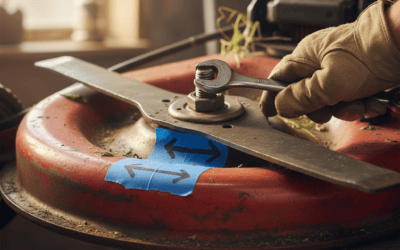
Inspect blades weekly during mowing season. If they’re visibly dull (the edge should be sharp enough to cut paper easily), sharpen or replace them. To sharpen, remove the blades (with the engine off and ignition key removed), mark the bottom side with paint, and use a metal file to sharpen the edge at the blade’s original angle. Maintain balance by removing equal material from each side—an unbalanced blade causes dangerous vibration. Most professionals recommend replacing blades annually or every 50-100 hours of use.
Engine Maintenance Schedule
- Every 8-10 hours: Check oil level and top off as needed.
- Every 50 hours or monthly (during season): Change oil and oil filter. Use the oil grade specified in your manual (typically SAE 10W-30).
- Every 100 hours or seasonally: Replace the air filter. A clogged air filter reduces performance and fuel efficiency.
- Every 200 hours or annually: Service the spark plug (clean or replace), inspect the fuel filter, and check all belts.
- Before winter storage: Drain old fuel or add a fuel stabilizer, change the oil, clean the air filter, and store in a dry location.
Battery Care (Electric-Start Models)
Charge the battery fully before the first use of the season. Keep battery terminals clean and tight. Store the battery indoors during winter to prevent freezing and sulfation. For gas-powered push starters, inspect the recoil cord for fraying.
Frequently Asked Questions
How Often Should You Sharpen Riding Mower Blades?
Sharpen blades every 20-25 hours of mowing or every 3-4 weeks during the growing season. Signs that blades need sharpening include a torn or frayed grass edge, reduced cutting performance, and increased engine strain. In sandy or rocky areas, you may need to sharpen more frequently.
What’s the Best Mowing Height for All Grass Types?
There is no universal best height; it depends on your grass species and climate. Cool-season grasses typically thrive at 2.5–3.5 inches, while warm-season grasses prefer 1.5–2.5 inches. If you’re unsure of your grass type, consult your local cooperative extension office or a lawn care professional. The general rule is to never cut more than one-third of the blade length in a single mowing.
Can You Mow Wet Grass with a Riding Mower?
It’s best to avoid mowing wet grass. Wet clippings clump together and clog the discharge chute, reducing cutting efficiency and potentially damaging the mower. Wet conditions also increase the risk of slipping, especially on slopes. Wait 24-48 hours after rain for the best results. If you must mow wet grass, mulch the clippings instead of bagging them, and mow at a reduced speed.
How Do You Prevent Blade Strike Injuries?
Blade strikes are a serious risk. Always stop the engine and remove the ignition key before leaving the mower. Never reach under the deck while the engine is running or blades are spinning—they can take 10+ seconds to stop after you disengage them. Inspect your lawn for rocks, sticks, and debris before mowing. If you hear a loud noise or feel sudden vibration, stop immediately, turn off the engine, and inspect for damage.