Do Lawn Mowers Need Oil? Quick Answer
Yes, gas-powered lawn mowers require engine oil to lubricate internal engine components and prevent damage. Electric and battery-powered mowers do not need oil. The specific oil type, capacity, and change intervals depend on your mower’s engine size and manufacturer specifications.
Why Gas-Powered Lawn Mowers Need Oil
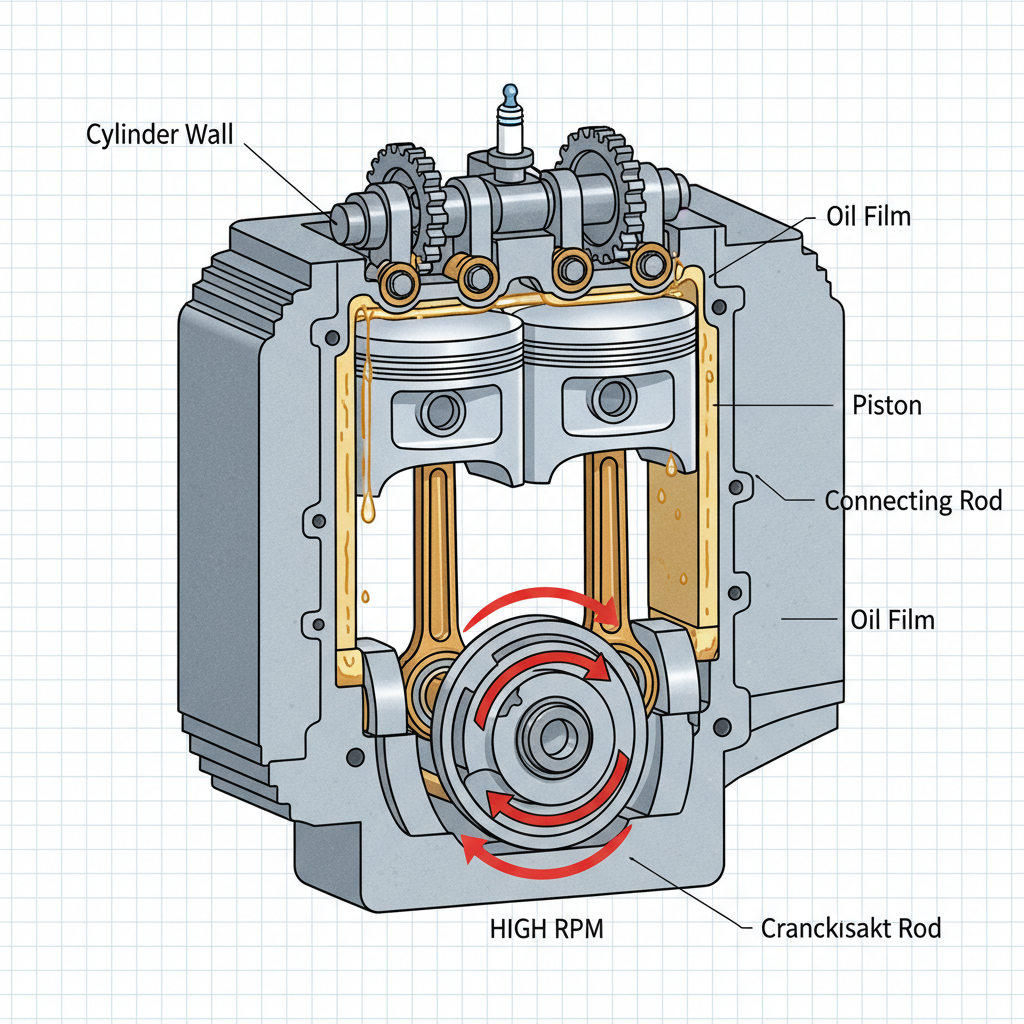
Gas mower engines operate similarly to car engines—they use oil to reduce friction between moving metal parts, dissipate heat, and protect against wear. Without adequate oil, engine components grind together, causing rapid deterioration and potentially catastrophic engine failure.
Small gas engines in lawn mowers are particularly vulnerable to oil depletion because:
- They operate at high RPMs (typically 3,000–4,000) with minimal cooling systems
- Oil circulates through tight tolerances in compact engine blocks
- Seasonal storage and inconsistent maintenance increase the risk of degradation
What Happens If You Run a Gas Mower Without Oil?
Operating a gas mower on low or no oil causes severe engine damage within minutes:
- Metal-to-metal contact: Pistons, cylinder walls, and crankshaft components wear rapidly
- Heat buildup: Friction generates extreme temperatures, warping engine parts
- Engine seizure: The engine locks up and becomes inoperable, requiring full replacement
- Costly repairs: Engine rebuilds often cost $300–$800, making replacement cheaper than repair
How Often Should You Check Oil?
Check your lawn mower’s oil before each use, especially at the start of mowing season. Most mowers have a dipstick or sight glass on the side of the engine. The oil level should reach the full mark on the dipstick. If it’s below the minimum line, add the recommended oil type until it reaches the full mark.
Electric and Battery-Powered Mowers: Oil Requirements
Electric and battery-powered lawn mowers do not need oil. These mowers use electric motors instead of internal combustion engines, eliminating the need for engine lubrication. This is one of their primary maintenance advantages over gas models.
What Maintenance Do Electric Mowers Need?
While electric mowers skip oil changes, they require different care:
- Battery maintenance: Charge after each use and store in a cool, dry place during off-season
- Blade sharpening: Sharpen blades annually or when they become dull
- Cleaning: Remove grass clippings and debris after each mow to prevent corrosion
- Cord inspection: For corded models, check for damage to the power cable before use
Are There Any Lubrication Needs for Electric Models?
Some electric mowers have wheel bearings or pivot points that benefit from occasional lubrication. Check your owner’s manual for specific recommendations. Most modern electric mowers are sealed and do not require user maintenance beyond the basics listed above.
What Type of Oil Does Your Lawn Mower Need?
The correct oil viscosity and type are critical for engine performance and longevity. Most lawn mowers use oils rated by the SAE (Society of Automotive Engineers) viscosity scale.
Common Oil Viscosity Grades for Lawn Mowers
| Oil Grade | Temperature Range | Best For |
|---|---|---|
| SAE 30 | Warm climates (above 50°F) | Most common choice; thicker oil for warm-season use |
| SAE 10W-30 | Moderate climates (32–85°F) | Multi-grade oil; flows in cold weather, thickens when warm |
| SAE 5W-30 | Cold climates (below 32°F) | Better cold-start performance; flows easily in winter |
Always consult your mower’s owner’s manual for the exact oil viscosity recommended by the manufacturer. Using the wrong grade can reduce engine efficiency and void your warranty.
Can You Use Car Oil in a Lawn Mower?
Yes, you can use car oil in a lawn mower if it meets the recommended SAE grade. However, some key differences exist:
- Additives: Car oils contain detergents designed for larger engines; small engines may accumulate residue
- Viscosity stability: Small engines benefit from oils formulated for their specific operating conditions
- Cost: Dedicated small-engine oils are inexpensive and optimized for mowers, chainsaws, and similar equipment
Using a small-engine oil formulated for lawn mowers is the safest choice, though quality car oil in the correct grade works in a pinch.
Synthetic vs. Conventional Oil for Lawn Mowers
Both work in lawn mowers, but they have different advantages:
- Conventional oil: More affordable, adequate for typical residential use, shorter service life (typically 50 hours)
- Synthetic oil: Superior temperature stability, longer intervals between changes (up to 100 hours), better for extended use or professional applications, higher cost
For residential mowers used seasonally, conventional SAE 30 oil is sufficient and cost-effective. Professional landscapers and those with riding mowers often prefer synthetic blends or full synthetic for extended drain intervals.
How to Check and Change Your Lawn Mower Oil
Step-by-Step: Checking Oil Levels
- Ensure the mower is off and cool. Running or warm engines can produce inaccurate dipstick readings.
- Locate the dipstick or oil sight glass. It’s typically on the side or top of the engine block; consult your manual if unsure.
- Remove and wipe the dipstick. Clean it with a lint-free cloth to remove debris.
- Reinsert fully, then remove again. Check where the oil level sits relative to the minimum and maximum marks.
- Add oil if needed. If below the minimum, pour the recommended oil slowly, checking the level frequently. Do not overfill.
Step-by-Step: Changing Lawn Mower Oil
- Warm up the engine for 30 seconds. Warm oil flows more freely and drains more completely.
- Turn off the engine and let it cool for 5 minutes. The oil should be warm but not hot to the touch.
- Locate the oil drain plug. It’s usually at the bottom of the engine; place a drain pan underneath.
- Remove the drain plug and let oil drain completely. This may take 2–3 minutes.
- Replace the drain plug. If your mower has a replaceable oil filter, change it now according to the manual.
- Add new oil. Pour in the recommended amount slowly, checking the dipstick as you go.
- Run the engine briefly (10 seconds) and recheck the level. Top up if necessary.
- Dispose of old oil responsibly. Take it to a local recycling center or auto service shop; never pour it down the drain.
How Much Oil Does a Typical Mower Hold?
Oil capacity varies by engine size:
- Push mowers: 0.6–1.2 quarts (typical small 4-stroke engines)
- Riding mowers: 1.5–2 quarts (mid-size engines)
- Large commercial mowers: 2–4 quarts or more
Always check your owner’s manual for your specific mower’s capacity. Overfilling can damage the engine as easily as underfilling.
Oil Change Intervals and Seasonal Maintenance
How Often Should You Change Lawn Mower Oil?
Most manufacturers recommend changing oil every 50–100 operating hours, or at least once per season. In practice:
- Residential mowers: Change oil annually before or after peak mowing season (spring or fall)
- Professional or heavy-use mowers: Change oil every 50 hours of operation, typically mid-season
- New mowers: Some require an initial oil change after 5 hours of operation; check your manual
If your mower sits idle for extended periods, check and top up the oil before each use.
Do You Need to Change Oil Before Winter Storage?
Yes, changing oil before storage is highly recommended. Old oil contains contaminants and moisture that can corrode engine components during winter dormancy. Fresh oil provides better protection during storage and ensures the mower starts easily in spring.
Pre-winter mower maintenance checklist:
- Change the oil and replace the oil filter if applicable
- Drain the fuel tank or add fuel stabilizer to prevent fuel degradation
- Clean grass and debris from the deck and engine
- Sharpen the blades or remove them for sharpening
- Store the mower in a dry location protected from moisture and pests
What Other Fluids Might Lawn Mowers Need?
Beyond engine oil, gas-powered mowers may require:
- Fuel: Fresh, clean gasoline (ethanol-free is ideal for seasonal equipment)
- Spark plug replacement: Annually or when the engine misfires
- Air filter cleaning: Every 25 operating hours, or when visibly dirty
- Blade sharpening: Annually or when cutting becomes uneven
Riding mowers may also require transmission fluid, hydraulic oil for deck lift mechanisms, and coolant in some commercial models. Check your owner’s manual for model-specific requirements.
Frequently Asked Questions
Can I use 2-stroke oil in my 4-stroke lawn mower?
No. Two-stroke and four-stroke engines require different oil formulations. Two-stroke oil is mixed with fuel and burns during combustion; four-stroke oil circulates separately and must not burn. Using the wrong type will damage your engine.
What is the difference between lawn mower oil and car oil?
Small-engine oil is formulated for higher RPM operation and tighter engine tolerances found in lawn mowers. Car oil contains detergents suited to larger engines. While quality car oil in the correct SAE grade can work, small-engine oil is optimized for mowers and typically less expensive.
How do I know if my lawn mower engine is 2-stroke or 4-stroke?
Check your owner’s manual or look for an oil dipstick. Four-stroke engines have a separate oil reservoir and dipstick; two-stroke engines do not. Most modern residential lawn mowers are 4-stroke.
Is it safe to run a lawn mower indoors?
No. Gas-powered lawn mowers produce carbon monoxide, which is colorless, odorless, and deadly. Always operate gas mowers outdoors in well-ventilated areas. Electric mowers are safer for indoor storage areas.
What should I do if my lawn mower won’t start after sitting all winter?
Check the oil level first. If it’s low, top it up. Then check for stale fuel, a fouled spark plug, or a clogged air filter. If the mower still won’t start after these checks, consider a professional tune-up before the season begins.