

Quick Answer: Oil Change Basics for Craftsman Push Mowers
To change oil in a Craftsman push lawn mower, disconnect the spark plug wire and allow the engine to cool for 15 minutes. Locate the oil drain plug (position and access vary by model), place a drain pan underneath, and remove the plug to drain all old oil. Clean and reinstall the drain plug, then refill with the manufacturer-recommended oil type—typically SAE 30 for warm climates or 10W-30 for variable temperatures—to the proper dipstick level. Most Craftsman push mowers hold between 0.5 and 1.5 quarts and do not have replaceable oil filters, though some commercial models may include them.

Pros
- Large-size design named in product title
- Sharpening and balancing functions listed
- Listed as a new upgraded version

Pros
- Adjustable 15-to-45-degree range in title
- Sharpening and balancing functions listed
Pros
- Includes replacement gaskets and a 98079-55846 spark plug
- Matches Honda HRR216 and HRS216 lawn mower models
- Designed around the 16100-Z8B-901 carburetor specification
Cons
- Restricted to select Honda GCV160 mower applications
- Installation requires basic mechanical tools and skills
Why Regular Oil Changes Matter for Lawn Mower Performance
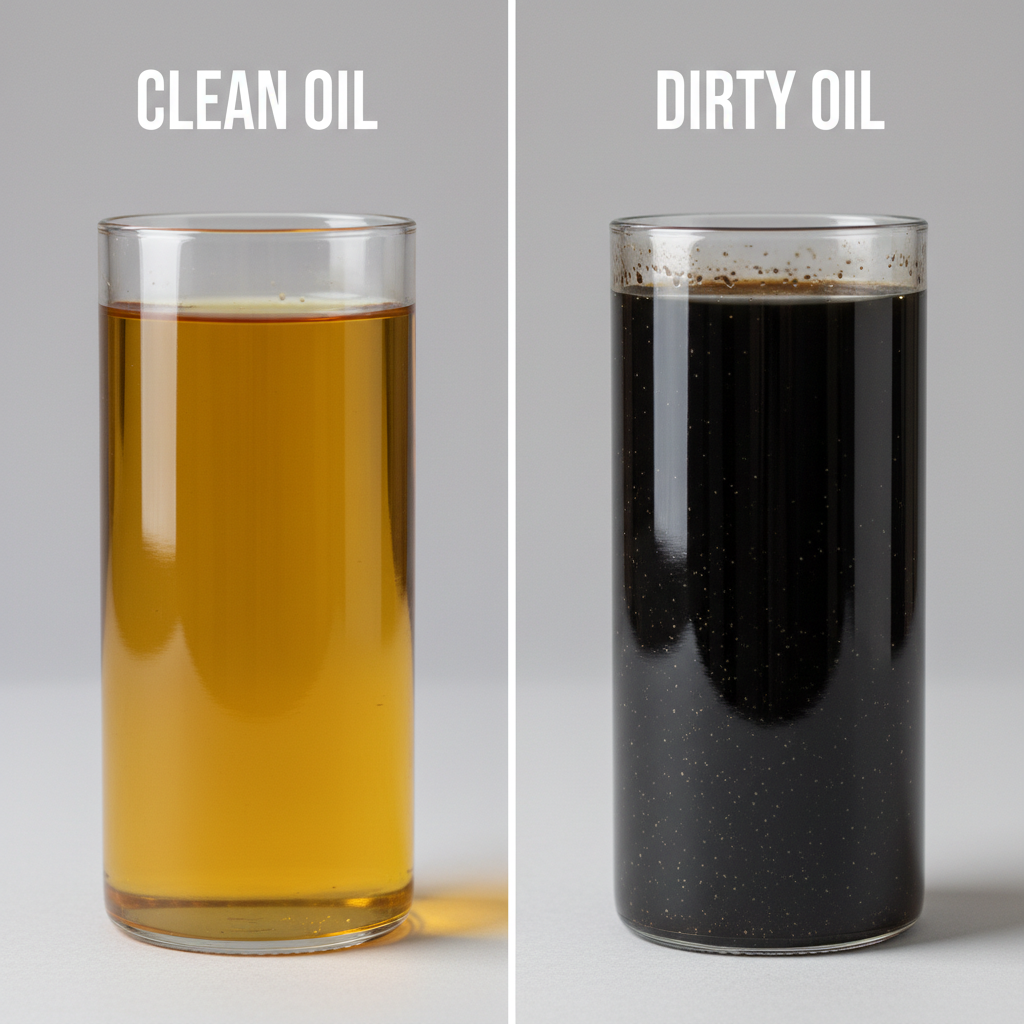
Oil in a lawn mower engine serves multiple critical functions: it lubricates moving parts, reduces friction and heat, removes contaminants, and protects against rust and corrosion. Over time, oil breaks down from heat exposure and accumulates dirt and debris, losing its protective properties. Neglecting oil changes leads to increased engine wear, reduced fuel efficiency, harder starting, and potentially catastrophic engine damage that can cost hundreds of dollars to repair.
Most manufacturers, including Craftsman, recommend changing oil every 50 operating hours or at least once per season, typically at the start of the mowing season. For homeowners who use their mowers regularly during spring and summer, an annual oil change is a reasonable maintenance schedule. Checking your owner’s manual for your specific model’s recommendations ensures you follow the manufacturer’s guidance for optimal engine longevity.
Before You Start: Safety Precautions and Tools You’ll Need
Essential Safety Steps
Before beginning any maintenance on your Craftsman push mower, safety must come first:
- Disconnect the spark plug wire: Remove the wire from the spark plug to prevent accidental engine startup. This is the single most important safety step.
- Allow engine cooldown: Wait at least 15 minutes after the last use for the engine to cool. Hot oil can cause severe burns.
- Work on level ground: Position your mower on a flat, stable surface to prevent it from shifting during the drain process.
- Wear protective gear: Use gloves and old clothing, as used oil stains permanently. Consider safety glasses to protect against splashes.
- Ensure adequate ventilation: Perform this task outdoors or in a well-ventilated garage to avoid inhaling fumes.
Tools and Materials You’ll Need
- Socket wrench or box wrench (size depends on your drain plug; typically 1/2-inch or 9/16-inch)
- Oil drain pan (at least 2-quart capacity)
- Clean rags or shop towels
- New oil (type and amount specified in your owner’s manual)
- Oil funnel (prevents spills during refill)
- Dipstick or oil level gauge (included with mower)
- Container for used oil disposal
- Owner’s manual for your specific Craftsman model
How to Determine Your Oil Type and Capacity
Finding Your Mower’s Specifications
The most reliable way to determine the correct oil type and capacity is to consult your owner’s manual. You can typically find this information:
- In the maintenance or specifications section of your printed manual
- On the Craftsman website by entering your mower’s model number
- On a sticker or label attached to the engine itself
- By contacting Craftsman customer service with your model number
Understanding Oil Types: SAE 30 vs. 10W-30
SAE 30 is a single-viscosity oil recommended for mowers used in warm climates or during warm seasons. It flows smoothly at high temperatures but thickens in cold weather, making cold starts difficult in winter.
10W-30 is a multi-viscosity oil with a winter rating (the “W”) that maintains better fluidity in cold conditions while still providing adequate protection in warm weather. This type is ideal for variable climates or for mowers stored through winter months.
Using the wrong oil type can affect engine performance, fuel efficiency, and starting ability. Always follow your manual’s recommendation rather than substituting with a different type.
Typical Oil Capacities
Most Craftsman push mowers hold between 0.5 and 1.5 quarts of oil, depending on engine size and model. Smaller, entry-level push mowers typically hold around 0.5 to 0.75 quarts, while larger professional-grade models may require up to 1.5 quarts. Your owner’s manual will specify the exact capacity for your model. Do not overfill—excess oil can damage the engine and cause smoking or leaking.
Step-by-Step Oil Drain and Refill Process
Step 1: Prepare Your Workspace
Position your Craftsman push mower on a level surface outdoors or in a well-ventilated garage. Ensure the spark plug wire is disconnected and the engine has cooled for at least 15 minutes. Place your oil drain pan on the ground directly beneath where the drain plug will release oil.
Step 2: Locate the Oil Drain Plug
The location of the drain plug varies by Craftsman model and engine type. On most push mowers, it is located on the bottom or side of the engine crankcase. Some models feature a drain plug accessible from below the mower deck, while others may have the plug on the side of the engine. Consult your owner’s manual or inspect your specific mower carefully to identify its exact location. If your model uses a dipstick tube instead of a traditional drain plug, you may need to tip the mower carefully to drain oil (some manuals provide specific tipping instructions to avoid damaging the air filter).
Step 3: Remove the Drain Plug
Using the appropriate wrench, turn the drain plug counterclockwise to loosen it. Once hand-tight, carefully unscrew it the rest of the way by hand, allowing oil to drip into the drain pan. Wear gloves to protect against hot oil contact. The drain plug may have a washer or gasket attached; keep this safe as you’ll need it when reinstalling.
Step 4: Allow Complete Oil Drainage
Let the oil drain completely into the pan. This typically takes 5 to 10 minutes. Tilt the mower slightly (if safe to do so and allowed by your manual) to encourage complete drainage. Do not rush this step—residual old oil contributes to engine sludge buildup.
Step 5: Clean and Reinstall the Drain Plug
Using a clean rag, wipe the drain plug to remove any residue or debris. Inspect the washer or gasket; if damaged or worn, replace it before reinstalling. Screw the drain plug back in by hand first to avoid cross-threading, then use your wrench to tighten it firmly—snug but not excessively tight, as over-tightening can strip the threads.
Step 6: Refill with New Oil
Position your oil funnel in the oil filler opening (typically located on top of the engine). Slowly pour new oil into the funnel until it reaches the level indicated on your dipstick. Do not overfill; refer to your manual for the exact fill line. After pouring, wait a minute for the oil to settle, then check the dipstick level again and adjust as needed.
Step 7: Verify Oil Level
Remove the dipstick, wipe it clean with a rag, reinsert it fully into the tube, then remove it again to read the level. The oil should reach the “full” mark on the dipstick. If the level is low, add more oil in small increments. Once satisfied with the level, reinstall the dipstick or filler cap securely.
Oil Filter Replacement (If Your Model Includes One)
Most residential Craftsman push mowers do not include replaceable oil filters, relying instead on cartridge-style or built-in filtration within the engine. However, some commercial-grade or larger Craftsman models may feature an external oil filter that requires periodic replacement.
If your mower has an oil filter, consult your owner’s manual for replacement procedures. Generally, the process involves:
- Locating the filter canister on the side or bottom of the engine
- Positioning a drain pan beneath it to catch residual oil
- Using an oil filter wrench to turn the filter counterclockwise and remove it
- Wiping the filter mounting surface clean
- Installing a new filter by hand until the rubber gasket contacts the surface, then tightening an additional three-quarters turn
If unsure whether your specific Craftsman model has a replaceable filter, check your owner’s manual or contact Craftsman customer support with your model number.
After the Oil Change: Final Checks and Oil Disposal
Verification Steps
After completing the oil change, perform these final checks before using your mower:
- Ensure the drain plug is tight and shows no signs of leaking
- Confirm the oil filler cap or dipstick is securely in place
- Check that the spark plug wire is still disconnected
- Reconnect the spark plug wire to the spark plug
- Start the engine and let it run for 30 seconds, watching for any leaks around the drain plug area
- Stop the engine, wait 2 minutes, then check the oil level again with the dipstick
Proper Used Oil Disposal
Used motor oil is toxic and must never be disposed of in household trash, poured down drains, or dumped on the ground. Instead:
- Take it to a recycling center: Most municipalities have hazardous waste collection facilities that accept used motor oil free of charge
- Return it to an auto parts retailer: Many stores like AutoZone, O’Reilly, and NAPA accept used oil and offer store credit or discounts
- Contact your local waste management: Call your city or county to learn about scheduled hazardous waste collection days
- Store safely if disposal is delayed: Keep used oil in a sealed, clearly labeled container in a cool, dry location away from children and pets
Everything You Need to Know: How To Change Oil In Craftsman Push Lawn Mower FAQ
How often should I change the oil in my Craftsman push mower?
Most manufacturers recommend changing oil every 50 operating hours of use or at minimum once per year. For typical homeowners mowing weekly during the growing season, an annual oil change at the start of spring is sufficient. If you use your mower more heavily or in dusty conditions, consider changing oil more frequently—every 25 to 30 operating hours. Check your specific owner’s manual for the manufacturer’s recommendation for your model.
Can I use synthetic oil in my Craftsman push mower?
Most Craftsman push mowers are designed for conventional mineral oil. Using synthetic oil may void your warranty or cause unexpected engine issues, as synthetic oils have different viscosity properties and can interact differently with engine seals and components designed for conventional oil. Always follow your owner’s manual’s recommendations. If you want to use synthetic oil, confirm it is approved for your specific engine model before making the switch.
What should I do if I accidentally overfill the oil?
If you overfill the oil, the excess will likely be pushed out through the engine’s breather vent, causing smoking and potential damage. Stop using the mower immediately. Disconnect the spark plug, allow the engine to cool, then drain the excess oil by removing the drain plug slightly and letting oil flow into a pan until the level reaches the proper dipstick mark. Reinstall the drain plug and check the level again before restarting.
Why is my Craftsman mower smoking after an oil change?
Smoking immediately after an oil change typically indicates overfilling. Excess oil burns off as smoke when the engine heats up. Stop the mower, disconnect the spark plug, and allow it to cool for 15 minutes. Then check and correct the oil level by draining the excess. If the mower continues to smoke after correcting the oil level, there may be a leak or other issue; consult your owner’s manual or contact Craftsman support.









