Understanding Charging Times by Battery Type
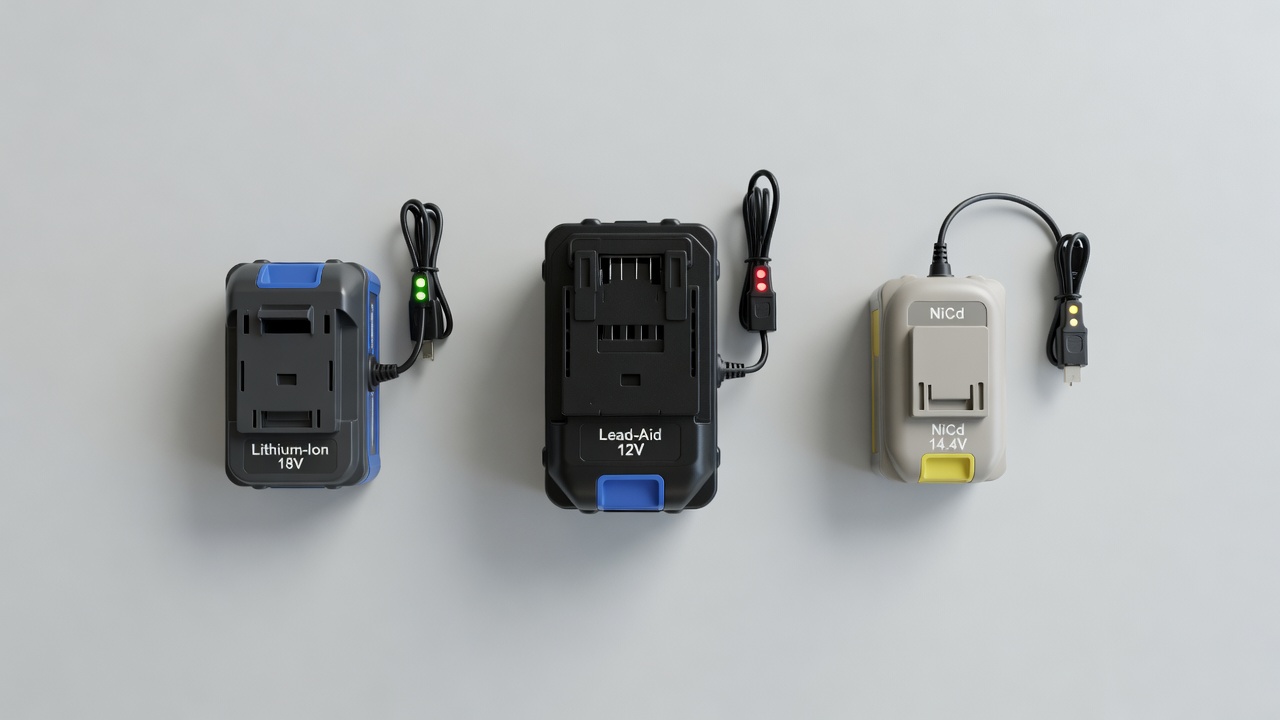
The time required to charge a lawn mower battery depends primarily on the battery chemistry and the charger’s output. For most modern cordless mowers using lithium-ion technology, a standard charger typically completes a full cycle in 1 to 3 hours, while fast chargers can reduce this to 30–60 minutes. Older or specialty mower types using lead-acid batteries often require 4 to 8 hours to reach a full charge, and older Nickel-Cadmium (NiCd) batteries can take anywhere from 12 to 24 hours. Because charging speeds vary by design, always refer to your specific equipment manual for the manufacturer’s recommended duration.
What is the typical charging time for lithium-ion lawn mower batteries?
Lithium-ion batteries are the industry standard for modern electric mowers due to their energy density and lack of memory effect. With a standard charger, users should expect a 1–3 hour window. Many manufacturers now offer rapid-charging accessories that utilize higher amperage to push energy into the cells more quickly, often cutting the time down to an hour or less. These batteries are designed to stop accepting a charge once they hit capacity, which helps protect the internal cells from heat damage.
How long does a lead-acid lawn mower battery take to charge?
Lead-acid batteries, commonly found in riding lawn mowers and tractors, operate differently than lithium-ion units. They generally require a slower, more deliberate charging process to prevent electrolyte boiling or plate degradation. A typical recharge for a depleted lead-acid battery takes between 4 and 8 hours. Using a trickle charger or a battery maintainer can extend this time, but these devices are often safer for the battery’s long-term health, especially if the mower is stored for long periods.
What is the charging duration for NiCd (Nickel-Cadmium) lawn mower batteries?
NiCd batteries are less common in new equipment but may still be found in older models. These batteries are known for slower charging requirements, often needing 12 to 24 hours to reach a full state of charge. Because they are prone to the “memory effect,” they often perform best when fully discharged before being recharged, though this is less of a concern with modern lithium-ion alternatives.
Key Factors That Affect Charging Duration
Beyond the chemistry of the battery, several physical and environmental factors influence how long a charger must remain connected to the power source.
How does battery capacity (measured in Amp-hours) affect charging time?
Battery capacity, measured in Amp-hours (Ah), indicates how much energy the battery can hold. A battery with a higher Ah rating will naturally take longer to charge than one with a lower rating, assuming the same charger is used. Think of the Ah rating as the size of a fuel tank; a larger tank requires more time to fill at the same flow rate.
What role does charger amperage play in charging speed?
Charger amperage is the rate at which the charger delivers current to the battery. A charger with a higher amperage output will charge a battery faster than one with lower amperage. However, it is critical to use only the charger recommended or provided by the manufacturer. Using a charger with an incompatible output—either too high or too low—can lead to inefficient charging, battery overheating, or permanent damage to the battery management system.
How does battery age and condition impact charging time?
As batteries age, their internal resistance increases, which often results in longer charging times and reduced capacity. A battery that has been through hundreds of cycles may take longer to reach a “full” reading, or it may reach that reading quickly but discharge significantly faster during use. If you notice a battery taking significantly longer to charge than it did when new, it may be reaching the end of its functional lifespan.
Does temperature affect how long it takes to charge a lawn mower battery?
Temperature plays a significant role in battery chemistry. Charging a battery in extreme heat can trigger safety sensors that slow down or halt the charging process to prevent thermal runaway. Conversely, charging in very cold temperatures can cause internal resistance to spike, leading to a much slower charge. For optimal results, batteries should be charged in a temperature-controlled environment, ideally between 50°F and 80°F (10°C to 27°C).
Practical Charging Tips and Best Practices
Maintaining your lawn mower battery properly can extend its service life and ensure your equipment is ready when you need it.
- Use the correct charger: Always use the charger specifically designed for your battery model. Cross-compatible chargers can cause safety hazards or void warranties.
- Avoid overcharging: While most modern lithium-ion chargers feature auto-shutoff, leaving a battery on a charger for weeks at a time is generally discouraged unless the manufacturer explicitly states it is safe for long-term storage.
- Monitor indicator lights: Most chargers feature LED indicators. A solid light usually signifies a full charge, while a flashing light often indicates the battery is still charging or that there is a fault.
- Storage safety: Do not charge batteries in areas exposed to high moisture, direct sunlight, or extreme temperatures.
When to Consult Manufacturer Specifications
Because battery technology varies between brands and models, the owner’s manual remains the final authority. The manual will provide the specific charging profile for your battery, including expected charge times for different states of depletion. If you have misplaced your manual, you can usually find a digital copy on the manufacturer’s website by entering the model number of your lawn mower or the specific battery pack. Consulting these documents ensures you follow the safety protocols unique to your equipment, protecting both your investment and your personal safety.