Understanding Your Trimmer Type
Before you begin the process of weed wacker restringing, it is essential to identify the specific mechanism your trimmer uses. Trimmers generally fall into two categories: bump-feed systems and fixed-line systems. Bump-feed trimmers feature a spool inside the head that releases more line when the head is tapped against the ground. Fixed-line systems typically use pre-cut lengths of line that are inserted directly into the trimmer head without a spool.
To identify your mechanism, inspect the trimmer head. If you see a central cap that can be depressed or twisted, it is likely a bump-feed system. If the head has small holes or slots where you insert individual pieces of line, it is a fixed-line system. Always consult your owner’s manual to confirm the specific requirements for your model, as internal spool designs vary significantly by manufacturer.
Gathering Materials and Preparing Your Trimmer
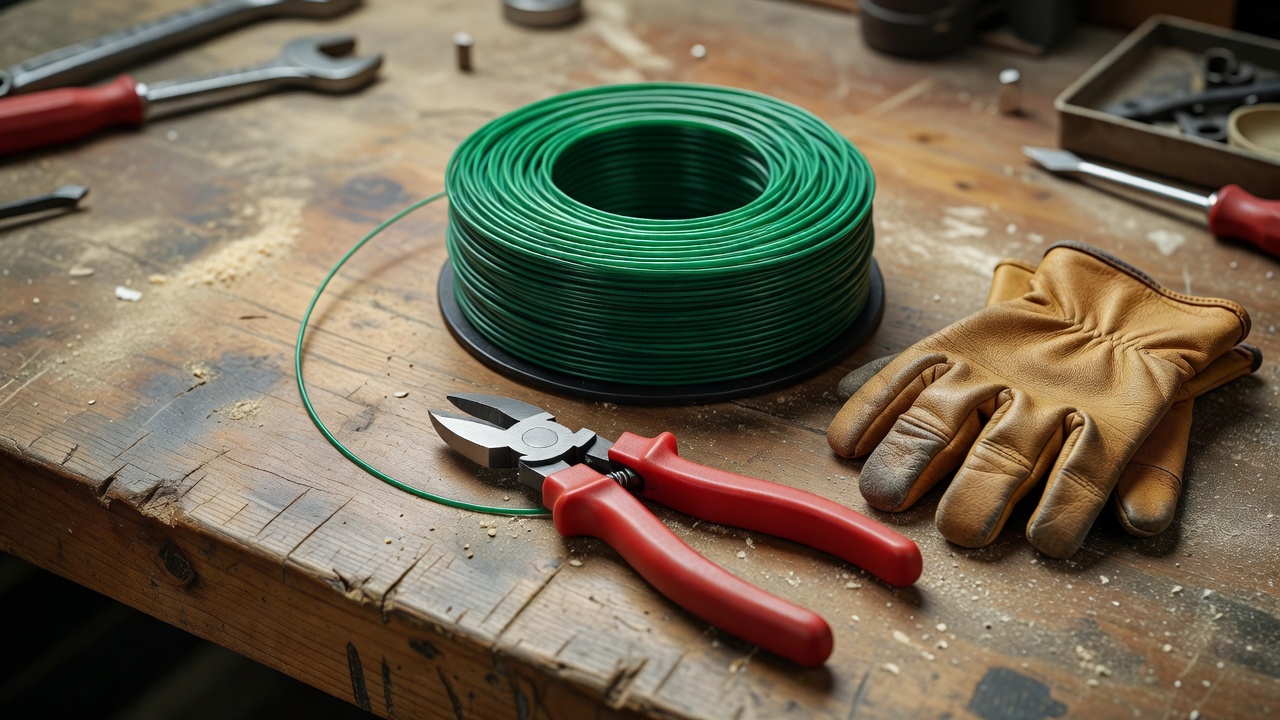
Preparation is key to a smooth trimmer line replacement. First, always disconnect the spark plug wire on gas-powered models or remove the battery from electric models to prevent accidental startup during the maintenance process. Safety should be your priority when working near the cutting head.
You will need the correct trimmer line diameter, which is typically measured in inches. Common diameters range from 0.065 to 0.105 inches, depending on the power of the trimmer. Using a line that is too thick can strain the motor, while a line that is too thin may break frequently. You will also need a pair of sharp wire cutters or heavy-duty scissors to ensure clean, flat cuts on the ends of the line, which helps prevent fraying.
Removing the Spool from Your Weed Wacker
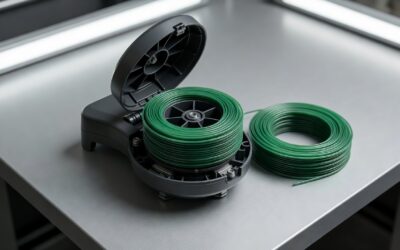
Accessing the spool varies by model. For many bump-feed trimmers, you can remove the spool by pressing the side release tabs or by unscrewing the center cap. If the cap is stuck, ensure you are turning it in the correct direction; some models use reverse threading to prevent the cap from loosening during operation. If you encounter significant resistance, check your manual to ensure you are not missing a locking pin or screw.
Measuring and Cutting Replacement Line
Proper line length is critical for the balance and performance of your trimmer. For most dual-line bump-feed spools, a common recommendation is to use approximately 15 to 17 feet of line per side. Cutting the line too long can cause it to tangle inside the housing, while cutting it too short will lead to frequent stops to reload. Use a tape measure to ensure precision; clean, straight cuts at the ends of the line make it easier to thread the line through the eyelets of the trimmer head.
Winding Line Onto the Spool
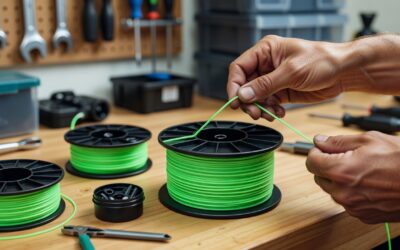
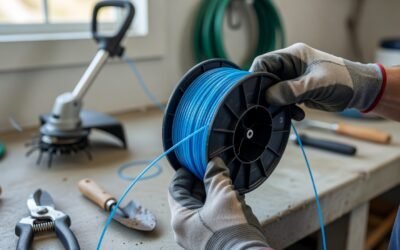
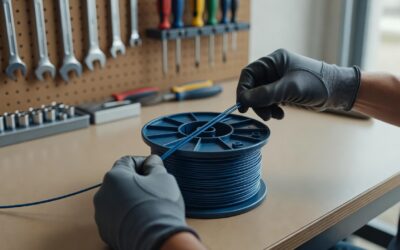
Winding requires attention to detail. Most spools feature a small arrow indicating the direction of rotation. If you wind the line against this arrow, the feed mechanism will not function. Hold the line taut as you wind it around the spool; loose winding often results in the line overlapping and jamming inside the housing. Maintain even spacing, working from the bottom of the spool toward the top, and ensure that the two lines do not cross over each other.
Installing Line in Anchor Slots and Reinstalling the Spool
Once the line is wound, secure the ends into the designated anchor slots on the spool rim. These slots prevent the line from unwinding while you reassemble the head. Feed the ends of the line through the eyelets of the trimmer housing as you snap the spool back into place. Ensure the spool is fully seated and the cap is locked securely. Once installed, pull the line ends firmly to release them from the anchor slots, allowing about 6 inches of line to extend from each side.
Troubleshooting Common Restringing Mistakes
If the line fails to feed after restringing, the most common culprit is tangled line inside the spool. This usually happens if the line was wound too loosely. If the trimmer head vibrates excessively, check that the line lengths are equal on both sides. If the line breaks immediately, it may be too thin for the vegetation you are cutting or the line may have become brittle due to improper storage.
Restringing Bump-Feed vs. Fixed-Line Spools
The distinction between these two systems is vital. Bump-feed systems rely on a tension spring and a dual-channel spool to manage the line. When you tap the head, the centrifugal force and the spring allow the spool to rotate slightly, releasing more line. Fixed-line systems, conversely, do not use a spool; you simply fold a piece of line in half and thread it through the head until it locks. If you are unsure which system your tool uses, do not force the components, as this can damage the internal feed mechanism.