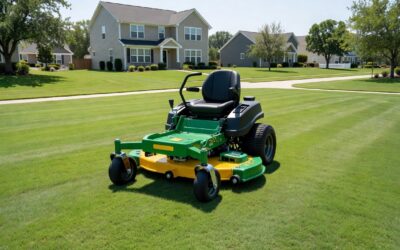
Building a competitive racing lawn mower involves selecting a suitable base mower, upgrading the engine for power and reliability, reducing weight through chassis modifications, optimizing aerodynamics, and tuning the entire system for your specific racing class. Most builders start with an existing commercial mower platform, then perform engine modifications, frame reinforcement, and handling upgrades to meet competition requirements while achieving significant speed improvements. This guide covers the essential steps, considerations, and techniques for transforming a stock lawn mower into a capable racing machine.
Understanding Lawn Mower Racing Formats and Classes
Before beginning your build, it is important to understand the racing formats and classes available, as these determine the rules, modifications, and performance expectations for your mower. Lawn mower racing has grown from informal weekend events into organized competitions with established classes and safety standards.
Main Racing Formats
Lawn mower racing typically falls into several distinct formats, each with unique requirements. Drag racing focuses on straight-line acceleration over short distances, requiring maximum power output and launch technique. Circuit racing involves navigating a closed course with turns, demanding balanced handling and stability at varying speeds. Hill climb events test power-to-weight ratio and traction on inclines. Each format prioritizes different aspects of mower performance, influencing your modification strategy.
Class Regulations and Rule Compliance
Organized racing series establish class regulations that govern acceptable modifications. These rules typically address engine displacement limits, weight minimums, safety equipment requirements, and frame specifications. Understanding your target class rules before beginning your build prevents costly rework and ensures your mower qualifies for competition. Many classes restrict certain modifications to maintain competitive balance among different builder experience levels and budgets.
Engine Modification and Power Upgrades
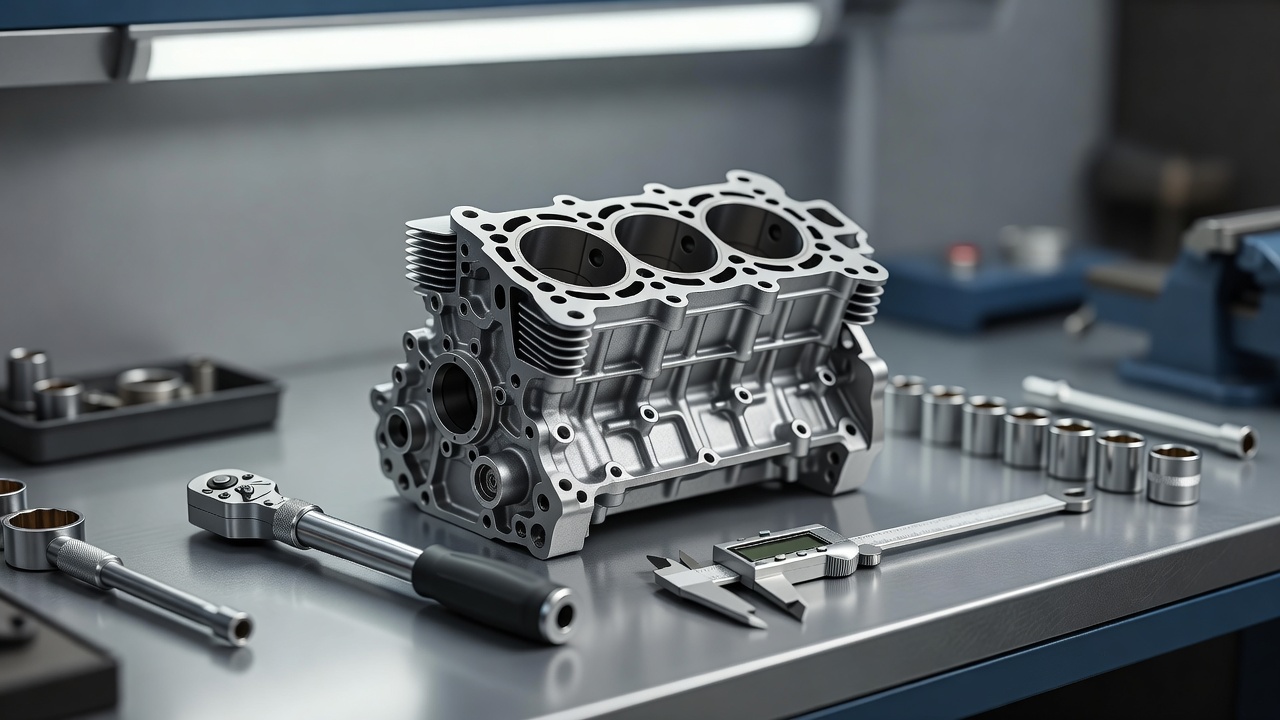
The engine forms the heart of any racing lawn mower, and its modification represents the most significant opportunity for performance gains. Stock lawn mower engines are designed for reliability and longevity at moderate power outputs, making substantial upgrades necessary for competitive racing performance.
Selecting and Evaluating Your Base Engine
Most racing mower builds start with a horizontal shaft engine in the 10 to 20 horsepower range from a reputable manufacturer. These engines offer a balance of availability, aftermarket support, and modification potential. When evaluating a donor engine, inspect the block for cracks, check compression across all cylinders, and assess the general condition of internal components. A sound foundation ensures your modifications deliver reliable performance rather than immediate failures.
Displacement and Boring Options
Increasing engine displacement provides a straightforward path to additional power. This can be achieved by boring the cylinders to a larger diameter or installing a stroker crankshaft that increases piston travel. Each approach offers distinct advantages regarding cost, complexity, and power delivery characteristics. Boring provides immediate displacement gains but requires machine work and may limit engine lifespan if pushed beyond safe limits. Stroker kits offer complementary power gains with different torque characteristics.
Carburetor and Fuel System Tuning
The carburetor controls the air-fuel mixture entering the engine, directly influencing power output and throttle response. Upgrading to a larger carburetor allows greater airflow, supporting increased power from modified engines. However, carburetor sizing must match your engine’s breathing capacity; an oversized carburetor can actually reduce performance by creating a too-lean mixture or poor atomization at lower throttle positions. Proper jetting and adjustment ensure the engine receives the correct fuel volume across the entire rpm range.
Ignition System Upgrades
Reliable ignition becomes critical as engine modifications increase stress on stock components. Upgrading to a performance ignition coil provides stronger spark energy, improving combustion efficiency and throttle response. Many builders also install programmable ignition timing controllers that allow fine-tuning of spark advance curves for different racing conditions. A consistent, strong spark ensures all fuel mixture is burned efficiently, extracting maximum power from each combustion cycle.
Weight Reduction and Chassis Design
Reducing overall weight improves acceleration, handling, and braking performance across all racing formats. Strategic weight reduction focuses on removing unnecessary components while maintaining structural integrity and safety features required for competition.
Identifying Components for Removal
Stock lawn mowers include many components unnecessary for racing, including the cutting deck, seat adjustment mechanisms, grass collection systems, and aesthetic covers. Each removed component reduces rotating and unsprung mass, improving both acceleration and suspension response. Document removed parts thoroughly for potential reinstallation if you return the mower to lawn care use, and store them in a dry location.
Frame Reinforcement for Racing Stresses
Racing stresses differ substantially from normal mowing loads, requiring frame modifications to withstand increased forces. The frame must handle engine torque reactions, cornering loads, and acceleration forces without excessive flex. Common reinforcement approaches include adding cross bracing, welding gussets at high-stress joints, and replacing thin-walled tubing with heavier sections where necessary. Avoid overbuilding, however, as excessive reinforcement adds weight that partially offsets the benefits of other weight reduction efforts.
Material Considerations
Material selection for chassis modifications balances strength, weight, and fabrication complexity. Steel remains popular due to its availability, weldability, and cost, though it adds weight compared to aluminum alternatives. Aluminum offers significant weight savings but requires more specialized welding techniques and hardware. Many builders use a hybrid approach, employing steel for high-stress areas and aluminum for non-critical panels and covers where weight reduction provides the greatest benefit.
Aerodynamic and Suspension Optimization
As racing mowers approach higher speeds, aerodynamics and suspension performance become increasingly important for maintaining control and maximizing lap times. These modifications address stability and handling characteristics that affect consistency and driver confidence.
Aerodynamic Design Principles
Aerodynamic fairings reduce drag and improve high-speed stability by managing airflow around the mower and driver. At speeds above 40 miles per hour, aerodynamic forces become significant enough to influence handling and require consideration during the build process. Effective fairing design channels air smoothly over and around the mower while providing adequate cooling airflow to the engine. The driver position also affects aerodynamic performance, with reclined postures reducing frontal area at the cost of visibility and comfort.
Suspension System Upgrades
Stock lawn mower suspensions are designed for operator comfort during slow-speed mowing, not the cornering loads and surface variations encountered in racing. Upgrading suspension components allows the tires to maintain better contact with the racing surface, improving traction and handling predictability. Common approaches include installing aftermarket shocks with adjustable compression and rebound damping, adding front and rear sway bars to reduce body roll, and repositioning suspension mounting points to alter geometry for racing use.
Center of Gravity Optimization
Lowering the center of gravity improves handling response and reduces body roll during cornering. This can be achieved through suspension modifications, strategic component placement, and frame modifications that lower the engine and driver position. However, excessive lowering can reduce suspension travel and ground clearance, causing the mower to bottom out on bumps or high curbs. Balance center of gravity improvements against practical clearance requirements for your target racing surface.
Parts Sourcing and Assembly Process
Successful racing mower builds require systematic parts sourcing and careful assembly that prioritizes reliability and serviceability alongside performance. Establishing a clear build plan before purchasing components prevents costly mistakes and ensures all necessary parts arrive during assembly.
Finding Performance Components
Performance parts for racing mowers come from multiple sources, including specialty racing suppliers, online marketplaces, salvage yards, and custom fabricators. Specialty suppliers offer purpose-built racing mower components designed for competition use, though at premium prices. Online marketplaces provide broader selection and competitive pricing but require careful evaluation of component condition and compatibility. Many builders also fabricate custom parts locally, requiring access to welding equipment, machine shops, or machine shops capable of performing necessary work.
Racing Mower Kits and Pre-Built Options
For builders seeking a starting point, several manufacturers offer racing mower conversion kits that include essential components and detailed assembly instructions. These kits typically bundle suspension components, engine mounts, and drivetrain parts designed to work together. While kits add convenience and reduce trial-and-error during assembly, they may not offer the same optimization potential as a fully custom build. Evaluate your budget, timeline, and performance goals when deciding between kit-based and custom approaches.
Tools and Equipment Requirements
Building a racing mower requires common mechanical tools alongside more specialized equipment for fabrication and tuning. Essential tools include socket sets, wrenches, measurement tools such as calipers and micrometers, and hand tools for disassembly and assembly. Fabrication requires welding equipment capable of handling the materials you select, cutting tools for frame modifications, and measuring equipment for ensuring proper fitment. Engine tuning benefits from a dynamometer or chassis dynamometer capable of measuring power output, though many builders tune through track testing alone.
Build Timeline and Planning
A thorough racing mower build typically spans several months of part-time work, though experienced builders may complete projects more quickly. Establish a realistic timeline that accounts for parts shipping delays, fabrication challenges, and testing iterations. Document your build thoroughly through photographs and notes, creating a reference for future maintenance and modifications. A well-organized build process reduces frustration and produces a more reliable final product.
Safety Considerations and Testing
Safety must remain paramount throughout the build process and before any competition participation. Racing mowers operate at speeds and forces that make equipment failures potentially dangerous, requiring thorough validation before high-speed use.
Required Safety Equipment
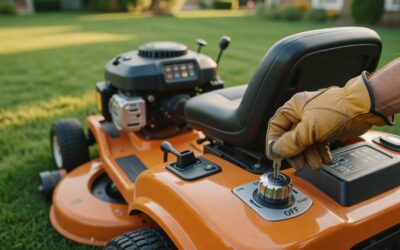
Competition rules typically mandate specific safety equipment including approved helmets, restraints where applicable, and kill switches that immediately stop the engine in emergency situations. Beyond regulatory requirements, prudent builders add roll cages for driver protection during rollovers, engine kill systems accessible to both driver and bystanders, and wheelie bars that prevent dangerous rear-wheel lift during acceleration. Evaluate your target racing series for mandatory and recommended safety equipment before finalizing your build.
Pre-Competition Testing Protocol
Before entering competition, conduct systematic testing at progressively higher speeds and stresses. Begin with low-speed testing in a controlled environment, gradually increasing speed and aggressiveness as confidence builds. During testing, pay attention to unusual vibrations, handling behaviors, or fluid leaks that may indicate problems requiring attention. Document all testing sessions, noting settings, conditions, and any issues encountered for future reference.
Common Failure Points to Monitor
Racing mower builds commonly encounter failures in several areas requiring particular attention during testing and maintenance. Engine mounting points experience significant vibration and stress, potentially cracking or loosening over time. Drivetrain components including belts, chains, and transmissions face increased loads that may exceed stock component capabilities. Suspension joints and bushings wear rapidly under racing loads compared to normal mowing use. Establish regular inspection intervals for these critical areas and replace worn components before they cause failures during competition.
Conclusion
Building a competitive racing lawn mower combines mechanical skill, engineering understanding, and practical problem-solving to create a machine capable of competitive performance. Success requires balancing multiple competing priorities including power, weight, reliability, and rule compliance while maintaining focus on safety throughout the process. Whether competing in local events or organized racing series, a well-built racing mower provides both the thrill of high-speed competition and the satisfaction of creating something through personal effort and expertise.